
By Chekole Alemu
Semera, Ethiopia — May 29, 2026 | Horn News Hub
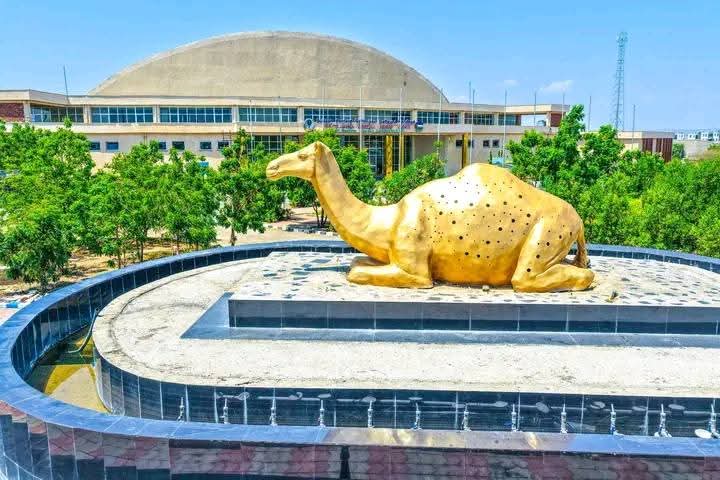
The city of Semera is undergoing one of the most visible urban transformations currently unfolding in Ethiopia’s regional states, signaling a broader political and economic shift within the Afar Region.
For many years, Semera, despite its strategic geographic importance near the Red Sea corridor and the port of Assab, remained largely underdeveloped. Limited infrastructure, weak urban planning, and minimal public investment left the city functioning primarily as an administrative center rather than a modern regional capital.
Today, that reality is rapidly changing.
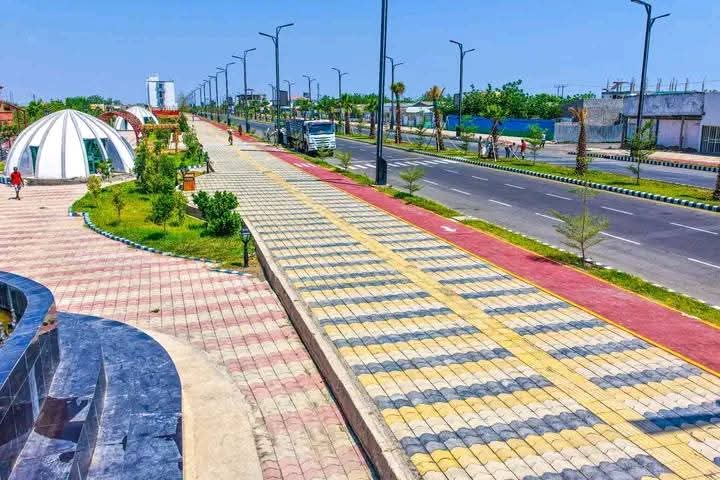
Recent corridor development projects have significantly altered the city’s physical and social landscape. Newly constructed roads, pedestrian walkways, public lighting systems, landscaped areas, and modernized public spaces are reshaping the urban environment and redefining public life in the city.
The transformation is particularly noticeable at night. Areas that were once quiet and poorly lit are now active public spaces where families, young people, and residents gather in a secure and vibrant atmosphere. The visible increase in nightlife activity reflects not only infrastructural change but also a growing sense of social confidence and civic ownership among residents.
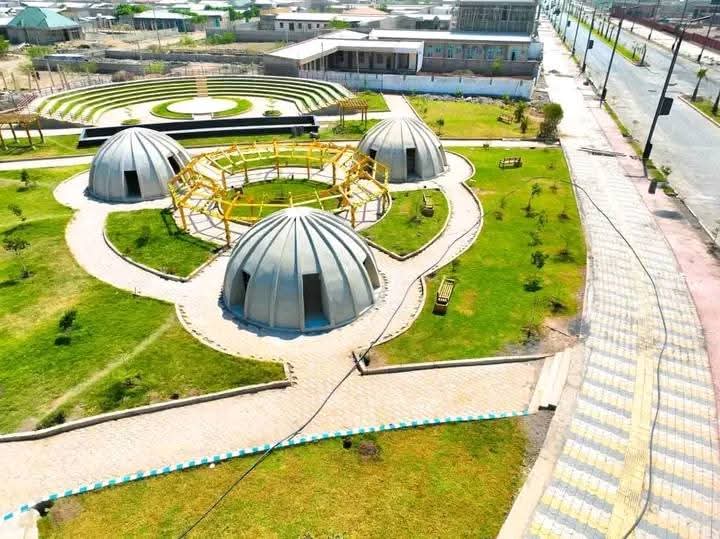
Local observers describe the city’s modernization as symbolic of a larger regional awakening.
Corridor Development as a National Urban Strategy
Semera’s transformation is closely linked to Ethiopia’s broader corridor development strategy initiated under the leadership of Abiy Ahmed. Across several Ethiopian cities, the federal government has promoted large-scale urban renewal projects aimed at modernizing infrastructure, improving mobility, and stimulating local economic activity.
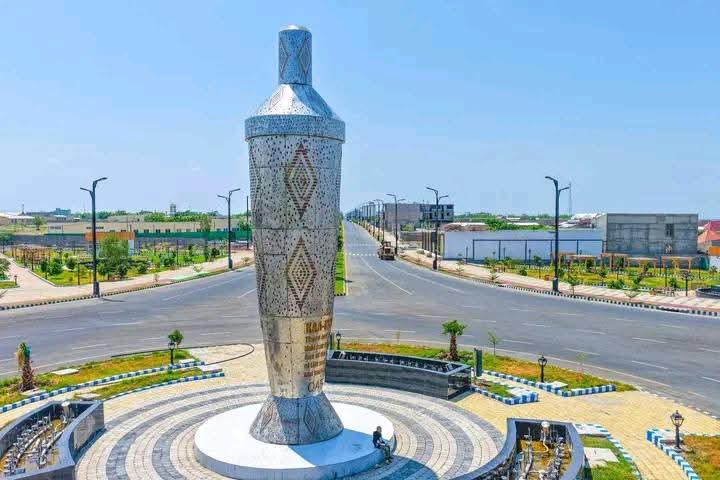
In Semera, however, the implementation has taken on added significance because of the region’s harsh climate, historical marginalization, and strategic geopolitical location.
Regional officials argue that the city’s modernization is not merely cosmetic. Instead, they frame it as part of a long-term effort to position Afar as a critical commercial and logistics hub connecting Ethiopia to regional trade corridors.
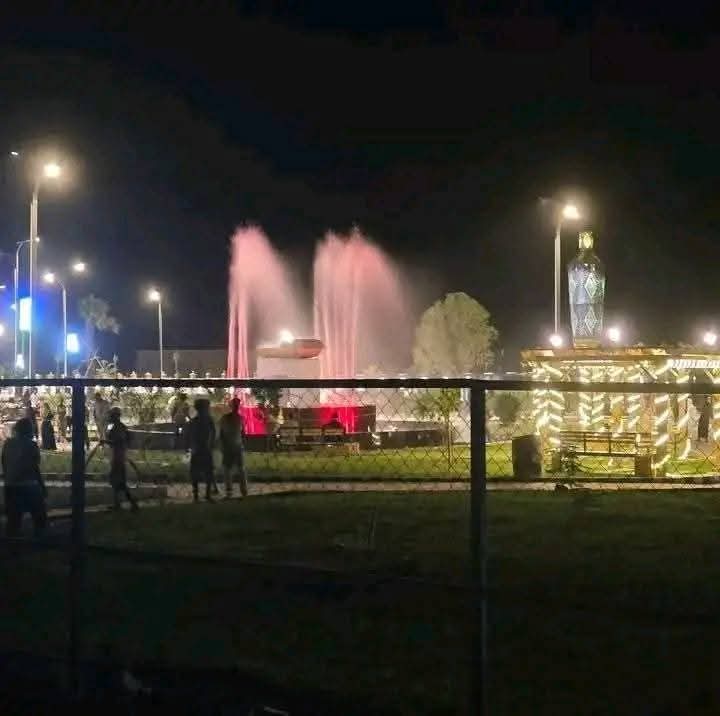
The role of Afar Regional State President Awol Arba has also drawn considerable attention. Supporters credit his administration with accelerating implementation, reducing bureaucratic delays, and ensuring visible progress within a relatively short period.
The role of Afar Regional State President Awol Arba has also drawn considerable public attention. Supporters credit his administration with accelerating project implementation, cutting bureaucratic delays, and delivering visible urban transformation within a relatively short period. The growing public admiration was evident even in everyday life across Semera.
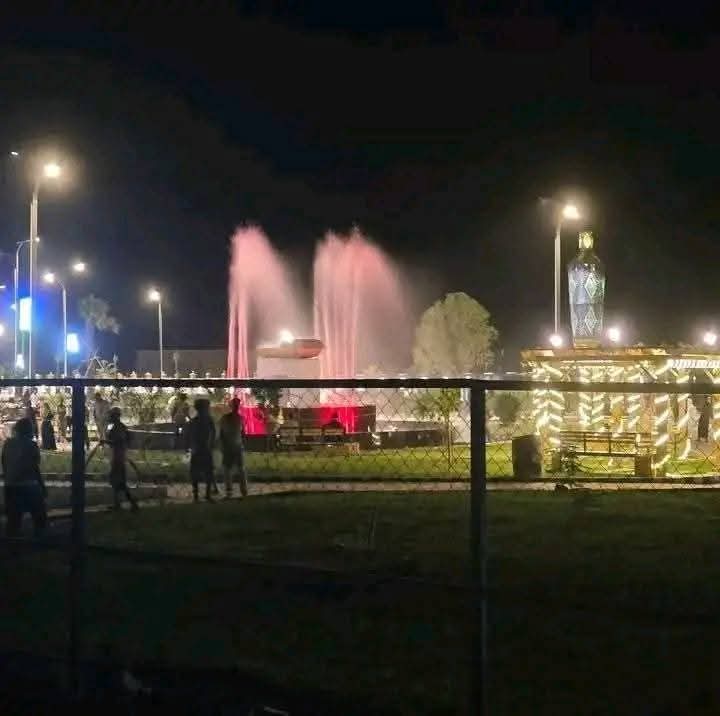
During one evening ride in a Bajaj taxi, music praising the president and celebrating the region’s rapid development played through the speakers, reflecting how the ongoing changes have increasingly become part of local public sentiment and conversation.
The combination of federal backing and regional execution has allowed Semera to emerge as one of the fastest-transforming urban centers in Ethiopia’s peripheral regions.
Strategic Geography and Economic Potential
Semera’s location remains central to its growing importance.
Situated along key transport corridors leading toward the Red Sea basin, the city occupies a strategic position in Ethiopia’s long-term economic and geopolitical calculations. Analysts increasingly view Afar as an area that could benefit significantly from future regional trade integration, logistics expansion, manufacturing investment, and transport infrastructure development.
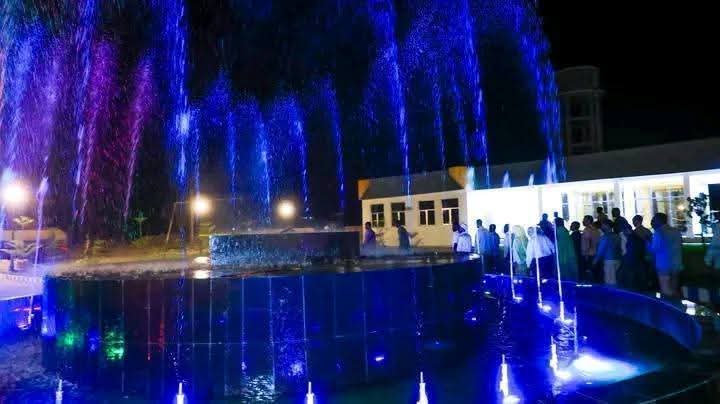
Improved urban infrastructure in Semera may therefore serve purposes beyond local beautification. It could become foundational for attracting domestic and diaspora investment into sectors such as hospitality, logistics, warehousing, real estate, light manufacturing, and transport services.
The city’s modernization also carries symbolic political value. For decades, many peripheral Ethiopian regions complained of uneven development concentrated mainly in major cities such as Addis Ababa. Projects like those underway in Semera are increasingly presented by government officials as evidence of a more geographically balanced development model.
A Message to the Afar Diaspora
The rapid changes unfolding in Semera are also being framed as an invitation to the Afar diaspora community.
Regional authorities and local advocates are encouraging Afar investors living abroad to return, visit, and participate in the region’s economic transformation. Officials argue that improved infrastructure, enhanced urban security, and expanding commercial opportunities have created favorable conditions for investment.
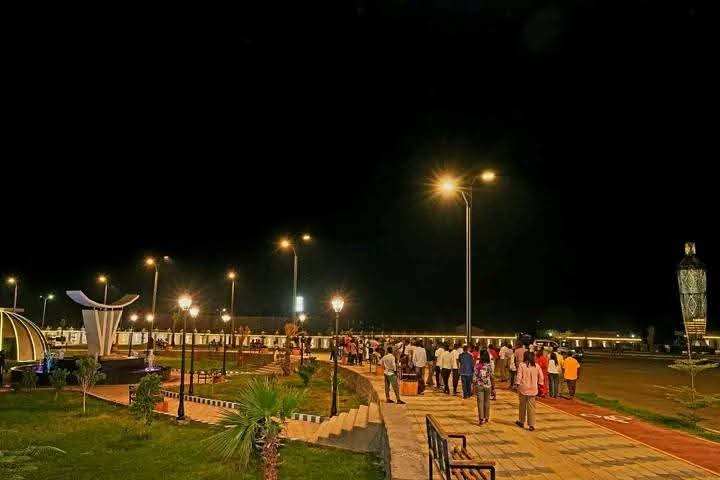
Supporters of the development push believe the region is entering a pivotal moment in its modern history.
Whether the current momentum can be sustained will depend on continued political stability, long-term economic planning, and the ability of regional institutions to convert infrastructure projects into durable economic growth. Nonetheless, Semera’s ongoing transformation has already become one of the clearest examples of how targeted urban investment can rapidly reshape both the image and aspirations of a regional capital.
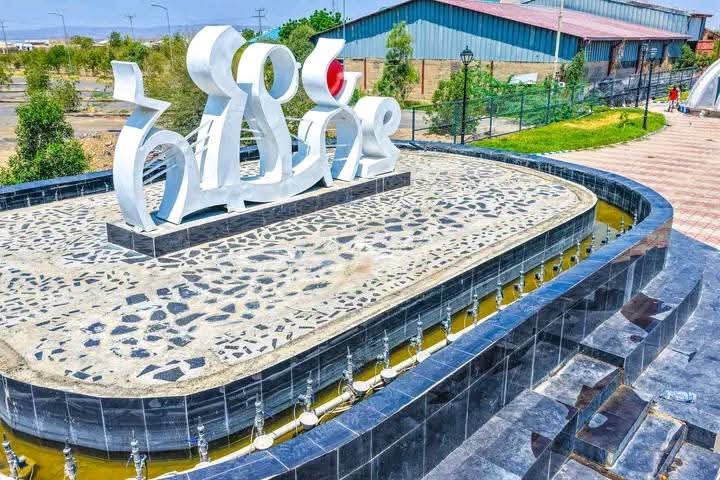
For many residents, the message is increasingly clear: Semera is no longer simply a gateway city. It is positioning itself as a future economic and strategic center in northeastern Ethiopia.
Editor’s Disclaimer:
The views and opinions expressed in articles published by Horn News Hub are those of the authors and do not necessarily reflect the official position or editorial stance of Horn News Hub. Publication does not imply endorsement.