

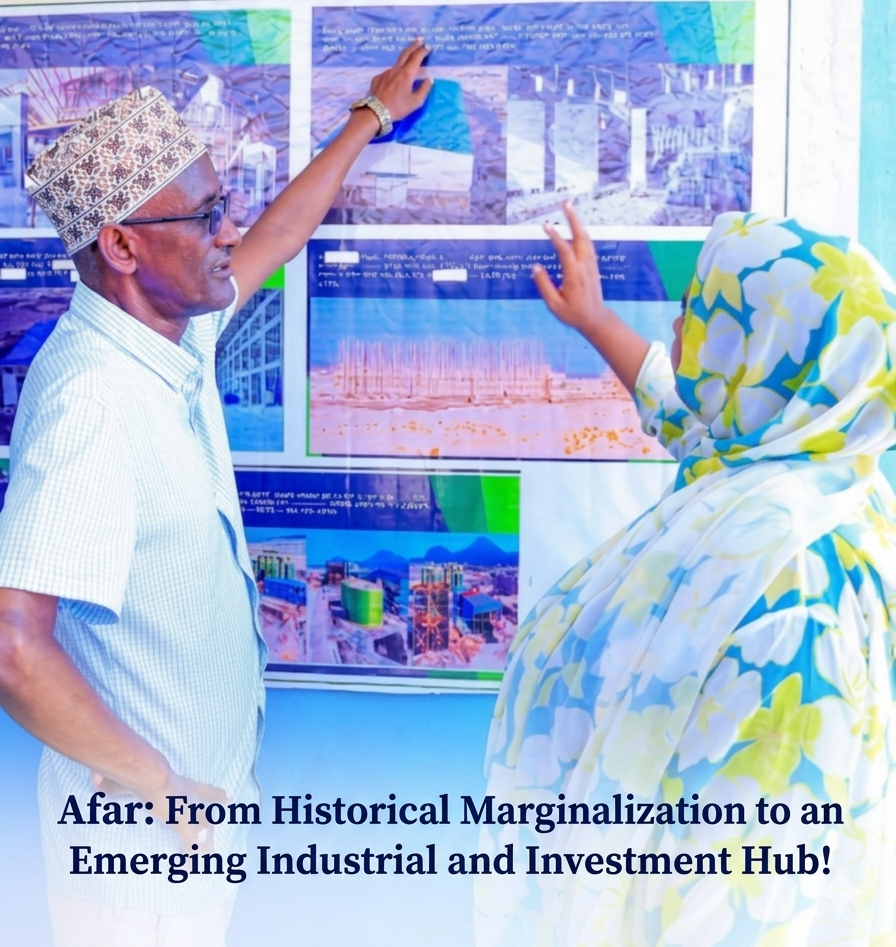
Addis Ababa, Ethiopia — May 29, 2026 | Horn News Hub
By Chekole Alemu
For decades, Ethiopia’s Afar Regional State occupied a paradoxical position within the country’s political and economic landscape. Strategically located along one of the Horn of Africa’s most critical trade corridors and adjacent to the Red Sea gateway, the region remained economically underdeveloped despite its geopolitical importance and vast natural resources. Today, however, Afar is increasingly being presented as one of Ethiopia’s emerging investment and manufacturing frontiers, reflecting broader shifts in national development policy and state economic priorities.
Known for its extreme climate, where temperatures can rise above 45 degrees Celsius, Afar has historically been associated with drought vulnerability, humanitarian dependency, and pastoralist livelihoods. Yet recent developments indicate an attempt to transform these long standing structural challenges into economic opportunities through industrialization, infrastructure expansion, and agricultural modernization.
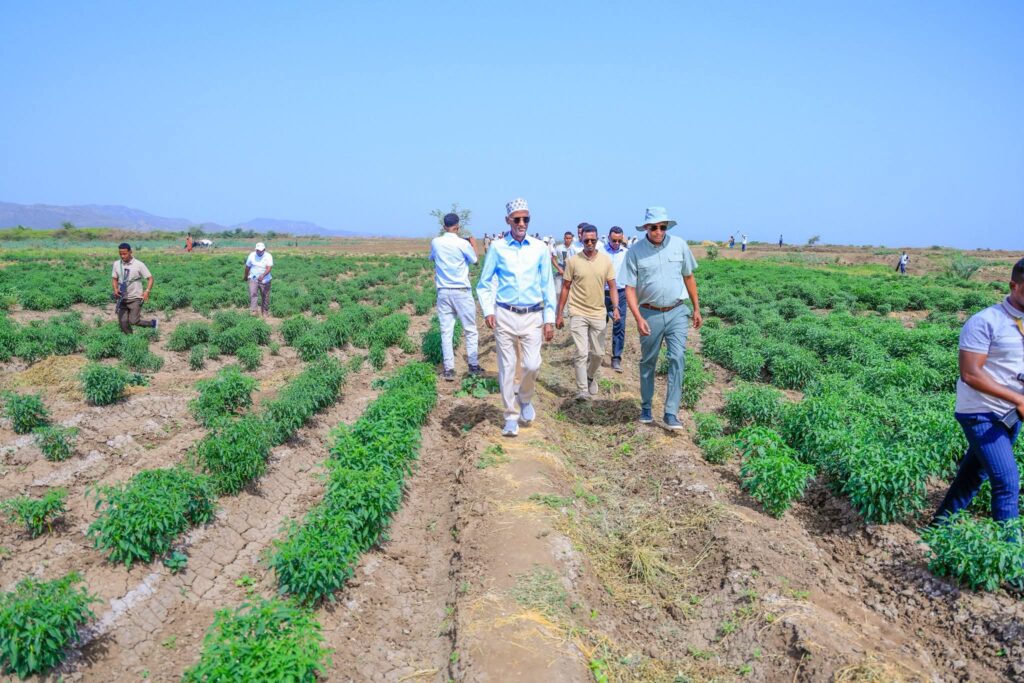
The transformation underway in Afar is not merely a question of increased economic activity. Rather, it represents a deeper structural transition from a predominantly pastoral and subsistence based regional economy toward a semi industrial economic model integrated into national and regional supply chains.
Breaking Historical Narratives of Exclusion
Under successive political administrations, particularly during the previous 27 years of centralized ethnic federal governance, Afar leaders and residents frequently argued that the region experienced political marginalization and uneven economic integration. Critics of previous policies contend that Afar was largely perceived through a humanitarian lens rather than as a productive economic zone capable of contributing to national industrial growth.
Narratives portraying the region primarily as a recipient of food aid and emergency assistance contributed to limited investment attention and underutilization of its economic potential. Despite possessing substantial mineral resources, vast land reserves, and a strategically significant geographic location connecting Ethiopia to regional trade routes, industrial development in Afar remained minimal for many years.
Recent policy shifts under Ethiopia’s current reform agenda appear aimed at reversing this trajectory. Regional authorities and federal officials increasingly frame Afar not as a peripheral territory requiring assistance, but as a future industrial and logistics corridor with regional economic significance.
One of the most notable indicators of this transition is the reported growth in manufacturing establishments across the region. Officials state that industries that once numbered only a handful have now expanded to more than 300 manufacturing enterprises. While independent verification of these figures remains limited, the trend itself points toward a significant policy driven expansion of industrial investment.
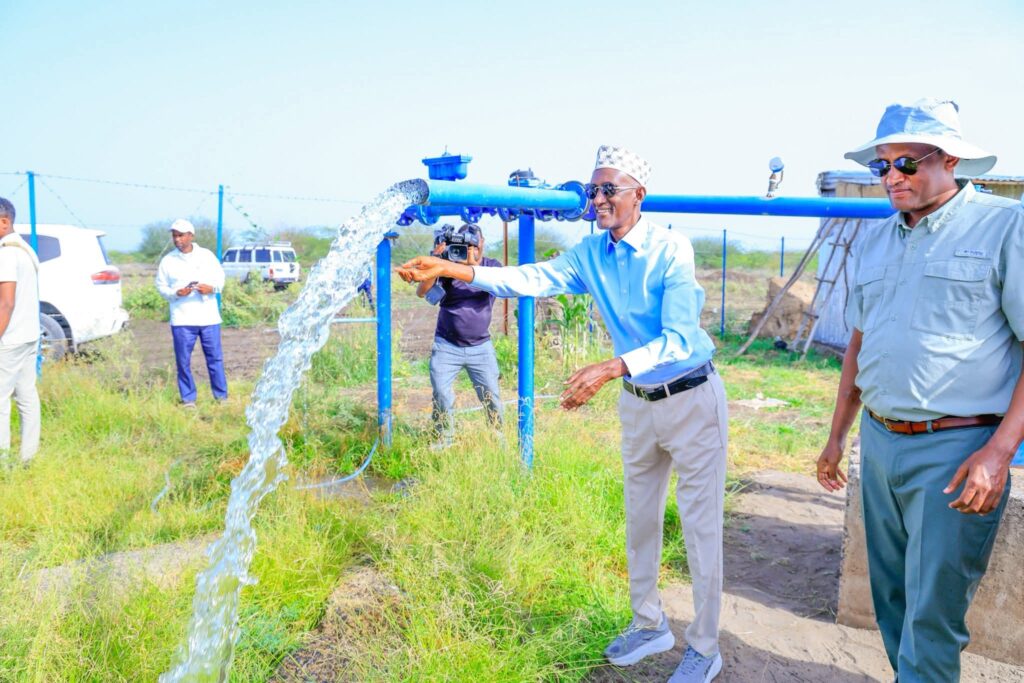
The diversification of agricultural production also illustrates changing economic dynamics. Crops previously considered unsuitable for Afar’s climatic conditions, including teff and bananas, are reportedly being cultivated in several areas through irrigation and climate adaptation initiatives. This development is viewed by policymakers as part of a broader strategy to strengthen agro industrial linkages and reduce regional economic vulnerability.
“Afar Manufacturing” and Ethiopia’s Industrialization Agenda
The national initiative branded as “Ethiopia Tamirt; Afar Tamirt” or “Ethiopia Manufactures; Afar Manufactures” reflects the federal government’s broader ambition to accelerate domestic production and reduce import dependency. The campaign, promoted under Prime Minister Abiy Ahmed, seeks to attract both domestic and foreign investors by repositioning Afar as a competitive industrial destination within East Africa.
Analysts view the initiative as part of Ethiopia’s larger economic transition strategy that emphasizes manufacturing, export oriented industrialization, and infrastructure led growth. Afar’s proximity to the Djibouti corridor, the Gulf region, and major transportation routes enhances its strategic relevance within this framework.
At the same time, the timing of the investment mobilization campaign intersected with Ethiopia’s Seventh National Election cycle, creating political sensitivities around public mobilization and state sponsored events. Following regulations issued by the National Election Board regarding pre election silence periods, authorities reportedly postponed aspects of the program until after the election process.
Observers interpret the decision as an attempt to maintain institutional neutrality and preserve the credibility of electoral procedures. The move also reflects the increasingly complex relationship between economic development campaigns and political governance in Ethiopia’s evolving federal system.
Leadership, Governance, and Investment Challenges
Regional leadership has emerged as another important factor shaping Afar’s recent economic momentum. Supporters of Afar Regional State President Awol Arba argue that his administration has accelerated implementation processes, reduced bureaucratic delays, and increased coordination between investors and government institutions.
In recent months, the role of Aysha Yasin has increasingly drawn attention within Ethiopia’s investment circles. As head of the Afar Region Industry and Investment Bureau, she has emerged as one of the central figures coordinating the region’s industrial expansion strategy and investor engagement framework.

During stakeholder consultations and investment forums, Aysha Yasin repeatedly emphasized that industrialization in Afar should not be viewed solely as an economic project, but as part of a broader effort to achieve long term regional resilience, employment creation, and economic self sufficiency. Analysts note that her bureau has focused heavily on reducing procedural delays, improving communication between investors and public institutions, and promoting Afar’s comparative advantages in manufacturing, logistics, mining, and agro processing. Supporters argue that this institutional coordination has helped improve investor confidence at a time when Ethiopia is attempting to reposition regional states as competitive industrial destinations within the Horn of Africa.
The Geopolitical and Economic Significance of Afar
Beyond domestic industrial policy, Afar’s transformation carries wider geopolitical implications for the Horn of Africa.
The region occupies a strategic position near the Red Sea basin, one of the world’s most important maritime trade zones. As Ethiopia continues seeking expanded regional economic integration and diversified trade access, Afar’s infrastructure development may become increasingly connected to broader regional logistics and energy networks.
Its location also positions the region as a potential gateway for future manufacturing exports, renewable energy projects, mining investments, and transport corridors linking Ethiopia to international markets.
However, analysts caution that industrialization alone does not automatically guarantee inclusive development. Questions remain regarding environmental sustainability, equitable resource distribution, local employment generation, and the integration of pastoralist communities into modern economic structures.
For Ethiopia, Afar’s transformation may ultimately serve as a broader test case for whether historically marginalized regions can transition into competitive industrial economies without reproducing older patterns of inequality and exclusion.
Conclusion
The ongoing transformation in Afar reflects more than a regional development project. It represents an evolving attempt to redefine the economic geography of Ethiopia itself.
From a region historically associated with climatic hardship and economic marginalization, Afar is increasingly being positioned as a strategic manufacturing and investment corridor with national and regional significance. The expansion of manufacturing activity, agricultural diversification, and infrastructure development suggests that the slogan “Afar Manufactures” is gradually moving beyond political rhetoric into tangible economic policy implementation.
Whether this momentum becomes sustainable will depend on governance quality, institutional credibility, infrastructure expansion, financial accessibility, and long term political stability. If these conditions are maintained, Afar could emerge not only as an industrial hub for Ethiopia but also as an important economic gateway for the wider Horn of Africa region.
From a broader political economy perspective, the Afar case demonstrates how state narratives can shift from dependency centered perceptions toward production centered development models. In doing so, it also reveals the growing importance of regional industrialization as a central pillar of Ethiopia’s future economic strategy.
Editor’s Disclaimer:
The views and opinions expressed in articles published by Horn News Hub are those of the authors and do not necessarily reflect the official position or editorial stance of Horn News Hub. Publication does not imply endorsement.