
Addis Ababa, Ethiopia — May 2026 | Horn News Hub
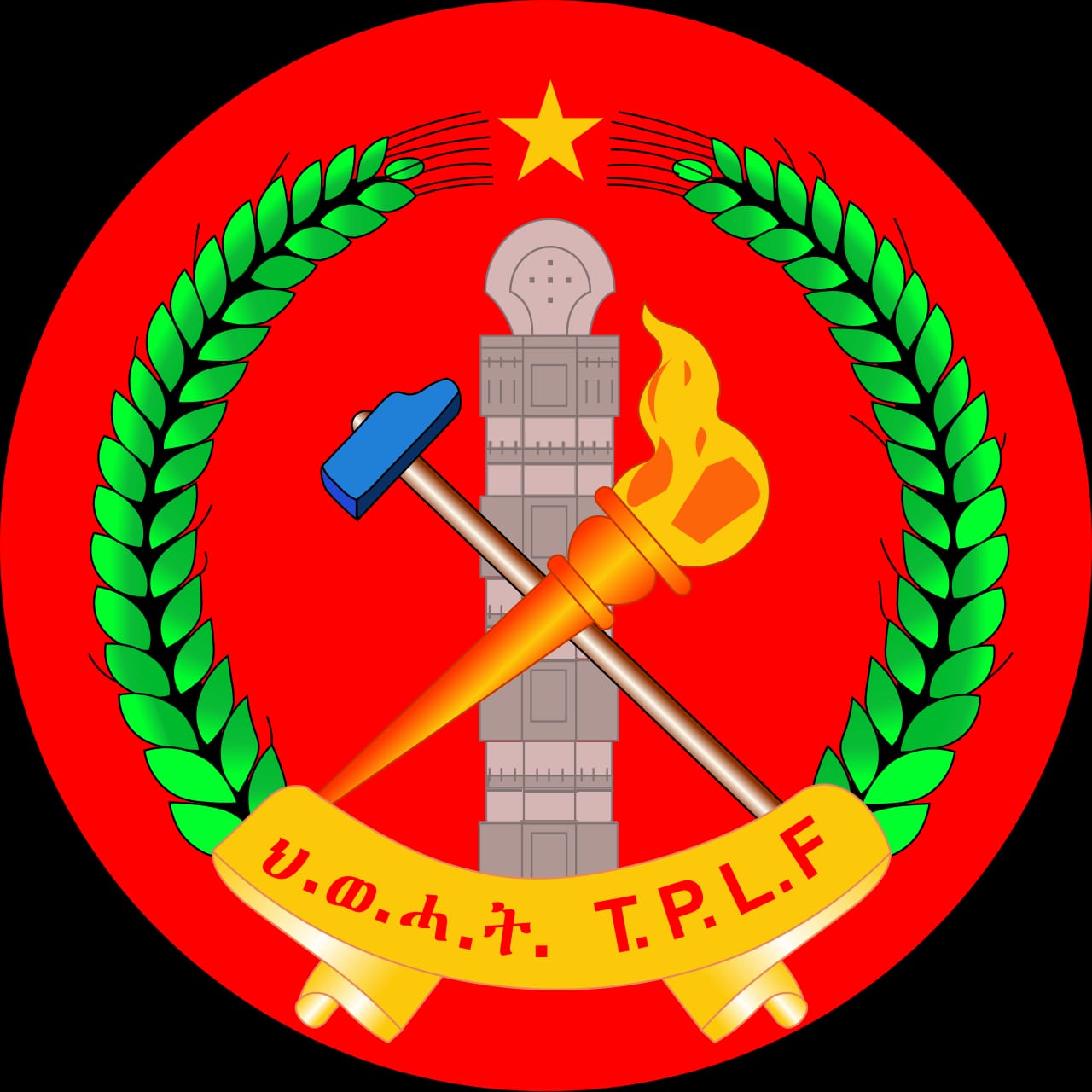
A Europe-based advocacy organization has issued a strongly worded statement accusing the Tigray People’s Liberation Front (TPLF) of carrying out widespread forced military recruitment across the Tigray region.
The statement, released by the Tigrayan Advocacy for Human Rights and Justice in Europe (TAHRJE), claims that organized recruitment campaigns known locally as “Giffa” are taking place in several urban and rural areas of Tigray. According to the organization, the operations involve the compulsory enlistment of young people and, in some cases, the detention of family members of those who resist recruitment.
The allegations emerge at a time when Tigray continues to face political uncertainty and security challenges following years of devastating conflict that left hundreds of thousands dead, displaced millions, and severely damaged the region’s institutions and economy.
Allegations of Forced Recruitment
TAHRJE alleges that recruitment operations are being conducted in towns including Shire, Axum, Adwa, Adigrat, and Edaga Hamus, as well as in rural communities. The organization claims that young men and women are being taken to military training centers without consent and that some minors may be among those affected.
The statement further alleges that relatives of individuals who evade recruitment have been detained as a means of pressure, describing the practice as collective punishment.
At the time of publication, the allegations had not been independently verified by international monitoring organizations, and no public response from TPLF authorities was immediately available regarding the specific claims outlined in the report.
Legal Implications
The advocacy group argues that the reported practices could constitute violations of international humanitarian law and international human rights law.
Under international legal standards, the recruitment of children under the age of 15 into armed forces or armed groups may constitute a war crime. International law also prohibits arbitrary detention and collective punishment of civilians.
Legal experts generally note that the determination of whether specific actions amount to war crimes or crimes against humanity requires extensive evidence gathering, independent investigation, and judicial review. Such assessments are typically conducted by international courts, fact-finding missions, or other recognized accountability mechanisms.
The statement references previous findings by international investigators who documented serious violations by multiple parties during the Tigray conflict, including unlawful killings, arbitrary detention, and other abuses.
Growing Frustration Within Tigrayan Society
Beyond its legal arguments, the statement reflects broader concerns among some segments of Tigrayan society regarding governance, security, and the future direction of the region.
The organization accuses the current TPLF leadership of prioritizing military objectives over civilian welfare and argues that renewed mobilization efforts risk further destabilizing a population already traumatized by years of war, displacement, and economic hardship.
The allegations also highlight growing debate among Tigrayans over how the region should address ongoing security threats while balancing the rights and freedoms of civilians.
Criticism of Religious and Civic Institutions
A notable aspect of the statement is its criticism of institutions that the organization believes have remained largely silent regarding the reported recruitment campaign.
TAHRJE specifically calls on religious leaders, civic organizations, and community institutions to publicly address the allegations and advocate for the protection of young people.
The statement argues that institutions with significant social influence have a moral responsibility to respond to reports affecting vulnerable communities, particularly children and families.
International Dimension
The organization has appealed to foreign governments, diplomatic missions, the United Nations, the African Union, the European Union, and international accountability bodies to closely monitor developments in Tigray.
Among its requests are calls for independent investigations, human rights monitoring, documentation of alleged abuses, and increased international attention to the region’s evolving security situation.
The statement also urges members of the Tigrayan diaspora to support documentation efforts and raise awareness about developments inside Tigray.
A Region Still Searching for Stability
The controversy highlights the fragile state of post-war Tigray. Despite the cessation of large-scale hostilities under the Pretoria Agreement, the region continues to face significant political, security, humanitarian, and governance challenges.
Questions surrounding security sector restructuring, the presence of armed actors, displaced populations, and political divisions remain unresolved. Any allegations involving forced recruitment or violations of civilian rights are therefore likely to attract significant attention from both domestic and international observers.
For many observers, the allegations serve as another reminder that achieving lasting peace in Tigray will require not only the absence of war but also strong institutions, accountability, and the protection of fundamental human rights.
Editor’s Disclaimer:
The views and opinions expressed in articles published by Horn News Hub are those of the authors and do not necessarily reflect the official position or editorial stance of Horn News Hub. Publication does not imply endorsement.