
Addis Ababa, Ethiopia — June 10, 2026 | Horn News Hub
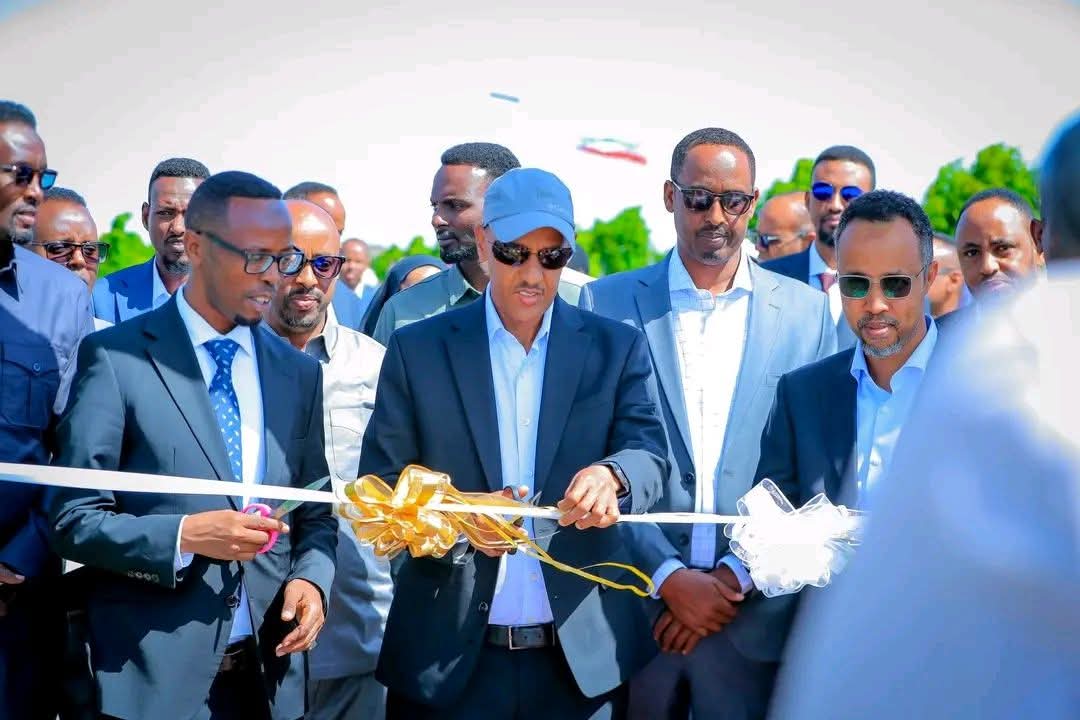
The Somali Regional State has inaugurated two major public institutions in Awbarre District of Faafan Zone, marking another step in its ongoing infrastructure expansion drive across education, health, and basic services.
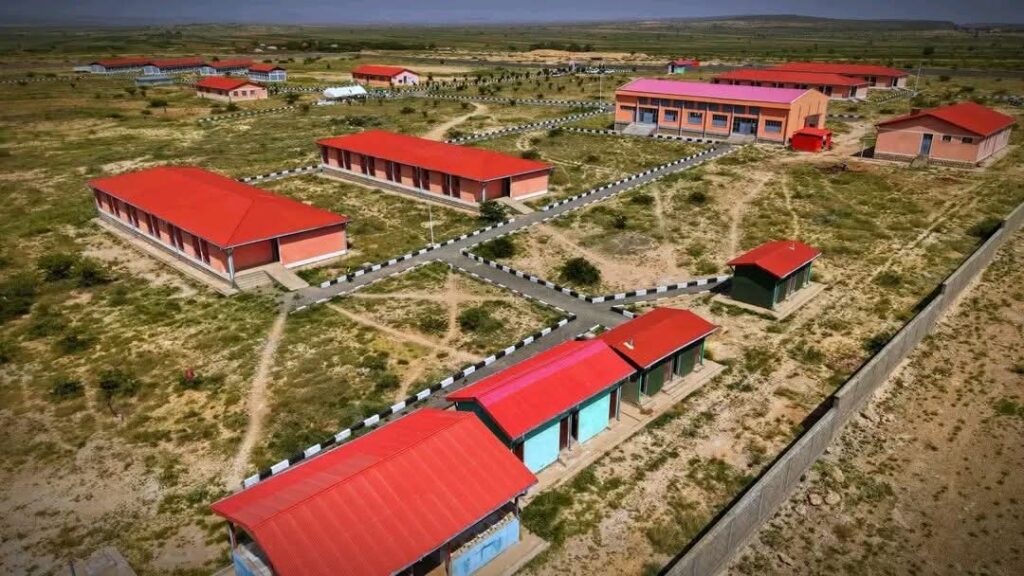
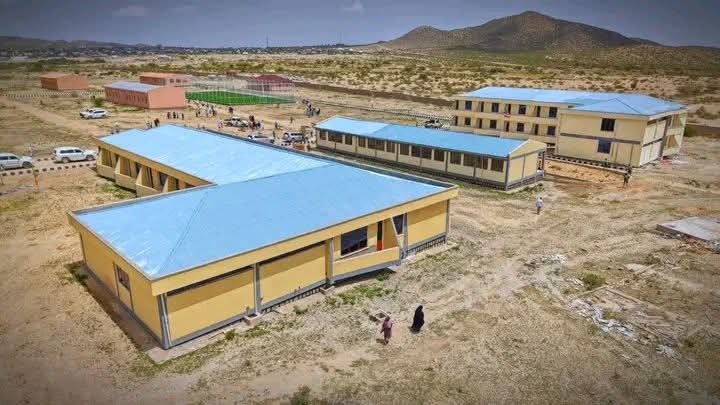
The newly inaugurated projects include the Awbarre Technical and Vocational Training College, constructed at a reported cost of 218 million Birr, and the Sheed-dheer Boarding School, built with an investment of 138 million Birr. According to regional communication, the boarding school is already operational, while the TVET college is expected to begin admitting students at the start of the next fiscal year in September 2026.
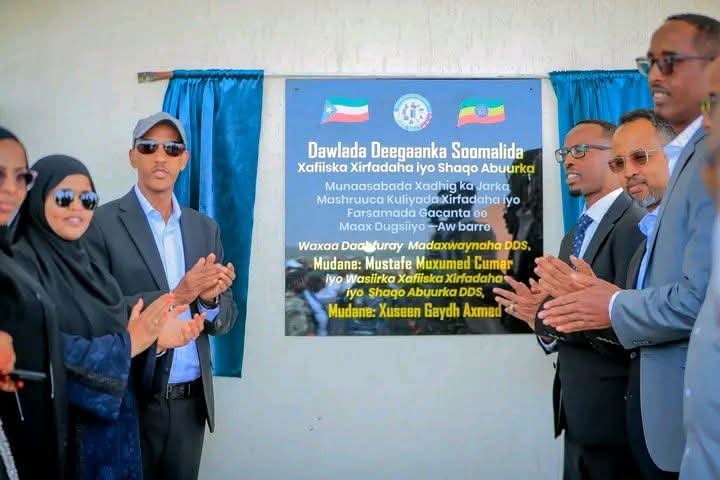
Sheed-dheer Boarding School is part of a wider post 2018 reform education strategy in the region. Officials say it is one of 11 boarding schools built since the political transition, bringing the total number of such institutions in the Somali Region to 18. The stated aim is to expand access to education in remote and underserved areas while improving overall learning outcomes.
Alongside the inaugurations, regional leadership also inspected three ongoing development projects in Awbarre District. These include the Awbarre water supply project, the Sheed-dheer water supply project, and the Awbarre primary hospital. Combined, the projects are valued at approximately 1.2 billion Birr and are expected to be completed within six months, according to official timelines.
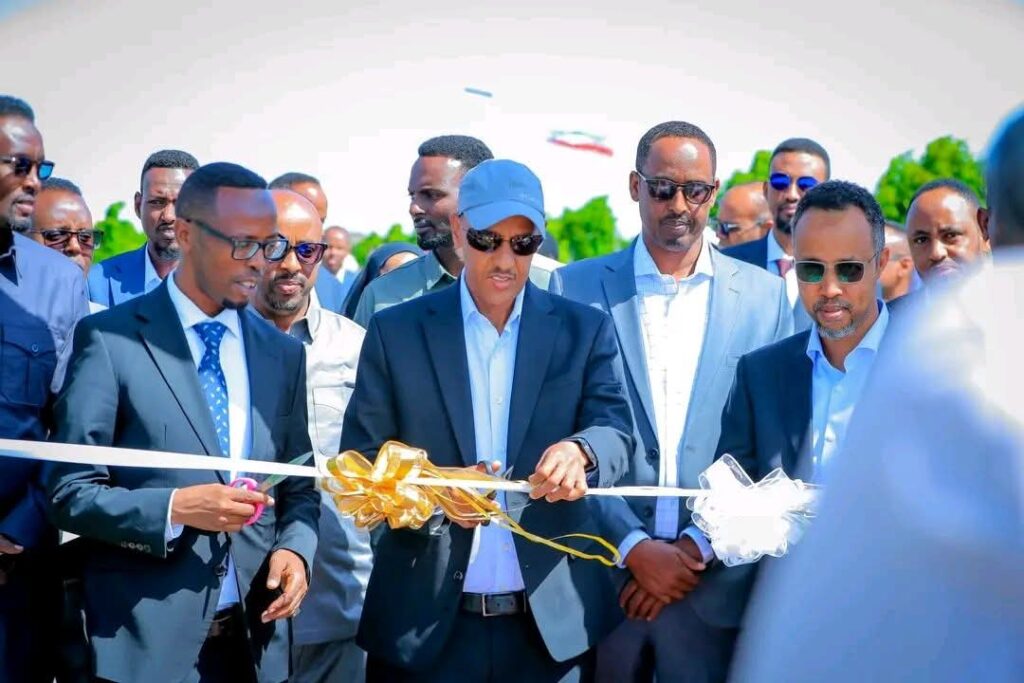
The information on the projects was shared through the verified X account of Somali Regional State President Mustafe Mohammed Omer. The post highlights ongoing investments in infrastructure and social services as part of the regional administration’s development agenda, reflecting continued emphasis on expanding access to education, health care, and basic utilities across Awbarre District and other parts of the region.
The latest developments reflect a broader pattern of infrastructure expansion in the Somali Region under the administration of President Mustafe Mohammed Omer, who assumed office following the 2018 political reforms. Over the past several years, the regional government has prioritized investments in education, healthcare facilities, water access, and road infrastructure as part of its post-conflict recovery and development agenda.
Observers of regional governance note that these projects are also tied to efforts to strengthen institutional capacity and improve service delivery in historically underserved areas. In parallel, the administration has focused on improving domestic revenue generation through tax system reforms and administrative restructuring, aimed at increasing internal income to support public investment.
Security conditions, which have historically affected parts of the region, have also shown relative improvement in recent years, according to regional and federal assessments. This stability has been a key factor enabling the rollout of large-scale infrastructure projects and expanded service delivery programs.
Overall, the Awbarre projects add to a growing portfolio of infrastructure investments across the Somali Region, reflecting a continued focus on education expansion, improved healthcare access, and strengthened local economic capacity.
Editor’s Disclaimer:
The views and opinions expressed in articles published by Horn News Hub are those of the authors and do not necessarily reflect the official position or editorial stance of Horn News Hub. Publication does not imply endorsement.