
Ethiopia marks Day of Renewal as the nation looks back on a year of defining milestones and ahead to greater ambitions
Addis Ababa, September 7, 2026 (HNH) — #Ethiopia is marking Pagume 2, the Day of Renewal, as the country brings the outgoing 2018 Ethiopian calendar year to a close, reflecting on a year of major national achievements, landmark projects and expanding opportunities while renewing its momentum and ambitions for the year ahead.
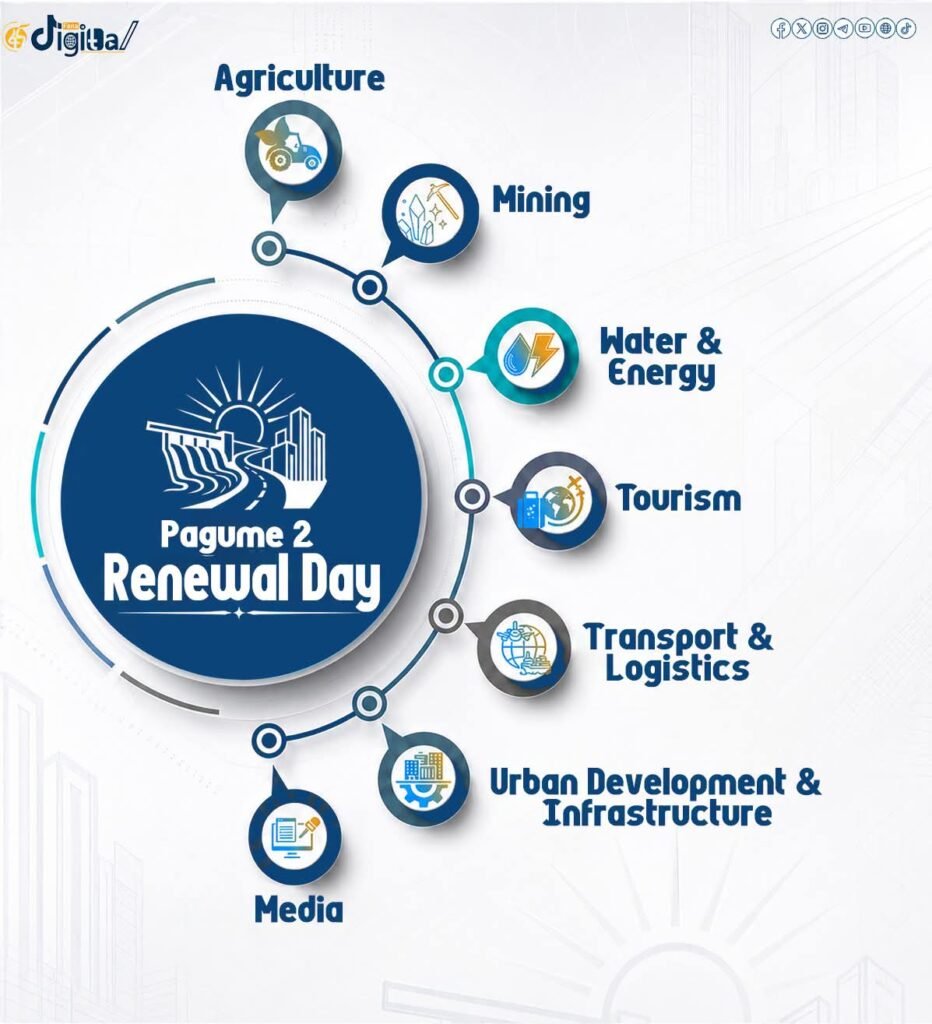
Observed under the overarching theme “Ethiopia’s Renewal,” the Day of Renewal provides a moment to look back at the transformation recorded over the past year, recognize the foundations laid through national development efforts and turn attention toward the priorities and opportunities of the new Ethiopian calendar year.
The observance comes after a year in which Ethiopia completed some of its most consequential national undertakings, launched major new projects and accelerated the implementation of initiatives expected to shape the country’s economic, infrastructure, energy, tourism and technological landscape for years to come.
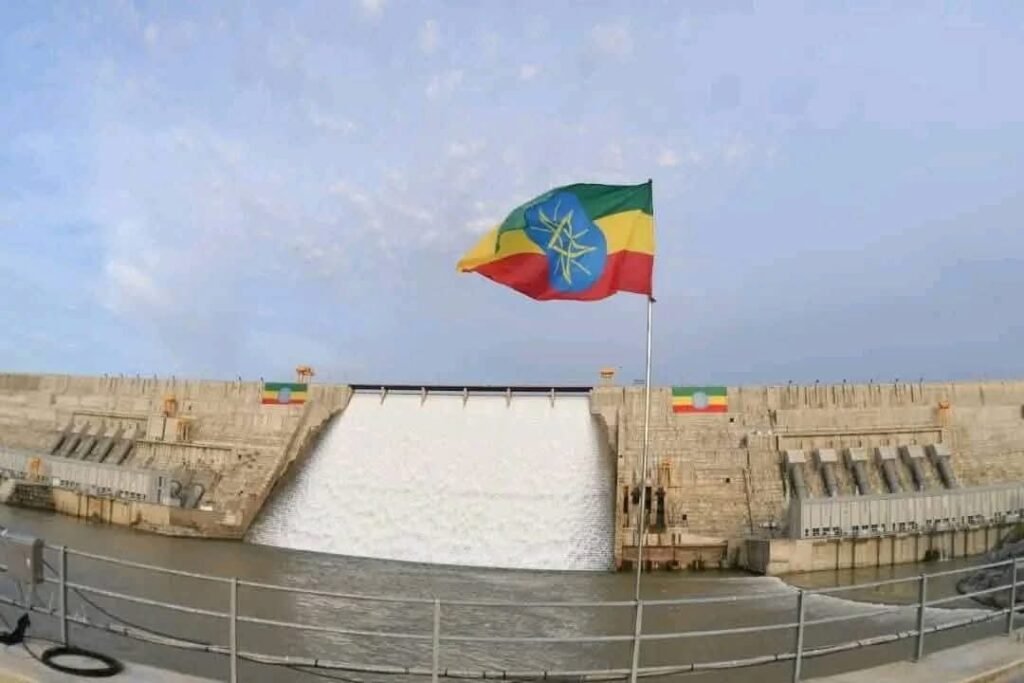
Among the defining milestones was the completion and inauguration of the Grand Ethiopian Renaissance Dam (GERD), marking the culmination of one of Ethiopia’s most significant infrastructure undertakings and adding a major new dimension to the country’s energy development ambitions.
The year also saw Ethiopia move into a new phase of large-scale infrastructure development with the launch of construction of the Bishoftu International Airport in January.

The project has since advanced rapidly, with large-scale construction operations continuing at the site. Designed as a major future aviation hub, the airport is planned to handle up to 110 million passengers annually at full master-plan capacity.
Beyond physical infrastructure, Ethiopia also advanced into new strategic areas of national capability.
The establishment and institutional development of the Ethiopian Nuclear Energy Commission marked a new chapter in the country’s pursuit of peaceful nuclear science and technology, including the development of the national framework required for future nuclear energy applications.
On the international stage, Ethiopia secured another major milestone by being selected to host the 32nd United Nations Climate Change Conference (COP32) in Addis Ababa in 2027.
The outgoing year also witnessed major industrial and energy projects taking shape in the Somali Regional State.
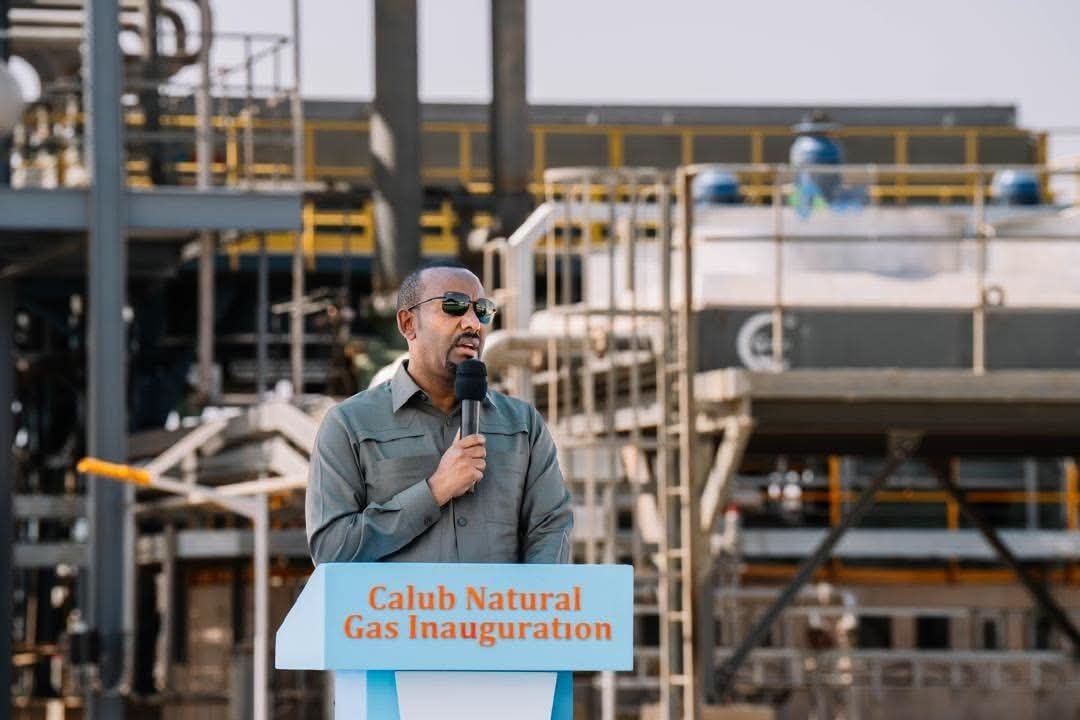
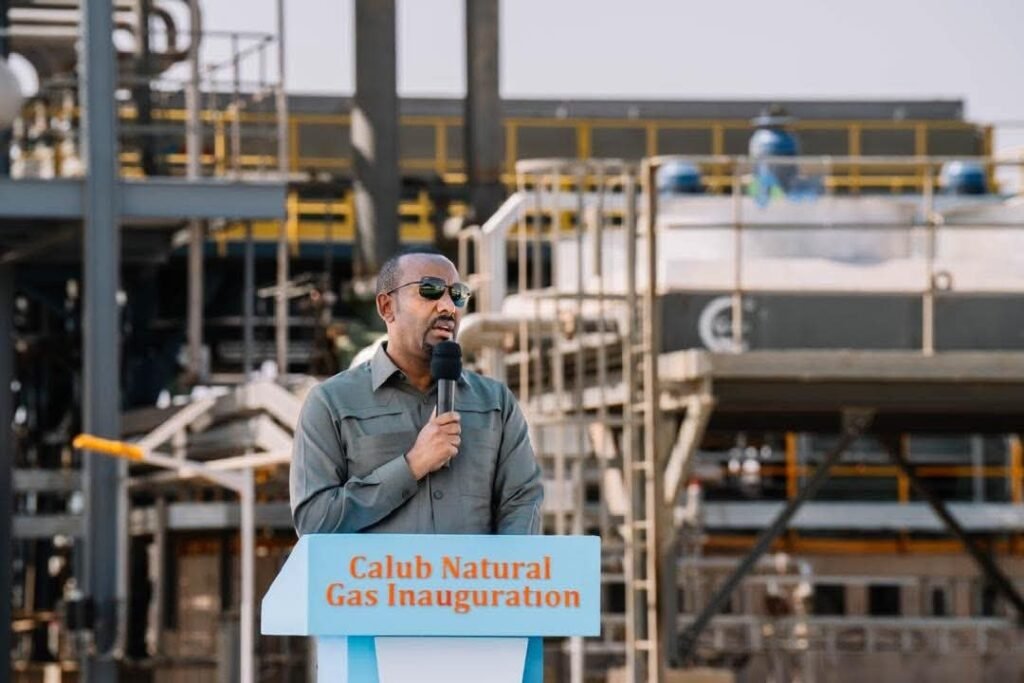
In October 2025, Ethiopia inaugurated the first phase of the Ogaden Liquefied Natural Gas (LNG) Project in Calub, while launching its second phase.
The first phase has an annual production capacity of 111 million liters, while the second phase is planned to add 1.33 billion liters annually and is linked to energy-generation capacity of up to 1,000 megawatts.
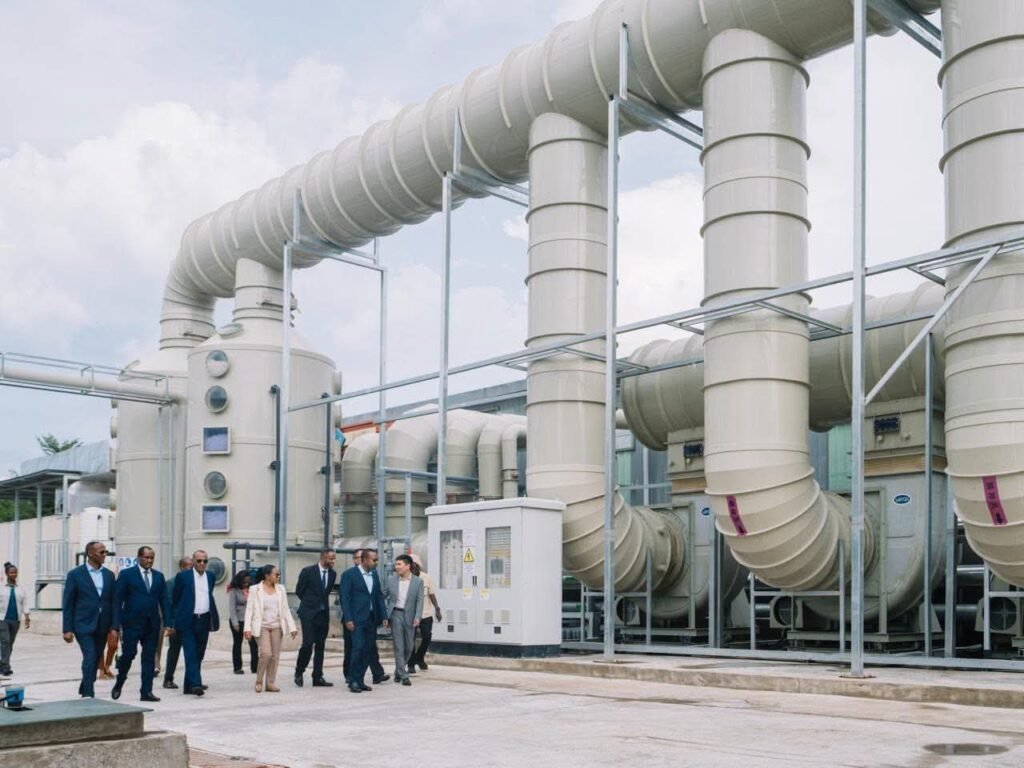
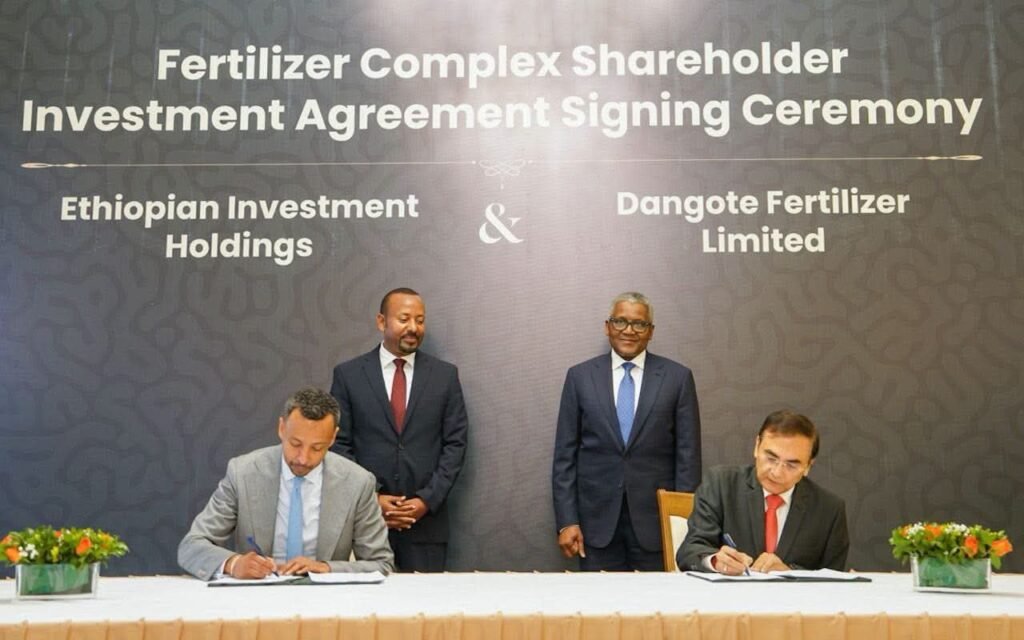
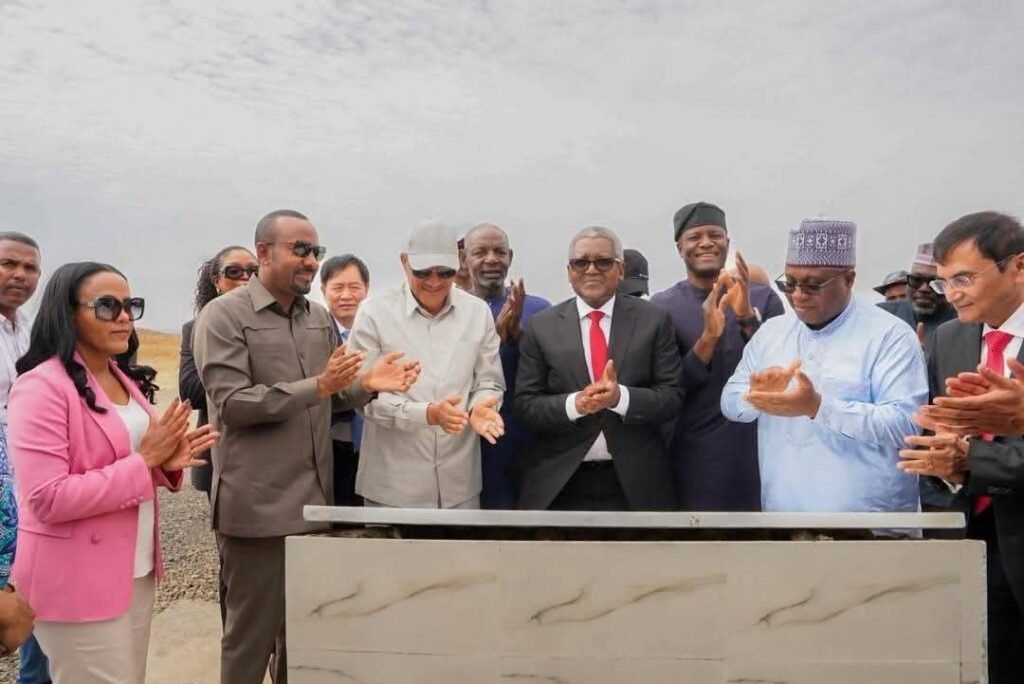
Separately, Ethiopia launched the Gode Oil Refinery, designed to process crude oil and condensate from the Hilala oil field, alongside the Dangote Gode Urea Fertilizer Project, planned to produce three million tons of urea annually.
Together with associated infrastructure and the Ogaden energy projects, the undertakings formed part of a major investment drive in the Somali Region aimed at expanding energy, industrial and agricultural production capacity.
The year also brought visible advances in tourism and heritage development, with Ethiopia continuing to open new destinations and upgrade existing ones under national tourism initiatives.
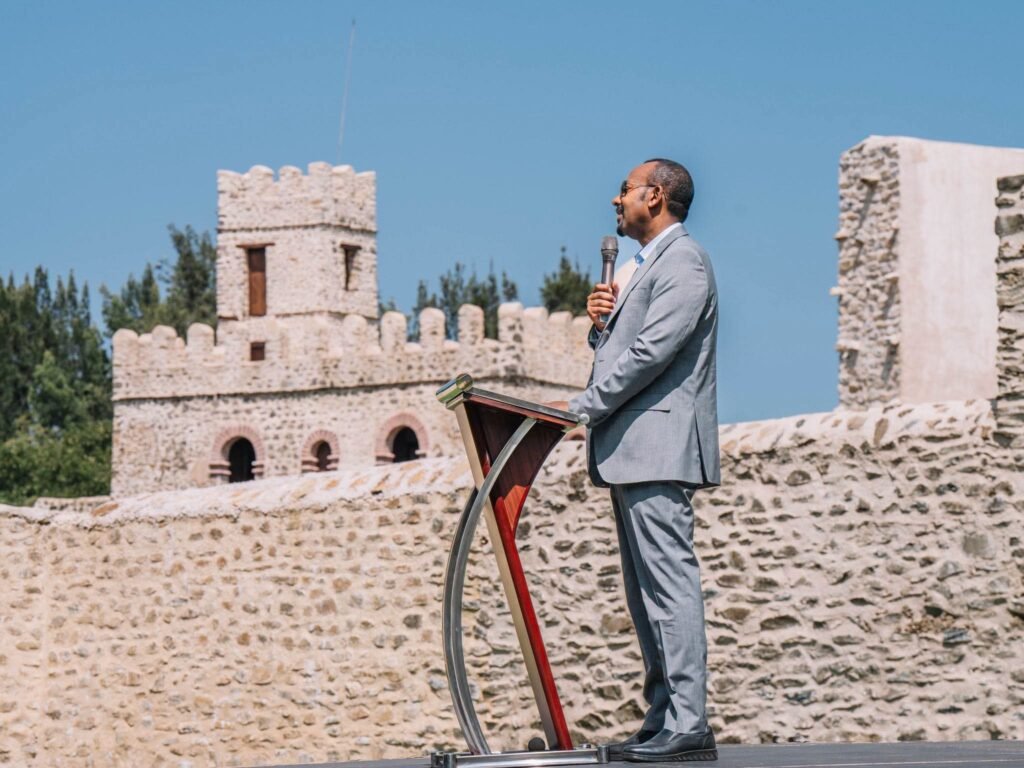
The completion and inauguration of the renovated Fasil Ghebbi in Gondar, including the historic Fasilides Palace and associated heritage structures, represented a major step in restoring one of Ethiopia’s most important cultural landmarks and strengthening its tourism appeal.
Tourism development also expanded beyond established destinations.
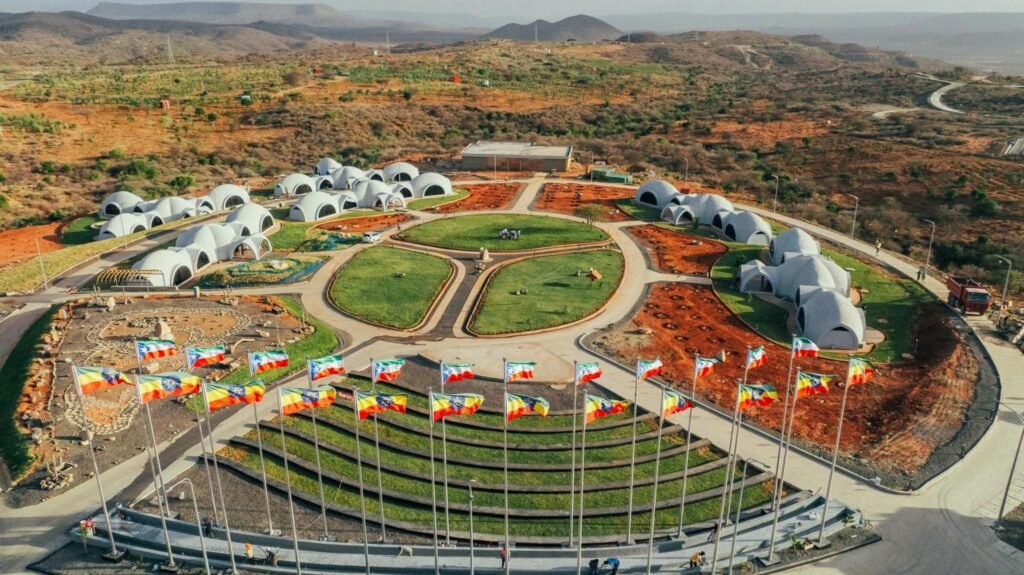
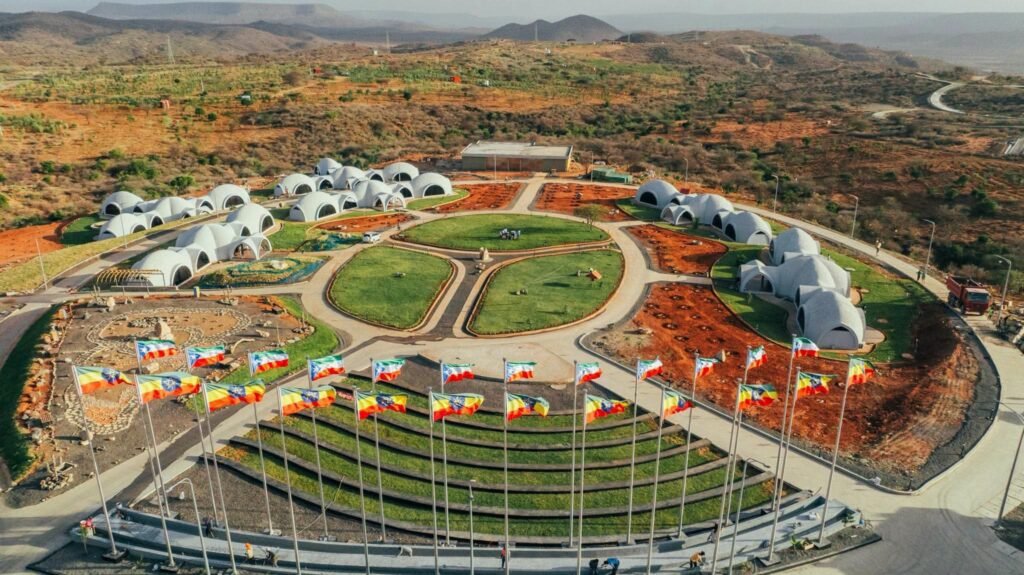
In the Somali Region, the completion and inauguration of the first phase of the Shabeely Resort in Jigjiga added a major new destination to the country’s tourism landscape, combining resort development with elements of Somali cultural architecture and the region’s natural environment.
Across the country, destination development, urban renewal, corridor projects, improved connectivity and heritage restoration have increasingly been brought together as part of a broader effort to make Ethiopia’s tourism assets more accessible, attractive and economically productive.
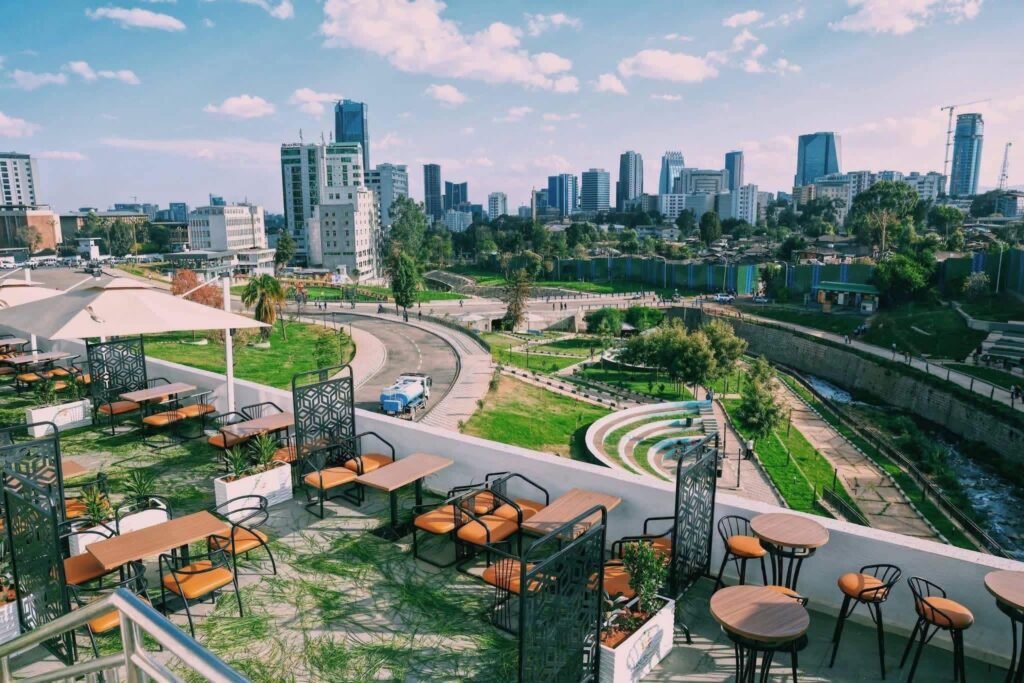
The sector has recorded rising international visitor numbers amid the expansion of new destinations and tourism infrastructure.
The outgoing year was similarly marked by continued expansion in agriculture, manufacturing, mining, renewable energy and the digital economy.
Irrigated wheat production continued to strengthen Ethiopia’s productive capacity, while initiatives under Bounty of the Basket (YeLemat Trufat), industrial expansion and mineral-resource development contributed to the broader effort to diversify the economy and increase domestic production.
The digital transformation also gathered further momentum, with expanded telecommunications infrastructure, digital financial services, e-commerce, digital government services and technology platforms strengthening the foundations of a more connected economy.
Taken together, these developments give the Day of Renewal a meaning that extends beyond the symbolic closing of the Ethiopian calendar year.
It is a moment to assess what has been built, what has changed and what remains to be done—and to carry the lessons and achievements of the outgoing year into the next phase of national development.
The observance therefore looks not only at completed projects, but also at major undertakings now moving from plans into implementation.
The GERD has entered its operational era; Bishoftu International Airport is advancing through large-scale construction; major energy, fertilizer and refinery projects are taking shape; nuclear-energy institutions are being developed; tourism destinations and historic sites are being renewed; and Ethiopia is preparing to host one of the world’s most important climate conferences.
In this sense, the Day of Renewal connects the achievements of the year coming to an end with the ambitions of the year ahead.
It places renewed emphasis on productivity, innovation, technology, infrastructure, investment, tourism, energy, human capital and economic expansion, while seeking to translate the country’s growing development assets into broader and more sustainable improvements in the lives of citizens.
It also sets the stage for the remaining days of Pagume: Pagume 3, the Day of Resilience; Pagume 4, the Day of Unity; and Pagume 5, the Day of Tomorrow—a sequence intended to carry Ethiopia from reflection on the past year toward a renewed outlook for the future.
As the Ethiopian calendar turns toward 2019 E.C., the Day of Renewal thus serves as both a year-end reflection and a forward-looking moment: a pause to take stock of a year of completed milestones, launched projects and accelerating transformations, and an invitation to carry that momentum into the country’s next chapter.