
Addia Ababa, June 18, 2026 — The United States has announced new visa restrictions targeting individuals it says are involved in efforts that threaten peace and stability in Ethiopia’s Tigray region.
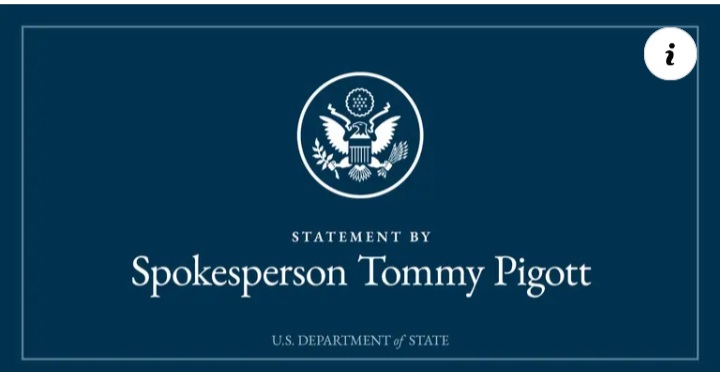
In a statement released on Thursday, U.S. Secretary of State Marco Rubio said the measures would apply to hardline members of the Tigray People’s Liberation Front (TPLF) and their immediate family members. The action is being taken under Section 212(a)(3)(C) of the U.S. Immigration and Nationality Act, which allows visa restrictions on foreign nationals whose activities are considered detrimental to U.S. foreign policy interests.
According to the U.S. government, the restrictions are aimed at individuals deemed responsible for or complicit in actions that undermine efforts to resolve the ongoing political and security crisis in northern Ethiopia.
The announcement comes amid growing tensions between factions within the TPLF and the Ethiopian federal government. U.S. officials expressed concern that recent clashes between the Tigray Security Forces (TSF) and the Ethiopian National Defense Forces (ENDF) could jeopardize the fragile peace established after the 2020 to 2022 conflict.
The war, one of Africa’s deadliest recent conflicts, resulted in an estimated 600,000 deaths and displaced millions of people. International organizations have warned that renewed hostilities could trigger another humanitarian crisis in the region.
U.S. officials noted that hundreds of thousands of civilians have already fled their homes amid fears that fighting could resume.
“The United States will continue to stand with the Ethiopian people, including the people of Tigray, who want to live in peace and dignity,” the State Department said. It added that Washington would continue to use available diplomatic tools to promote accountability for individuals viewed as threatening peace and stability in the region.
Ethiopian government officials and representatives of the TPLF have not yet publicly responded to the latest U.S. measures.
The situation remains closely watched by regional and international observers concerned about the potential impact of renewed conflict on the Horn of Africa.