
By Chekole Alemu
Addis Ababa, Ethiopia — May 11, 2026 | Horn News Hub
On Mother’s Day, millions of women across the world are celebrated for raising five, ten, or even a dozen children with love, sacrifice, and resilience. But in Ethiopia, one woman’s motherhood has extended far beyond biology and family.
You are witnessing the story of a woman who became a mother to millions.
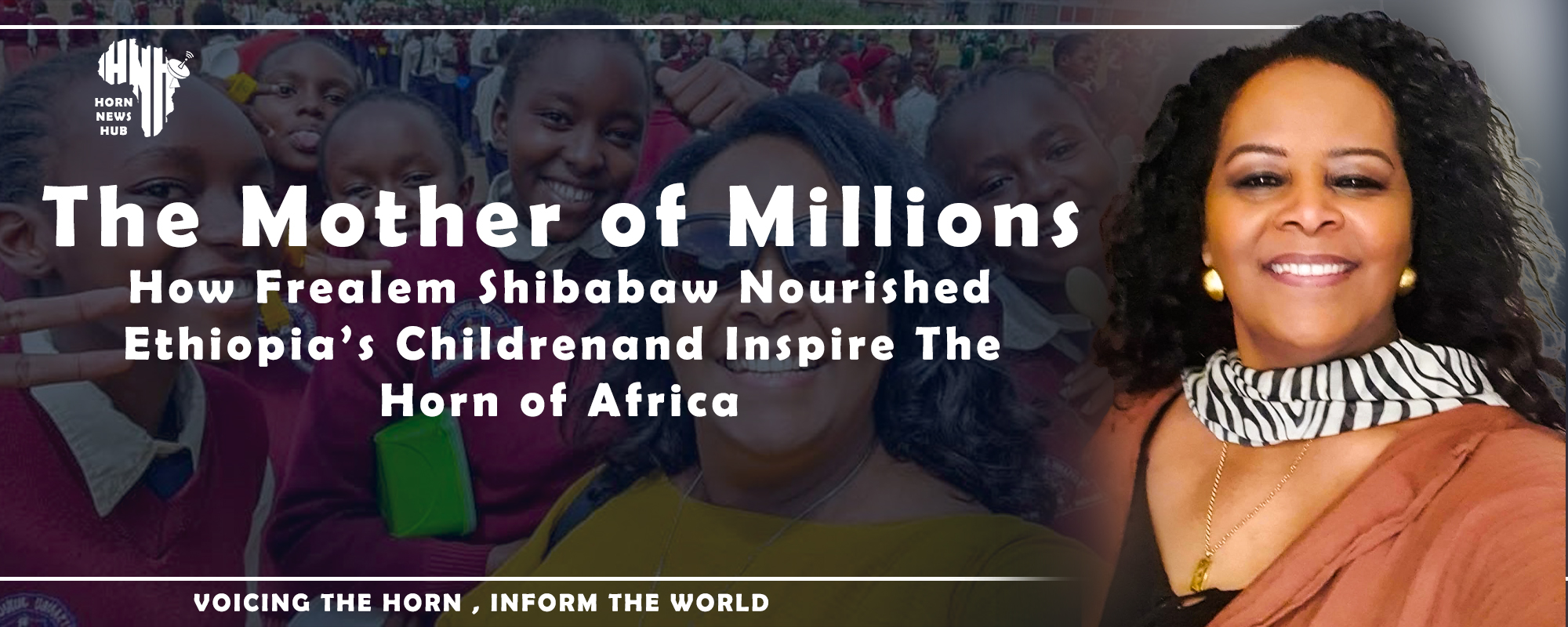
For nearly two decades, Frealem Shibabaw has dedicated her life to feeding hungry schoolchildren, protecting their dignity, and defending their future. From the drought-stricken lands of Sekota to national policy halls and regional platforms across the Horn of Africa, her mission has remained remarkably simple: no child should try to learn while hungry.
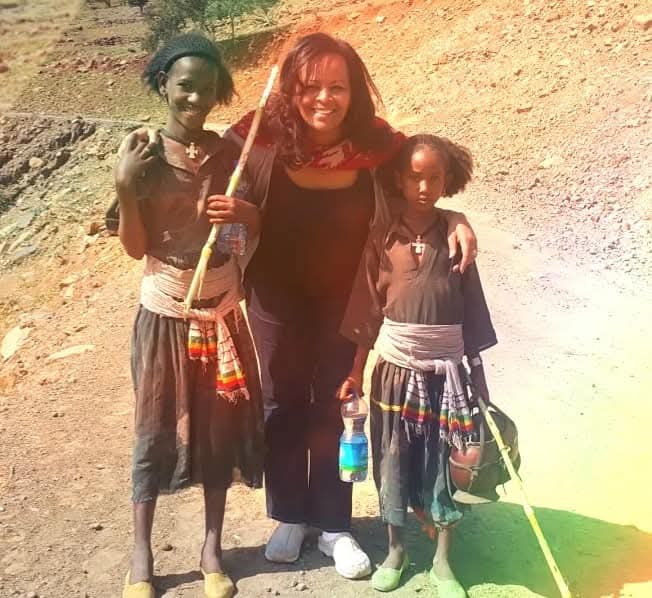
Today, many in Wag Hemra and beyond affectionately call her “Enatalem” — Mother of the World. It is a title earned not through politics or ceremony, but through years of service to children who once fainted in classrooms because they had nothing to eat.
A Vision Born from Hunger
Long before school feeding became part of Ethiopia’s national conversation, you could already find Frealem working quietly inside struggling communities.
More than 18 years ago, she launched the Ethiopian School Meal Initiative (ESMI), beginning with small but transformative milk programs in schools around Sekota and neighboring districts. Her model was practical and sustainable. Instead of relying entirely on external aid, she promoted the establishment of dairy farms near schools so children could receive fresh milk daily while communities created local economic systems around nutrition.
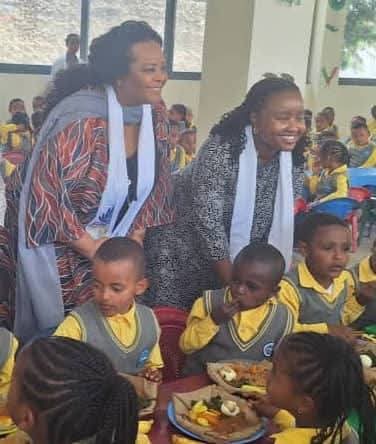
At the center of the initiative was one painful reality she could not ignore: children were collapsing in classrooms from hunger.
For Frealem, this was never simply a humanitarian issue. It was a national development crisis. A hungry child cannot concentrate. A malnourished child struggles to remain in school. Poor nutrition fuels absenteeism, weakens academic performance, and pushes children toward early dropout.
She understood something many policymakers ignored for years: the future of a nation is shaped inside classrooms, but classrooms cannot function when students are starving.
Education Rooted in Social Transformation
Frealem’s activism was strengthened by academic discipline and development theory.
She earned a Bachelor’s degree in Human and Social Studies and later completed an Honors degree in Development Studies at University of South Africa. Her educational background helped her bridge grassroots realities with policy advocacy.
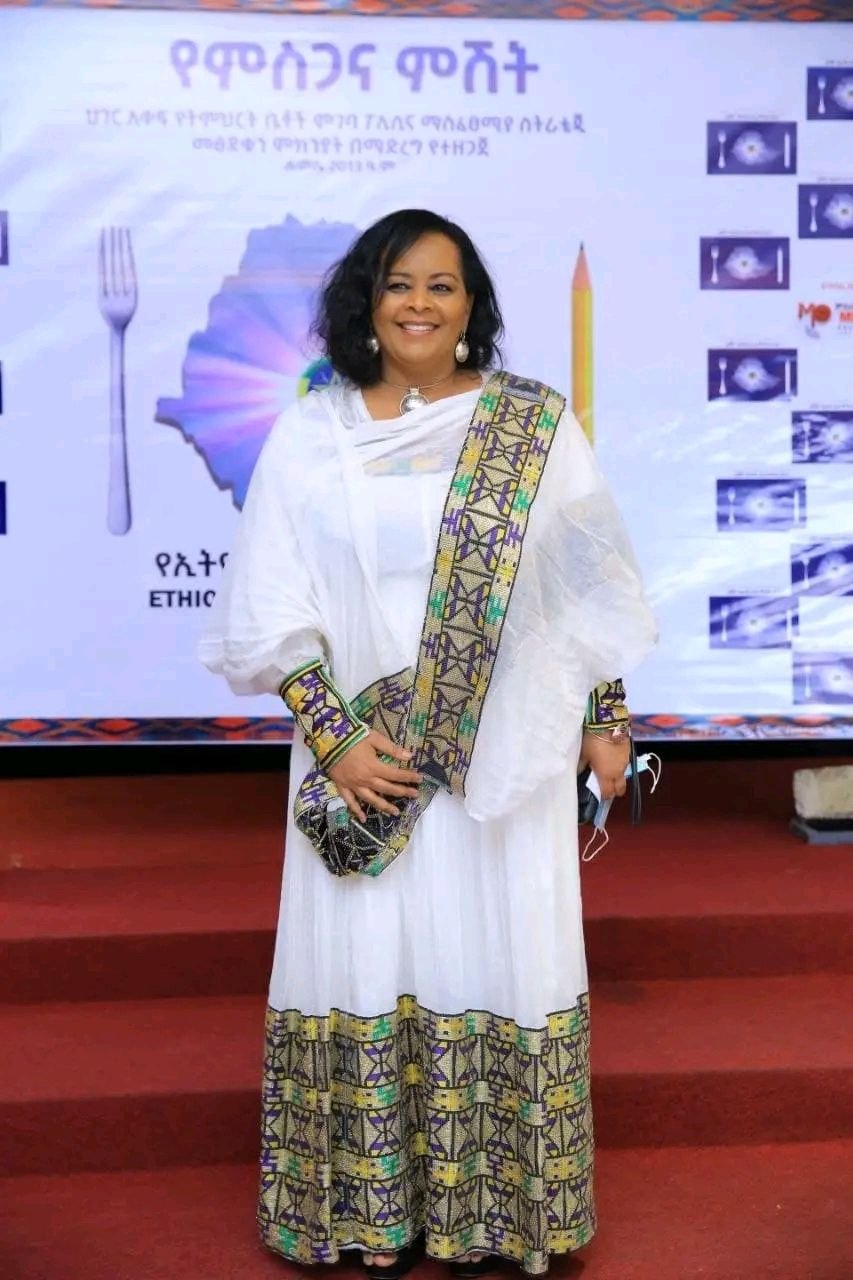
Rather than approaching school feeding as charity, she framed it as a long-term investment in human capital, public health, and national stability.
That perspective would eventually reshape conversations at the highest levels of government.
From Community Initiative to National Policy
For years, Frealem’s efforts received limited institutional backing. The initiative survived largely through persistence, local engagement, and her personal determination.
But the landscape began to shift under the administration of Prime Minister Abiy Ahmed, whose government increasingly emphasized nutrition, social protection, and human development programs.
The turning point came when Ethiopia elevated school feeding onto the national stage during international food and nutrition discussions, including commitments linked to the UN Food Summit.
What began as a localized project in Sekota evolved into one of Ethiopia’s most important social protection strategies.
Today, school meal programs are increasingly recognized not merely as welfare programs, but as pillars of educational performance, child development, and national resilience.
Building a Nation in the First Thousand Days
Frealem later distilled her philosophy into her book, Building a Nation in a Thousand Days.
The title refers to the critical first thousand days of a child’s development, a period widely recognized by health and nutrition experts as decisive for brain growth, learning capacity, and lifelong health outcomes.
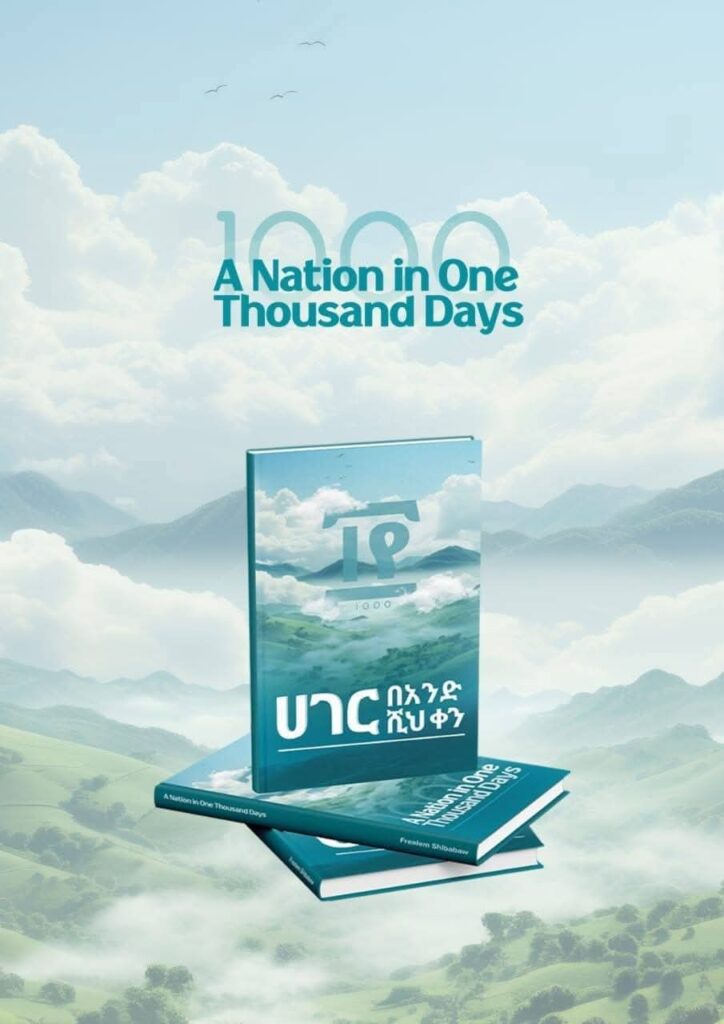
The book combines scientific understanding with field experience, offering policymakers and development actors a practical framework for building stronger societies through early childhood investment.
Already available in Amharic, Tigrinya, and Afaan Oromo, the work reflects her ambition to make nutrition policy accessible across linguistic and regional divides.
A Regional Influence Beyond Ethiopia
Frealem’s influence now extends beyond Ethiopia’s borders.
Her advocacy around school feeding and childhood nutrition has contributed to broader conversations within the Intergovernmental Authority on Development region, where governments increasingly recognize nutrition as a foundation for peace, educational stability, and economic productivity.
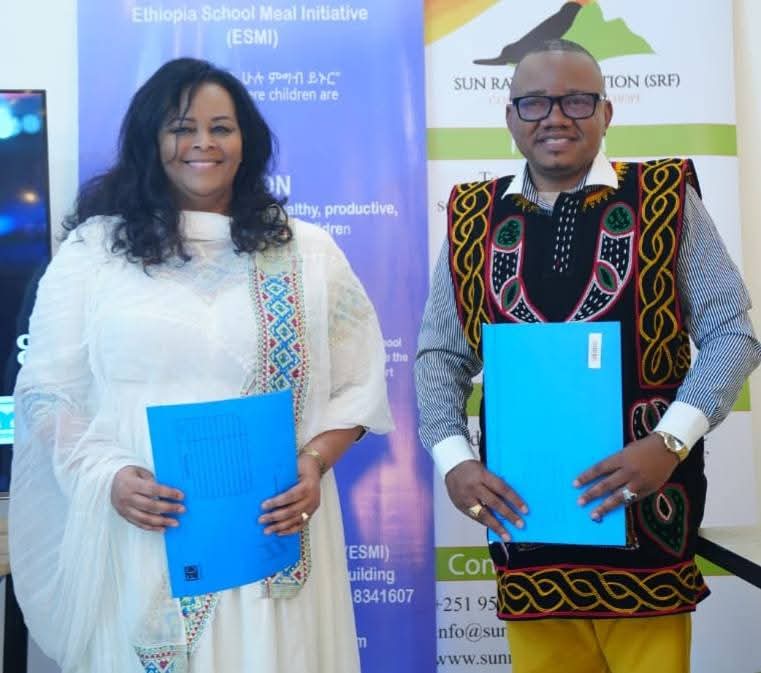
Countries including Kenya and South Sudan have shown growing interest in integrating similar approaches into their own educational and child welfare systems.
In a region often defined internationally by conflict, drought, and displacement, Frealem’s work presents a different narrative: one centered on human development and generational resilience.
Unfinished Work and Enduring Commitment
Despite years of achievement, Frealem does not speak as someone satisfied with the work already done.
Some initiatives in parts of Tigray faced setbacks during periods of political instability and administrative paralysis. Yet her commitment to children in Tigray and other underserved regions has remained unchanged.
Her long-term vision continues to focus on rebuilding nutrition systems, expanding school feeding infrastructure, and ensuring that children affected by poverty and conflict are not abandoned.
The Legacy of a Generation Builder
Frealem Shibabaw is known publicly as the founder of ESMI, the former president of the Amhara Region Association of Women Entrepreneurs, and the founder of Bahir Dar Academy. But those titles alone fail to capture the scale of her contribution.
Her real legacy is generational.
While many celebrate motherhood within the walls of a single household, Frealem transformed motherhood into a national mission. She became a protector of children she never gave birth to, yet fought for as if they were her own.
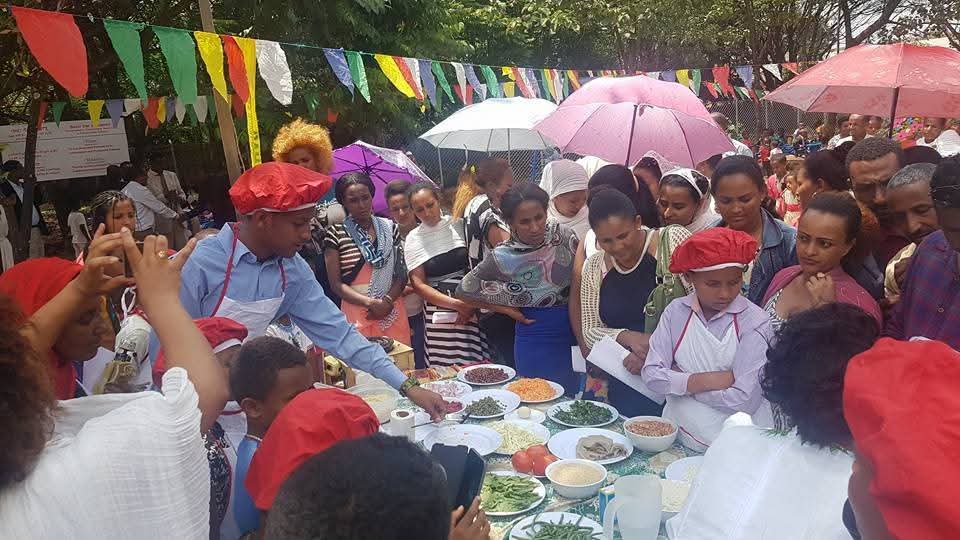
This Mother’s Day, Ethiopia is not simply honoring a successful entrepreneur or activist.
It is honoring a woman who helped feed a generation and in doing so, helped nourish the future of a nation and the wider Horn of Africa.
Editor’s Disclaimer:
The views and opinions expressed in articles published by Horn News Hub are those of the authors and do not necessarily reflect the official position or editorial stance of Horn News Hub. Publication does not imply endorsement.