

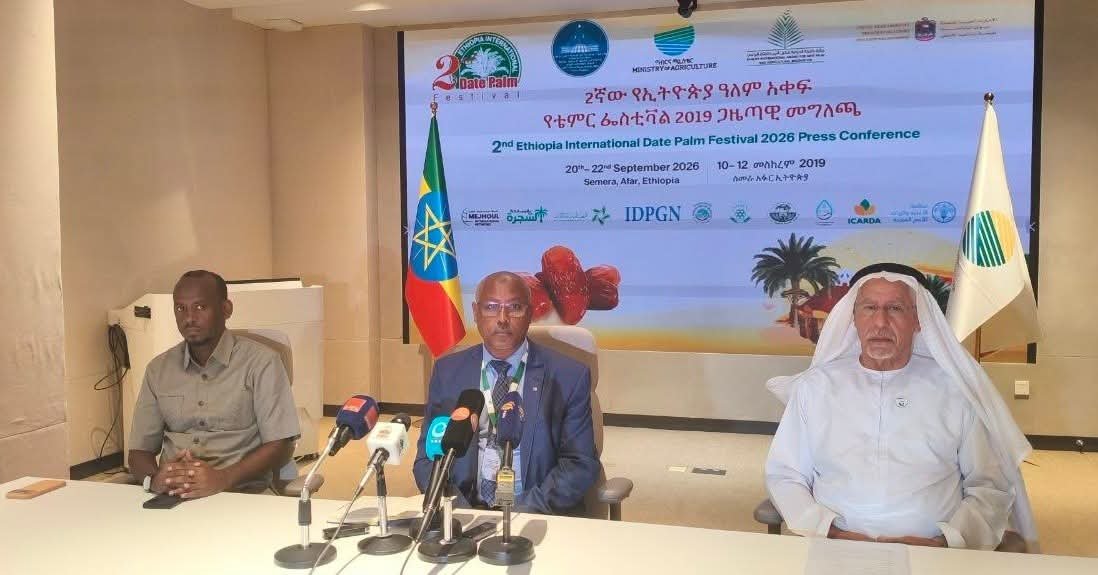
ADDIS ABABA, September 19, 2026 (Horn News Hub)
Ethiopia is seeking to expand date palm cultivation in its lowland regions as the country works to reduce dependence on imported dates and develop a potential agricultural export industry, with the Afar Region emerging as a major focus of the effort.
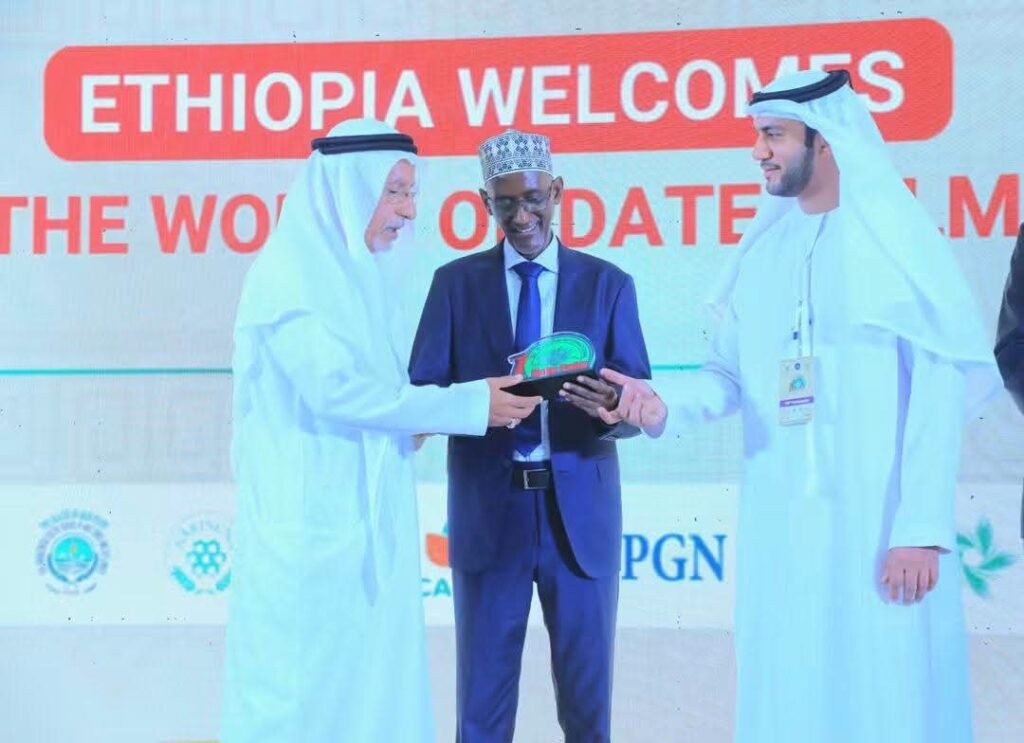
The Second Ethiopia International Date Palm Festival is scheduled to take place in Semera, the capital of Afar Region, from September 20 to 22, bringing together producers, researchers, investors, policymakers and other stakeholders in the date palm sector.
According to Ethiopia’s Ministry of Agriculture, the country has an estimated 500,000 to 700,000 hectares of land with potential for date palm cultivation. However, only about 2.5 percent of this potential is currently being developed.
The ministry also says Ethiopia has significantly reduced the foreign currency it spends on imported dates. Prof. Ali Mohammed, an adviser to the Minister of Agriculture, said the country previously spent about $9.8 million annually to import dates. That figure has now fallen to approximately $650,000, which the ministry attributes to increased attention to domestic production and improvements in productivity.
Based on the figures provided by the ministry, the reported decline amounts to about $9.15 million, or approximately 93.4 percent, in annual spending on imported dates.
The figures refer specifically to reported import expenditure and should not be interpreted as representing the total value or size of Ethiopia’s date palm industry.
Afar at the center of expansion
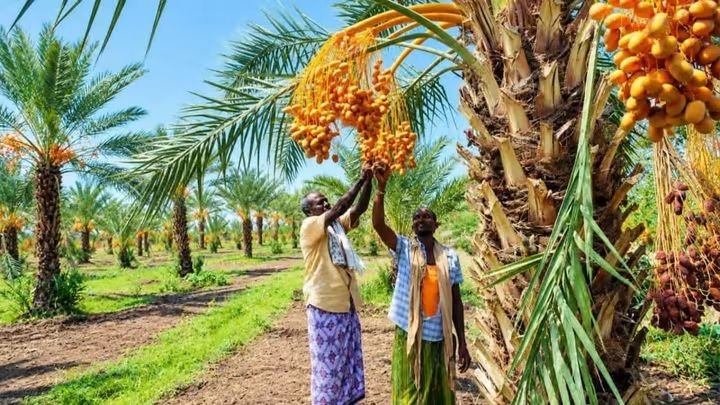
Afar is currently the country’s main date producing region, according to Prof. Ali, although cultivation is also taking place in the Somali and Oromia regions.
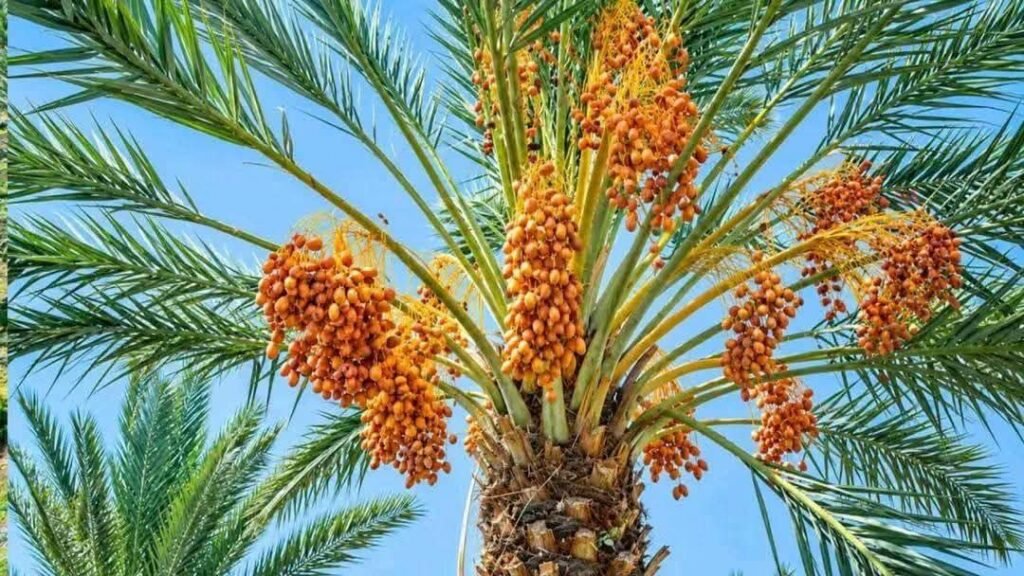
Earlier figures from Ethiopian authorities indicated that approximately 453 hectares were under date palm cultivation in Afar. Compared with the country’s estimated 500,000 to 700,000 hectares of potentially suitable land nationwide, the existing cultivated area remains relatively limited.
The government has identified several hot and low lying areas as potentially suitable for date palm cultivation, including Afar, Somali, parts of Oromia, Dire Dawa, Benishangul Gumuz and the lower Omo Valley.
Officials say expanding date palm production could create additional income opportunities for pastoral and agro pastoral communities, generate employment and further reduce Ethiopia’s reliance on imported dates.
Ten year research programme
Prof. Ali said Ethiopia has developed a 10 year research programme aimed at increasing date palm productivity.
The programme is expected to support research into suitable varieties, improved production techniques and other measures designed to strengthen the sector. Researchers are also expected to examine approaches that can improve production under Ethiopia’s lowland climatic conditions.
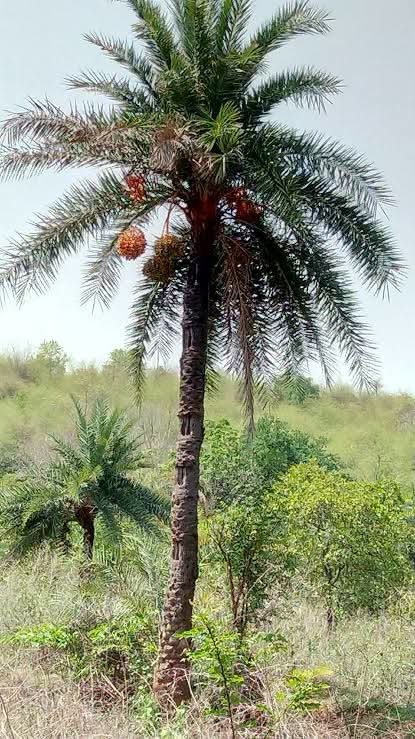
The development of the sector will require more than expanding cultivated land. Access to improved planting material, irrigation, agricultural extension services, technical training, pest and disease management, harvesting techniques and post harvest facilities will also be important.
Processing, packaging, quality control and transportation infrastructure could become increasingly important if Ethiopia seeks to move from supplying the domestic market to developing a sustainable export industry.
From import substitution to exports
The reported reduction in expenditure on imported dates suggests that increased domestic production may already be contributing to import substitution.
The next challenge will be determining whether Ethiopia can produce sufficient quantities of consistent quality to compete in regional and international markets.
The country’s estimated land potential provides significant room for expansion, but suitable land does not automatically translate into commercially productive farmland. Water availability, infrastructure, investment, access to finance, agricultural research and market connectivity will all influence how much of the estimated potential can be developed.
This is particularly relevant in Afar, where water management will remain a central issue. Although date palms are naturally suited to hot and dry environments, commercial cultivation still requires reliable and sustainable access to water.
International cooperation
Abdulwahab Al Bukhari Zayed, Secretary General of the Khalifa International Award for Date Palm and Agricultural Innovation, said research demonstrating Ethiopia’s potential for date palm production would be presented during the festival in Afar.
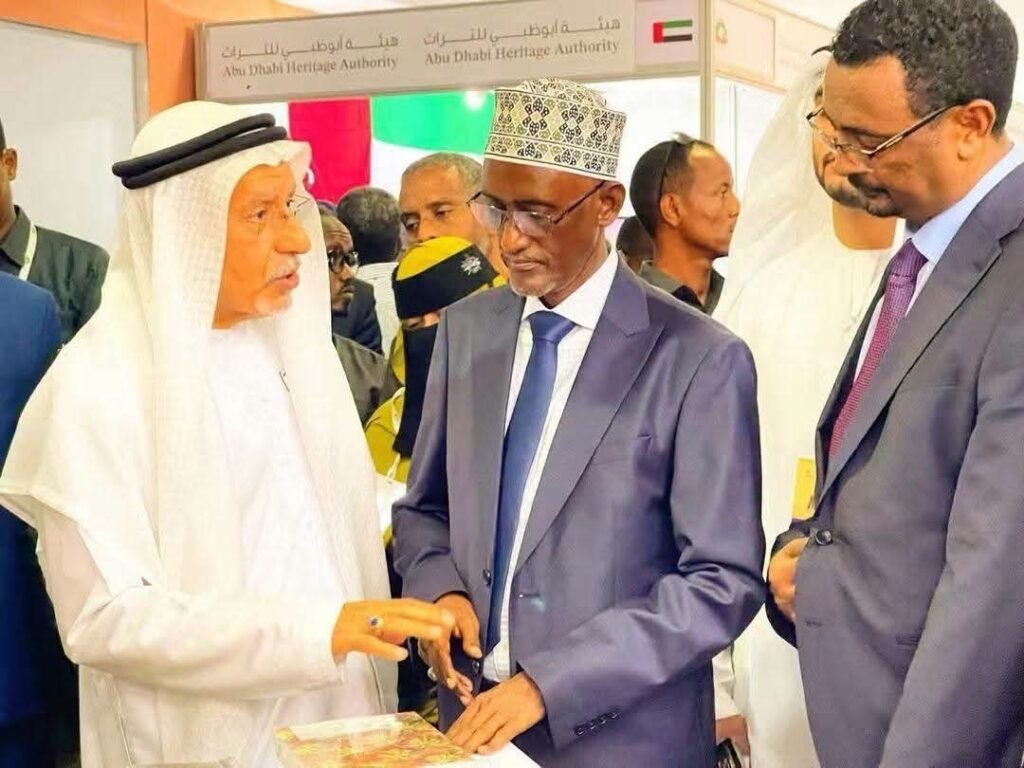
The participation of the Khalifa International Award reflects Ethiopia’s cooperation with international institutions involved in date palm production, agricultural research and innovation.
The festival is expected to provide a platform for Ethiopian producers, researchers and investors to exchange experience with international stakeholders and explore opportunities for technology transfer, investment and market development.
A sector with significant potential
Ethiopia’s date palm strategy is developing against a substantial gap between estimated potential and current cultivation.

The reported reduction in annual date import expenditure from $9.8 million to $650,000 represents a significant change according to the Ministry of Agriculture’s figures. At the same time, the estimate that 500,000 to 700,000 hectares could be suitable for date palm cultivation indicates that the country’s current production occupies only a small portion of its stated potential.

Whether Ethiopia can translate that potential into a competitive commercial industry will depend on sustained investment, research, improved productivity, responsible water management and the development of processing and marketing infrastructure.
For Afar, the expansion of date palm production could provide an additional agricultural opportunity suited to the region’s hot and dry environment while creating potential income and employment opportunities for local communities.
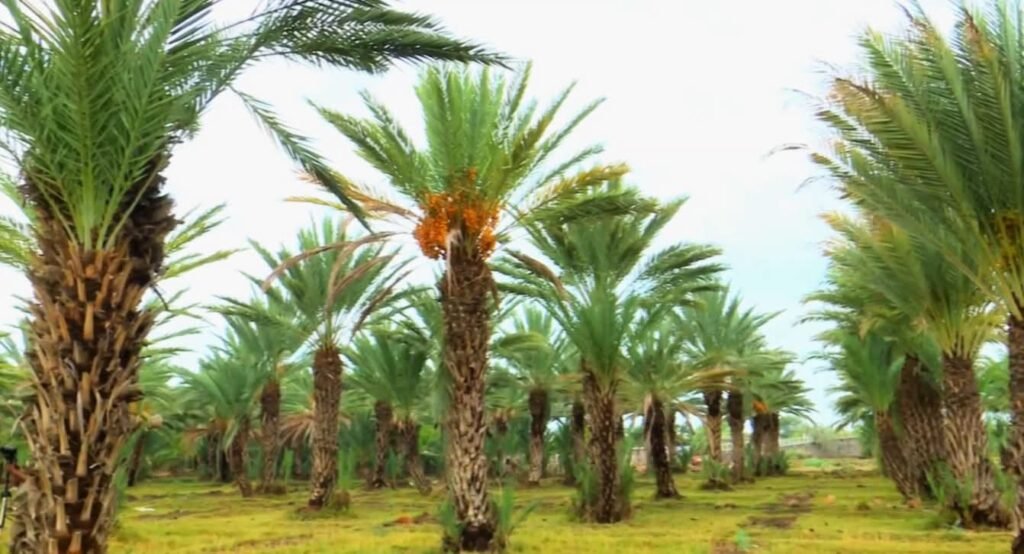
The Second International Date Palm Festival, taking place in Semera from September 20 to 22, will bring greater international attention to Ethiopia’s emerging date palm sector. The longer term test will be whether the country’s reported agricultural potential can be converted into sustained production, stronger domestic supply chains and eventually competitive exports.