
Semera, Afar Region, Ethiopia, September 3, 2026
By Contributor
Ethiopia is strengthening grassroots climate action by integrating environmental protection, climate change awareness, greening, gardening and food production activities into schools, with a focus on equipping children with the knowledge and practical skills needed to respond to climate-related challenges and support food sovereignty.
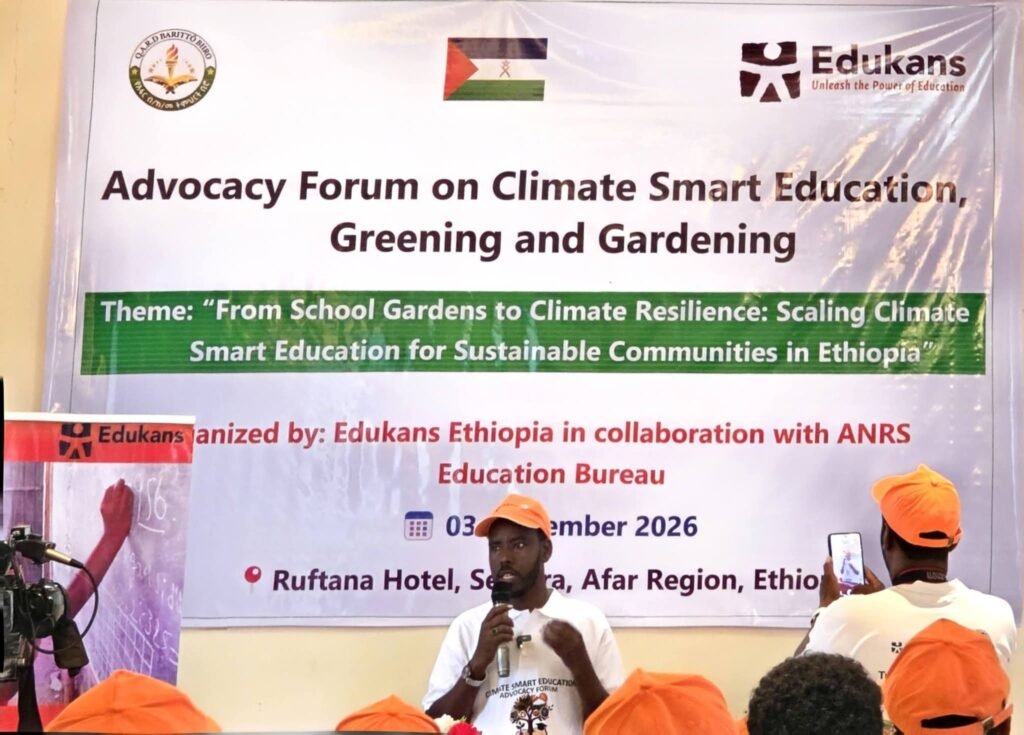
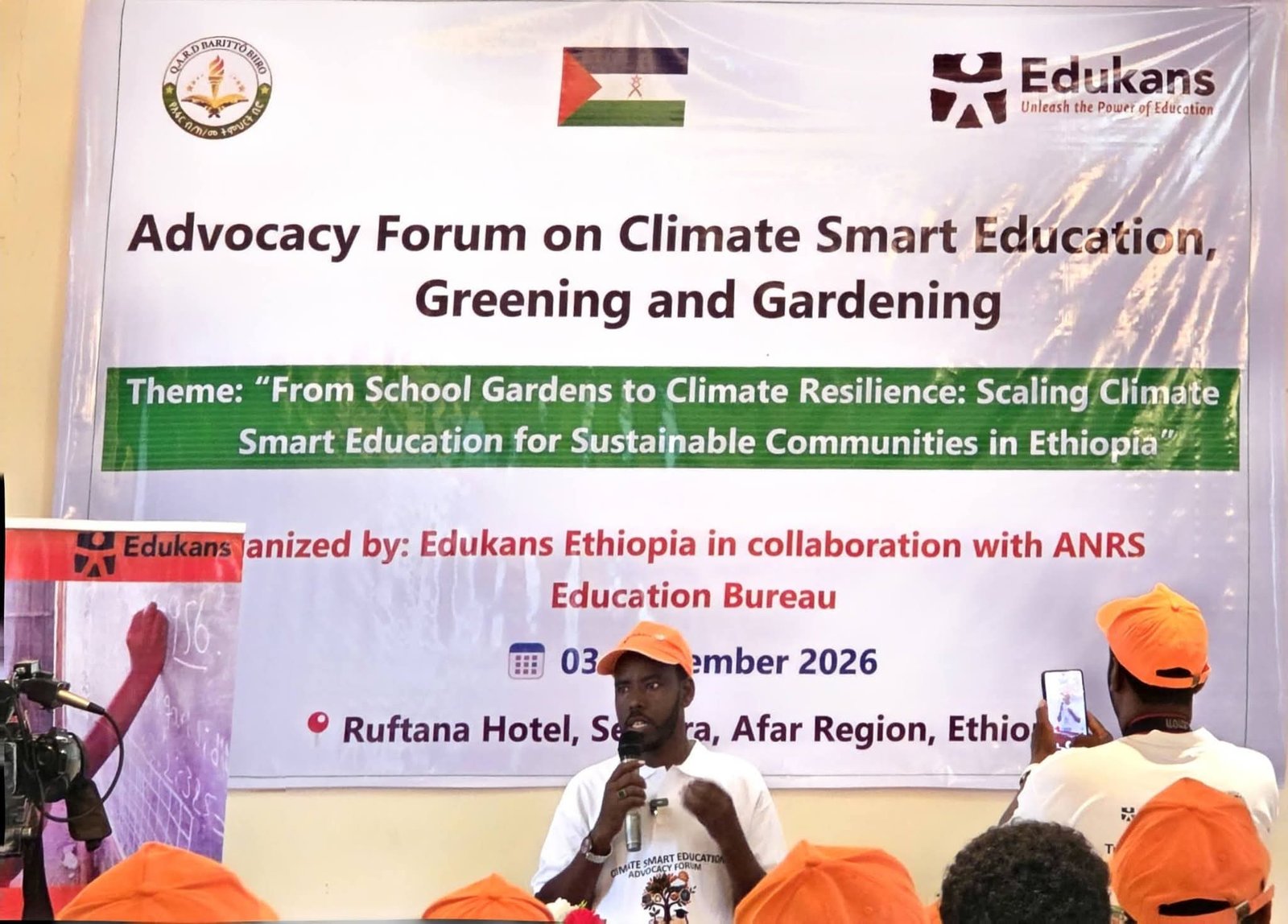
An Advocacy Forum on Climate-Smart Education, Greening, Gardening and Food Production was held on Thursday in Semera, the capital of Ethiopia’s Afar Region, under the theme, “From School Gardens to Climate Resilience: Scaling Climate-Smart Education for Sustainable Communities in Ethiopia.” The forum was organized by Edukans Ethiopia in collaboration with the Afar Regional Education Bureau.
The forum brought together education officials and development actors to discuss ways to strengthen the role of schools in environmental protection, climate resilience and local food production. Discussions highlighted the importance of extending climate education beyond the classroom and linking learning with practical activities such as school gardening, wheat production, tree planting, environmental conservation and the protection of local ecosystems.

Afar Regional Education Bureau Head Dr. Musa Adem said climate change and environmental protection have become issues of global importance, emphasizing the role of schools in addressing local environmental challenges.
He said climate-smart activities being implemented in schools should be strengthened and sustained, particularly initiatives aimed at reducing the impacts of desertification, improving environmental conservation and supporting the production of food crops such as wheat.

Dr. Adem also emphasized that school-level climate action can contribute to reducing the impacts of climate change while strengthening food security. He said environmental protection, nature conservation and agricultural initiatives already underway in the region would continue to be strengthened.
Dr. Yohannes Wegasso, Executive Lead for Education Programmes and Quality Improvement at Ethiopia’s Ministry of Education, highlighted the importance of incorporating Afar’s culture and indigenous knowledge into environmental education.
He said the region’s traditional knowledge of nature conservation, climate adaptation and the management of local plant resources could be further integrated into school programmes, helping students connect climate learning with knowledge and practices developed within their own communities.
Speaking at the forum, Edukans Ethiopia Director General Gezahagn Lemesa said the organization is implementing education-focused activities in three regions of Ethiopia.
He said Edukans Ethiopia would continue supporting schools in expanding practical environmental protection activities, promoting climate-smart education and encouraging school-based food production.
The forum illustrates how climate action in Ethiopia is increasingly being connected to the grassroots level, where schools can serve as platforms for building climate awareness among children and translating knowledge into practical action.
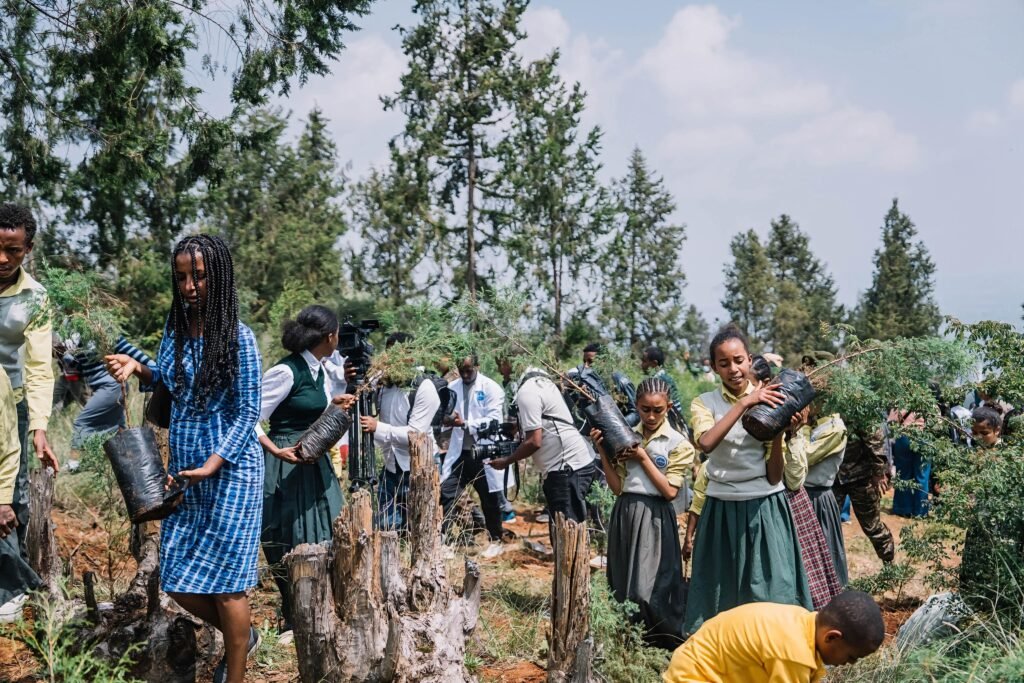
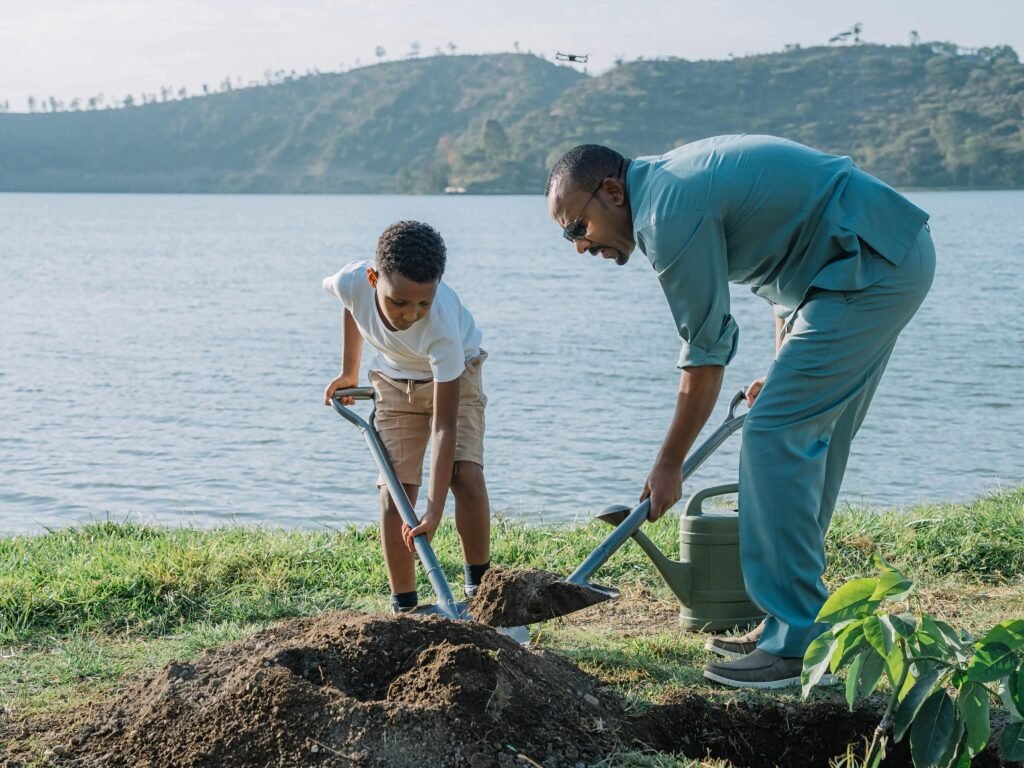
By involving students in activities such as school gardening, wheat production, greening and environmental conservation, climate education can help nurture environmentally conscious communities while strengthening young people’s understanding of climate change, food security and the importance of producing food locally.
Ethiopia’s efforts to produce wheat are an important example of how the country is working toward food sovereignty. By expanding domestic wheat production, supporting farmers and promoting agricultural knowledge, Ethiopia is reducing reliance on imported grain and strengthening its capacity to feed its population. Introducing students to crop production through school gardens can help build the next generation’s understanding of agriculture, food systems and climate-resilient production.
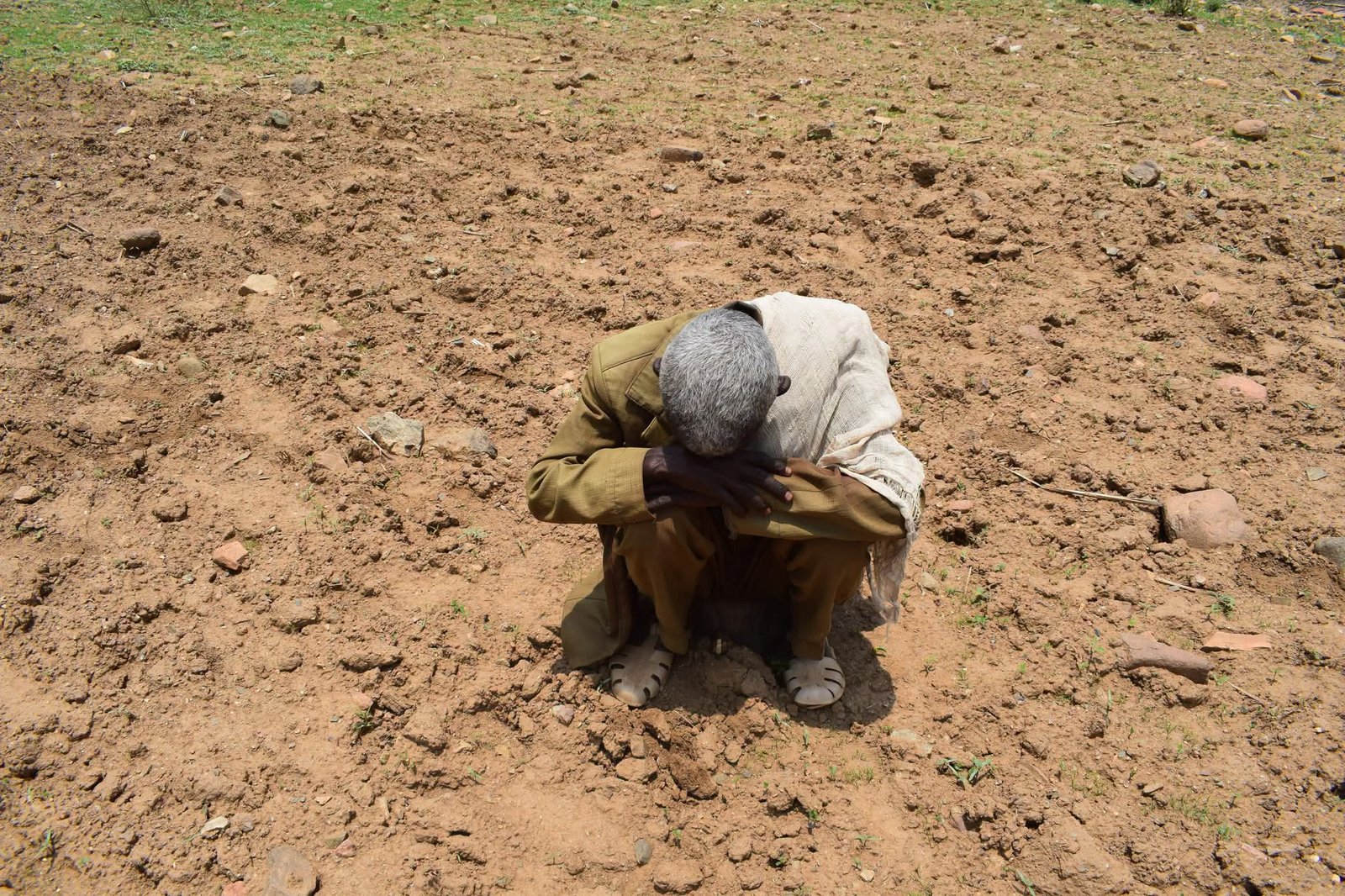
The approach also reflects the growing importance of locally grounded climate and food solutions, particularly in regions such as Afar, where communities face significant environmental pressures, including arid conditions and desertification.
For Ethiopia, integrating climate awareness and food production into everyday school activities provides an opportunity to introduce climate resilience and food sovereignty at an early age and enable children to become active participants in environmental protection and sustainable agriculture within their schools, families and communities.
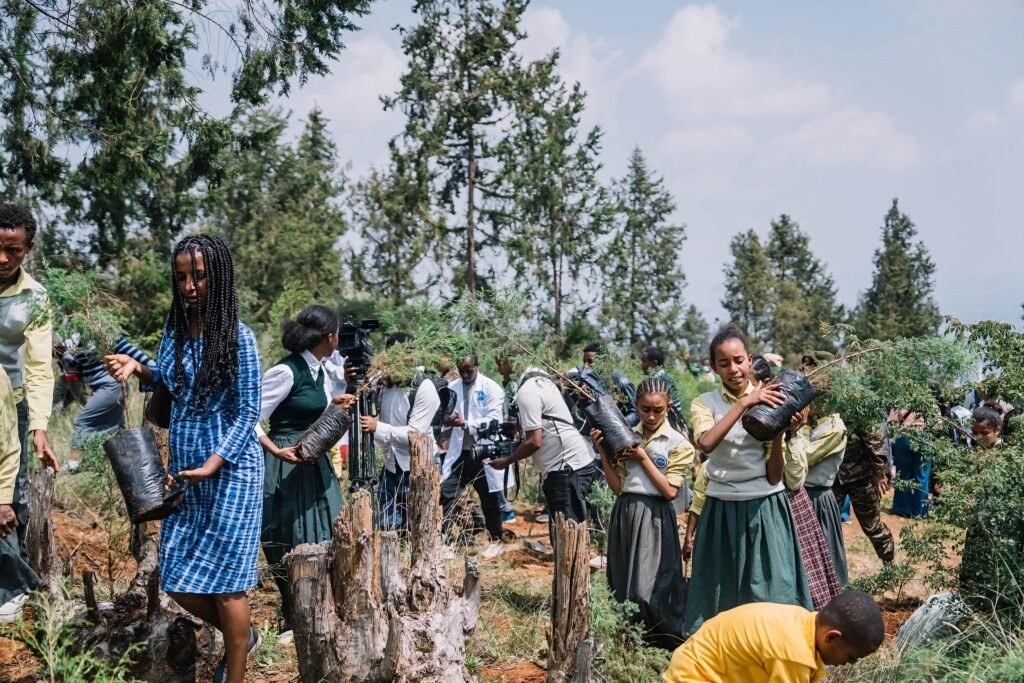
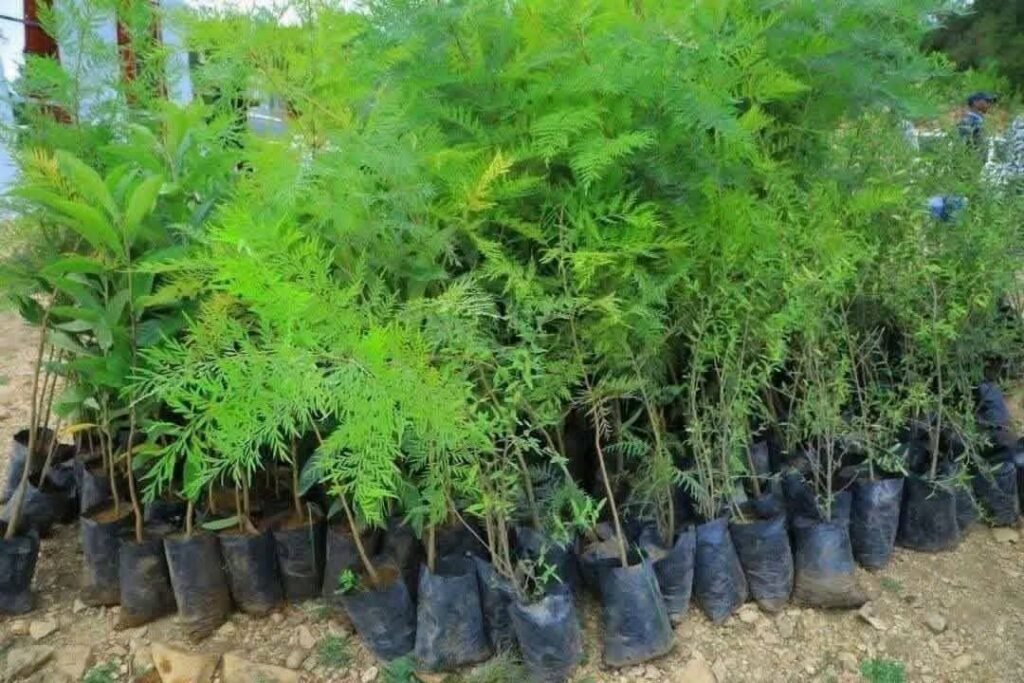
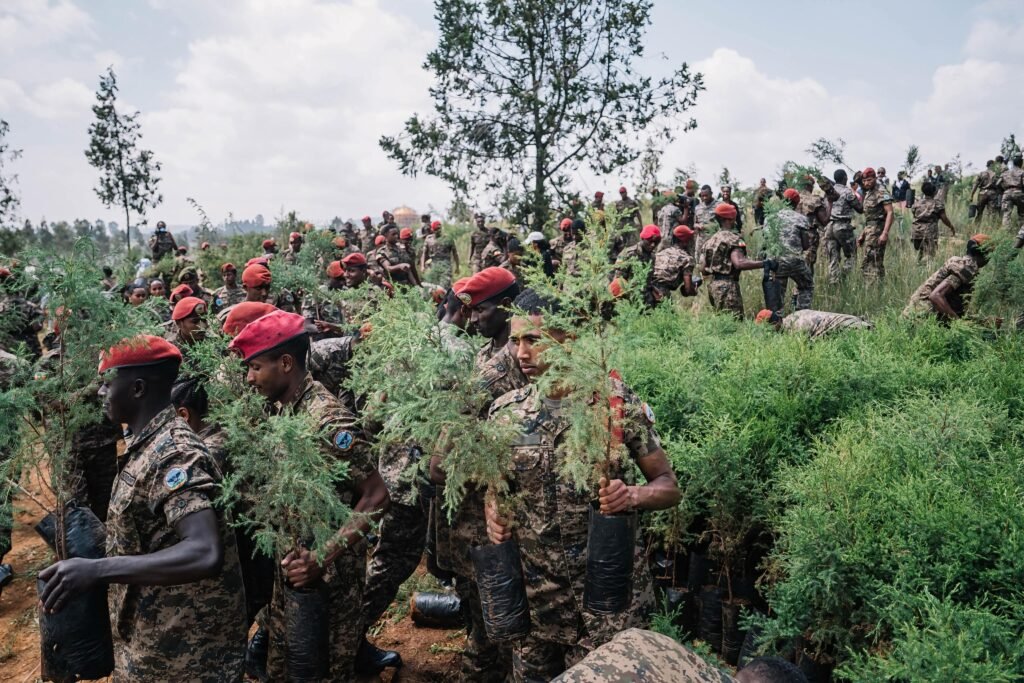
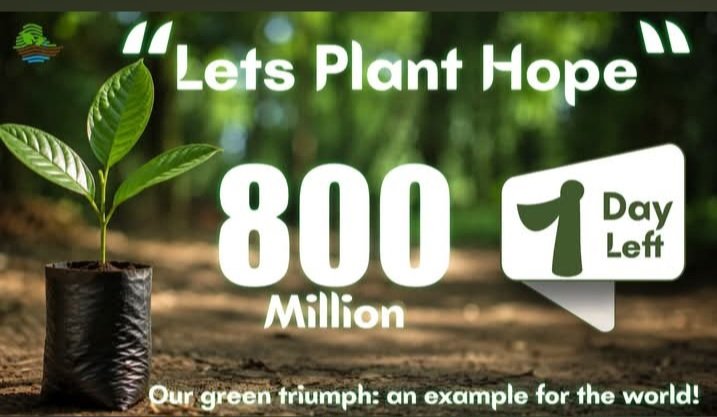
The initiative is part of Ethiopia’s broader climate, environmental and agricultural agenda. The country recently planted 800 million seedlings within a 24-hour period, demonstrating its capacity to mobilize communities around large-scale environmental action.
Ethiopia is also expanding wheat production as part of its efforts to strengthen food sovereignty and reduce dependence on imports. The country is preparing to host COP32 next year, further underscoring its growing role in global climate discussions and its commitment to advancing practical, locally driven climate and food solutions.