
Horn News Hub, Addis Ababa, September 8, 2026
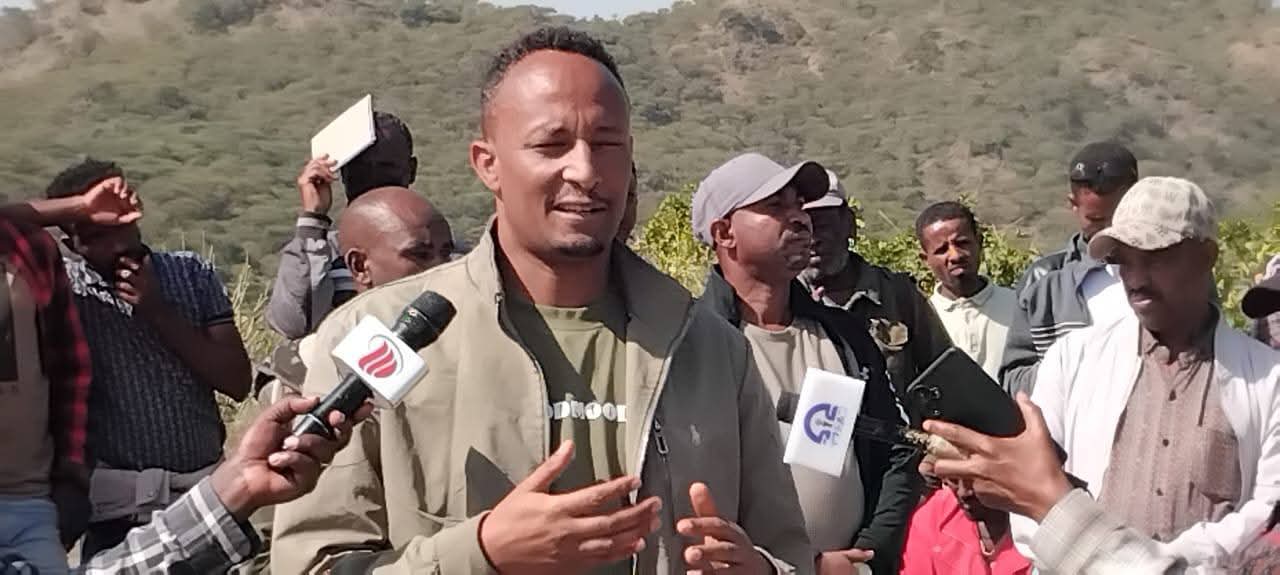
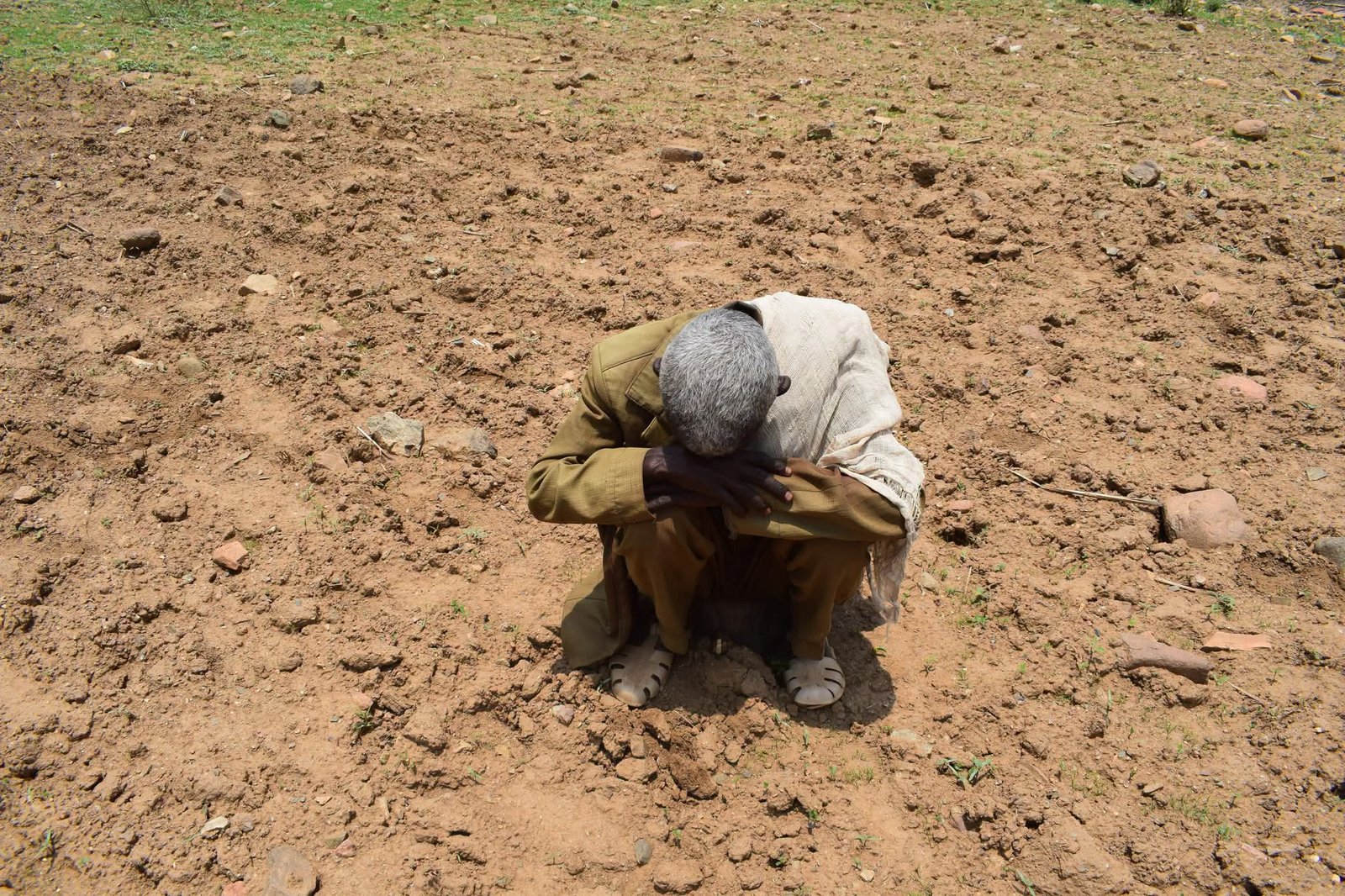
Tigray, the northern part of Ethiopia is facing a severe drought that is putting pressure on agricultural production, livestock and household livelihoods, with humanitarian and development organizations calling for urgent intervention alongside longer term measures to strengthen resilience.
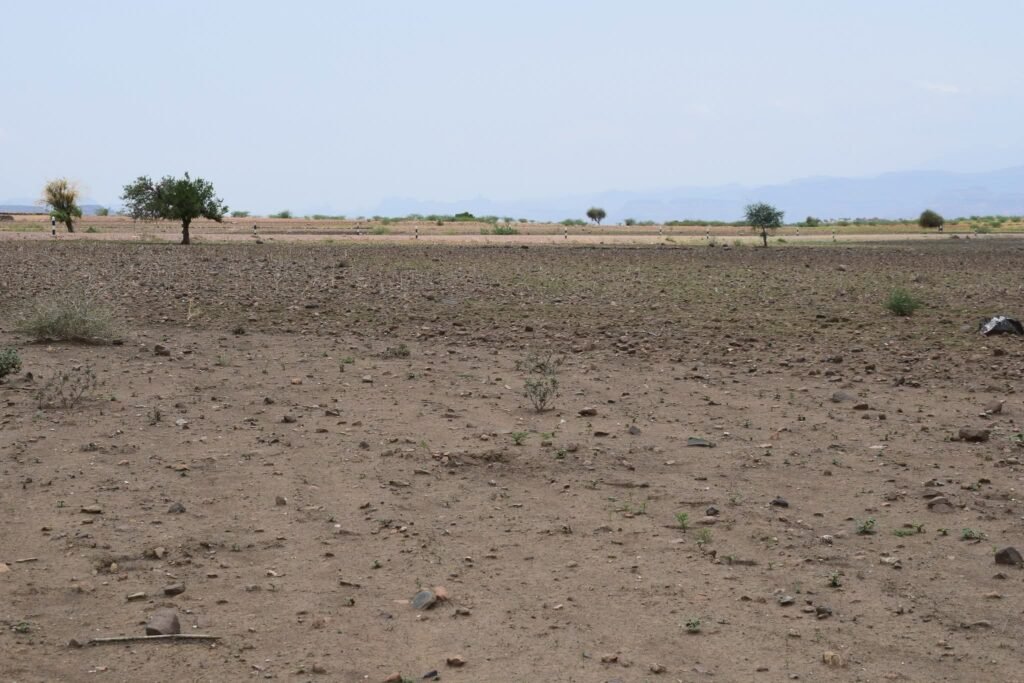
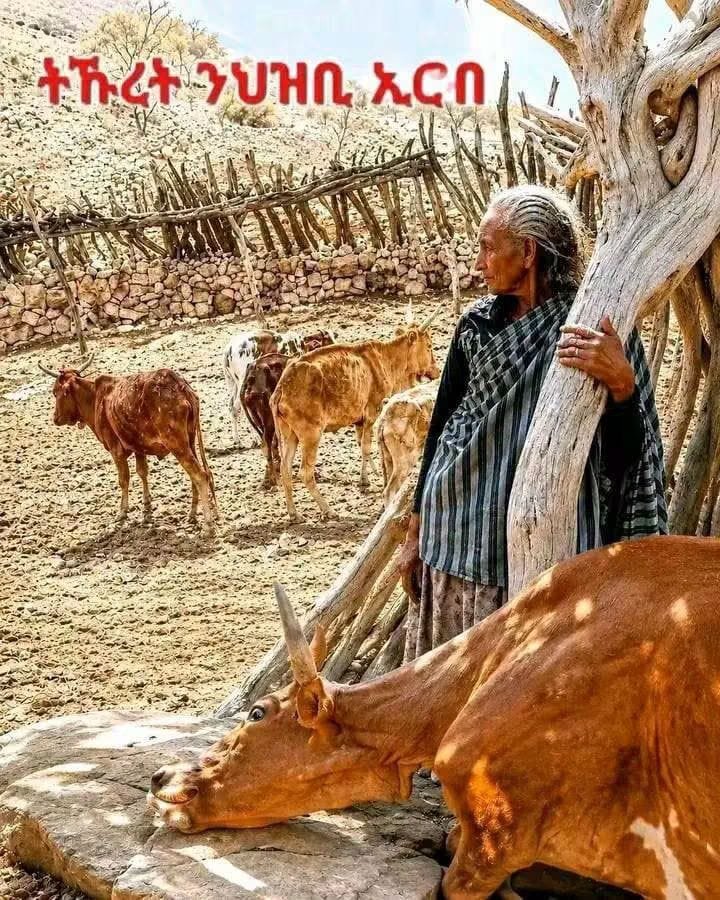
The drought, which has been linked to El Niño conditions, has left large areas of agricultural land affected by water shortages and deteriorating production conditions. The situation is also placing livestock dependent households under increasing pressure as access to water and animal feed becomes more difficult.
According to the Tigray Agriculture and Natural Resources Bureau, the region’s immediate priorities include livestock feed, seeds, animal vaccines and medicines, water and energy infrastructure rehabilitation, agricultural chemicals and crop protection equipment, humanitarian assistance and natural resource management.
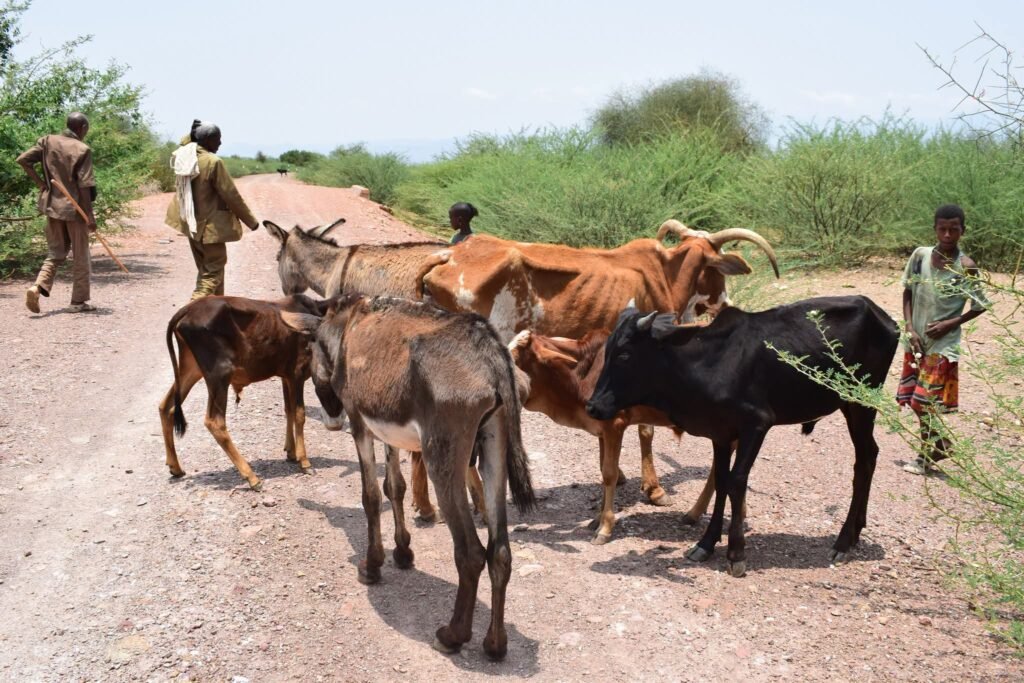
The identified needs reflect the interconnected nature of the crisis. Declining livestock conditions can reduce household income and food availability, while shortages of seeds and agricultural inputs could affect the next planting cycle and prolong the impact of the drought beyond the current season.
The bureau has also identified a set of longer term priorities aimed at reducing the region’s vulnerability to recurring climate shocks. These include inclusive agricultural extension services, integrated landscape restoration, expanded water, irrigation and energy development, agricultural commercialization through clustering, resilient food systems and improved nutrition.
Other proposed measures include agricultural mechanization, inclusive agricultural finance, legal and institutional reforms, research based agricultural development and stronger monitoring, evaluation, accountability and learning systems.
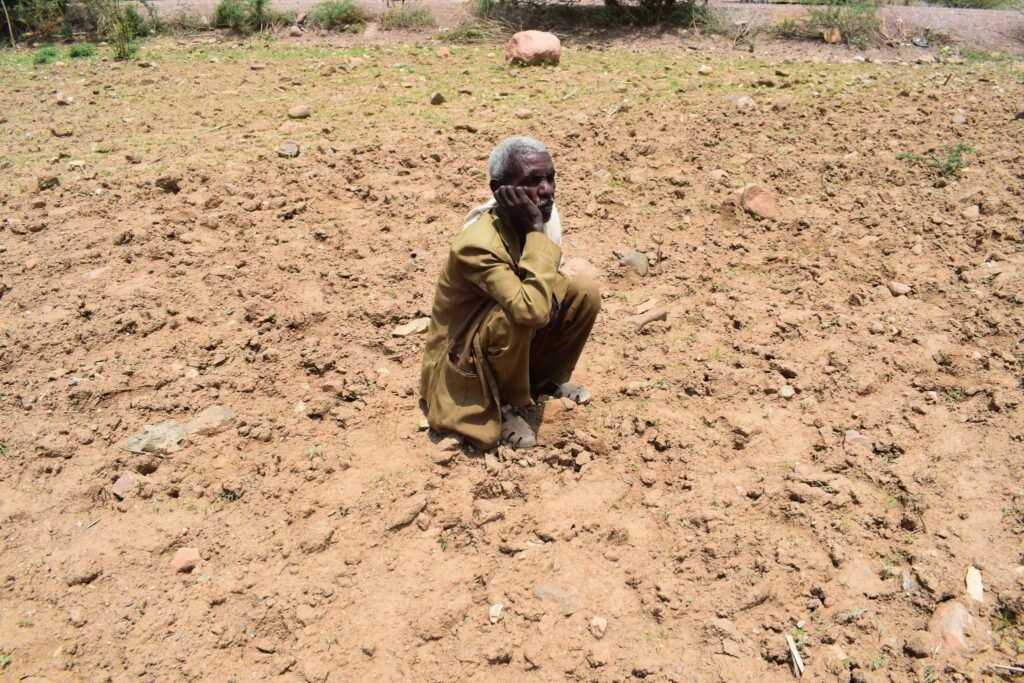
Humanitarian organizations are increasingly expected to combine immediate relief with anticipatory action and investments that can help communities withstand future climate related shocks. The Relief Society of Tigray (REST), together with its partners, is among the organizations working to support communities affected by the drought.
The scale and range of the needs outlined by the regional agriculture authorities suggest that the drought is not solely an emergency food and livestock crisis. It also poses broader challenges to agricultural productivity, water security, household incomes and the region’s longer term economic recovery.
Addressing the situation will therefore require coordination between regional authorities, humanitarian organizations, development partners, farmers, pastoralists and other stakeholders. While emergency assistance can help protect lives and livelihoods in the immediate term, sustained investment in water infrastructure, climate resilient agriculture, natural resource management and access to finance will be important for reducing future vulnerability.
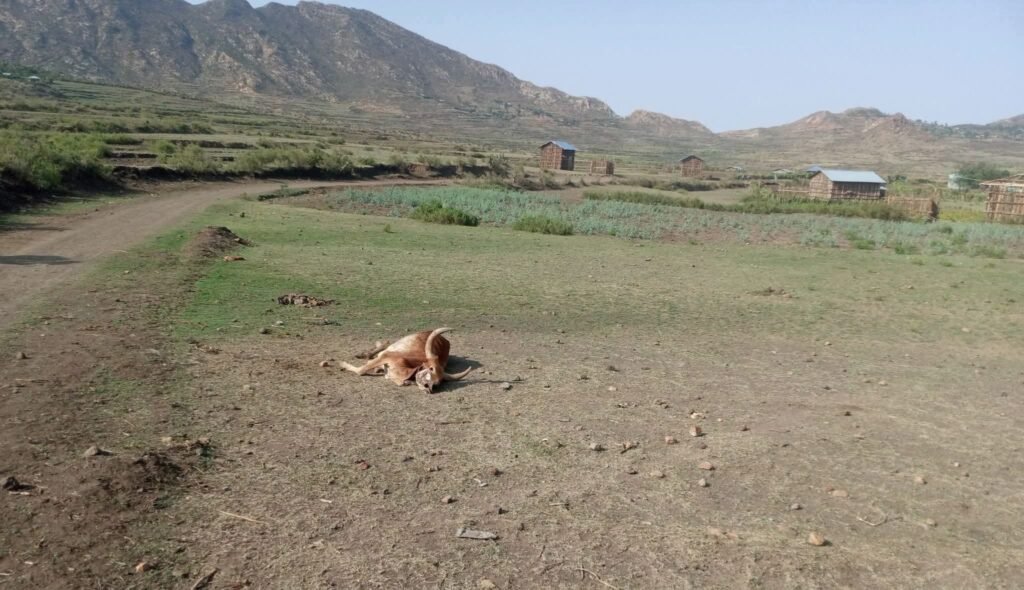
The combination of immediate humanitarian support and longer term agricultural resilience measures is likely to be critical as Tigray confronts the continuing effects of drought and climate variability.