
ADDIS ABABA, Ethiopia, July 3, 2026-
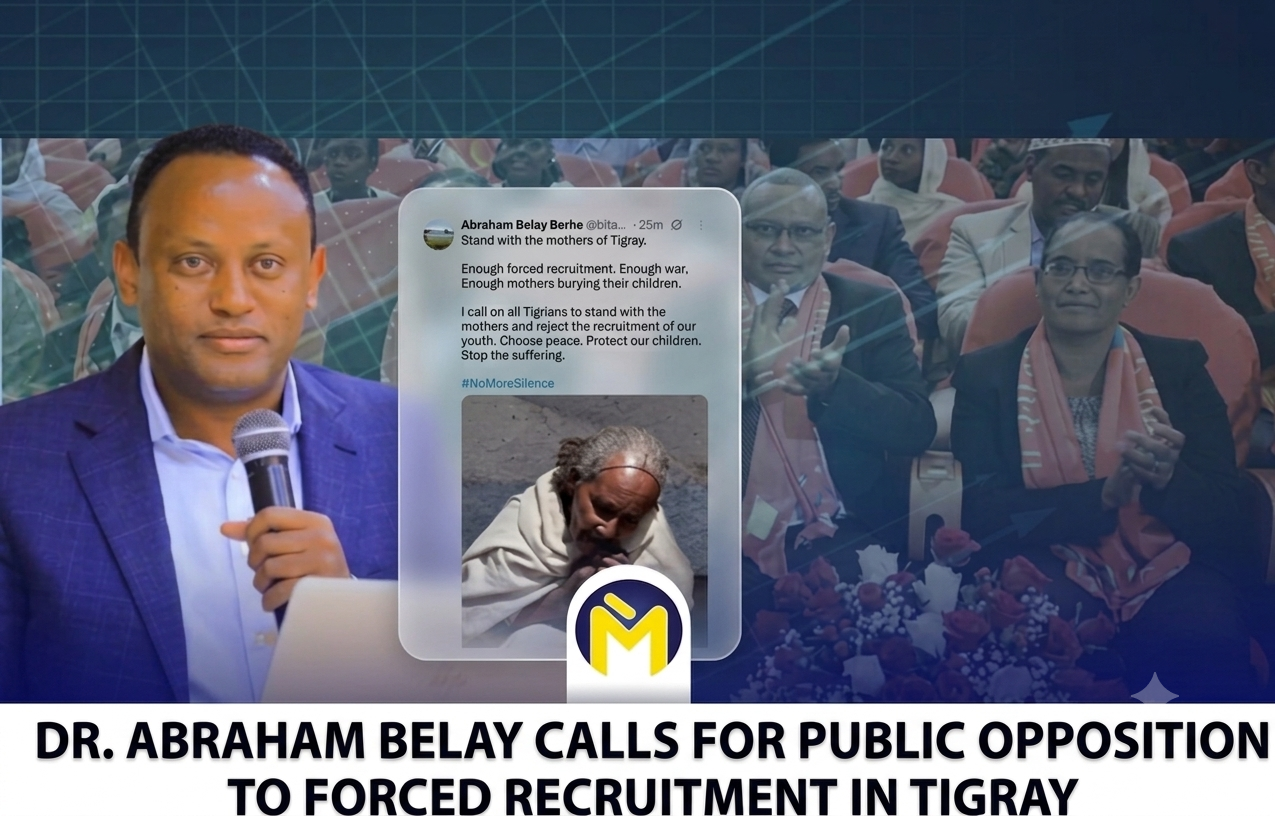
Dr. Abraham Belay has called on residents of Tigray to oppose the forced recruitment of young people, urging communities to stand with mothers seeking to prevent their children from being drawn into armed conflict.
In a statement posted on his Facebook and X social media accounts, Dr. Abreham Belay said armed groups in Tigray are forcibly recruiting young people, echoing reports from residents and families who say youth are being taken for military service. He said the continued recruitment is deepening the humanitarian crisis and placing immense pressure on families across the region.
His remarks come amid continued reports of forced conscription in Tigray. Horn News Hub has independently verified accounts of forced recruitment through on the ground reporting, interviews with affected families and witnesses, documentary evidence, and other corroborating information.
Videos circulating from several areas in the region also appear to show mothers and relatives protesting the recruitment of their children. Human rights organizations have previously warned about the recruitment of civilians, including concerns over forced or coercive enlistment by armed actors during the conflict.
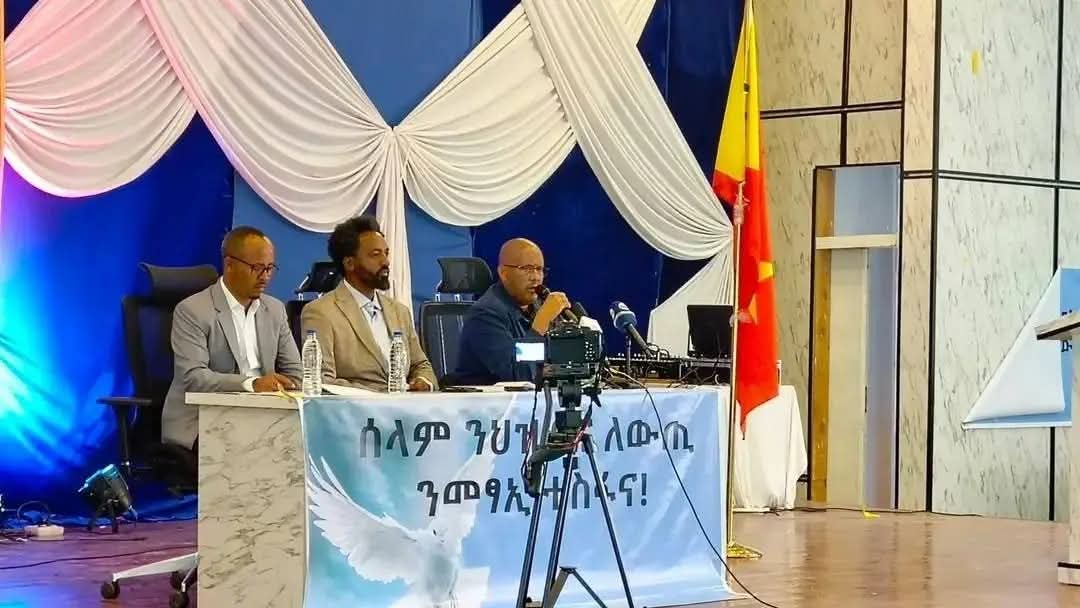
According to Dr. Abreham Belay, mothers in Mekelle and several other towns have organized protests demanding that their children not be taken for military service. He said community activists, youth groups, members of the diaspora, and local media have also spoken out against the practice and called for greater protection of civilians.
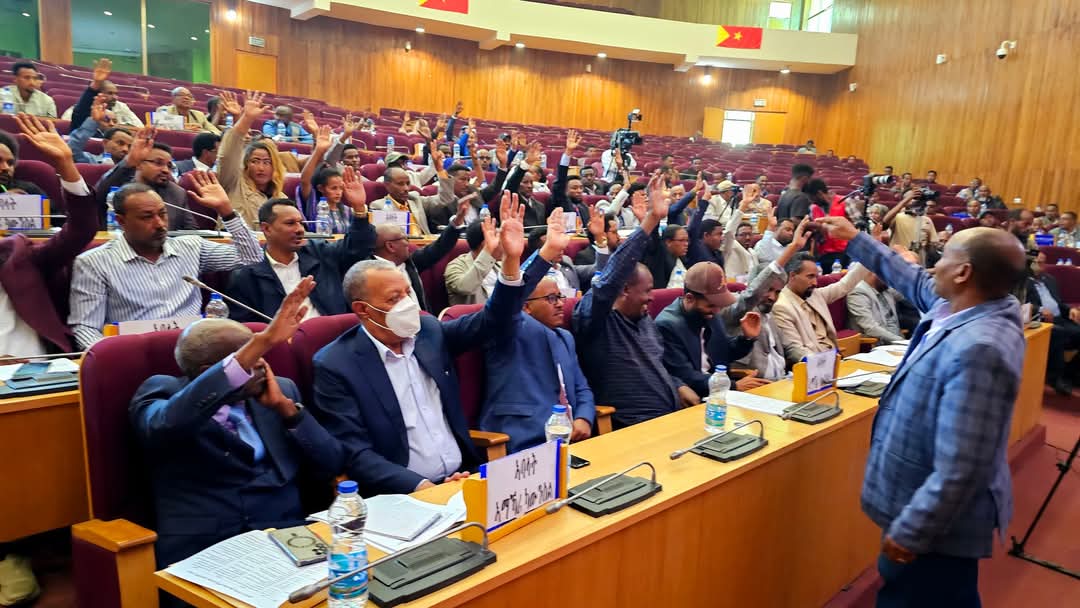
Dr. Abreham Belay urged the people of Tigray to set aside political differences and work together to protect the region’s younger generation. He said ending the recruitment of youth is essential to preventing further loss of life and creating conditions for lasting peace.
The renewed concerns over recruitment come as political tensions persist in Tigray and efforts to fully implement the Pretoria peace agreement continue. Observers say preventing further mobilization of civilians and protecting vulnerable communities remain critical to preserving the gains of the peace process.