
Jigjiga, November 13, 2026 (Horn News Hub)
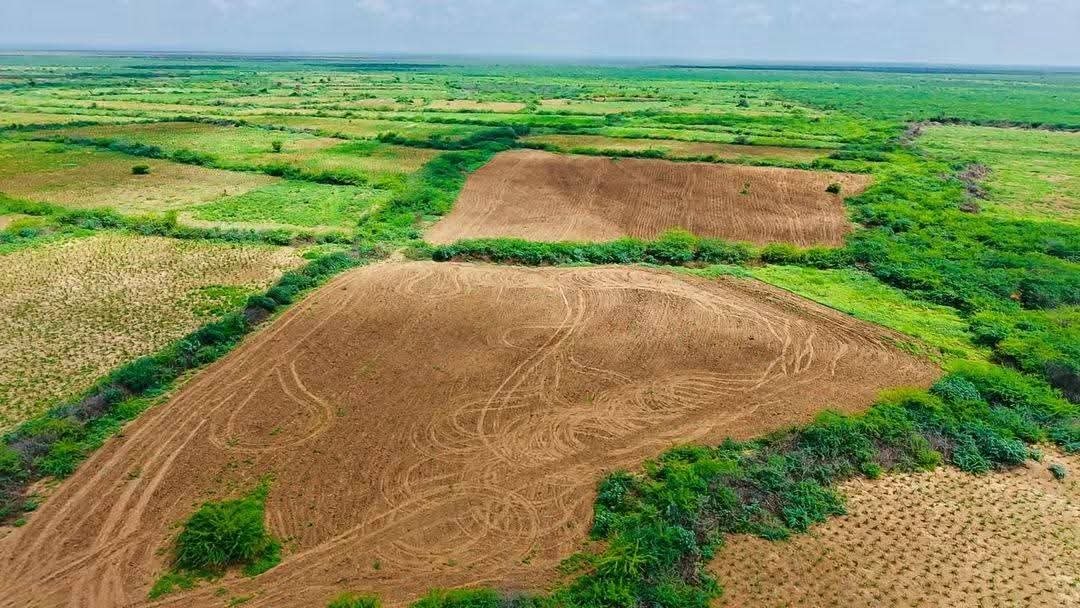
Community-led efforts have transformed an extensive area of fertile land previously covered by a weed-like tree locally known as “Gerewo” into productive farmland in Korahay Zone of Ethiopia’s Somali Regional State, highlighting the region’s potential for agricultural expansion and food production.
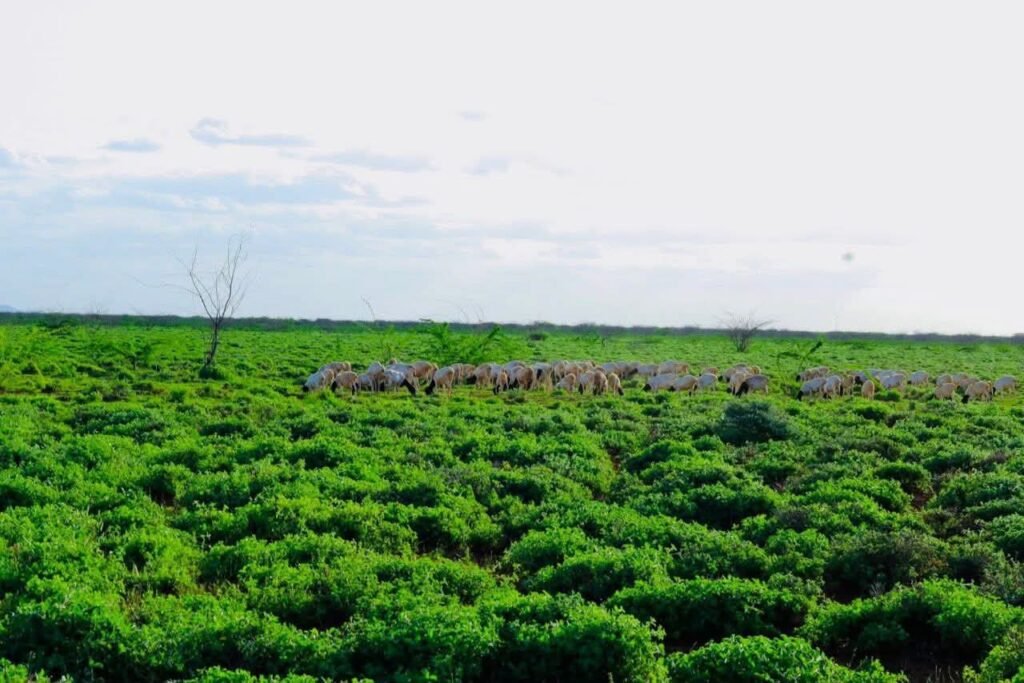
The transformation demonstrates how collective community action can reclaim underutilized land, mobilize local resources and create new opportunities for agricultural productivity and economic development.
The development also reflects a broader effort under the regional administration of President Mustafe Mohammed Omer to diversify the Somali Region’s economy and challenge longstanding perceptions that its predominantly pastoralist population has limited capacity for agricultural production and remains heavily dependent on humanitarian assistance.
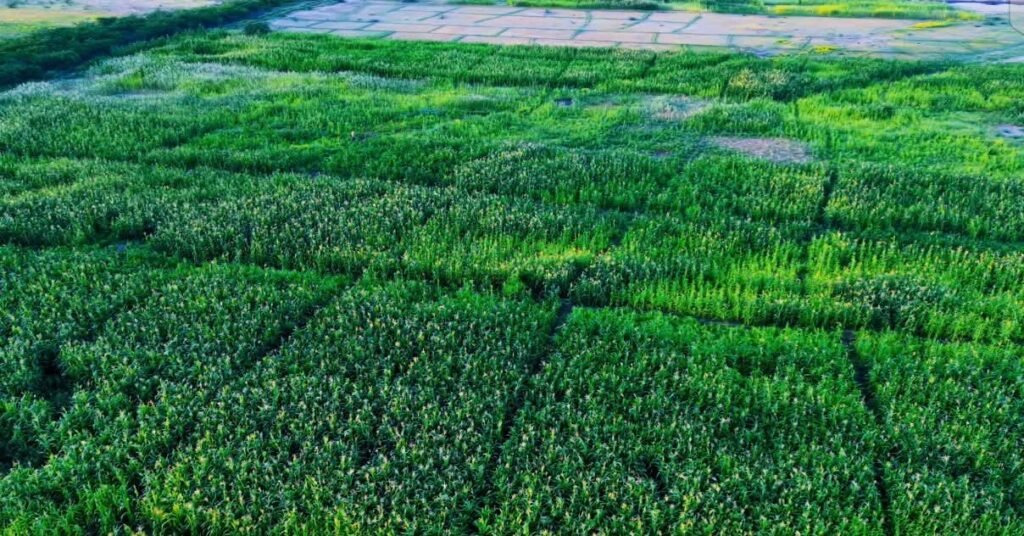
President Mustafe, an agricultural economist by training, has placed agricultural expansion and economic diversification among the region’s development priorities. In an interview with The Reporter published on May 2, 2026, he said the region had more than 10 million hectares of arable land and that approximately 1.6 million hectares had been cultivated in the previous year, with the administration targeting two million hectares.
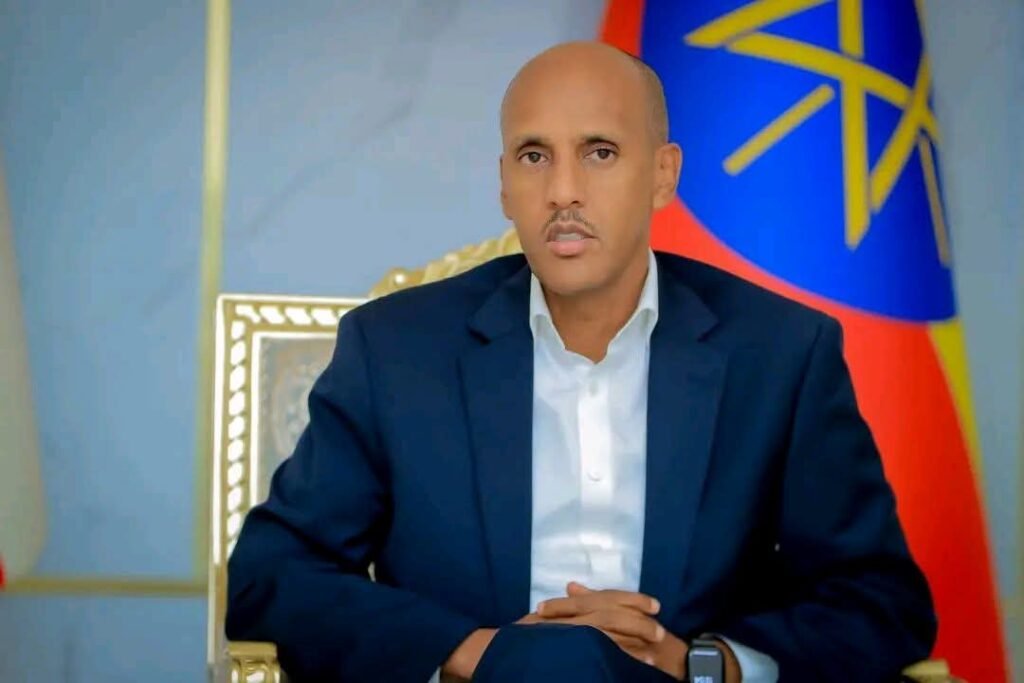
The president’s development agenda seeks to build on the region’s traditional pastoral economy while expanding crop production, irrigation, private investment and agro-processing.
The transformation in Korahay offers a local illustration of this ambition, demonstrating the potential of community participation in converting previously underutilized land into productive agricultural resources.
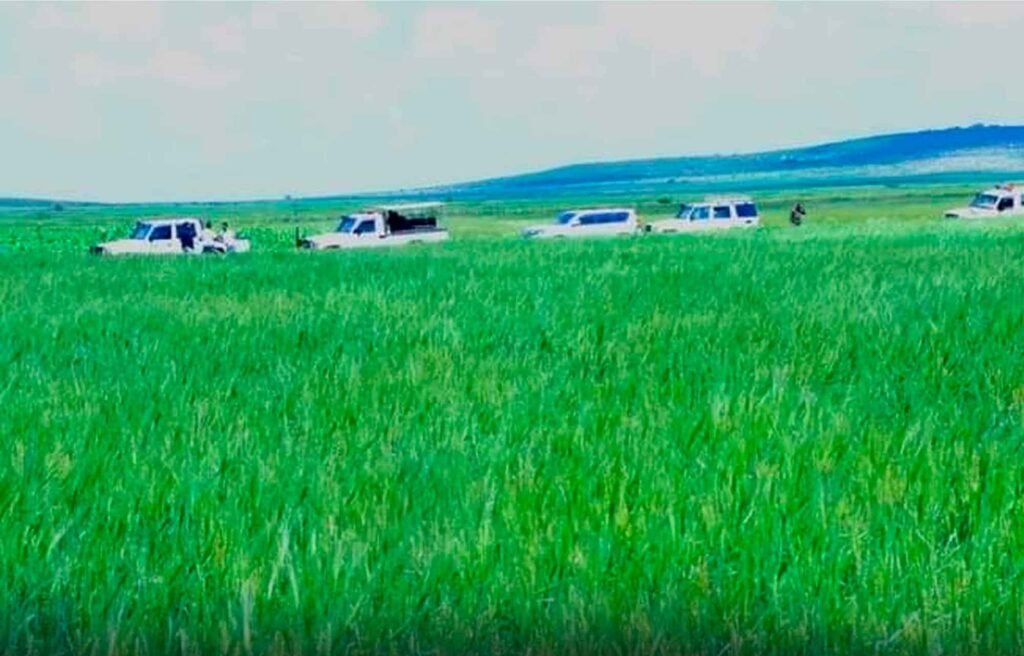
Beyond expanding cultivated areas, such initiatives could contribute to strengthening household food security, creating additional livelihood opportunities and reducing vulnerability to recurrent droughts and disruptions in food supplies.
However, sustainable agricultural development will require continued investment in irrigation, agricultural inputs, extension services, market infrastructure and responsible land and water management.
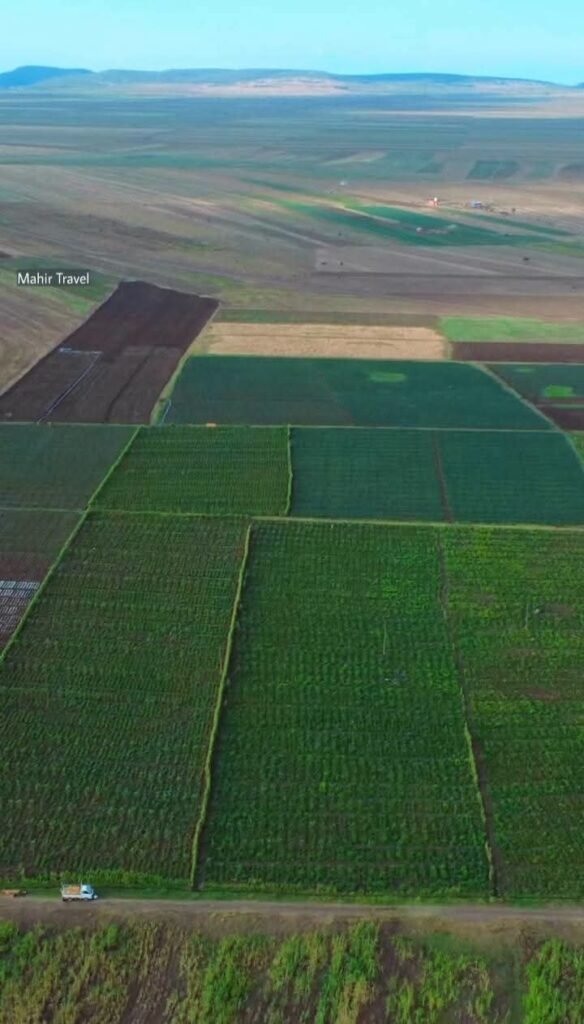
The wider challenge for the regional administration is to translate agricultural potential and development targets into measurable improvements in household incomes, food availability and economic resilience.
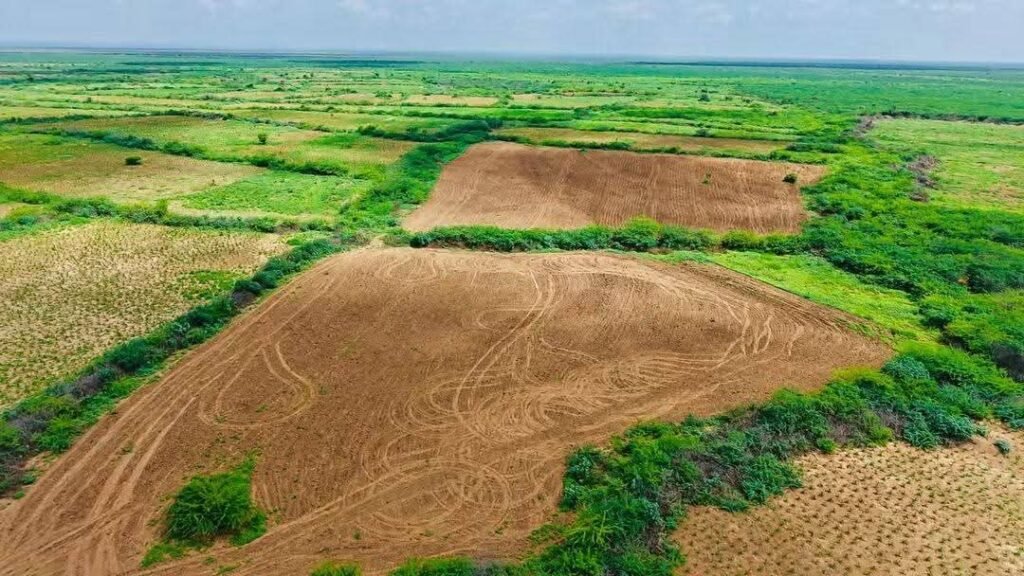
The developments in Korahay therefore represent more than a change in land use. They highlight the potential of agricultural development to reshape the region’s economic opportunities and broaden its contribution to Ethiopia’s food production.
Source: The Reporter Ethiopia, interview with Somali Regional State President Mustafe Mohammed Omer, May 2, 2026.