

Addis Ababa, Ethiopia — April 28, 2026 | Horn News Hub
Ethiopian Prime Minister Abiy Ahmed (PhD) has underscored the strategic importance of social sector development, describing it as a critical foundation for long-term nation building despite its less visible and slower-yielding outcomes.
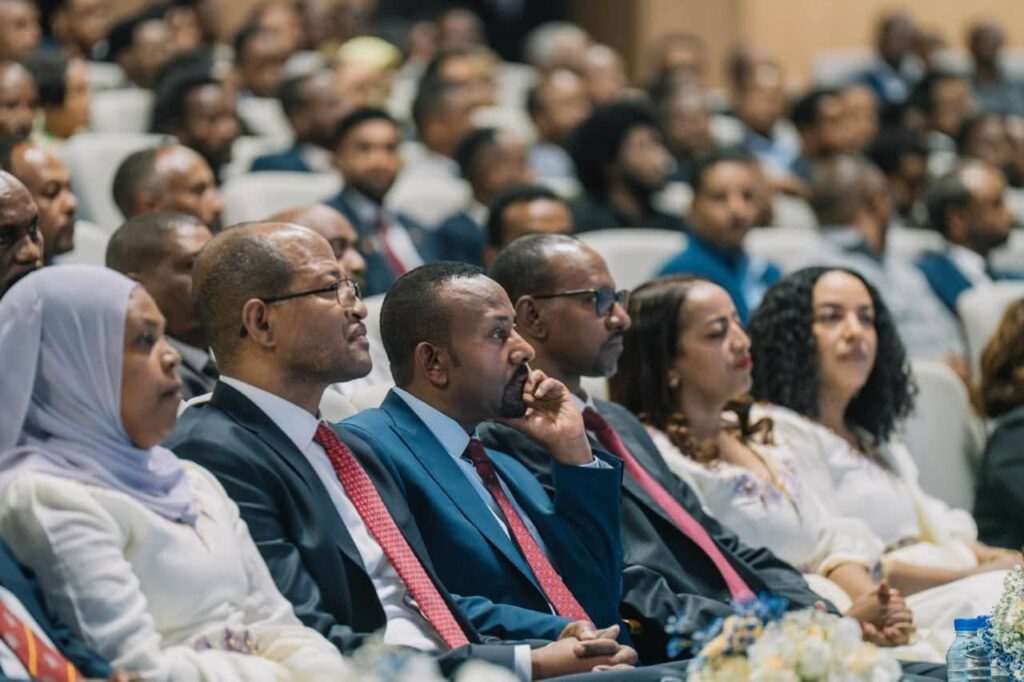
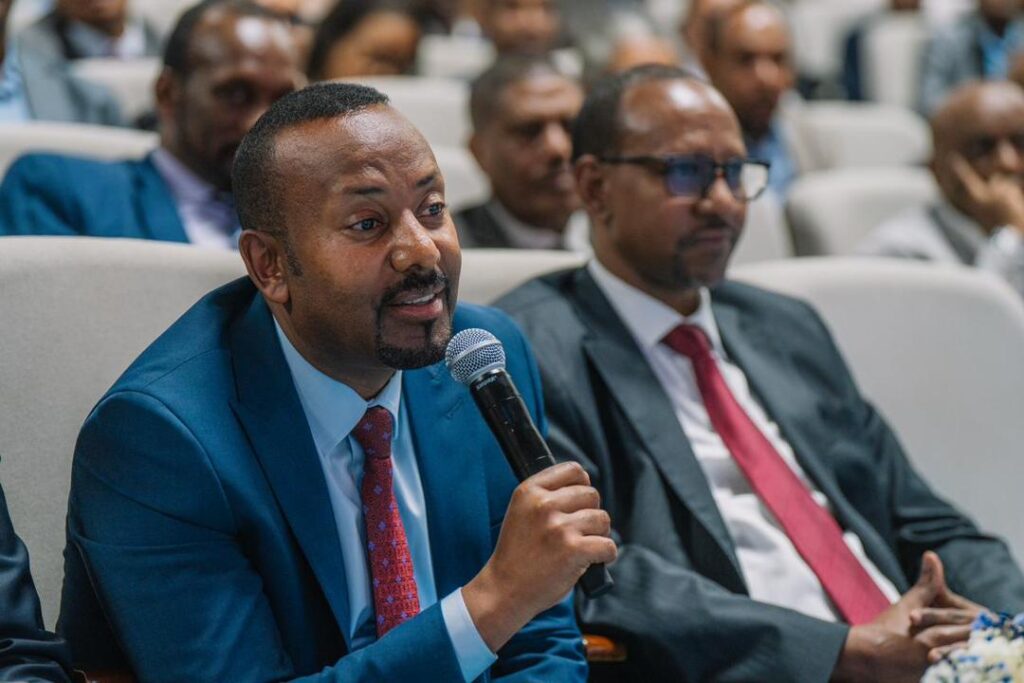
In remarks shared via his verified X account following a consultative forum held under the theme “Social Development for Nation Building,” the Prime Minister pointed to progress made across key sectors while acknowledging the complexity of translating policy goals into tangible results.
Abiy noted that unlike physical infrastructure, investments in social sectors such as education, health, and workforce development do not produce immediate or easily measurable returns. However, he framed these efforts as essential to building a resilient and sustainable state.
His comments come at a time when Ethiopia continues to navigate economic constraints and competing national priorities. Despite these pressures, the Prime Minister asserted that reforms and improvements have been attempted across all areas of the social sector, signaling a broad-based policy push under his administration.
Analysts say this reflects a wider shift in governance under Abiy’s leadership, where state-building is increasingly tied to human development and institutional strengthening rather than infrastructure expansion alone. This approach aligns with ongoing reforms aimed at expanding access to services, improving skills development, and fostering job creation.
At the same time, Abiy acknowledged that significant work remains. He stressed that achieving meaningful outcomes will require stronger implementation and sustained commitment to ensure that policies deliver their intended impact on the ground.
A central theme in his message was the role of public participation. Emphasizing that government efforts alone are insufficient, he called for communities to actively engage as stakeholders in the development process. The message reflects a growing recognition within policy circles that inclusive participation is key to bridging gaps between ambition and execution.

The Prime Minister’s remarks offer insight into how his administration views Ethiopia’s current phase of development. While challenges persist, the emphasis on social sector investment suggests a longer-term vision of transformation, one that prioritizes human capital as a driver of national progress.
As Ethiopia continues its reform trajectory, the effectiveness of this approach will likely depend on how successfully these policies are implemented and whether broader societal engagement can be mobilized to support them.
Editor’s Disclaimer:
The views and opinions expressed in articles published by Horn News Hub are those of the authors and do not necessarily reflect the official position or editorial stance of Horn News Hub. Publication does not imply endorsement.