
From “Affiliate Periphery” to Strategic Center: Somali Region’s Transformation Counters Misinformation
By Chekole Alemu
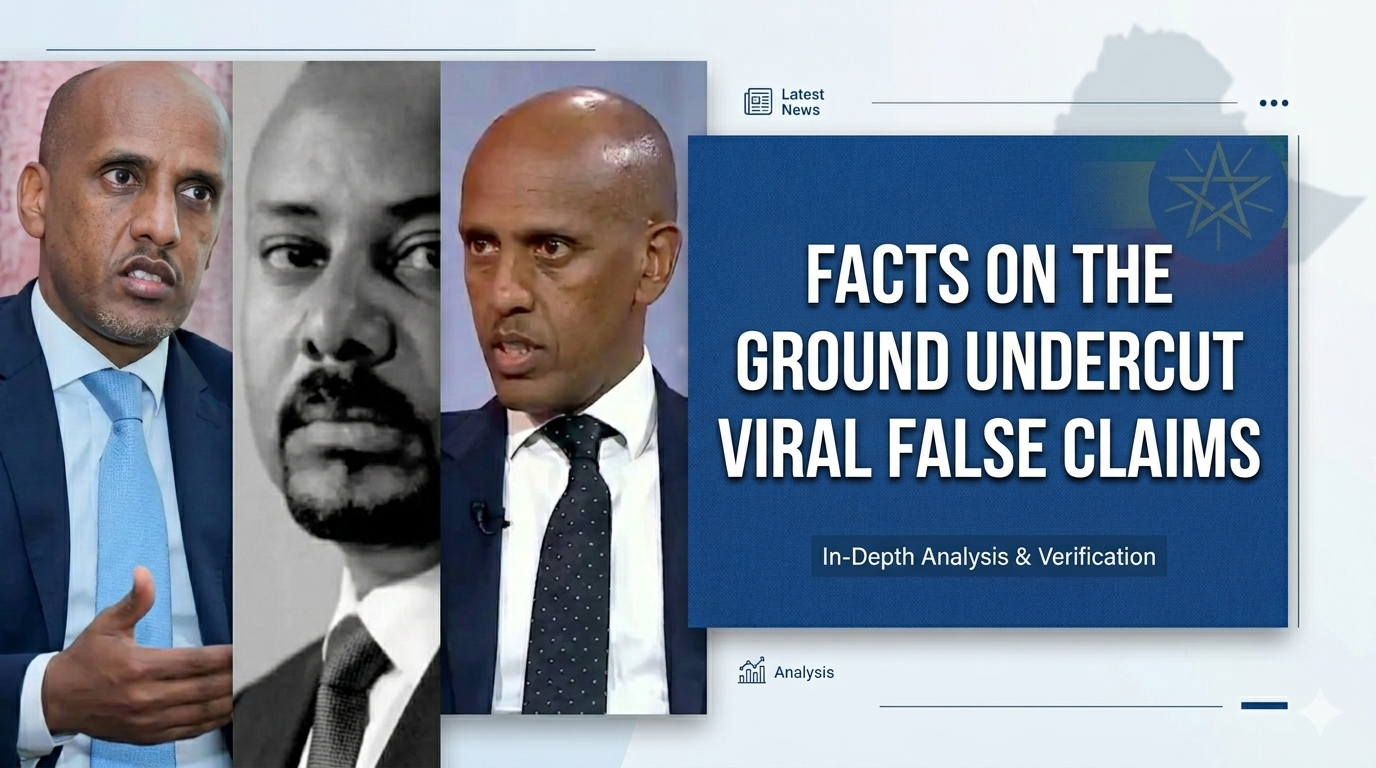
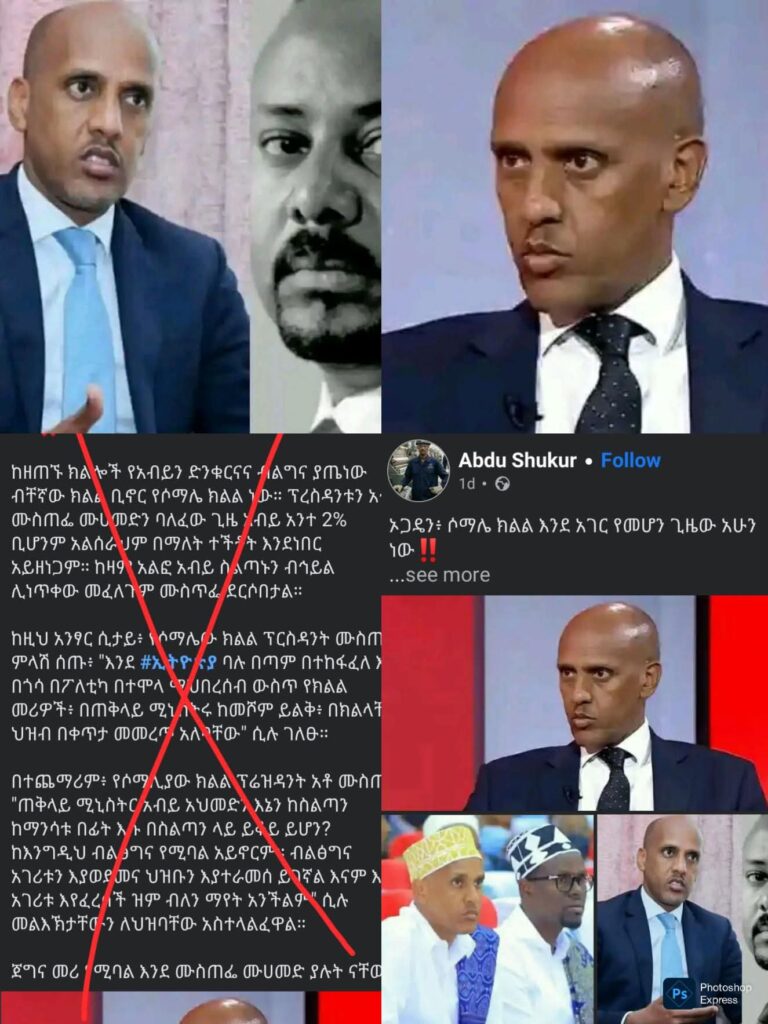
A new wave of misinformation circulating on social media has attempted to portray divisions between Ethiopia’s federal leadership and the Somali Regional State. However, a closer look at the region’s political evolution and recent development trajectory presents a markedly different picture, one defined by alignment, reform, and measurable progress.
Before 2019, Ethiopia’s ruling coalition, the Ethiopian Peoples’ Revolutionary Democratic Front, operated through a core of four member parties alongside several affiliated organizations. These affiliate parties, including the Somali Democratic Party, functioned as partners but remained structurally peripheral to the coalition’s central decision-making framework.
This political arrangement shifted fundamentally on December 1, 2019, when the EPRDF’s member parties and most affiliate organizations merged to form the Prosperity Party under the leadership of Abiy Ahmed. The transition was framed as a move toward a more unified and nationally integrated political structure.
Within this broader reform process, the Somali Regional State has undergone a notable transformation under the leadership of regional president Mustafe Mohammed Omar. Once widely characterized as politically fragile and economically dependent, the region is increasingly being cited by officials and observers as an example of recovery and state-building.

Data and official statements from the regional communication bureau point to several shifts. In fiscal terms, the region has significantly reduced its reliance on federal subsidies. Internal revenue generation now covers a substantial share of the regional budget, reflecting improvements in tax collection and administrative capacity.
Security conditions, long a defining challenge, have also improved. Authorities attribute this to coordinated efforts between federal and regional institutions, alongside local stabilization measures. The reduction of contraband trade, historically a major concern in the region’s border economy, is cited as another indicator of strengthened governance.
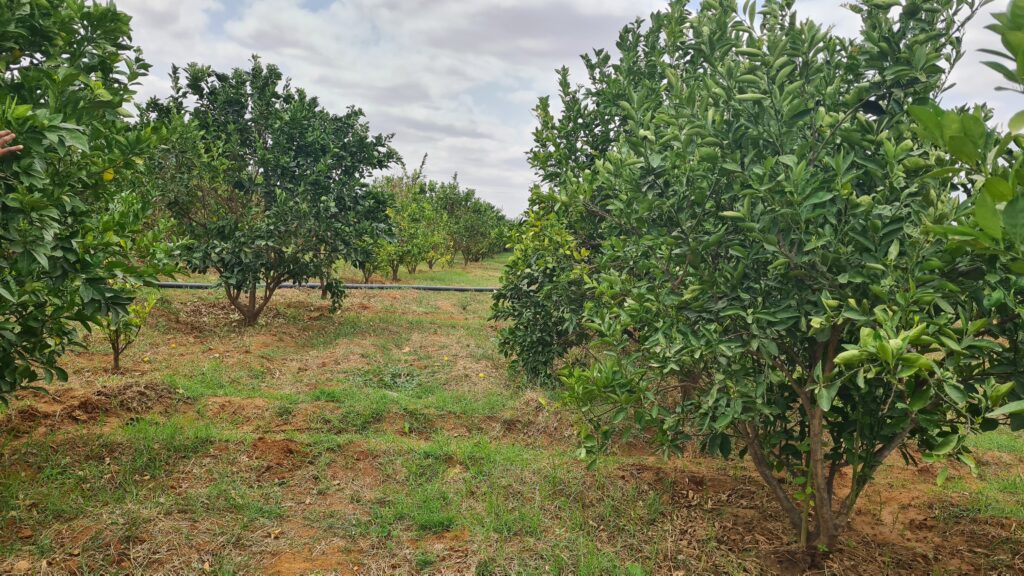
Economic activity has expanded across multiple sectors. Agriculture remains central, but there has been increased attention to investment promotion, including foreign direct investment and diaspora engagement. The establishment of institutions such as Shabelle Bank, described as the country’s first interest-free banking service tailored to Islamic finance principles, is presented as part of a broader effort to deepen financial inclusion.
Social indicators are also highlighted in official narratives. Programs targeting education access, harmful traditional practices such as female genital mutilation, and public health have reportedly gained traction. While independent verification varies, these initiatives are consistently framed as part of a wider reform agenda.

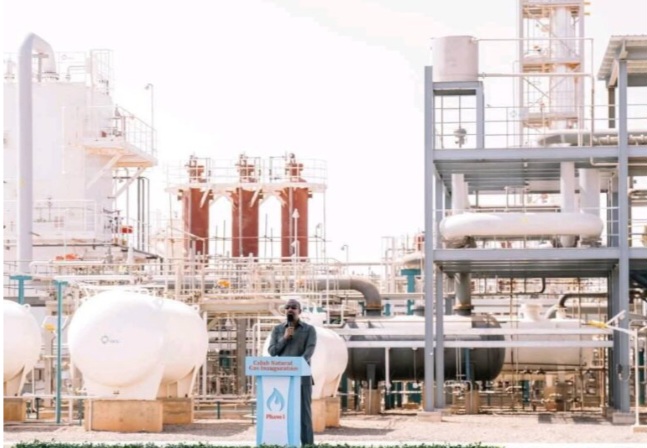
Tourism and infrastructure development are increasingly positioned as emerging sectors. The region’s strategic location, particularly in relation to energy resources such as natural gas, has drawn attention to its potential role in Ethiopia’s long-term economic planning.
Taken together, these developments have contributed to a shift in how the Somali Region is perceived within the country. Once described in policy discussions as a marginalized frontier, it is now more frequently portrayed as a region with strategic importance and growing stability.

Analysts note that this transformation is closely tied to the political alignment between the federal government and the regional administration. The working relationship between Prime Minister Abiy Ahmed and President Mustafe Mohammed Omar is often cited by officials as a key factor enabling policy coordination and implementation.
Against this backdrop, recent claims suggesting political rupture or inflammatory statements attributed to regional leadership appear inconsistent with on-the-ground dynamics. The broader pattern points instead to institutional cooperation and shared policy direction.
The Somali Region’s trajectory also carries symbolic weight in Ethiopia’s federal system. Its relative stabilization and development are being framed as evidence that regions once considered vulnerable can transition into contributors to national growth, provided there is sustained political commitment and coordination.
This analysis suggests that while misinformation campaigns continue to circulate, their claims are increasingly challenged by observable developments. In this case, the gap between narrative and reality appears significant, with the latter grounded in a record of reform and incremental progress.
This report was prepared by Horn Media News in collaboration with the Somali Regional State Communication Bureau.
———-
Editor’s Disclaimer:
The views and opinions expressed in articles published by Horn News Hub are those of the authors and do not necessarily reflect the official position or editorial stance of Horn News Hub. Publication does not imply endorsement.