

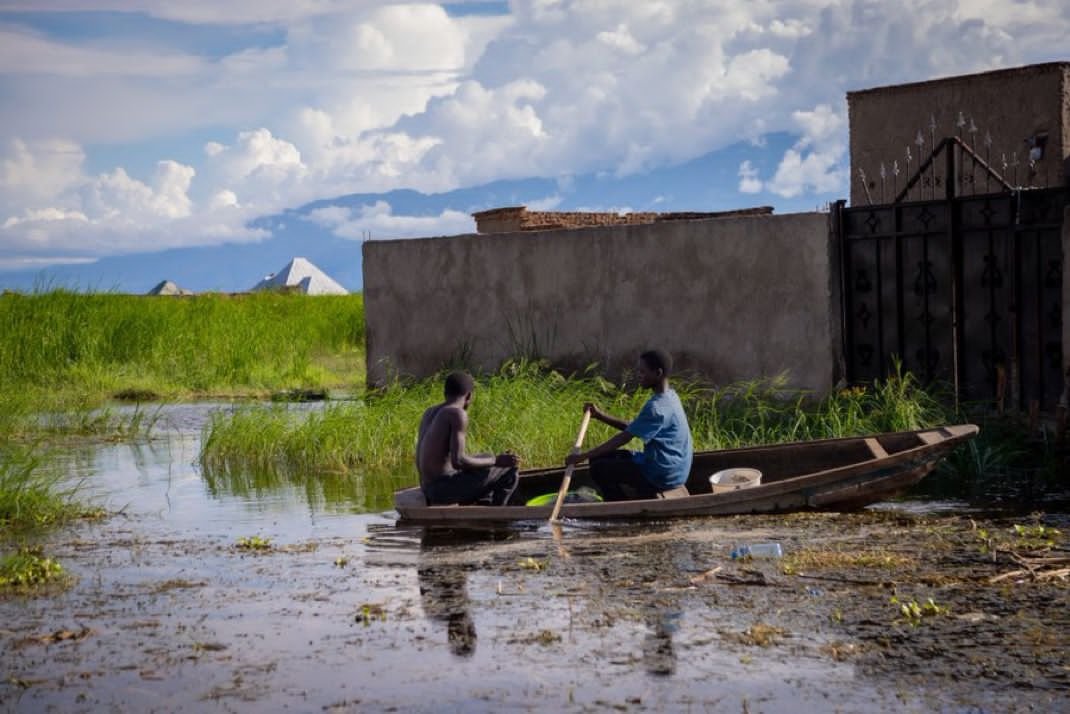
Horn News Hub, Addis Ababa, September 4, 2026 — The International Organization for Migration (IOM) has appealed for $110 million to support early action aimed at protecting 4.9 million people from the potential impacts of the developing 2026 to 2027 El Niño phenomenon.
IOM said the funding would support preparedness, early warning systems, the prepositioning of essential supplies and rapid assistance for communities facing increased risks of displacement due to drought, flooding and extreme heat.
The appeal follows new forecasts from the World Meteorological Organization indicating a near 100 percent probability that El Niño will persist through February 2027. IOM said the phenomenon is developing in a world that is already warmer than during previous El Niño events.
According to IOM, some areas could experience severe drought, while others may face heavier rainfall, flooding and extreme heat. Communities already affected by conflict, displacement and food insecurity are considered particularly vulnerable to the impacts, which could damage crops, disrupt livelihoods and water supplies, and increase displacement.
IOM cited previous El Niño events as an indication of the potential scale of the crisis. The agency said the 2015 to 2016 El Niño affected more than 60 million people worldwide, while the 2023 to 2024 event contributed to severe drought conditions in Southern Africa that affected nearly 68 million people.
The agency said it is currently part of anticipatory action frameworks in 12 countries and that early support provided in five countries in 2025 reached nearly 313,000 people ahead of forecast climate shocks.
Under the new appeal, IOM plans to combine displacement analysis with weather and climate forecasts to identify areas where risks are likely to intensify. The agency also plans to strengthen people centered early warning systems and support governments with contingency planning, preparedness exercises and the prepositioning of relief supplies.
IOM said its planned response will cover priority countries across Eastern, Horn and Southern Africa, as well as regions in Asia and the Pacific, West and Central Africa, Latin America and the Caribbean, and selected areas of the Middle East and North Africa.
The agency said flexible funding would allow resources to be redirected quickly as the location and severity of El Niño impacts become clearer in the coming months.
IOM Deputy Director General Ugochi Daniels said early action could help reduce humanitarian needs and enable vulnerable communities to respond before climate related shocks escalate.