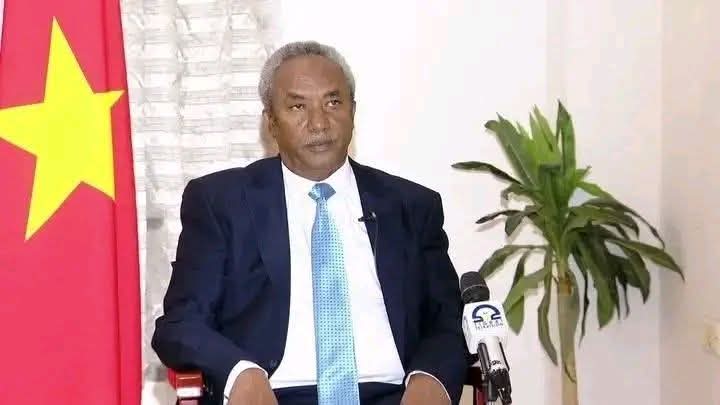

Addis Ababa, Ethiopia — June 1, 2026 | Horn News Hub
Fatuma Mohammed Yasin, Head of the Afar Regional Bureau of Women and Social Affairs and a candidate for the Afar Regional Council, cast her vote at Awash Fentale Constituency, Awash Town, Awash Subah Kilo Polling Station during Ethiopia’s seventh general election.
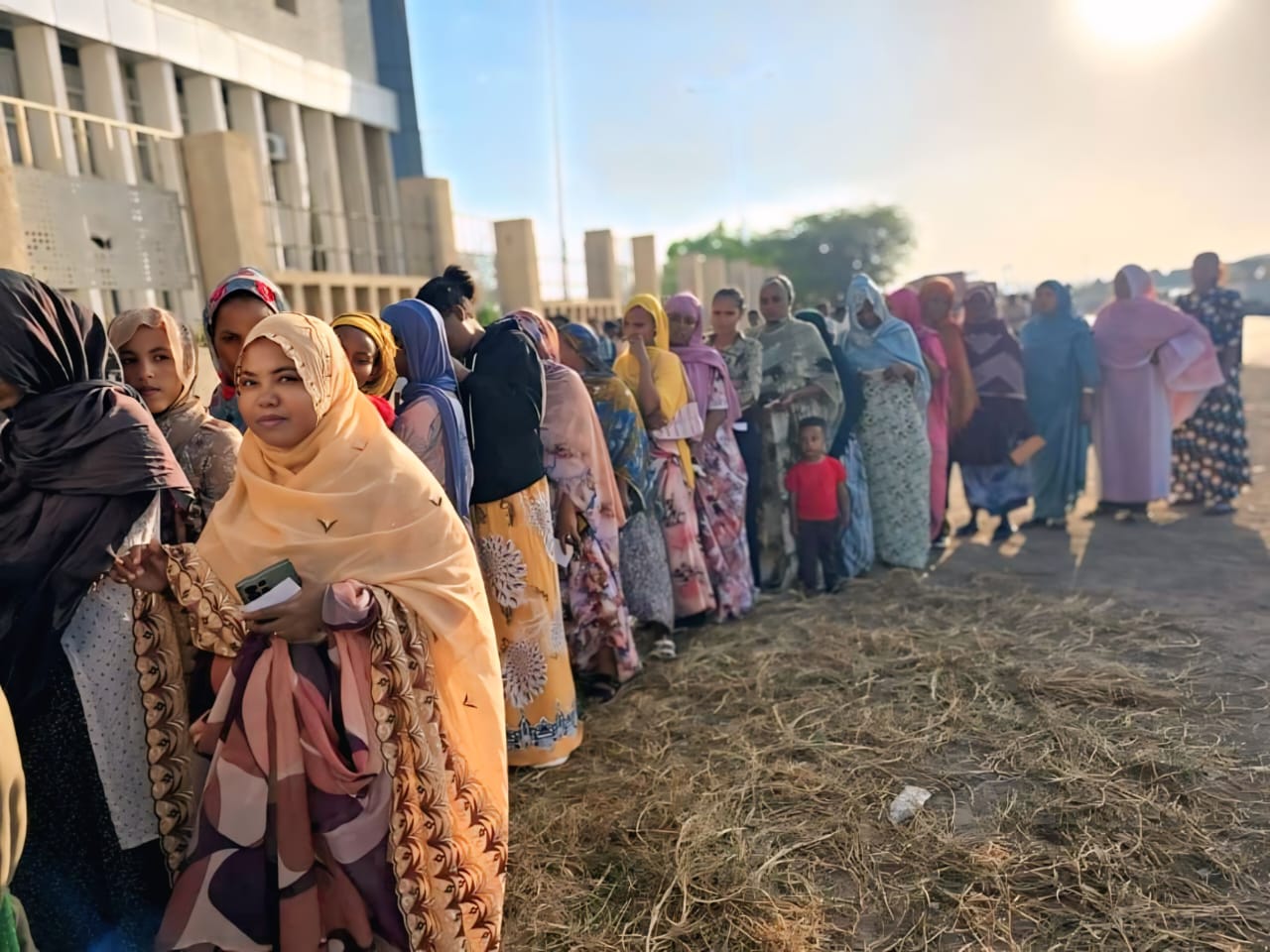
Her participation reflects a broader shift in the political landscape of the Afar Region, where women are increasingly assuming leadership roles and participating in decision-making processes at both regional and federal levels.
For many years, Afar women remained underrepresented in politics and public administration. Cultural barriers, limited access to education, and the region’s historically pastoral lifestyle contributed to low levels of female political participation. While women played significant roles in family and community life, their presence in formal political institutions remained limited.
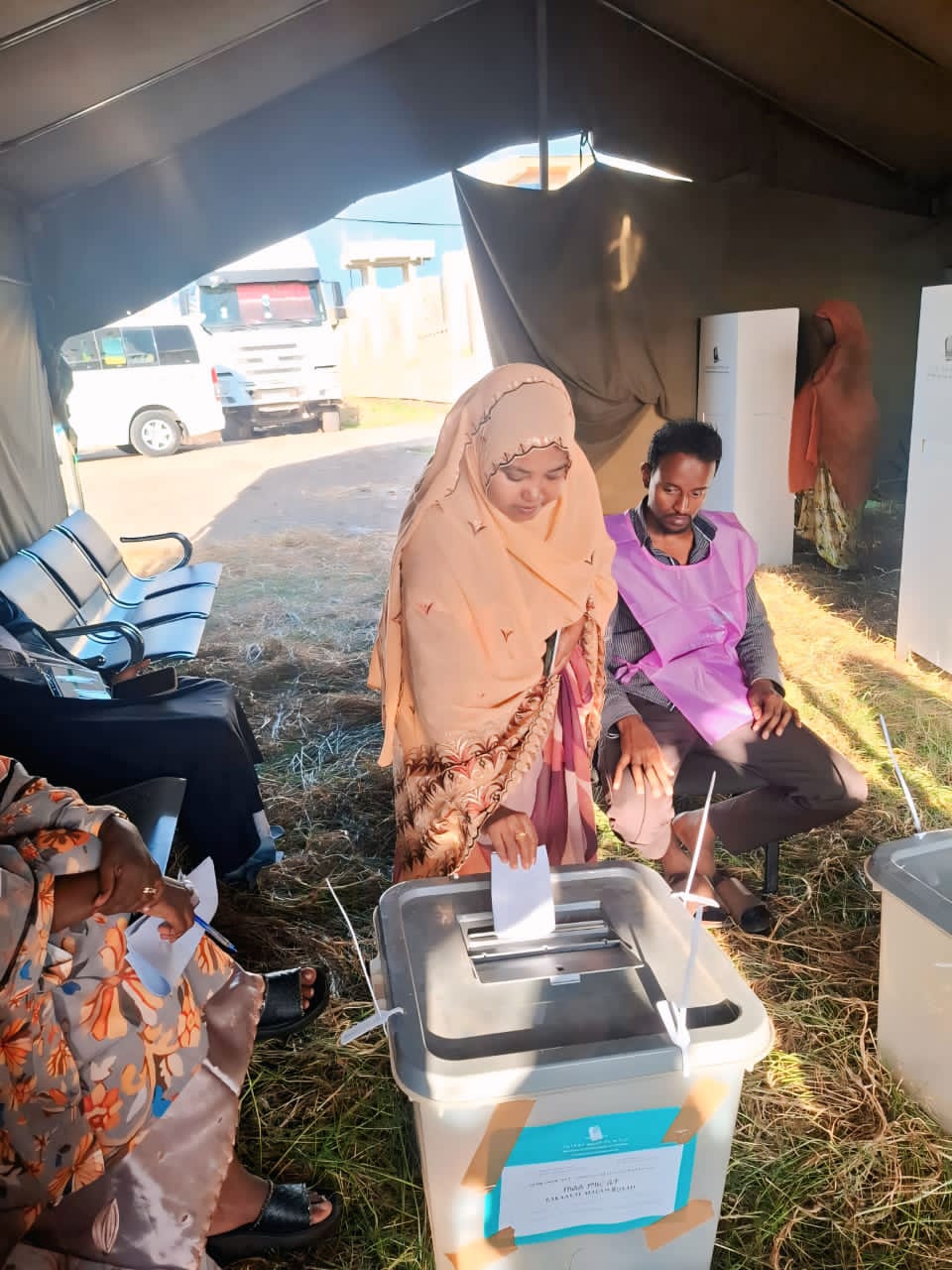
Recent years, however, have witnessed gradual but notable changes. Government reforms aimed at increasing women’s representation, combined with expanding educational opportunities and economic development programs, have enabled more Afar women to enter public service and leadership positions.
One of the most prominent examples is Defence Minister Aisha Mohammed Mussa, an Afar politician who holds one of the most influential positions in Ethiopia’s federal government. Her appointment has been widely viewed as a milestone for women’s representation from historically marginalized communities.
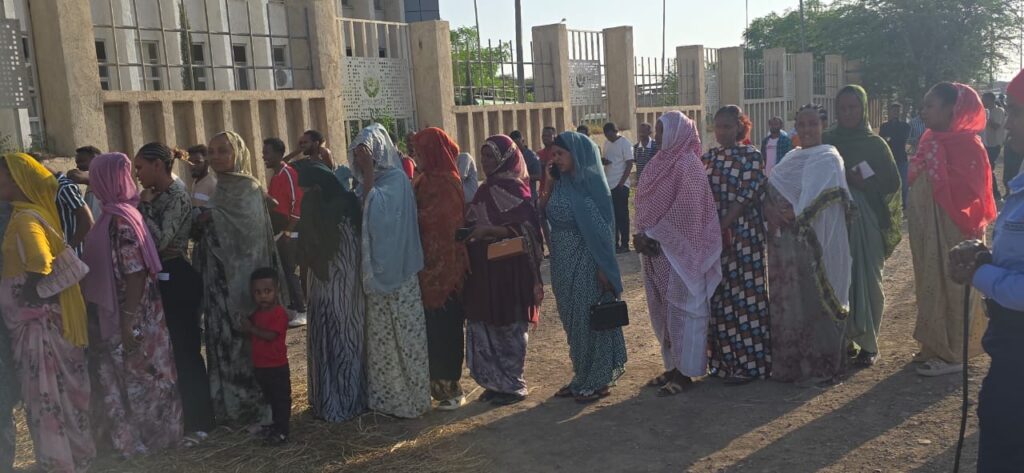
At the regional level, women such as Fatuma Mohammed Yasin have become increasingly visible in governance, social development, and public administration. Their participation reflects a growing recognition of the importance of including women in policymaking on issues ranging from education and healthcare to economic development and social welfare.
Analysts note that greater female representation can contribute to more inclusive governance by bringing diverse perspectives to political decision-making. In regions such as Afar, where communities continue to face challenges related to climate vulnerability, infrastructure development, education, and social services, the participation of women leaders is often seen as an important component of sustainable development.
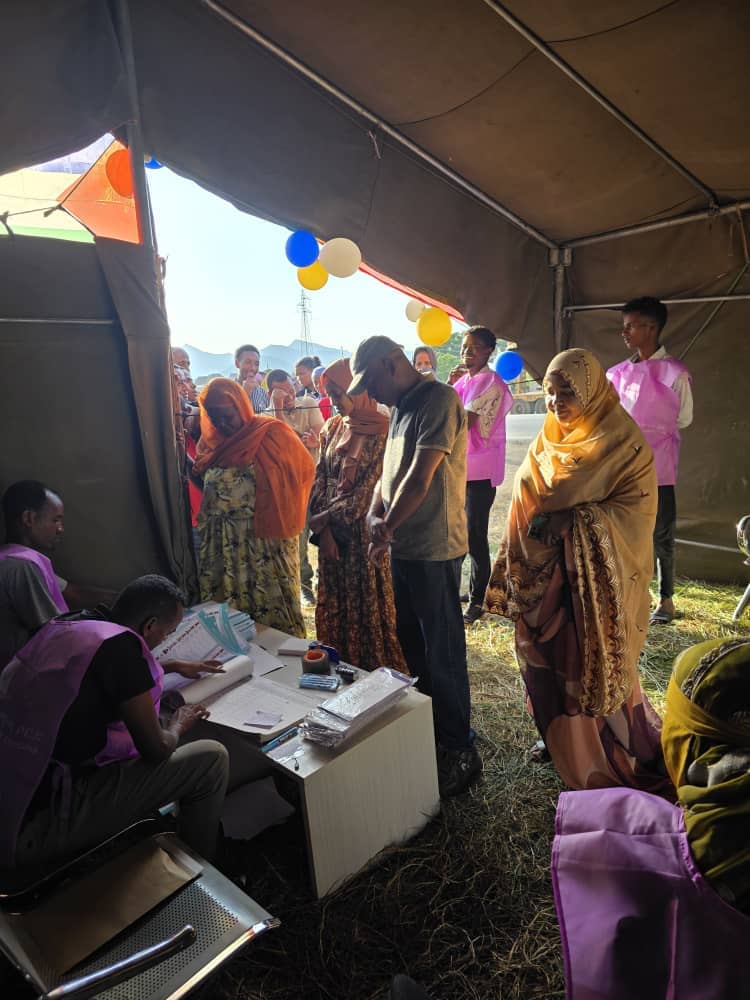
The presence of female candidates and officials during the election also highlights the gradual transformation of political participation in Afar. While challenges remain, including the need to further expand opportunities for women at all levels of government, the growing visibility of women leaders suggests a changing political environment.
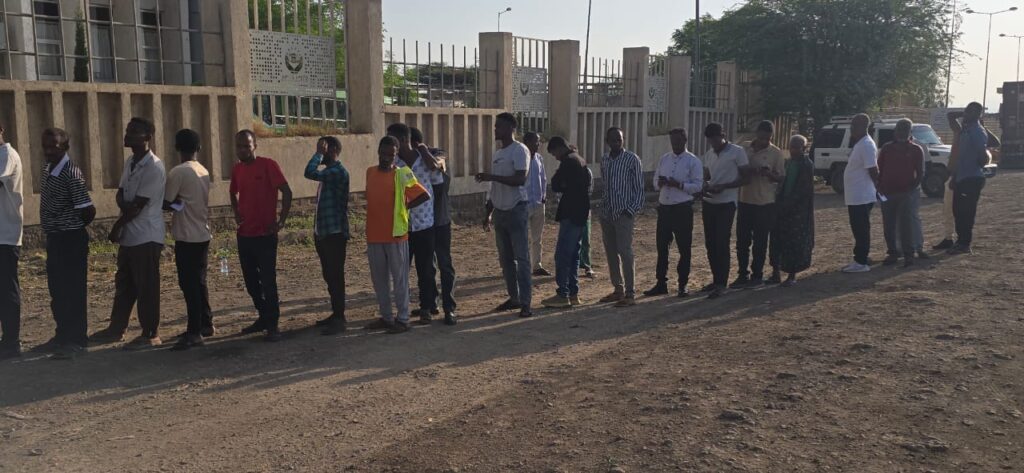
As Ethiopians vote across the country, the participation of figures such as Fatuma Mohammed Yasin illustrates how women from historically underrepresented regions are becoming increasingly involved in shaping political and development priorities at both regional and national levels.
Editor’s Disclaimer:
The views and opinions expressed in articles published by Horn News Hub are those of the authors and do not necessarily reflect the official position or editorial stance of Horn News Hub. Publication does not imply endorsement.