
Addis Ababa, Ethiopia — May 16, 2026 | Horn News Hub
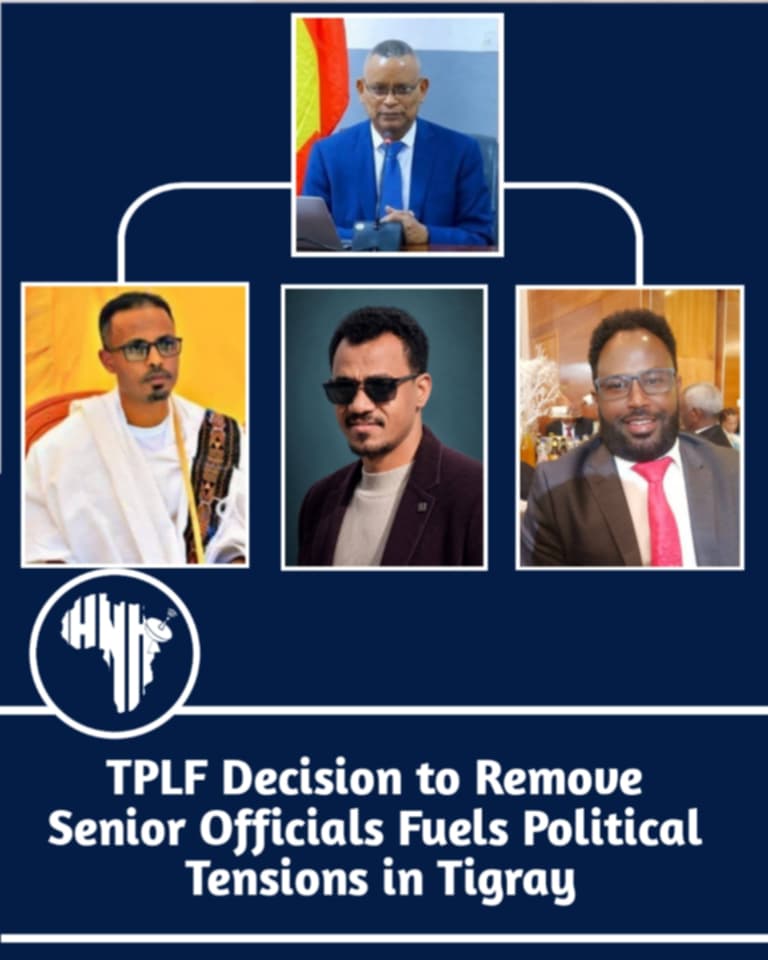
Recent leadership changes within the Tigray People’s Liberation Front have triggered growing discussion among political observers, former officials, and sections of the Tigrayan public over the direction of governance and internal political restructuring in the region.
Among the latest developments is the decision to oust Dr. Atsebeha Gebre Egzabhier from his position as Head of the Tigray Culture and Tourism Bureau. Dr. Atsebeha had become known for his efforts to strengthen cultural diplomacy, expand international academic partnerships, and promote Tigray’s historical and tourism institutions following the devastating conflict in northern Ethiopia.
His departure has been received with disappointment by some academics, cultural figures, and members of the diaspora who viewed his tenure as an important step toward rebuilding institutional engagement with international partners. Supporters argue that his initiatives helped revive cultural visibility for Tigray during a period of political and economic uncertainty.
The leadership change comes amid broader reports that more than 33 officials have been removed from various government and administrative positions in recent months. Critics of the reshuffle allege that the positions are increasingly being filled by individuals aligned with what they describe as the “Sibhatist” political circle, referring to networks associated with veteran TPLF figures and long standing party structures.
Critics further argue that the ongoing restructuring reflects the strengthening of what they describe as the “Sibhatist dynasty” within the Tigray People’s Liberation Front, consolidating power around long established political networks associated with the party’s old guard. According to these critics, the emerging structure risks politically and diplomatically isolating Tigray by weakening relations with Ethiopia’s federal government and eroding trust with the international community.
Some observers also claim that recent political actions by sections of the TPLF leadership contradict the spirit and implementation framework of the Pretoria Agreement, raising concerns about the future of the peace process, regional stability, and post war recovery efforts. Analysts warn that growing tensions inside the TPLF could complicate ongoing normalization efforts between Mekelle and Addis Ababa at a time when millions of civilians continue to face humanitarian and economic hardship.
Supporters of the leadership changes, however, maintain that the appointments are necessary to restore administrative cohesion and institutional discipline after years of conflict, fragmentation, and political instability. They argue that experienced party loyalists are being entrusted with key responsibilities to stabilize governance structures and implement reconstruction priorities.
The TPLF has not publicly provided detailed explanations regarding the specific reasons behind the recent removals and appointments. The developments nevertheless continue to fuel debate both inside Tigray and among diaspora communities about transparency, representation, and the balance between political continuity and institutional reform.
Political observers say the ongoing changes may significantly shape the region’s internal political landscape as Tigray navigates recovery efforts, unresolved security concerns, and broader negotiations over Ethiopia’s future federal order.
Editor’s Disclaimer:
The views and opinions expressed in articles published by Horn News Hub are those of the authors and do not necessarily reflect the official position or editorial stance of Horn News Hub. Publication does not imply endorsement.