
Mekell,Horn News Hub
The Forgotten Famine in Tigray: Humanitarian Crisis Deepens as Political Tensions Rise
Mekelle, Tigray
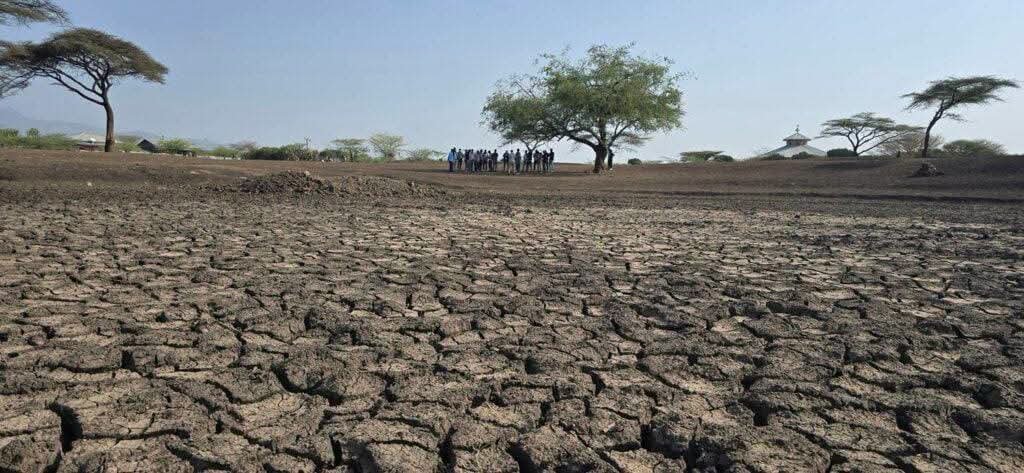
Tigray is facing a deepening humanitarian crisis as drought, water shortages, food insecurity and livestock losses affect communities across several parts of the region. At the same time, concerns are growing among humanitarian and civic actors that political and military developments are receiving greater attention than the immediate needs of drought affected communities.
Critics of the Tigray People’s Liberation Front (TPLF) say the group’s continued political and military mobilisation, including preparations that they describe as being linked to a possible renewed conflict, risk diverting attention and resources from the deteriorating humanitarian situation.
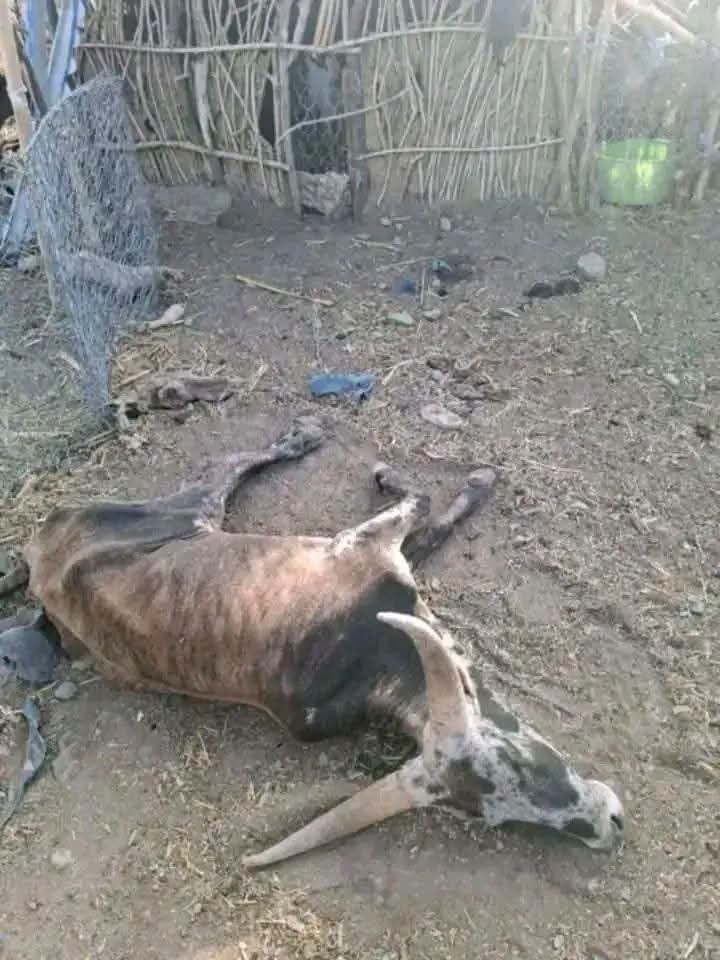
The allegations come as communities in areas including Raya, Irob, Tembien and Atsbi reportedly face severe shortages of food and water, with vulnerable households increasingly struggling to protect their livelihoods and livestock.
The contrast is particularly significant given Tigray’s experience during the 2015 to 2016 El Niño related drought. Early warning, coordination and mobilisation of humanitarian resources helped prevent severe drought conditions from developing into a large scale famine emergency.
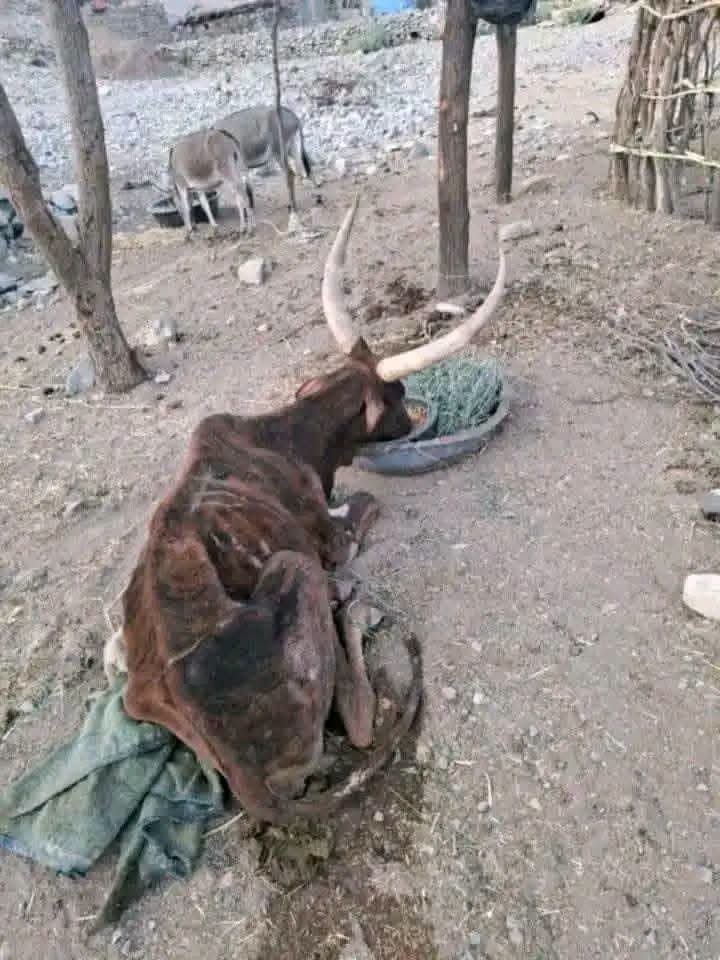
Today, however, the region is emerging from years of conflict that have damaged infrastructure, weakened livelihoods and displaced large numbers of people. Against this background, humanitarian specialists argue that political leaders should prioritise drought response, food assistance, water supply and protection of livestock.
The TPLF has historically been a dominant political and military actor in Tigray, and its current political activities remain closely watched. Claims that it is preparing for another war should therefore be independently verified and clearly distinguished from confirmed developments.
For communities facing drought, however, the immediate concern is less about political positioning and more about survival.
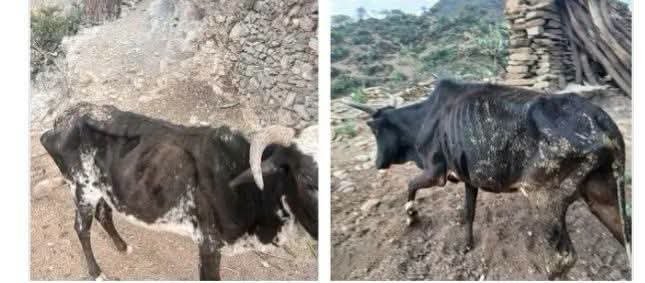
Emergency food assistance, treatment for acute malnutrition, water trucking, rehabilitation of water points, livestock feed and veterinary services are among the interventions that could help prevent further deterioration.
The humanitarian challenge also places responsibility on the federal government, regional authorities, international agencies, donors, civic organisations and the diaspora to coordinate an effective response.
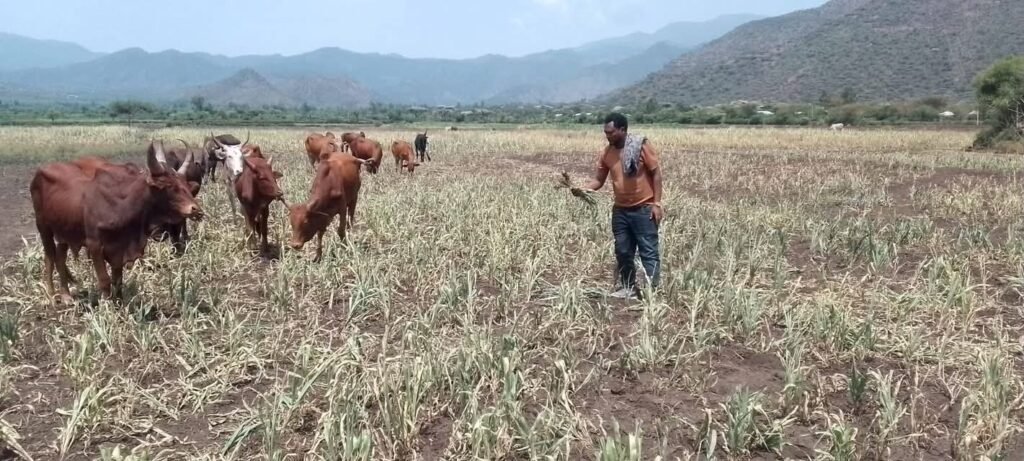
The central question facing Tigray is whether political actors can place humanitarian needs ahead of renewed confrontation. With drought already affecting vulnerable communities, further political or military escalation could make an already fragile situation considerably more difficult to manage.
The warning from the current crisis is clear: delaying humanitarian action while political tensions intensify risks turning a preventable drought emergency into a much larger humanitarian catastrophe.
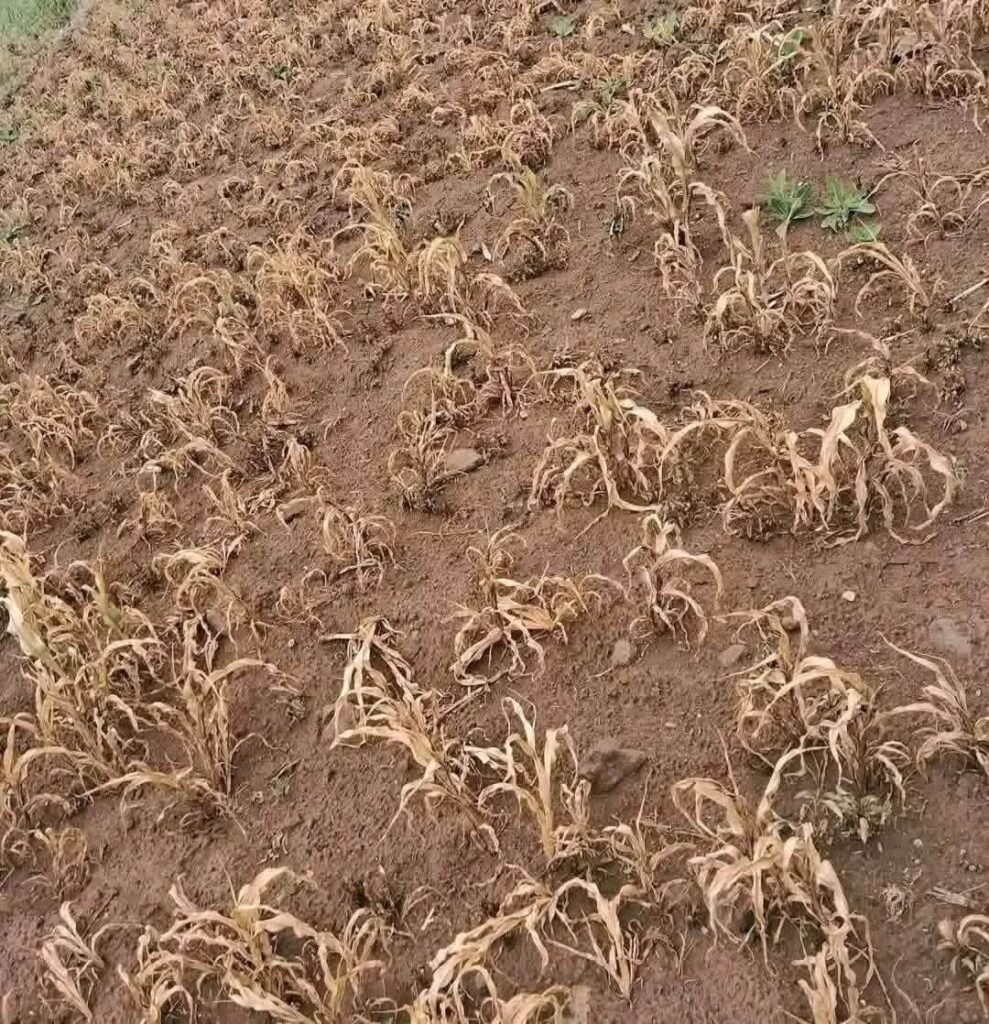
More than three million people across Tigray Region have been affected by the drought, according to the Tigray Regional Disaster Risk Management Office. The office said the situation has placed significant pressure on affected communities and increased the need for urgent humanitarian assistance and coordinated response measures.