

Addis Ababa፡-HNH(26,June 2026-
By Chekole Alemu
The sounds echoing through the compound of Tsirha Aryam St. Gabriel Church in Mekelle are no longer those of incense, sacred hymns, and prayer, but cries of anguish and mourning. The overnight military raid carried out on June 26 (Sene 19 in the Ethiopian calendar) has left what many describe as another dark stain on Tigray’s recent history. Young religious students who sought sanctuary within the church compound found themselves caught in an operation that shattered both their safety and their hopes. Survivors who managed to escape released emotional video messages pleading, “Help us. Be our voice,” a desperate appeal that underscores the fear and uncertainty confronting many young people in the region.
The operation comes amid an intensified campaign of forced military mobilization that has spread across Tigray. Under regulations issued by the TPLF authorities, every physically capable Tigrayan aged 15 and above is required to report for military service, while those who refuse face severe penalties, including lengthy prison sentences. Within a single month, more than 30,000 young people have reportedly been drawn into compulsory military recruitment. Parents accused of hiding their children are likewise treated as offenders, creating an atmosphere of fear that has driven countless families into hiding and forced many young people to flee their homes.
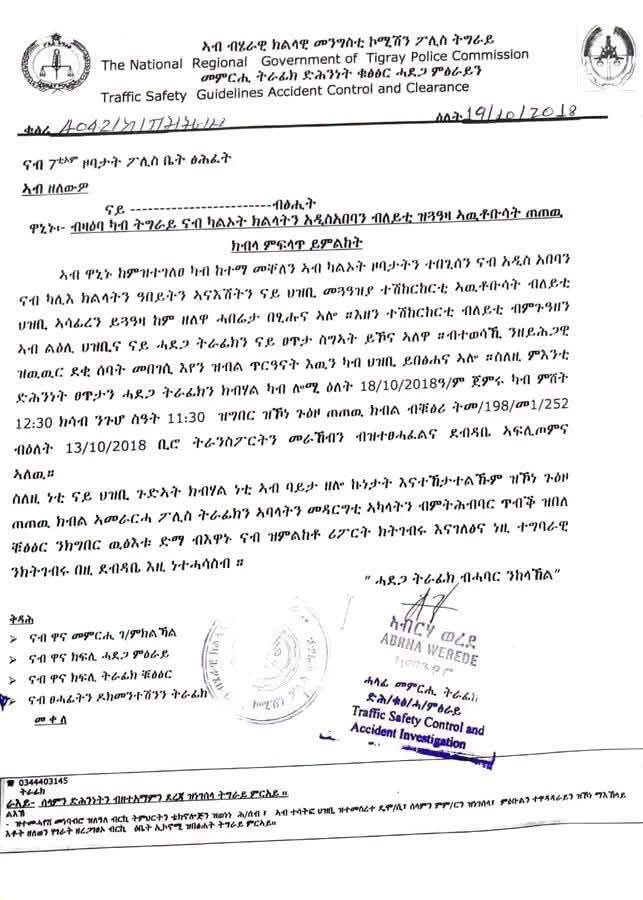
As increasing numbers of youth attempt to escape Tigray for Addis Ababa and other parts of Ethiopia, authorities have imposed new restrictions on movement. Under directives presented as measures to improve transportation safety and combat human trafficking, travelers leaving the region are now required to obtain mandatory travel permits. In practice, these restrictions have further limited freedom of movement and narrowed the remaining avenues through which young people might avoid forced recruitment.
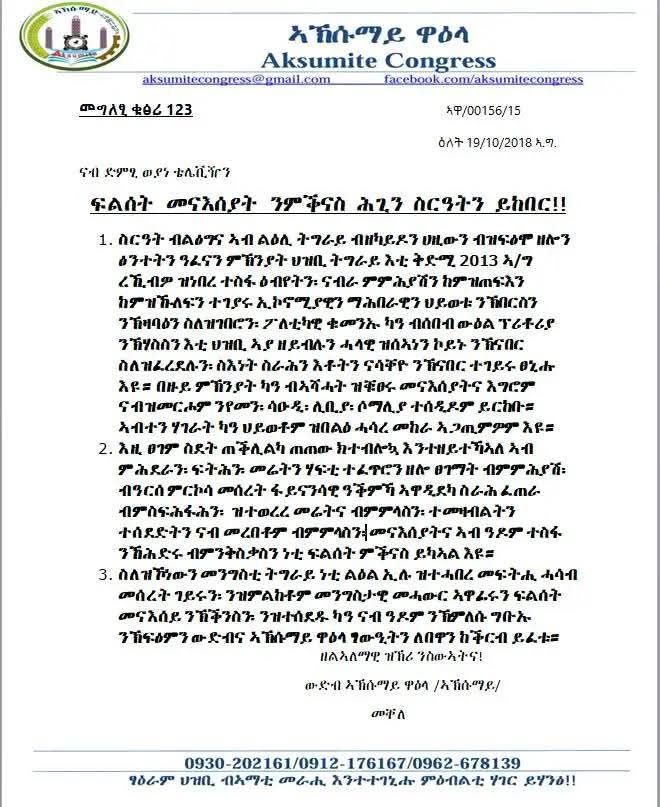
The growing exodus has also prompted political reactions. A group calling itself the Aksumite Congress, widely regarded as aligned with the TPLF, publicly called for urgent action in response to the mass departure of young people from Tigray, reinforcing concerns that authorities view the youth migration primarily through the lens of military mobilization.
The consequences extend well beyond Ethiopia’s borders. Tigrayan refugees in Sudan have reportedly faced increasing pressure as armed actors seek to recruit displaced youth into ongoing conflicts. Many others, believing they have no future at home, continue to undertake perilous journeys through Libya and Yemen, exposing themselves to traffickers, violence, and death in deserts and at sea in pursuit of safety.
According to my reporting and documented evidence, this week TPLF militia also shot young people at Sele Kleka as they attempted to escape forced recruitment, adding another deadly episode to the growing pattern of violence against youth seeking to flee mobilization. The incident further illustrates the increasingly dangerous environment confronting young civilians trying to avoid being drawn into the conflict.
The cumulative effect of these developments raises profound humanitarian, legal, and political concerns. Conducting military operations in places of worship, compelling minors and young civilians into military service, restricting freedom of movement, and using lethal force against those attempting to flee all point to an escalating protection crisis for Tigray’s youth.
These developments also call into question the implementation of the Pretoria Peace Agreement, whose central purpose was to reduce violence, restore civilian protections, and create conditions for lasting peace. Unless meaningful action is taken to protect civilians and uphold the commitments made under the peace agreement, the continuing cycle of forced recruitment, displacement, and violence risks deepening both the humanitarian crisis and long-term instability throughout the region.