
Deep State Concerns in Tigray: President Tadesse Werede Warns of Hidden Power Networks Challenging Interim Administration
By Binyam Girmay
Addis Ababa, Ethiopia — April 22, 2026 | Horn News Hub
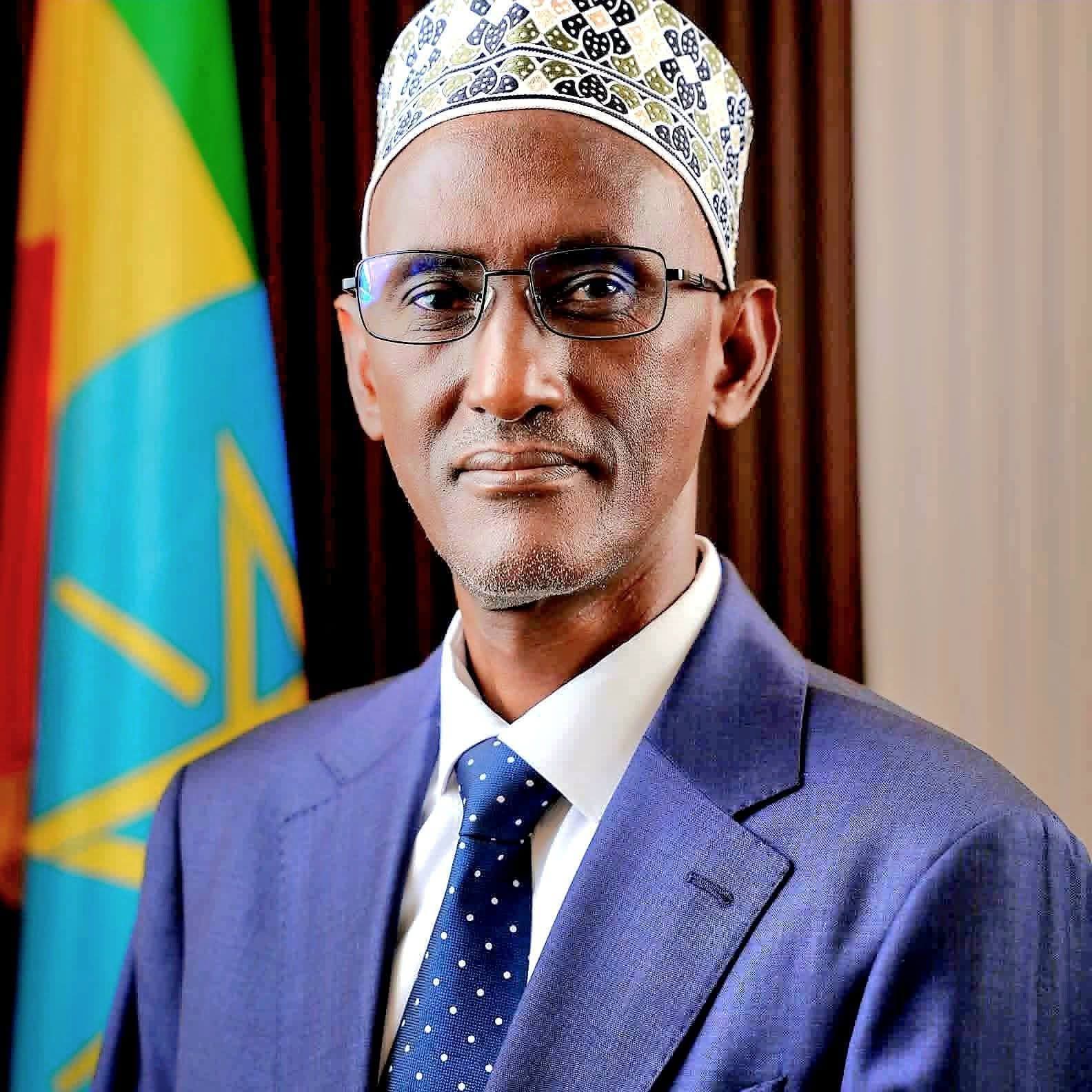
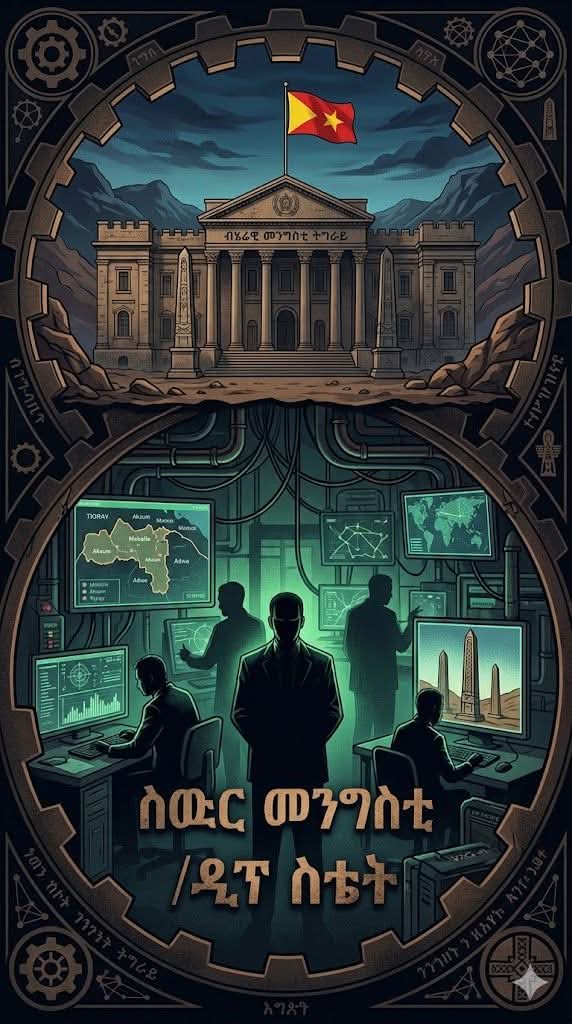
Tigray Interim President Lieutenant General Tadesse Werede has warned that a “deep state” operating behind the scenes is undermining his administration and complicating efforts to stabilize the region.
Speaking during a media briefing on Tuesday, President Tadesse said powerful networks embedded within political, military, economic, and bureaucratic structures are challenging the authority of the Interim Administration. He described the situation as a serious obstacle to governance, peace implementation, and institutional reform in post war Tigray.
The term “deep state” generally refers to unelected individuals or networks that operate within state institutions and exert influence over political decisions regardless of leadership changes. These actors often maintain influence through security structures, economic networks, and bureaucratic systems.
President Tadesse indicated that such actors continue to shape political outcomes in Tigray despite the formal establishment of the Interim Administration following the Pretoria Peace Agreement.
Within Tigray’s complex political landscape, several individuals and networks are often cited by political observers as influential actors operating behind the scenes.
Among them are long standing political and security figures such as Aboy Sebhat and Getachew Assefa, who built significant influence over decades within the TPLF and security institutions. Their extensive networks in intelligence and political structures are believed to continue shaping decision making processes.
Military influence is also frequently mentioned. General Wedi Imbetey is described by observers as maintaining significant influence within military structures, which some argue operates independently from formal civilian political leadership.
Economic influence is another area highlighted in discussions about power dynamics in Tigray. Dr. Abraham Tekeste is often cited as an influential figure in economic policy and bureaucratic structures. His role in shaping financial and institutional decisions is viewed by some analysts as part of broader informal power networks.
Dawit Gebreegziabher is also mentioned by political observers as holding influence within economic and financial circles. His involvement is described as shaping political and economic developments outside formal administrative structures.
Bureaucratic influence has also drawn attention. Fetle Gebreegziabher, commonly known as Menjerino, is frequently described as a key figure within administrative structures. Despite internal divisions within the TPLF, she is viewed by some as maintaining influence over key institutional processes.
External dynamics are also part of the discussion. Some analysts point to Eritrea’s indirect influence in Tigray and Ethiopian politics through intelligence, diplomatic, and informal political channels. Such influence is believed to operate through local actors and long standing networks.
President Tadesse’s remarks come at a time when Tigray continues to face political fragmentation, security concerns, and institutional rebuilding challenges following the devastating conflict.
Observers say the presence of competing power centers and informal networks complicates governance and risks undermining peace implementation, democratic transition, and reconstruction efforts in the region.
President Tadesse emphasized that addressing these hidden power structures is essential to ensuring stability and enabling the Interim Administration to function effectively.
His warning highlights growing tensions within Tigray’s political landscape, where formal authority and informal influence continue to compete for control over the region’s future.
Editor’s Disclaimer:
The views and opinions expressed in articles published by Horn News Hub are those of the authors and do not necessarily reflect the official position or editorial stance of Horn News Hub. Publication does not imply endorsement.