
Mekelle፡Telaviv, Nairobi, Pretoria, London, (Tigray Herald).
Being a Refugee Doesn’t Make Us Voiceless. The U.S. Must Resume Its Refugee Program.
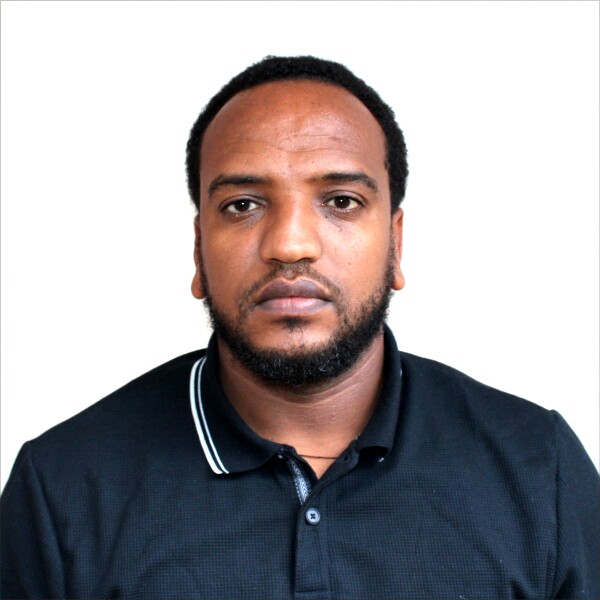
By Chekole Alemu
I fled genocide. Today, I live as a refugee in Kenya. But neither I nor the thousands of other survivors of the Tigray war are voiceless.
I write this from Nairobi, where I now live in exile after escaping one of the 21st century’s deadliest conflicts. During the two-year war in northern Ethiopia, I worked as a journalist documenting atrocities, mass displacement, and the systematic silencing of truth in Tigray. Like countless others, I was ultimately forced to flee for my life.
Yet even after escaping the violence, many survivors remain trapped in another form of uncertainty. The system intended to protect refugees such as myself, the United States Refugee Admissions Program (USRAP), has effectively stalled, leaving many stranded in legal and humanitarian limbo.
In 2023, I hoped to find safety in the United States through the Welcome Corps, a private sponsorship initiative under USRAP. But refugee pathways slowed dramatically under policies introduced during the Trump administration, and many cases remain unresolved. Despite expectations of renewed access under the Biden administration, thousands of vulnerable refugees continue to wait without clarity about their future.
Across Kenya, Uganda, and Sudan, many Tigrayan refugees are surviving without stable legal status or adequate support. In cities, refugees often face homelessness, hunger, and the constant fear of arrest. In camps such as Kakuma and Nakivale, overcrowding, poverty, and inadequate services continue to deepen the trauma experienced by survivors of war.
For many, returning home is not a realistic option. Survivors continue to carry the scars of mass killings, sexual violence, ethnic persecution, and displacement that defined the conflict in Tigray.
Despite everything, we are not passive victims. Since arriving in Nairobi, I have worked to rebuild my life while learning the language, history, and culture of my host country, Kenya. Across East Africa, refugees continue striving for dignity, education, and meaningful participation in society, even while living in uncertainty.
International investigations and human rights reports, including findings by the Tigray Mass Atrocities Research and Response Alliance (TMRRA) and the European Union, documented widespread atrocities committed during the war. Reports described the use of rape as a weapon of war, attacks on civilians, and grave human rights violations allegedly involving Eritrean forces alongside Ethiopian federal and allied regional troops. Survivors continue to live with the physical and psychological consequences of these crimes.
Yet many remain forgotten.
The United States and the broader international community must act urgently to restore credible refugee protection pathways. Programs such as USRAP and the Welcome Corps should prioritize survivors of mass atrocities and those already vetted for resettlement. Refugee protection is not charity. It is a humanitarian and legal responsibility grounded in international principles of human dignity and protection.
At the same time, the growing displacement crisis across the Horn of Africa also demands stronger regional solutions. The failure of global resettlement systems has exposed the need for African-led approaches that reflect African realities.
Regional organizations such as the Intergovernmental Authority on Development (IGAD) are well positioned to lead efforts aimed at improving regional integration, mobility, and refugee inclusion across borders. Rather than treating displacement solely as a security challenge, African governments can pursue policies that recognize mobility as part of regional cooperation, economic resilience, and social integration.
Equally important is the role ordinary citizens have played in supporting displaced communities. In countries such as Kenya and Uganda, local communities have shared resources, opened neighborhoods, and extended solidarity to refugees struggling to rebuild their lives. Their actions demonstrate that compassion and coexistence often move faster than political systems.
Meanwhile, time continues to pass for those left waiting. Children are growing up without certainty about their future. Families remain separated. Journalists, activists, and survivors who once spoke openly are increasingly silenced by exile and instability.
But being a refugee does not mean surrendering one’s voice.
Through this article, I speak not only for myself, but for every survivor of the Tigray war still waiting to be heard.
The world must listen. And it must act.
Chekole Alemu is a journalist from Tigray, Ethiopia, currently living as a refugee in Nairobi, Kenya.