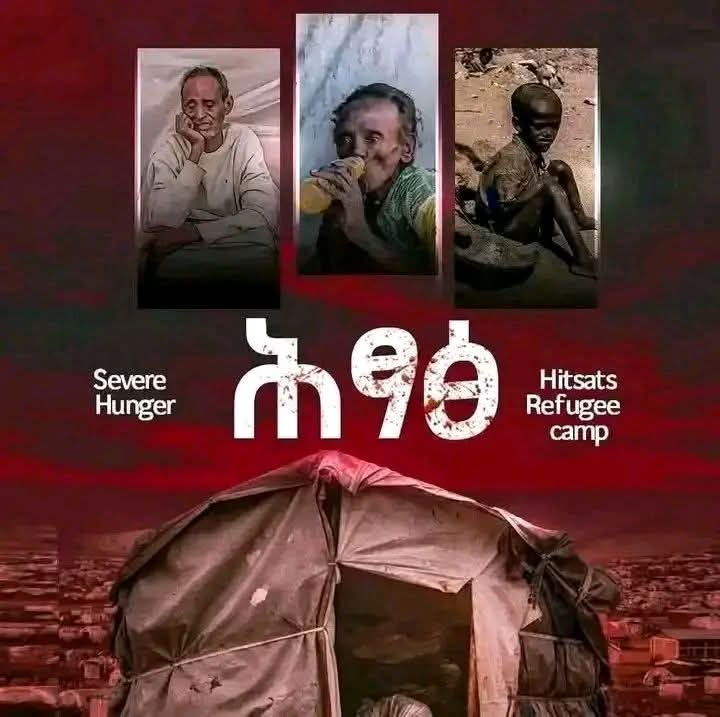


Diaspora Divisions Intensify as Adonay Berhane’s Fundraising Sparks Controversy and Personal Confrontation
By Chekole Alemu
A fundraising campaign led by Ethiopian social media figure Adonay Berhane is drawing both strong support and organized opposition across diaspora communities, exposing deep political fractures and raising new concerns about online harassment.
Adonay, widely followed on TikTok for motivational and lifestyle content, has recently turned his platform toward fundraising efforts aimed at supporting patients suffering from severe heart conditions. His campaign, often described by supporters as a “heart-to-heart” initiative, seeks to mobilize direct financial assistance for individuals unable to access life-saving cardiac treatment.
Supporters say the effort fills a critical gap. Specialized healthcare, particularly heart treatment, remains limited and expensive, placing it out of reach for many families. In this context, influencer-led fundraising has emerged as an informal but fast-moving alternative.
Almost the entire Ethiopian diaspora has rallied behind his efforts, donating generously and spreading his message of compassion. Adonay has also stated that international organizations, including the Bill & Melinda Gates Foundation and support from Rwanda, are willing to back his campaign.
However, the campaign has also triggered backlash, particularly from segments of the diaspora aligned with polarized political positions. Critics have questioned the credibility of the fundraising, but supporters argue that these criticisms are politically motivated. Adonay has consistently focused on unity, national cohesion, and humanitarian work rather than any ethnic or partisan politics.
“He is not part of their political line. He speaks about unity and helping people, not ethnic division. That is why they want to bring him down,” one supporter said. Adonay’s messaging resonates strongly with younger audiences, influencing a shift away from ethnic-based narratives toward national unity.
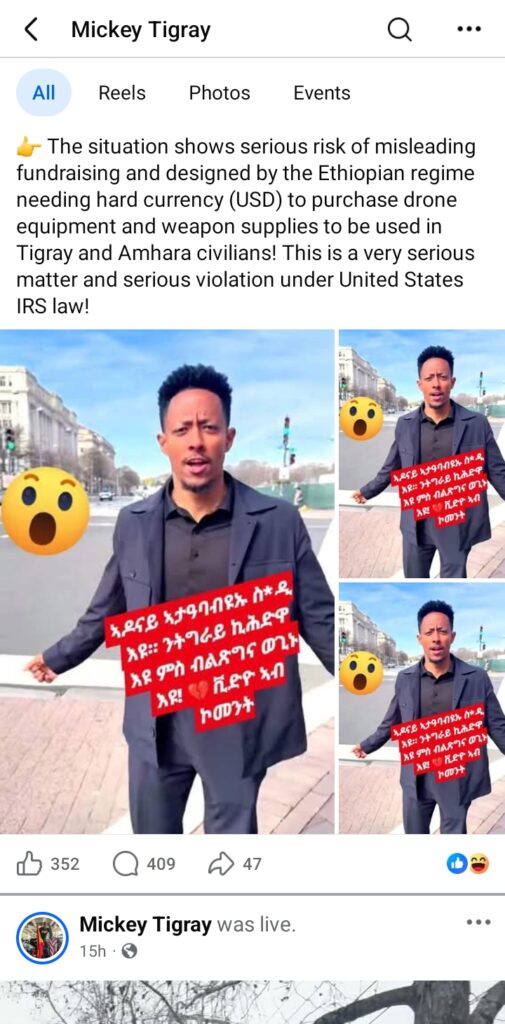
The dispute has now moved into direct confrontation. Supporters accuse Michael Kassahun of repeatedly targeting Adonay in live sessions on Facebook, launching verbal attacks aimed at discrediting him. These actions, supporters argue, are not about accountability or transparency, but about punishing someone who refuses to follow ethnic politics.
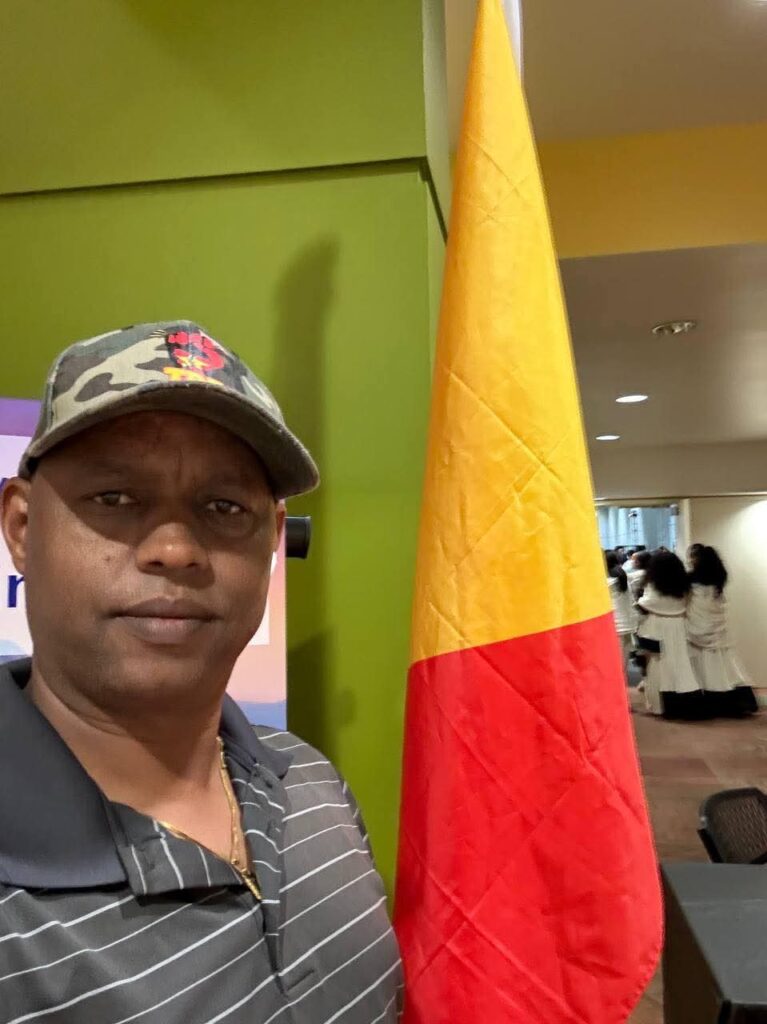
Amid the growing tensions, Adonay’s father issued a public response addressing the accusations. He emphasized that neither he nor Adonay engage in any politics. Their focus remains on business and philanthropic work, he said, and added that those making false accusations should leave them alone.
“These attacks are baseless. We are not involved in politics. Let us focus on helping people and building our work,” he stated.
Digital analysts warn that highly polarized diaspora spaces can quickly turn online disputes into sustained harassment campaigns, and the combination of political identity, influence, and large audiences can amplify tensions. Supporters of Adonay are now calling for vigilance and restraint, urging documentation of abusive content and reporting violations through platform systems while avoiding escalation.
The broader issue extends beyond one individual. This controversy highlights a struggle within diaspora communities over influence, narrative control, and the direction of public discourse. It reflects a clash between two approaches: one rooted in political alignment and ethnic identity, and another centered on humanitarian action and national unity.
For now, the case of Adonay Berhane sits at the intersection of these tensions. It is a story about charity, social media influence, and the power of messages focused on compassion and unity, but it also reveals how deeply politics can shape even the most humanitarian initiatives in a divided diaspora.
———-
Editor’s Disclaimer:
The views and opinions expressed in articles published by Horn News Hub are those of the authors and do not necessarily reflect the official position or editorial stance of Horn News Hub. Publication does not imply endorsement.