
“We Will Become Guardians and Ambassadors of Peace” : Why the DDR Process in Tigray Has Stalled
Politics, economics, and fragile trust shape the future of post-war reintegration
Nearly four years after the signing of the Pretoria Peace Agreement ended the devastating war in northern Ethiopia, one of its most important pillars remains uncertain. The Disarmament, Demobilization, and Reintegration (DDR) program in Tigray, designed to transition tens of thousands of former fighters into civilian life, has slowed significantly after an early period of progress.
The slowdown reflects deeper political divisions, economic constraints, and unresolved security questions that continue to shape the fragile post-war environment.
At the center of the effort is the Ethiopian National Rehabilitation Commission, established in November 2022 to oversee the demobilization and reintegration of more than 370,000 former combatants across Ethiopia. The commission was tasked with guiding former fighters through rehabilitation and helping them return to civilian life through financial assistance, psychosocial support, vocational training, and employment opportunities.
In Tigray, however, the process has become increasingly difficult to sustain.
Early Progress and Initial Optimism
During the first phase of implementation, the DDR program showed measurable progress.
By mid-2025, the commission reported that more than 56,000 former fighters had been demobilized and reintegrated across several regions of the country. Authorities expected the first phase of demobilization in Tigray to be completed within the same year.
Reintegration initiatives were designed to channel former combatants into agriculture, small business development, technical training, and education. The goal was to stabilize communities still recovering from widespread destruction caused by the war.
But the pace of the program gradually slowed as political tensions in Tigray intensified.
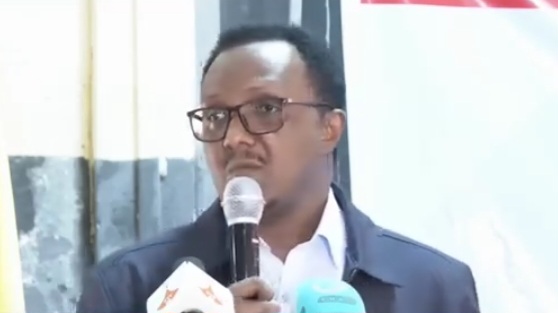
According to Commissioner Temesgen Tilahun, the “current situation in Tigray” forced the commission to suspend or delay parts of the DDR process in the region. While officials did not specify exact triggers, analysts link the slowdown to growing divisions within the Tigray People’s Liberation Front and disputes over political authority and security control in the region.
Political Fragmentation and Trust Deficit
DDR programs depend heavily on political cohesion.
Disarmament requires a functioning chain of command and trust between federal authorities, regional leadership, and former fighters. When competing factions emerge within political or military structures, that chain of command becomes fragile.
In Tigray, internal disagreements over leadership, security oversight, and institutional control have complicated coordination with federal programs. As a result, demobilization schedules have become unpredictable, and reintegration planning has slowed.
For many former fighters, uncertainty about who holds authority in the region also raises concerns about their personal security and future livelihoods once they surrender their weapons.
The experience illustrates a central lesson in post-conflict recovery: DDR succeeds only when political stability supports it.
Economic Consequences for Former Fighters
The slowdown carries serious economic consequences.
Reintegration programs are meant to help former combatants rebuild their lives through training, financial assistance, and employment opportunities. When such programs stall, thousands of young people remain trapped in a transitional phase between war and civilian life.
Many former fighters have not yet returned to education, farming, or private enterprise. In a region where infrastructure, businesses, and farmland were heavily damaged during the war, the absence of structured reintegration pathways risks deepening unemployment and frustration.
Experts warn that incomplete reintegration can leave former combatants economically marginalized and socially disconnected. These conditions can undermine long-term stability and increase the risk of renewed tensions.
DDR therefore functions not only as a security mechanism but also as a key pillar of economic recovery.
Structural and Financial Constraints
Political challenges are only part of the problem.
Supporting hundreds of thousands of former combatants requires significant financial and institutional resources. Reintegration packages often include healthcare, counseling services, housing support, and vocational training programs delivered at a large scale.
Much of the technical and financial support comes from international partners, including the United Nations Development Programme, which works with Ethiopian authorities to support post-conflict recovery initiatives.
Funding gaps, logistical constraints, and bureaucratic delays have slowed implementation. At the same time, security pressures in other parts of Ethiopia continue to stretch government resources and limit the attention available for comprehensive rehabilitation programs.
A Rare Sign of Progress: The “Army 70” Reintegration
Despite the broader slowdown, a recent development has offered a rare sign of momentum.
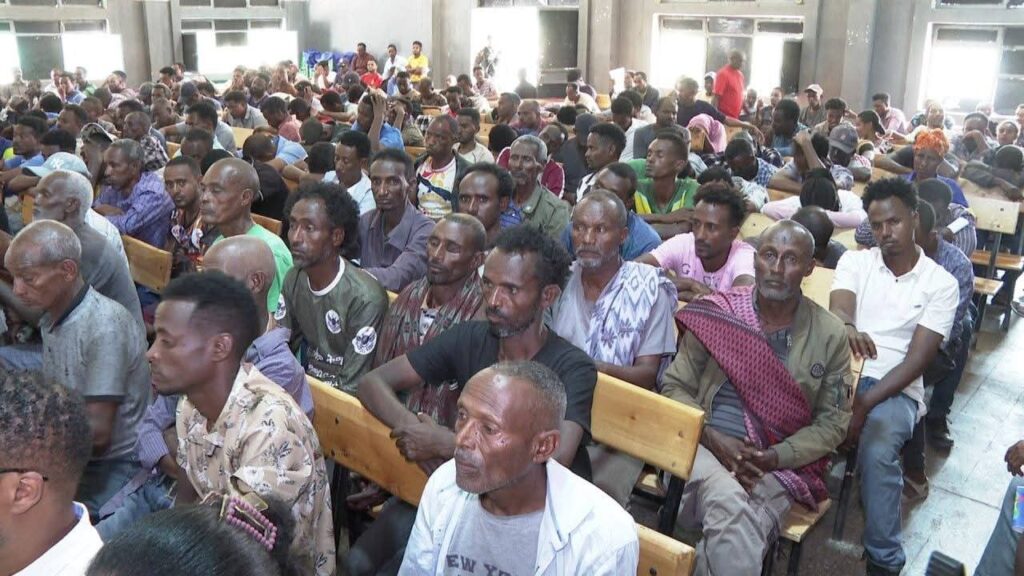
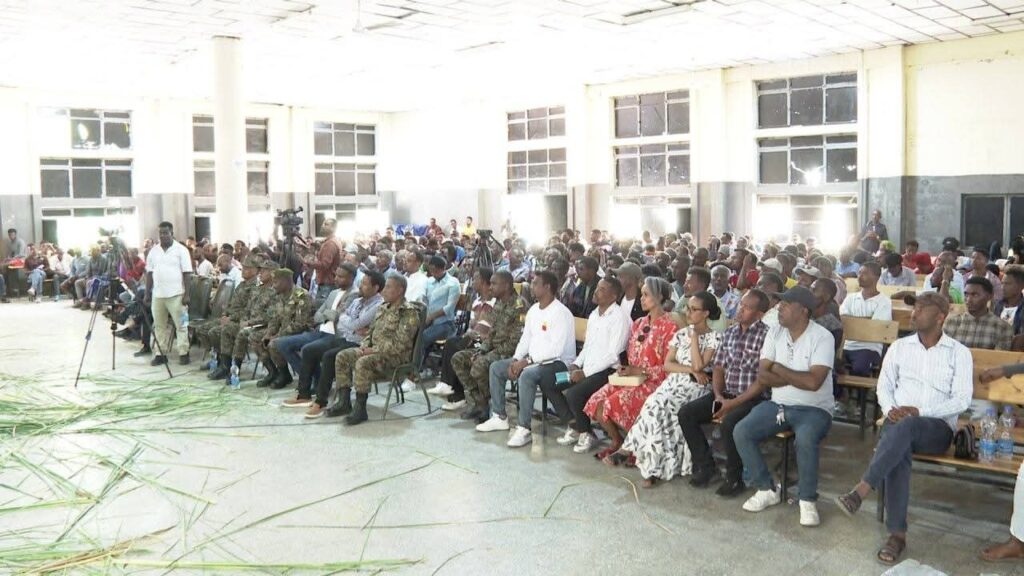
More than 500 former fighters known as “Army 70” completed rehabilitation and reintegration training at a temporary demobilization center in Awash Arba.
The participants were originally members of the Ethiopian National Defense Force who later fought alongside TPLF forces during the northern conflict.
The government accepted the request and designated the Awash Arba temporary demobilization center for the program.
According to the National Rehabilitation Commission, the participants completed internationally standardized verification, registration, and rehabilitation training aimed at preparing them for civilian life.
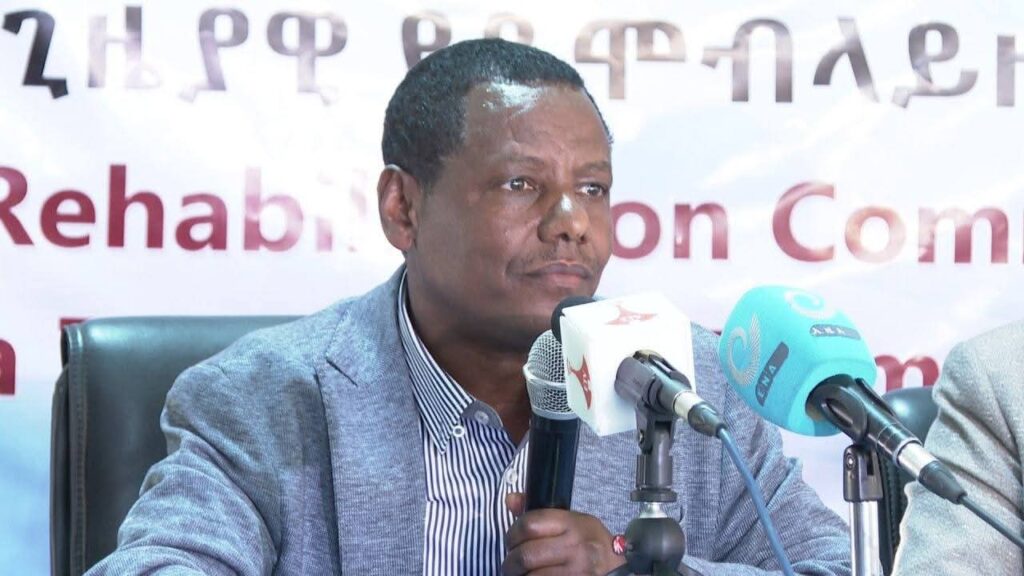
Speaking during the closing ceremony, Abraham Belay(Phd) said the federal government has been implementing its responsibilities under the Pretoria peace agreement.
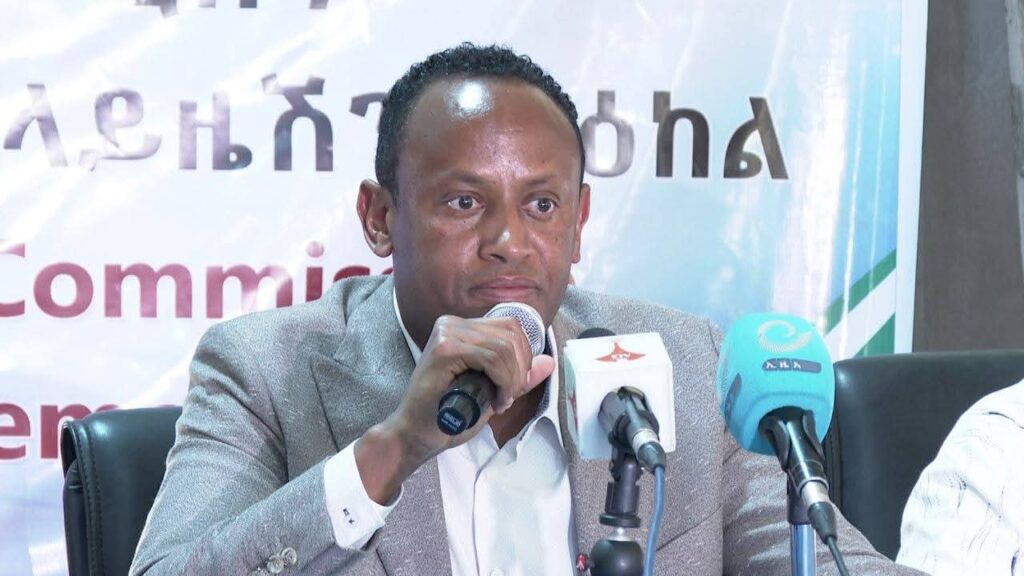
However, he also argued that the TPLF has created obstacles that slowed the broader demobilization process.
Despite these challenges, he said the former “Army 70” members demonstrated a strong commitment to peace by leaving armed struggle and choosing reintegration.
Deputy commissioner Derbe Mekuria explained that the commission conducted extensive consultations and preparations after receiving the group’s request for demobilization.
He noted that DDR programs go beyond financial assistance. Successful reintegration requires coordination with communities, regional administrations, and other stakeholders to ensure former combatants can rebuild sustainable civilian lives.
“Guardians of Peace”
The former fighters themselves issued an 11-point declaration under the slogan “We will become guardians and ambassadors of peace to ensure lasting peace.”
In their statement, the participants emphasized that war ultimately brings destruction and suffering, adding that few people understand its consequences more clearly than those who experienced it directly.
They stressed the importance of peace for rebuilding lives and earning a livelihood through work. The group also called for conditions that would allow them to establish stable civilian lives and urged political actors to resolve disputes through dialogue rather than violence.
The former combatants expressed gratitude to the government and the rehabilitation commission for facilitating their reintegration and asked that similar opportunities be extended to other former fighters inside and outside Tigray who remain in difficult circumstances.
Regional and National Implications
The stalled DDR process in Tigray carries implications beyond the region itself.
Northern Ethiopia occupies a strategic position in the Horn of Africa, influencing cross-border relations, trade routes, and regional security dynamics. A successful reintegration process was widely viewed as essential to consolidating the fragile peace that followed the war.
At the national level, the credibility of the Pretoria peace agreement is closely tied to the successful demobilization of former fighters. While large-scale hostilities ended in 2022, incomplete disarmament leaves unresolved questions about long-term security arrangements.
The Real Test of Peace
Peace agreements can silence guns, but they do not automatically rebuild societies.
In Tigray, DDR represents the bridge between war and recovery. It is the process through which thousands of former fighters can become students, farmers, entrepreneurs, and workers instead of soldiers.
The successful rehabilitation of the “Army 70” group shows that reintegration remains possible. Yet the broader slowdown also highlights how fragile the process becomes when political divisions deepen and economic resources remain limited.
Whether the DDR program regains momentum may ultimately determine the durability of Ethiopia’s post-conflict peace.
Editor’s Disclaimer:
The views and opinions expressed in articles published by Horn News Hub are those of the authors and do not necessarily reflect the official position or editorial stance of Horn News Hub. Publication does not imply endorsement.