

ADDIS ABABA, November 12, 2026 (Horn News Hub)
Infrastructure development and expanding trade connectivity are increasingly shaping economic prospects in Ethiopia’s Somali Regional State, where improved road networks, border facilities and transport services are expected to strengthen links between pastoralist communities, domestic markets and regional trading destinations.
The developments form part of Ethiopia’s broader infrastructure-led economic strategy, which seeks to improve regional competitiveness, facilitate trade and expand economic opportunities through improved transport and logistics networks.
The Somali Region occupies a strategic position in the Horn of Africa, sharing borders with Somalia, Djibouti and Kenya. Its geographic location provides opportunities for cross-border commerce and regional economic integration, particularly through livestock production and trade.
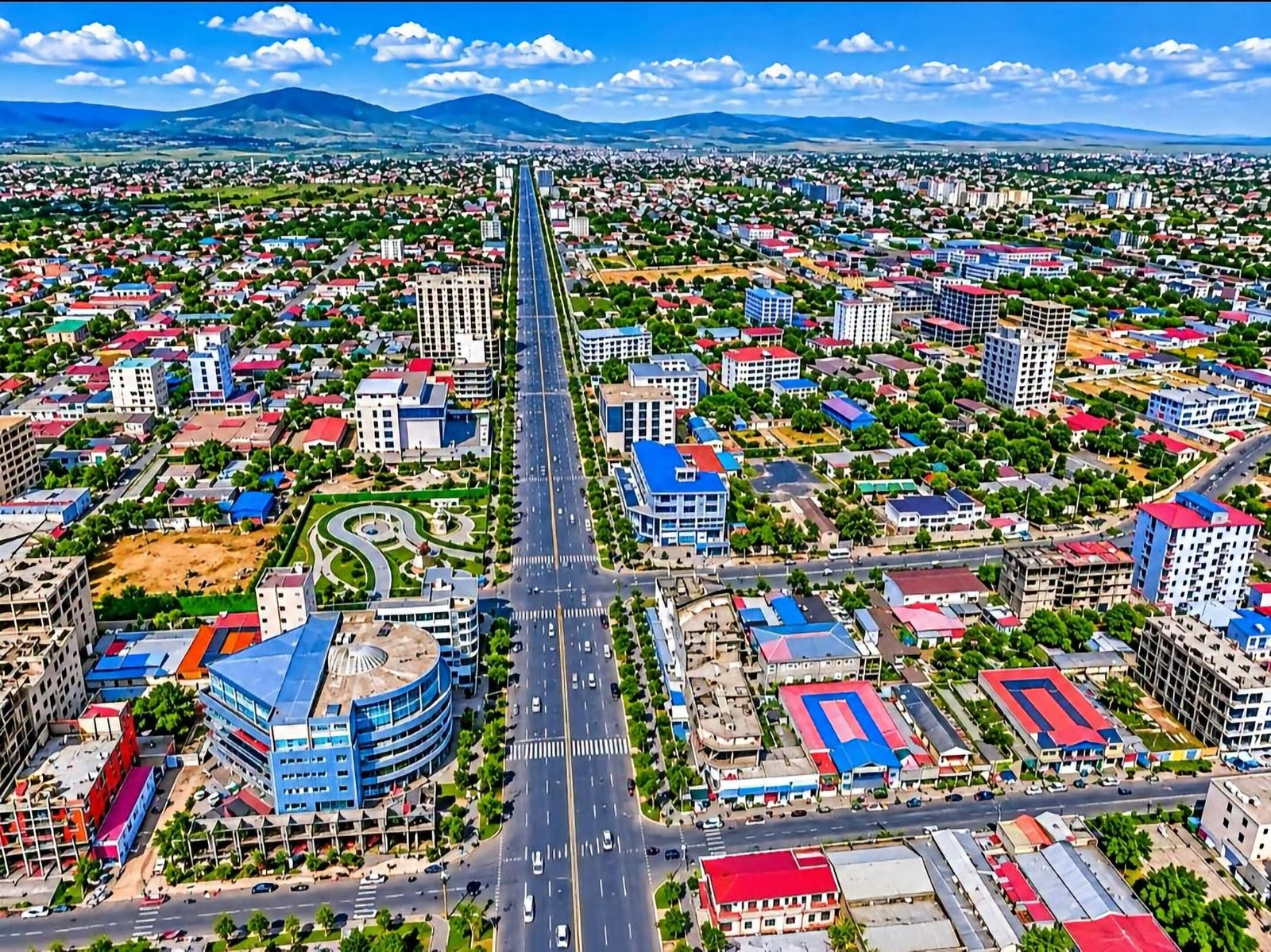
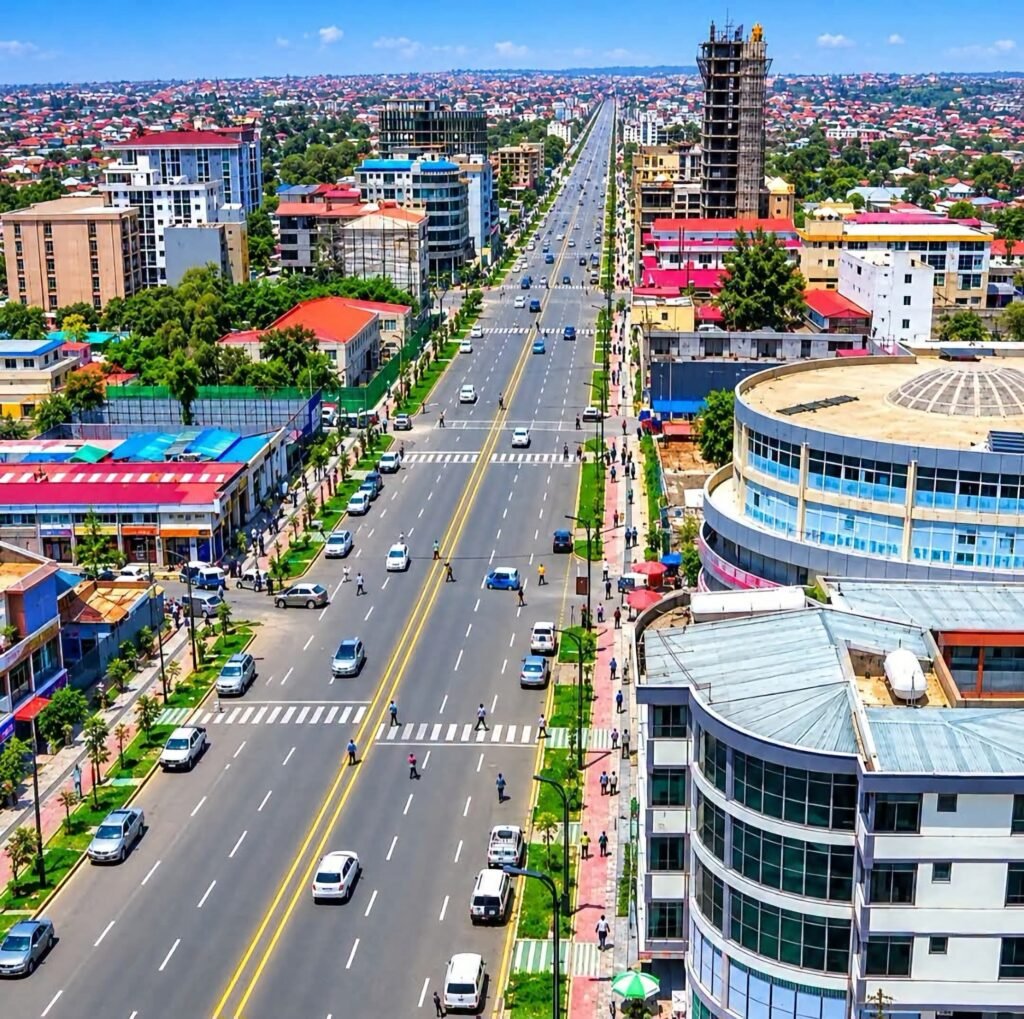
Major urban centres, including Jigjiga and Gode, serve as important economic and administrative hubs, while border trading centres facilitate commercial exchanges with neighbouring countries. Improved road connectivity between these locations and other parts of Ethiopia is expected to reduce transportation constraints and strengthen the movement of goods and services.
Livestock production remains one of the principal economic activities in the Somali Region. The sector supports pastoralist livelihoods, supplies domestic markets and contributes to Ethiopia’s livestock export trade, including markets in the Middle East.
Better transport infrastructure and more efficient customs facilities can help livestock traders and other businesses reduce transportation costs, improve market access and facilitate the movement of animals and agricultural products. Such improvements could also encourage investment in livestock processing, abattoirs, cold-chain facilities and transport services.

Beyond livestock commerce, expanding corridor infrastructure has the potential to stimulate economic activity in urban centres by improving access to markets, attracting private investment and creating opportunities for businesses operating in trade, logistics, hospitality and other service sectors.
However, the economic benefits of major infrastructure investments depend on how effectively they connect with rural production areas and local communities.

Many pastoralist communities remain distant from major highways and commercial centres. Without adequate feeder roads and reliable transport services, improvements along principal corridors may not translate into equal economic opportunities for remote settlements.
Road maintenance, institutional capacity, efficient customs administration and predictable cross-border trade regulations also remain important considerations for sustainable corridor development.
The expansion of infrastructure therefore presents both an economic opportunity and a development challenge for the Somali Region. While major transport routes can strengthen trade and regional integration, complementary investments in rural connectivity, market infrastructure and private-sector development will be necessary to broaden their impact.
As Ethiopia advances its regional connectivity agenda, the Somali Region’s strategic location and livestock-based economy position it as an important contributor to domestic commerce and wider Horn of Africa trade.

The extent to which corridor investments translate into sustainable economic growth will ultimately depend on their ability to connect major commercial centres with rural communities, strengthen productive sectors and create inclusive opportunities across the region.
Source: ResearchGate, Economic Transformation Pathways in the Somali Regional State: https://www.researchgate.net/publication/413640263_Ethiopian_Corridor_Development_Economic_Transformation_Pathways_in_the_Somali_Regional_State