
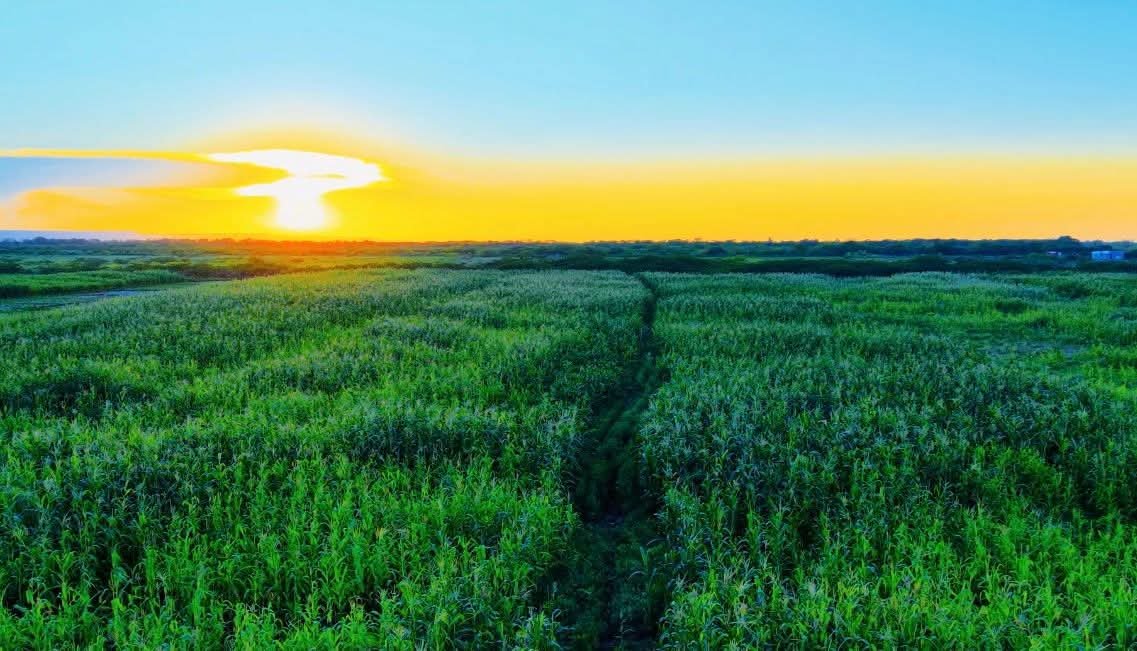
Jigjiga፡Horn News Hub| Agricultural productivity and livestock feed security efforts in Ethiopia’s Somali Regional State have received a boost following reports of a successful harvest by the Kunka Agricultural Cooperative in Gode Woreda, Shabelle Zone.
The cooperative has reported productive results from 120 hectares of cultivated land in Kunka Kebele, where farmers have been growing maize and Sudan grass to support food production and livestock feed availability.
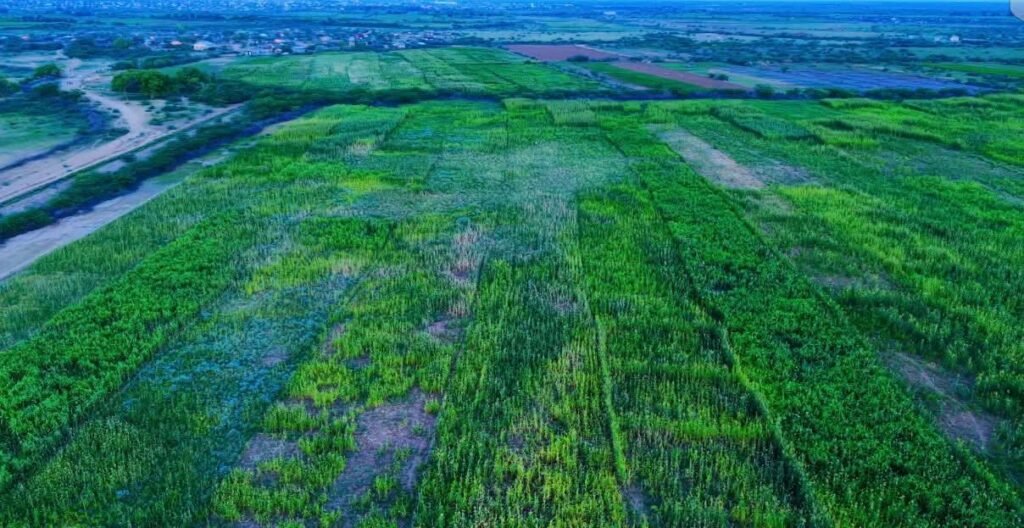
The initiative combines crop cultivation for human consumption with forage production for livestock, addressing two major challenges facing agro pastoralist communities: food insecurity and limited access to animal feed, particularly during prolonged dry seasons.
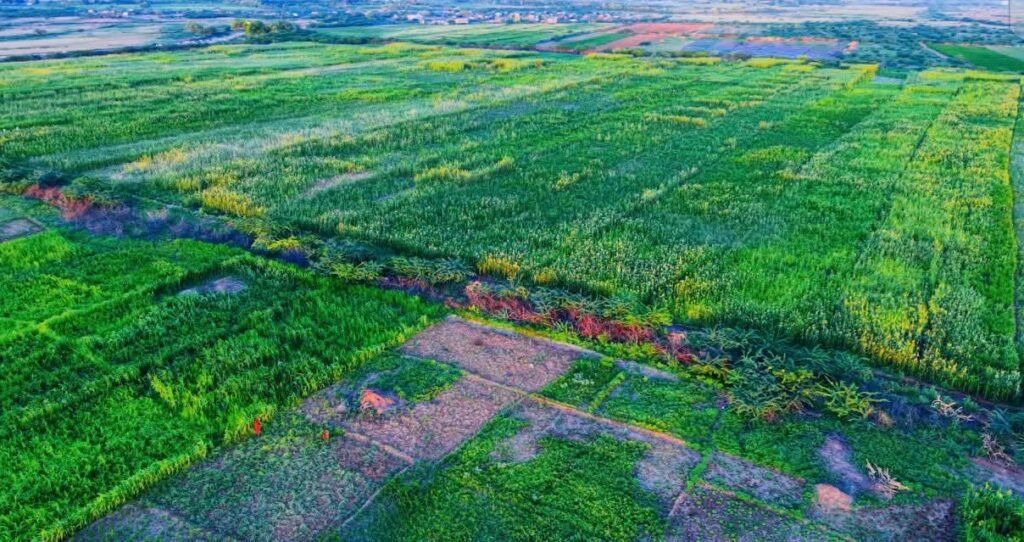
The project also highlights the agricultural potential of the Shabelle River basin, where irrigation can provide opportunities for increased agricultural production and improved livelihoods in areas vulnerable to irregular rainfall and recurrent drought.
Sudan grass, a widely cultivated forage crop known for its relatively rapid growth and suitability for livestock feeding, can contribute to improving animal nutrition and reducing pressure on natural grazing resources. Its cultivation is particularly relevant to the Somali Region, where livestock remains a major source of household income, food and economic security.
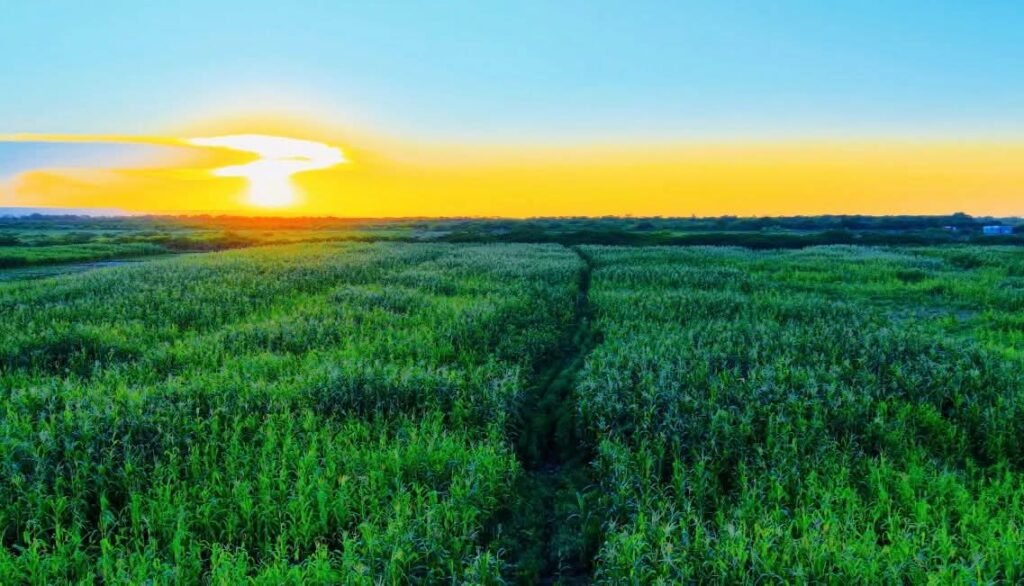
The reported results from Kunka Cooperative demonstrate the potential of organized agricultural production and locally managed irrigation initiatives to strengthen food and livestock feed security.
However, expanding such initiatives across the region will require continued agricultural extension services, access to quality seeds, reliable irrigation infrastructure, improved water management and stronger market connections for agricultural producers.
Strengthening Livestock Feed Security and Agricultural Resilience
Livestock production remains central to the economy and livelihoods of communities across the Somali Regional State. However, recurrent droughts, declining pasture availability and increasingly unpredictable rainfall have placed considerable pressure on pastoralist livelihoods.
Against this backdrop, expanding cultivated animal feed production is increasingly important for protecting livestock assets and strengthening communities’ ability to withstand climate-related shocks.
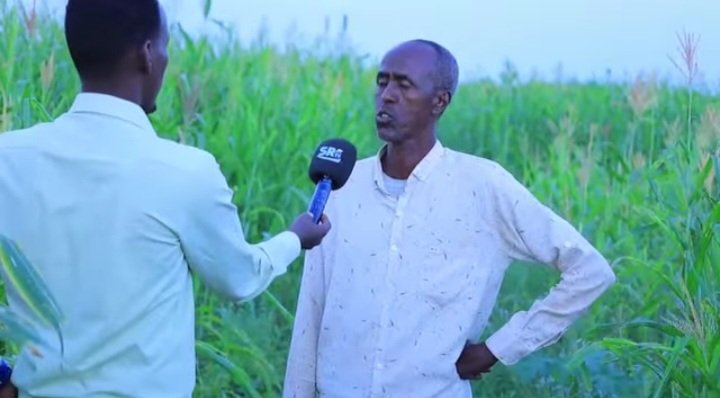
The development of forage crops such as Sudan grass and sorghum could complement traditional grazing systems by providing additional sources of animal feed during periods of pasture shortages.
The Shabelle, Fafen and Genale river basins also offer opportunities to expand irrigated agriculture and commercial fodder production. Realizing this potential will depend on investment in water infrastructure, flood management, agricultural technology and institutional support for farmers and cooperatives.
The Kunka Cooperative initiative provides an example of how integrating food crop production with livestock feed cultivation could contribute to a more resilient agro pastoralist economy.
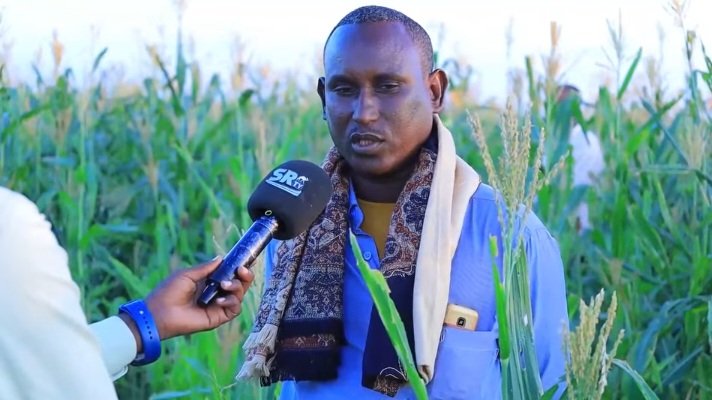
Sustaining and replicating such initiatives could strengthen household food security, protect livestock assets and support the broader agricultural development agenda of the Somali Regional State.
Source:Somali Regional State pastoralist development reports and local media bulletins.