
ADDIS ABABA, September 16, 2026 (Horn News Hub)
The Ogaden National Liberation Front (ONLF) says it played an active role in Ethiopia’s national dialogue process and helped advance what it described as important agendas concerning the Somali community.
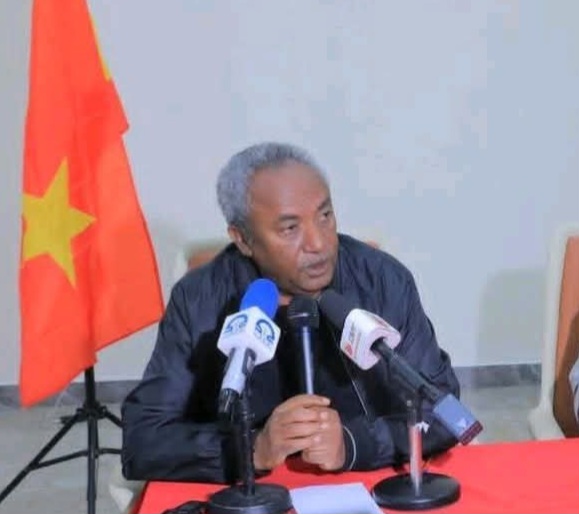
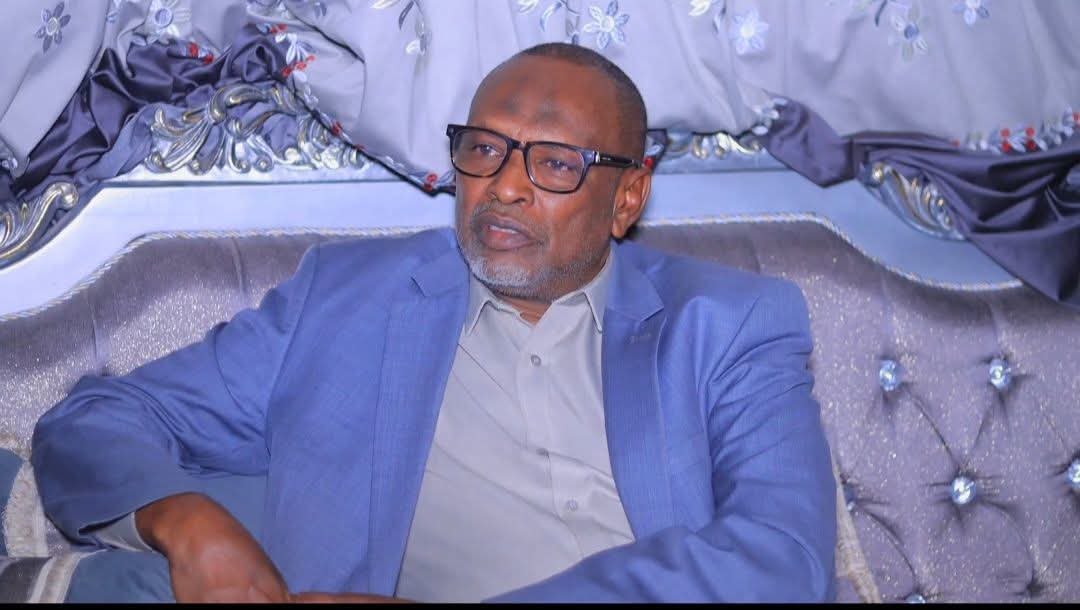
ONLF Chairman Abdikarim Sheikh Muse, also known as Qalbidagah, said in an interview that the national dialogue was initiated to address what he described as longstanding structural challenges in Ethiopia and that the process was intended to be inclusive.
According to the chairman, the ONLF participated actively in the process while presenting what it considers to be fundamental issues affecting the Somali community. He said the participation resulted in the inclusion of important agendas in the dialogue process.
The ONLF chairman also rejected reports circulating through some information sources alleging that the organization had formed an alliance with a group referred to as “Tsamdo,” describing the reports as completely false and saying they do not represent the position of the organization.
He further said such reports should not be interpreted as representing the Somali people as a whole. The chairman accused unnamed forces of attempting to undermine peace and said the ONLF would oppose efforts that could, in his view, return the region to conflict and suffering.
Addressing the organization’s political transition, Abdikarim said the ONLF responded to the government’s peace appeal following Ethiopia’s political changes and ended its armed struggle. He said the organization subsequently pursued a peaceful political path and participated in Ethiopia’s seventh general election, winning parliamentary seats.
The chairman said the decision to return to the country and pursue political engagement had created opportunities to address longstanding demands of the Somali community through peaceful and political means.
He also attributed what he described as recent social and economic improvements in the Somali Regional State to the relative peace that followed the end of armed confrontation. Such assessments are the position of the ONLF leadership and would require independent economic and development indicators to establish the scale and causes of the reported changes.
Abdikarim said the ONLF wants the existing peace to be strengthened and sustained. He added that the organization is prepared to work with the federal government and other stakeholders to support what he described as a durable peace process.
The chairman also accused former Tigray People’s Liberation Front (TPLF) leaders of contributing to instability and loss of life in the Somali Regional State before Ethiopia’s political transition. He alleged that some of those actors are still attempting to create security problems in the region.
These allegations were presented by the ONLF chairman and were not independently substantiated in the interview material provided.
Abdikarim concluded by saying that efforts to return the Somali Regional State to what he described as its previous period of instability would not succeed. He also said the ONLF would seek legal accountability for individuals or groups it considers responsible for violence and destruction in the region.
The statements come as Ethiopia continues efforts to address longstanding political and structural disputes through dialogue and political participation. The ONLF’s position reflects its transition from armed struggle to participation in formal political processes, while its allegations concerning other political actors remain matters requiring independent verification.