

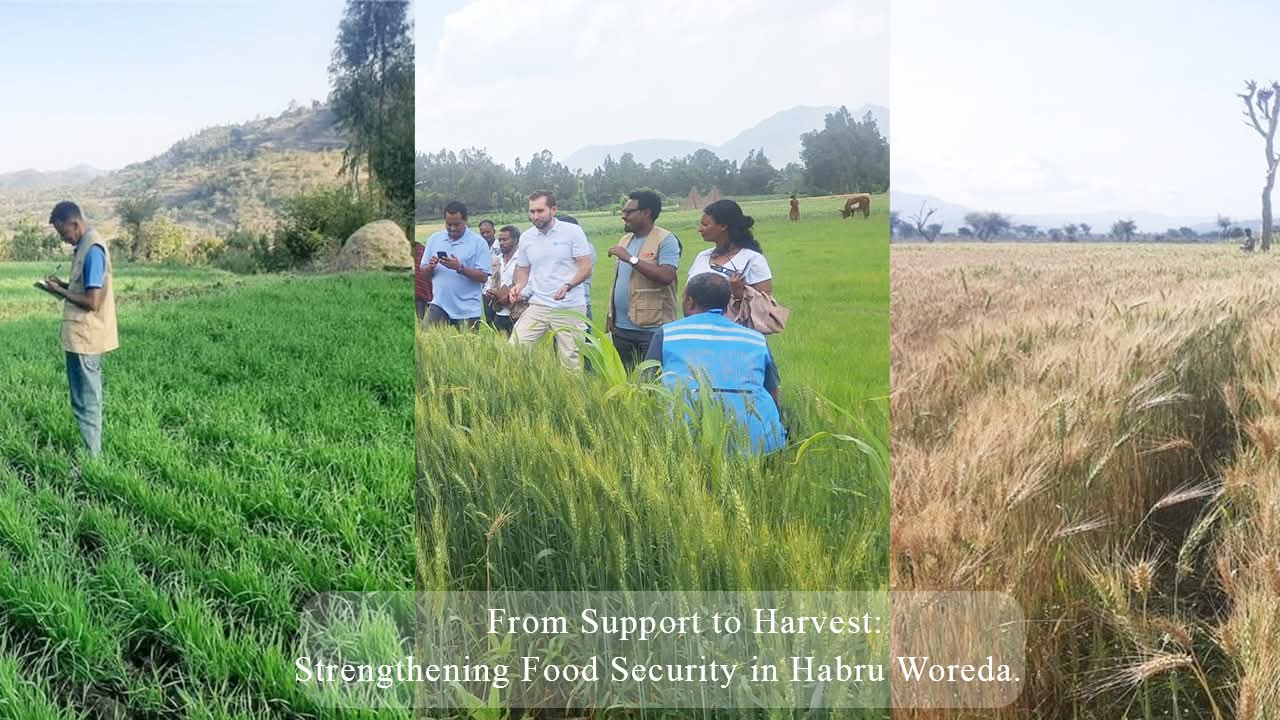
Habru Woreda, North Wollo — A humanitarian agriculture project implemented by ASDEPO in collaboration with ZOA and funded by the Ethiopia Humanitarian Fund (EHF) has contributed to improving household food security and resilience among crisis affected communities in Habru Woreda, North Wollo, according to information shared by ASDEPO.
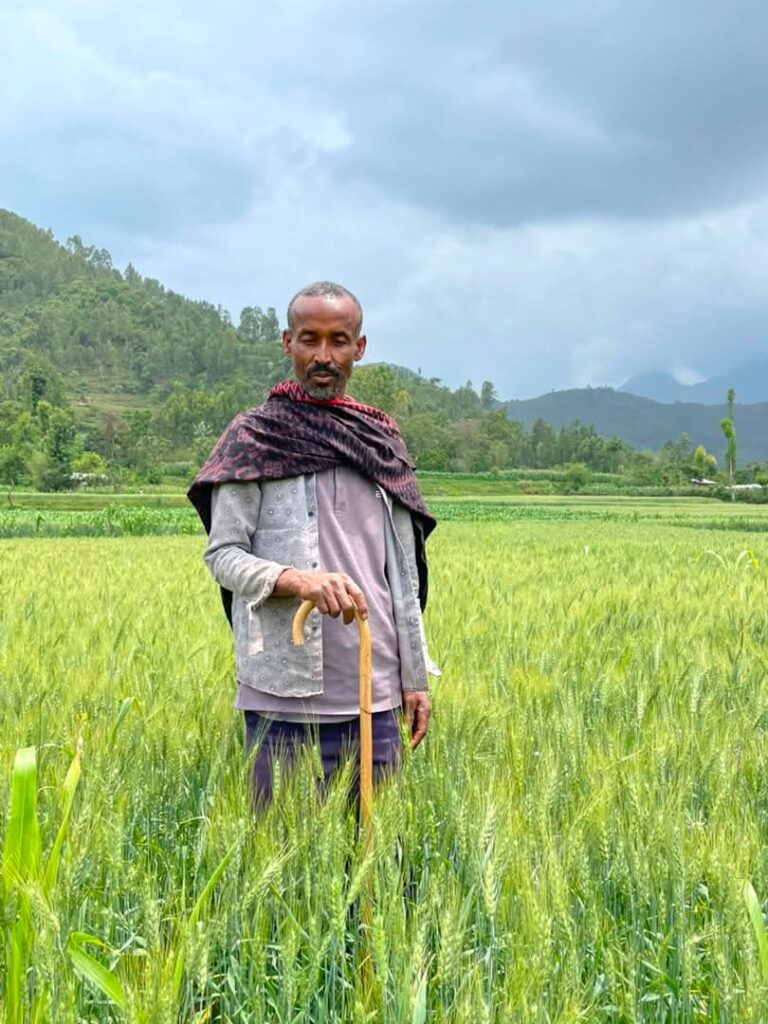
The initiative, implemented under the project titled Addressing Malnutrition in Crisis Affected Woredas, provided vulnerable farming households with improved wheat seeds and fertilizer during the Belg production season. The support was designed to help farmers make better use of available irrigation systems and restore agricultural production despite the challenges posed by conflict, drought, and flooding.
According to ASDEPO, the intervention targeted households experiencing food insecurity and limited agricultural capacity by supplying essential agricultural inputs alongside technical support. The project also supported improved land preparation, planting, and crop establishment, enabling farmers to maximize the use of their available farmland.
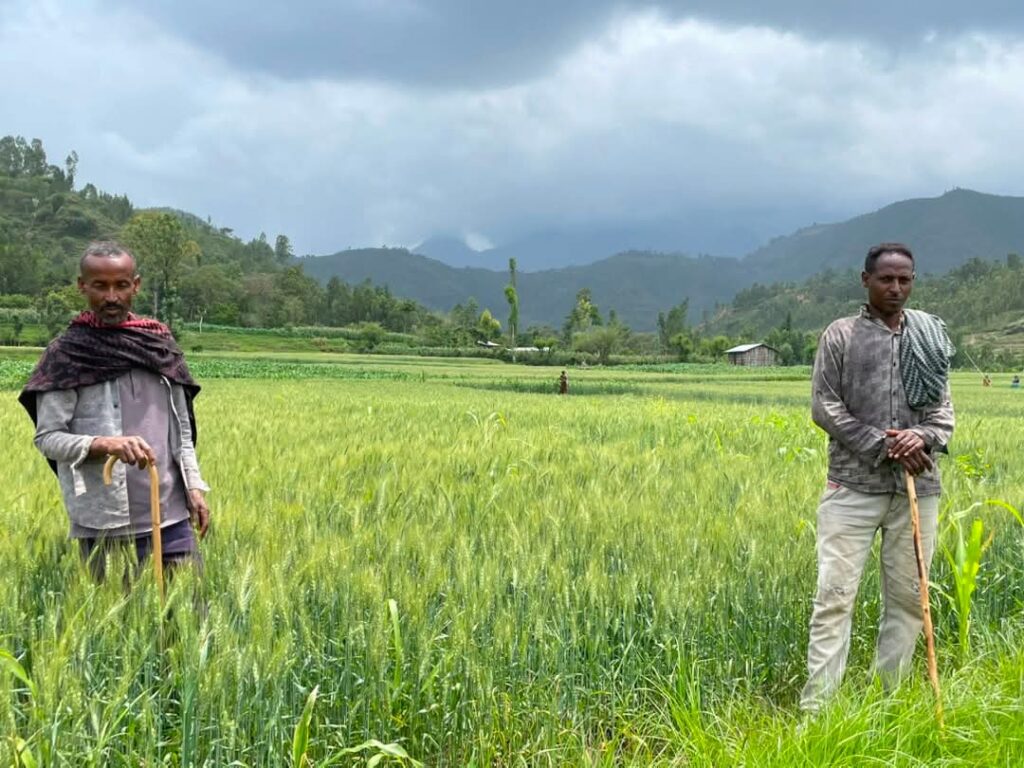
The organization reported that beneficiary households recorded improvements in crop productivity, access to agricultural inputs, and their capacity to cope with future shocks. Improved harvest prospects are also expected to help participating households meet their food needs for several months.
ASDEPO stated that the collaboration with ZOA demonstrates how timely agricultural assistance can support recovery efforts, strengthen community resilience, and help vulnerable households rebuild their livelihoods following humanitarian crises.
The organization also expressed its appreciation to the Ethiopia Humanitarian Fund for supporting communities affected by conflict, drought, and flooding in Ethiopia.
The information was shared on ASDEPO’s official Facebook page.