

Addis Ababa, Ethiopia — May 26, 2026 | Horn News Hub
The Addis Ababa City Administration has intensified efforts in recent years to reposition the Ethiopian capital as a leading tourism destination in Africa, complementing its long established role as a diplomatic and transit hub.
A series of large scale urban development projects, heritage preservation programs, and tourism infrastructure initiatives have significantly reshaped the city’s image and increased its appeal to both domestic and international visitors.
Among the flagship projects highlighted by city officials are the Entoto Park, the Adwa Victory Memorial, Unity Park, Science Museum, and Sheger Park, also known as Friendship Square.
These projects have introduced new recreational, cultural, and educational spaces while modernizing parts of the capital that had long lacked tourism focused infrastructure.
The Science Museum has emerged as one of the city’s most prominent modern attractions, drawing attention for its focus on technology, innovation, and scientific education. Unity Park, built within the National Palace compound, combines historical exhibits, cultural displays, and wildlife attractions, offering visitors insight into Ethiopia’s political and cultural heritage.
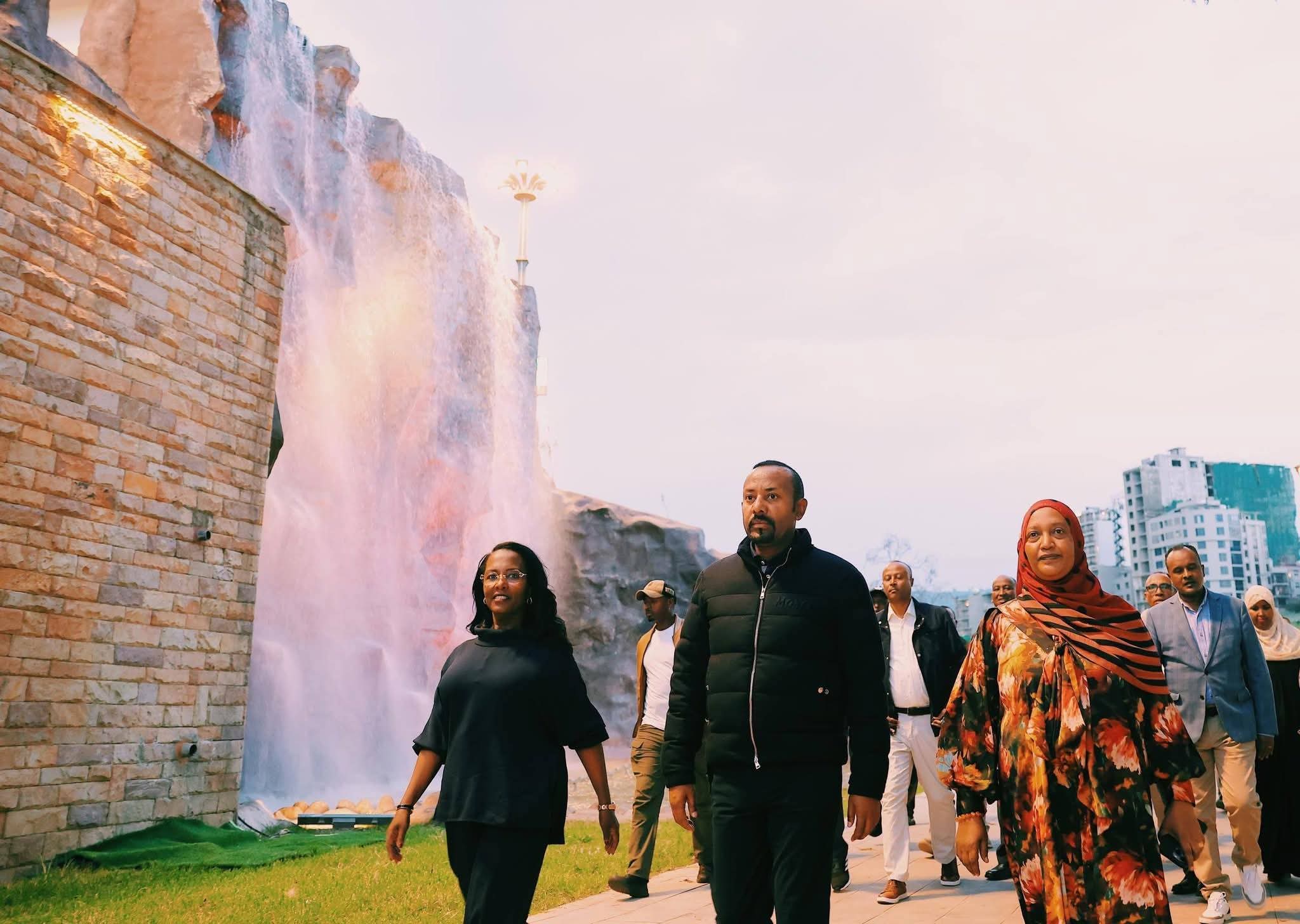
Entoto Park, situated on the hills overlooking Addis Ababa, has become a major eco tourism and leisure destination. The park integrates natural landscapes with sports facilities, cultural venues, and entertainment centers. Meanwhile, Sheger Park has added modern public spaces to the city center through landscaped gardens, artificial lakes, fountains, and public event areas.
The Adwa Victory Memorial has also gained prominence as a historical and educational destination. The memorial documents the history of the Battle of Adwa and presents artifacts, artistic works, and historical narratives connected to Ethiopia’s victory against colonial invasion in 1896, a moment widely regarded as symbolic in the broader history of African resistance and Black liberation movements.
Addis Ababa Mayor Adanech Abiebie said during a recent presentation to city council members that corridor development initiatives have also played a significant role in improving the city’s infrastructure and urban aesthetics.
According to the mayor, the projects included the construction of wider pedestrian walkways, bicycle lanes, upgraded public spaces, and the renovation of historical buildings while preserving their original architectural character. Green areas, water features, and modern lighting systems have also been incorporated across various sections of the capital.
The city administration further noted that digital tourism initiatives, including e visa systems and improved digital information services, have reduced difficulties faced by international visitors.
At the same time, Ethiopian Airlines has expanded services and infrastructure at Bole International Airport, contributing to increased tourism activity. Authorities say Addis Ababa is gradually evolving from a short transit stop into a destination where travelers stay for several days.
In addition to hosting the headquarters of the African Union and the United Nations Economic Commission for Africa, Addis Ababa has expanded its capacity to organize international conferences, exhibitions, and trade fairs through the development of new event halls and supporting facilities.
Tourism related expansion has also generated growing economic opportunities for hotels, transportation providers, artisans, photographers, filmmakers, and small businesses linked to the hospitality sector.
Analysts note that while the transformation projects have improved Addis Ababa’s international profile and urban infrastructure, sustaining tourism growth will also depend on long term urban management, accessibility, affordability, and broader national stability.
Overall, the city’s ongoing tourism development strategy reflects Ethiopia’s broader effort to diversify its economy and strengthen Addis Ababa’s role as both a diplomatic capital and an emerging center for culture, history, technology, and urban tourism in Africa.