
Addis Ababa, Ethiopia — May 22, 2026 | Horn News Hub
By Chekole Alemu
Ethiopia’s ongoing socio-economic transformation is increasingly being shaped by a combination of political ambition and technocratic execution. Over the past 8 years, the administration of Prime Minister Abiy Ahmed (PhD) has launched a series of nationwide mega projects aimed at redefining the country’s economic future, modernizing infrastructure, and repositioning Ethiopia as a leading African power in tourism, agriculture, and industrial growth.
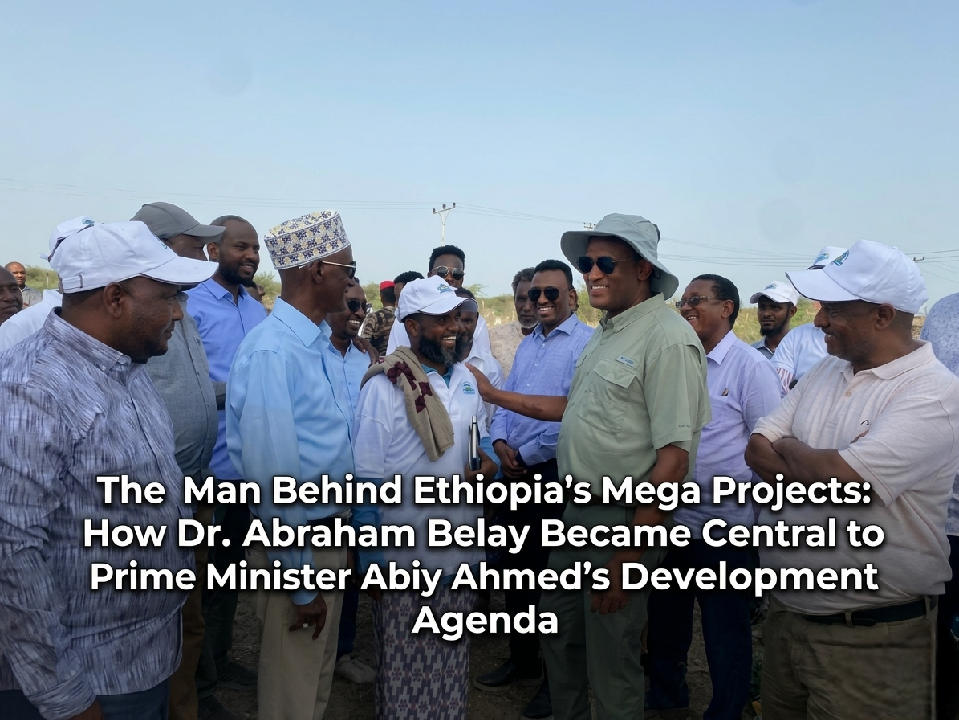
At the center of this transformation is the “Gebeta Lehager” initiative, also known as “Table for the Nation,” a flagship national development program launched in 2020 to commercialize Ethiopia’s natural landscapes, historical sites, and cultural assets into globally competitive tourism destinations. While the project is initiated by Prime Minister Abiy’s long-term national vision, many government officials, policy observers, and development experts increasingly point to Dr. Abraham Belay as one of the key figures responsible for translating these ambitions into operational reality.
Across multiple sectors, Dr. Abraham has emerged as one of the administration’s most influential technocrats, overseeing large-scale irrigation programs, lowland development projects, and infrastructure expansions that are now deeply connected to Ethiopia’s broader economic strategy.
From Political Vision to Institutional Execution
Political analysts often describe the relationship between Prime Minister Abiy Ahmed and Dr. Abraham Belay as a model of centralized strategic governance combined with disciplined institutional implementation.
Under this arrangement, the Prime Minister provides the long-term ideological direction and national mobilization framework, while ministries and technical institutions are expected to deliver measurable results on the ground. Within this structure, Dr. Abraham’s role has become increasingly prominent.
Officials familiar with federal development programs describe him as a reserved but highly methodical administrator whose influence is rooted more in implementation capacity than public political messaging. His leadership style contrasts with Ethiopia’s traditionally rhetoric-heavy political culture, focusing instead on timelines, project monitoring, infrastructure delivery, and institutional coordination.
The Prime Minister himself has publicly praised Dr. Abraham during the the inauguration of Shaballe Resort of Somali region, describing him as a committed national figure capable of managing complex mega projects across diverse regions of the country. That endorsement significantly elevated Dr. Abraham’s profile within federal governance circles and reinforced his image as one of the administration’s principal project architects.
Over the past few years, the Ministry of Irrigation and Lowlands has consequently shifted from a relatively overlooked institution into one of the government’s most active development ministries.
Tourism Infrastructure and Ethiopia’s Global Rebranding
One of the administration’s most visible strategies has been the use of tourism infrastructure as an instrument of economic transformation and international image-building.
Projects developed under the “Gebeta Lehager” framework have expanded beyond Addis Ababa into historically marginalized regions, including parts of Tigray, Afar, Oromia, Amhara, and the Southern regions. These developments combine luxury hospitality infrastructure, ecological conservation, transport corridors, and cultural tourism investment.
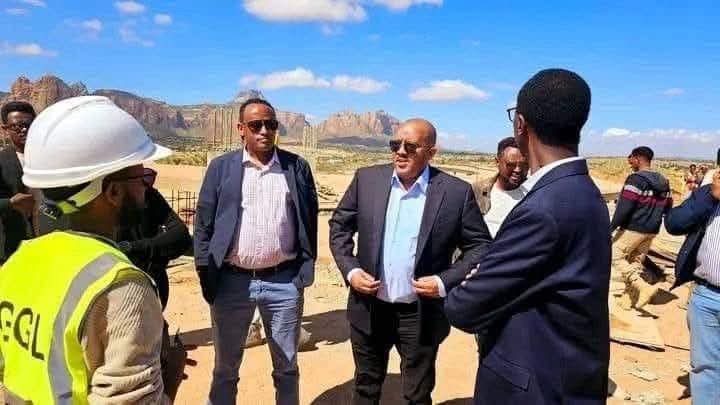
Sites such as the Gheralta tourism corridor in Tigray have become symbolic examples of this strategy. Federal planners view such projects not simply as tourism investments, but as long-term economic anchors capable of generating employment, attracting foreign currency, and integrating remote regions into national growth structures.
The project has also unfolded amid political competition and regional power dynamics. Supporters of the federal development agenda argue that the rapid emergence of high-profile tourism and infrastructure investments in areas like Gheralta reflected a broader effort to reposition Tigray as a center of investment, tourism, and economic integration within Ethiopia’s national development framework. Within this process, Dr. Abraham Belay has been viewed by federal officials and supporters as one of the leading figures driving institutional coordination and execution across these strategic projects.
Government officials argue that this approach is part of a broader attempt to reposition Ethiopia internationally. For decades, the country’s global image was heavily shaped by conflict, drought, and humanitarian crises. The administration is now attempting to replace that narrative with one centered on investment, ecological tourism, infrastructure modernization, and economic resilience.
Supporters of the initiative maintain that the projects have already begun creating long-term economic ecosystems in areas that historically received little federal investment.
Job Creation and Rural Economic Integration
Federal authorities estimate that the mega-project initiatives have generated significant direct and indirect employment opportunities, particularly in construction, hospitality, transportation, and local supply chains.
The government has also increasingly emphasized youth and women’s participation within these development corridors. In many low-income rural communities, local residents are now involved in tourism services, agricultural supply systems, small-scale trade networks, and infrastructure support activities connected to the new projects.
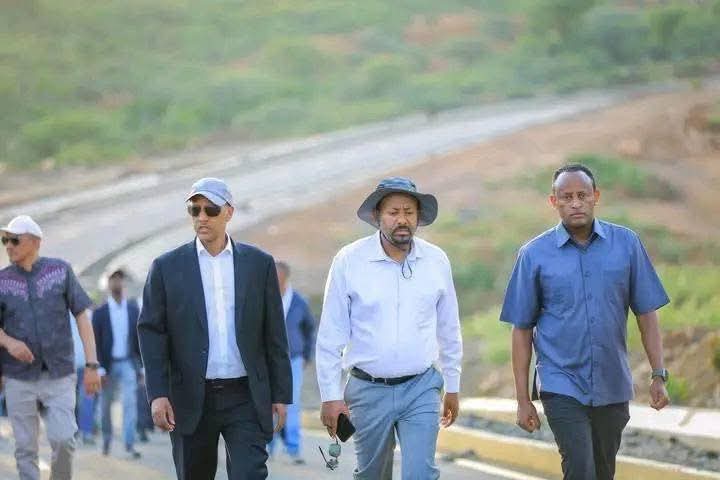
Development researchers note that one of the administration’s broader goals is to reduce the economic divide between urban Ethiopia and historically underdeveloped peripheral regions.
Large-scale road construction, electricity expansion, irrigation systems, and clean water infrastructure have therefore become central components of the government’s state-building strategy. Officials argue that these investments are intended not only to stimulate economic growth but also to strengthen long-term national cohesion by integrating remote communities into mainstream economic systems.
Restructuring Ethiopia’s Lowland Economies
Dr. Abraham Belay’s most significant influence may be visible in Ethiopia’s pastoralist and agro-pastoralist regions, where the federal government has intensified efforts to modernize lowland economies traditionally affected by climate shocks, drought cycles, and limited infrastructure.
Under the Ministry of Irrigation and Lowlands, new irrigation systems are being introduced to reduce dependence on rain-fed livelihoods and expand climate-resilient agricultural production. Federal planners argue that the objective is not to eliminate pastoralist systems, but to diversify them through commercial agriculture, modern livestock management, and water security infrastructure.
The strategy also extends beyond irrigation alone.
Government programs in several lowland regions now integrate schools, healthcare facilities, veterinary services, and social institutions into broader development plans. Officials say this integrated model is intended to create long-term resilience in communities historically vulnerable to displacement and environmental instability.
Education infrastructure has become a particularly important component of the policy framework. Authorities are attempting to adapt schooling systems to the mobility patterns of pastoralist communities, an issue that has historically limited educational access in many lowland areas.
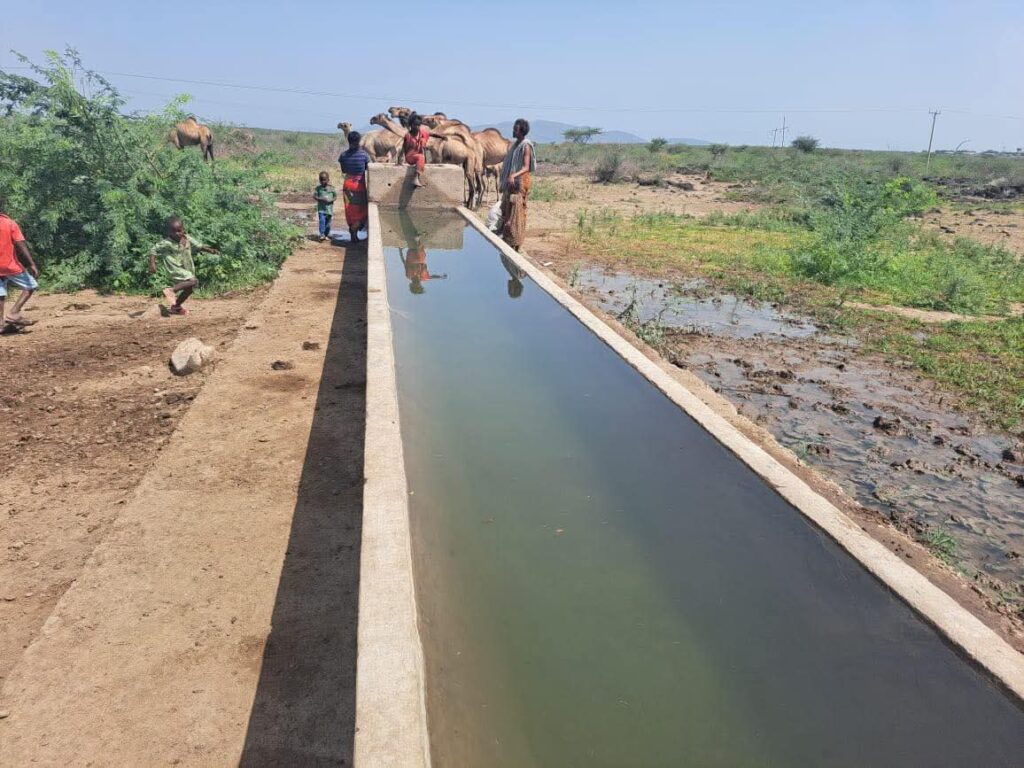
Healthcare expansion and veterinary service networks are also being promoted as mechanisms to protect both human livelihoods and livestock economies, which remain central to many rural households.
The Politics of Development and the Question of Legacy
As Ethiopia navigates economic reforms and post-conflict recovery, the administration’s mega-project agenda has increasingly become tied to its broader political legacy.
Supporters view the Abiy-Abraham partnership as evidence that Ethiopia can pursue large-scale modernization through centralized planning, infrastructure investment, and state-led development. They argue that the current model demonstrates how political vision combined with technocratic management can accelerate transformation in a country with vast demographic and geographic complexity.
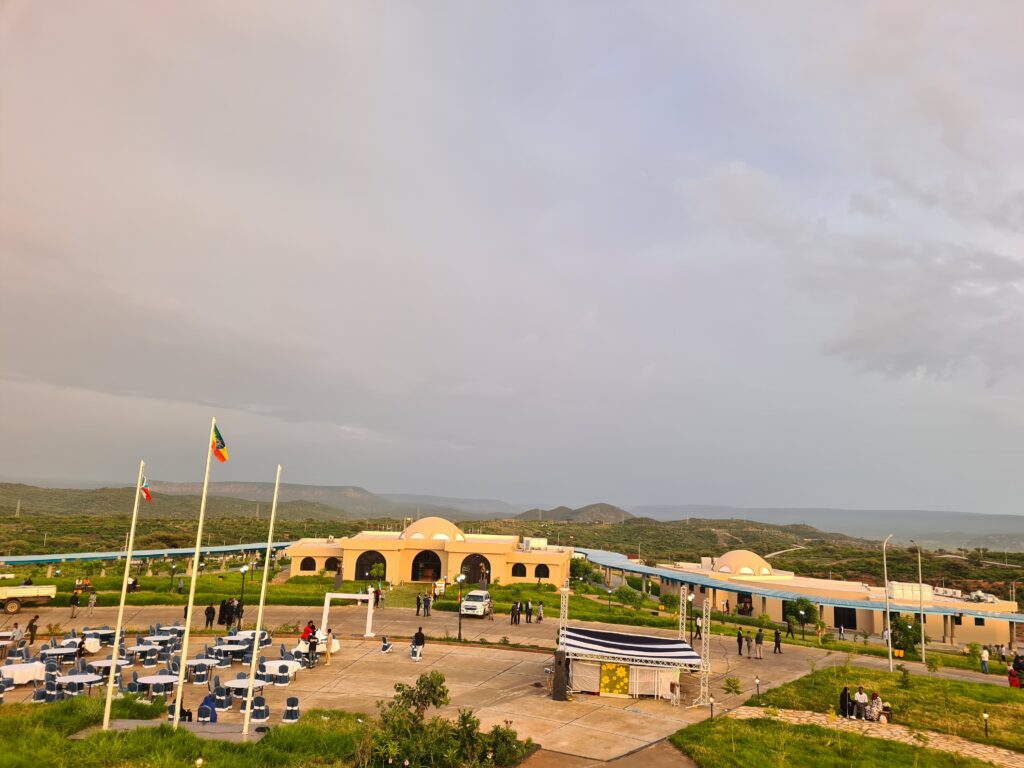
Through tourism corridors, irrigation systems, road networks, and rural social infrastructure, Ethiopia is undergoing a structural transition that is reshaping both its physical landscape and development priorities. Within that process, Dr. Abraham Belay has increasingly emerged as one of the administration’s central operational figures, playing a critical role in turning ambitious national plans into visible state projects across the country.
Editor’s Disclaimer:
The views and opinions expressed in articles published by Horn News Hub are those of the authors and do not necessarily reflect the official position or editorial stance of Horn News Hub. Publication does not imply endorsement.