

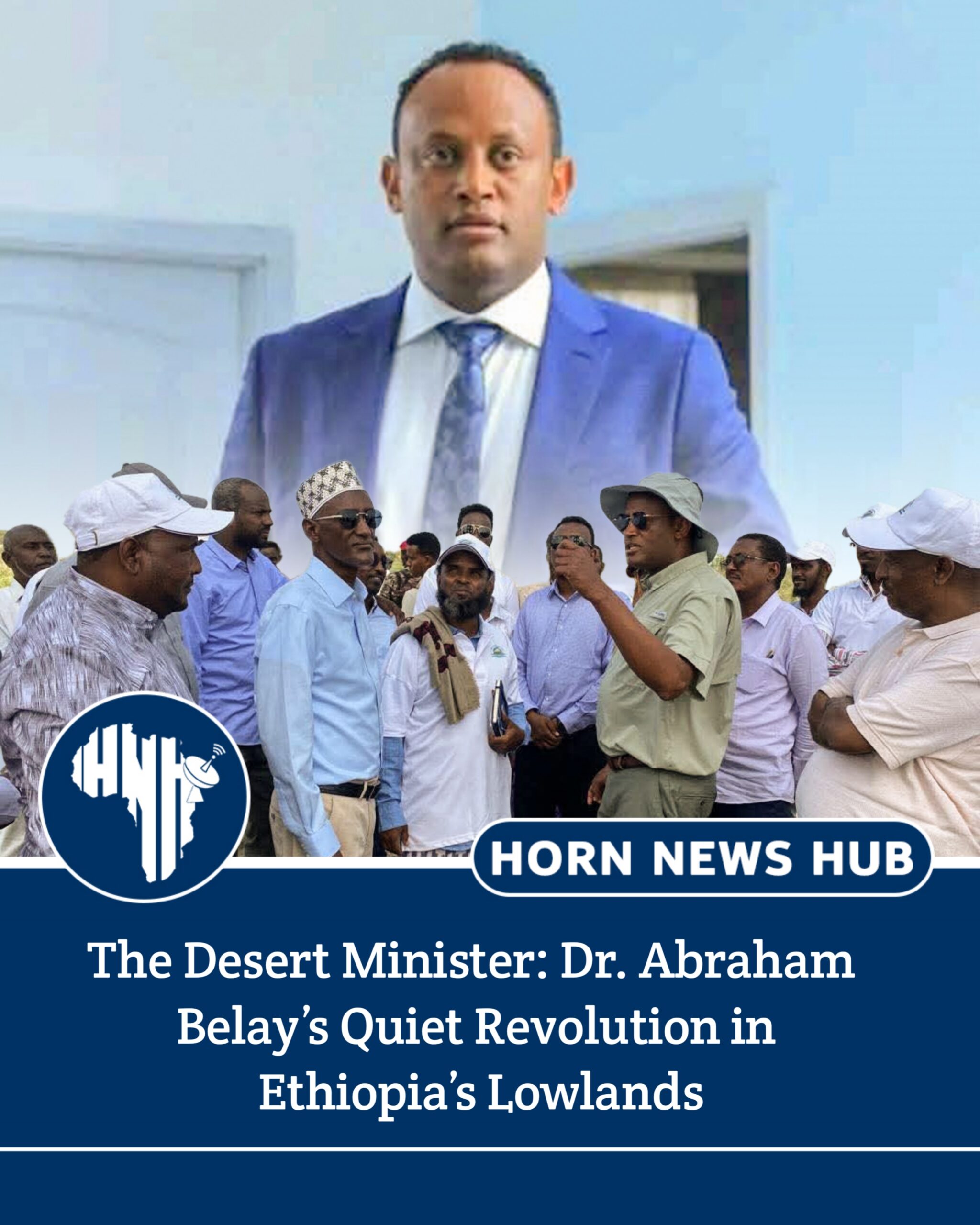
Addis Ababa, Ethiopia — May 22, 2026 | Horn News Hub
In Ethiopia’s evolving development landscape, political influence is often associated with speeches delivered in conference halls, international summits, and policy negotiations conducted far from the realities of rural life. Yet across Ethiopia’s dry lowlands, deserts, and pastoralist territories, another model of leadership has quietly emerged through continuous field presence, operational discipline, and direct engagement with local communities.
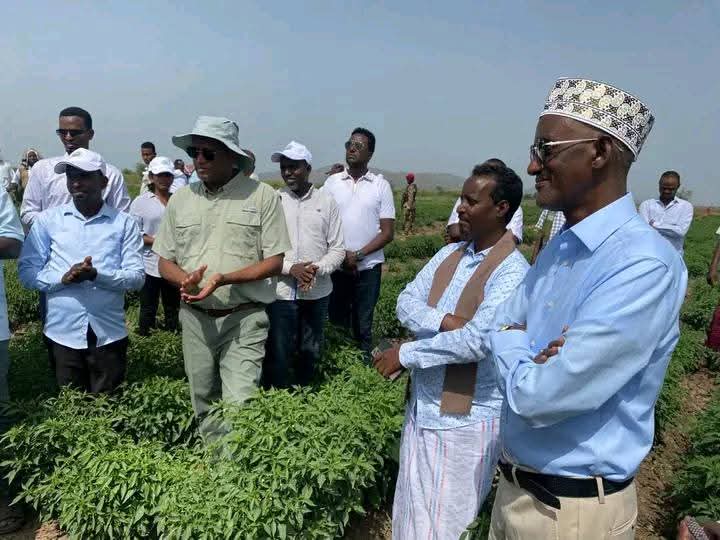
At the center of this transformation stands Abraham Belay, the Minister of Irrigation and Lowland Areas Development, who has increasingly earned the unofficial title of “The Desert Minister” (በረሀኛው ሚኒስትር) among local residents, development observers, and regional administrators.
Unlike many senior officials whose work remains concentrated within institutional offices in Addis Ababa, Dr. Abraham’s leadership style has become closely associated with field operations. His work routinely takes him into some of Ethiopia’s most geographically difficult and climatically vulnerable territories, where irrigation corridors, water systems, tourism infrastructure, and pastoralist development programs are being implemented simultaneously.
Observers within Ethiopia’s development sector say the ministry’s operational culture has shifted significantly in recent years, moving from a slow bureaucratic structure into a more execution-oriented institution focused heavily on project monitoring and regional integration.

A defining feature of this approach is the minister’s extensive field presence. Officials and regional administrators frequently note that nearly 85 percent of his working schedule is spent outside the capital, traveling across project sites and lowland development corridors.
This demanding national route stretches across multiple ecological and political zones of the country. The journey often begins in the green highland tourism corridors of Wonchi before extending northward to the lakefront redevelopment projects of Gorgora and the historic mountain landscapes of Gheralta.
From there, the route shifts dramatically into the harsh desert environments of the Afar Desert, where large-scale water infrastructure and irrigation projects are under implementation. The operational trail also extends toward the ancient limestone formations of Sof Omar Caves and further into Ethiopia’s southern pastoralist territories before reaching the expansive Shabelle Plains in the east.
For regional officials, this movement is not viewed as ceremonial travel or symbolic inspection tours. Rather, it reflects an intensive system of field supervision designed to ensure that infrastructure projects move according to schedule and that local implementation challenges are addressed directly on site.
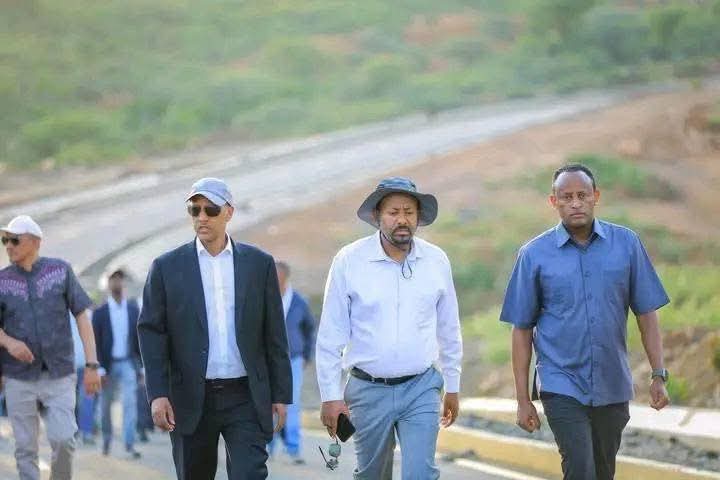
The ministry’s broader strategy has increasingly focused on redefining how Ethiopia’s lowlands are perceived within national development planning. Historically, many of these regions were treated primarily as drought-prone humanitarian zones dependent on emergency assistance. Under the current approach, however, policymakers are attempting to reposition the lowlands as long-term economic growth corridors capable of supporting commercial agriculture, tourism, livestock industries, and renewable water systems.
One major pillar of the transformation involves the expansion of strategic irrigation infrastructure. Through river diversion systems, micro-dams, water harvesting technologies, and agro-pastoral development programs, large sections of previously underutilized land are gradually being converted into productive agricultural zones. Wheat cultivation, livestock feed production, and commercial fodder systems are increasingly appearing in areas once considered economically marginal.
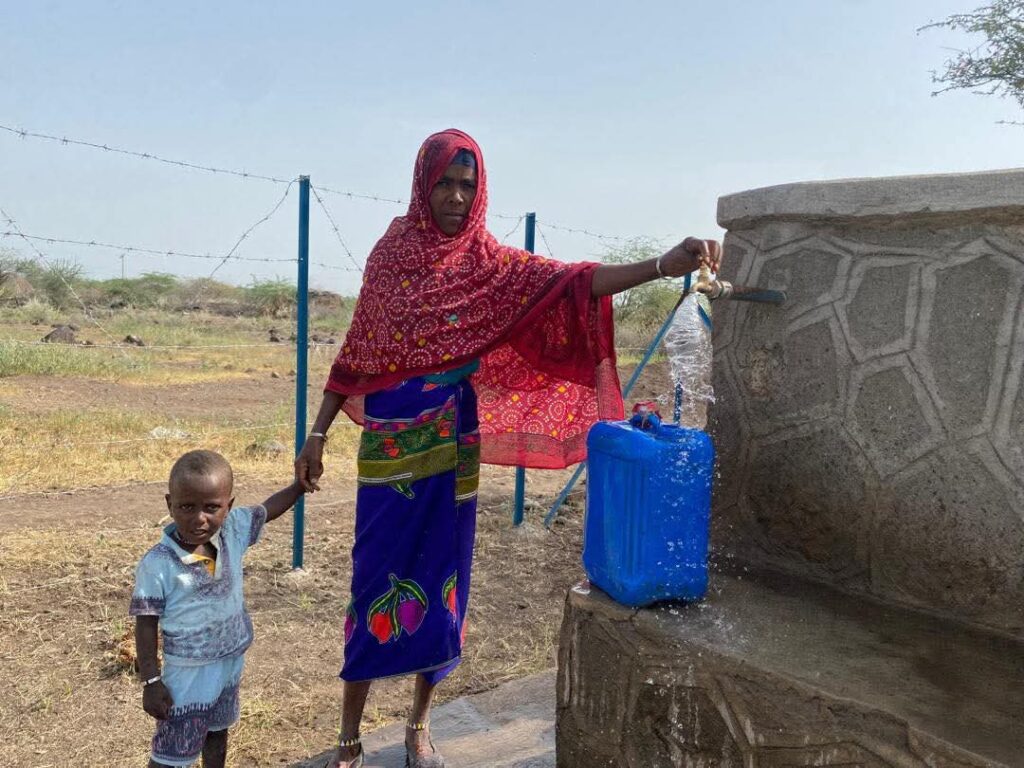
Another central component is integrated social infrastructure. Development planners working within the ministry increasingly link irrigation projects with roads, schools, clean water access points, and health facilities. The objective is to create permanent settlement and economic stability around newly developed water systems rather than limiting projects to seasonal agricultural use.
In several lowland areas, local administrations report that newly established irrigation zones are beginning to reshape patterns of mobility among pastoralist communities, allowing families greater access to education, healthcare, and local markets.
Economic inclusion programs targeting women and youth have also become part of the ministry’s operational framework. Technical training in irrigation maintenance, livestock management, and cooperative farming systems is being introduced across several pastoralist regions. Women-led cooperatives in dairy and livestock supply chains are increasingly viewed as important tools for strengthening household income and reducing vulnerability during drought periods.
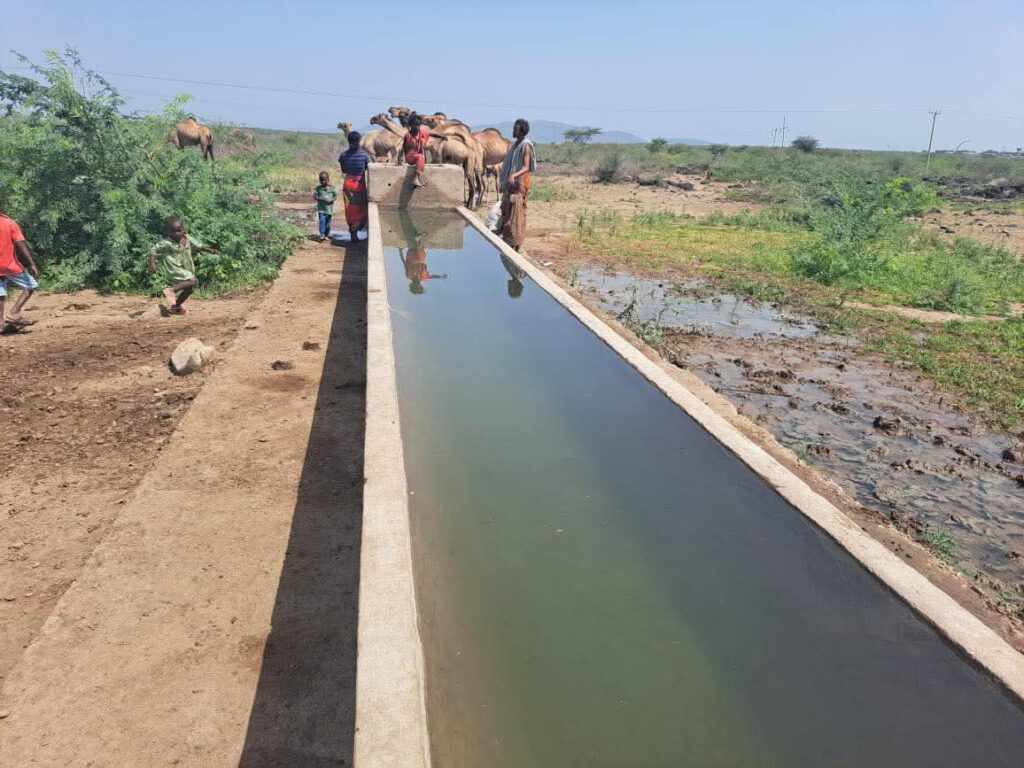
Despite overseeing some of the country’s most ambitious lowland development programs, Dr. Abraham maintains a relatively low public profile. Officials familiar with the ministry often describe him as an administrator who avoids political theatrics and media-centered leadership, preferring measurable implementation outcomes over public visibility.
That approach has contributed to his growing reputation within federal development circles as a results-oriented technocrat capable of managing highly complex regional projects under difficult environmental conditions.
Political analysts note that Ethiopia’s long-term national development ambitions, including agricultural modernization, climate resilience, tourism expansion, and food security, increasingly depend on the successful integration of its lowland territories into the broader national economy.
Projects such as the tourism corridors in Gheralta, Gorgora, and Wonchi are now viewed not merely as isolated investments, but as interconnected economic anchors designed to attract tourism revenue, create employment opportunities, and stimulate regional infrastructure growth.
Within that wider national strategy, the lowlands have become central to Ethiopia’s future economic calculations. Supporters of the ministry’s approach argue that the transformation of historically marginalized regions into productive economic zones could significantly alter the country’s development trajectory over the coming decades.
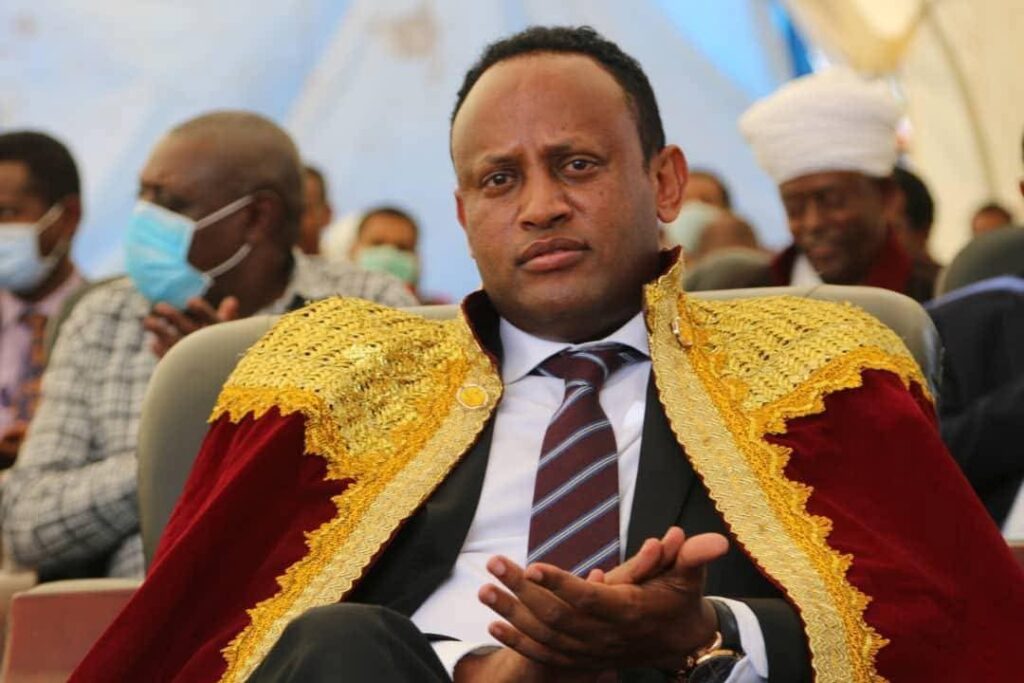
For many communities living in Ethiopia’s arid frontiers, however, the significance of these projects is measured less through national policy language and more through practical daily realities. Access to reliable water, shorter walking distances for families, improved roads, functioning schools, and greater economic stability remain the most immediate indicators of change.
As Ethiopia continues pursuing large-scale economic transformation amid growing environmental and political pressures, the quiet operational model emerging from the country’s lowlands offers a different image of governance, one built not around rhetoric, but around sustained presence in some of the nation’s most difficult terrains.
Editor’s Disclaimer:
The views and opinions expressed in articles published by Horn News Hub are those of the authors and do not necessarily reflect the official position or editorial stance of Horn News Hub. Publication does not imply endorsement.


