

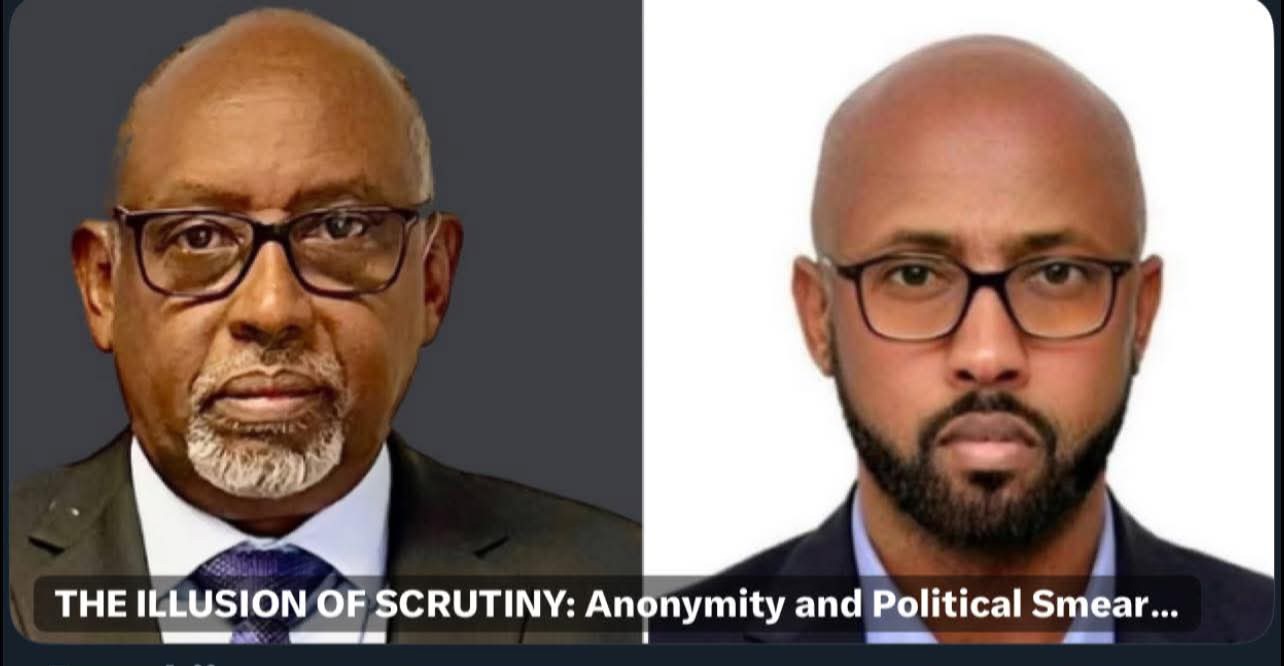
By Khadar M Leyli
Anonymity as a Weapon
In today’s post-truth media landscape, anonymity has been twisted from a shield for whistleblowers into a weapon of political disinformation. Confidentiality, once justified as protection against retaliation, is now routinely used to manufacture a false consensus. A single actor, hiding behind multiple anonymous personas, can craft the illusion of independent, multi-angled verification for a single fabricated story. This double-blind setup where neither the creator nor the distributor can be identified eliminates institutional accountability and leaves the public with no rational way to judge motive, intent, or truth.
The Anatomy of a Smear Campaign
Nowhere is this breakdown of accountability and abuse of anonymity more clear than in the recent, intensified smear campaigns targeting President Mustafa Omer and the leadership of the Somali Regional State. These purported leaks and reports are not expressions of grassroots dissent or genuine investigative journalism. They are coordinated character assassinations run by a small number of actors.
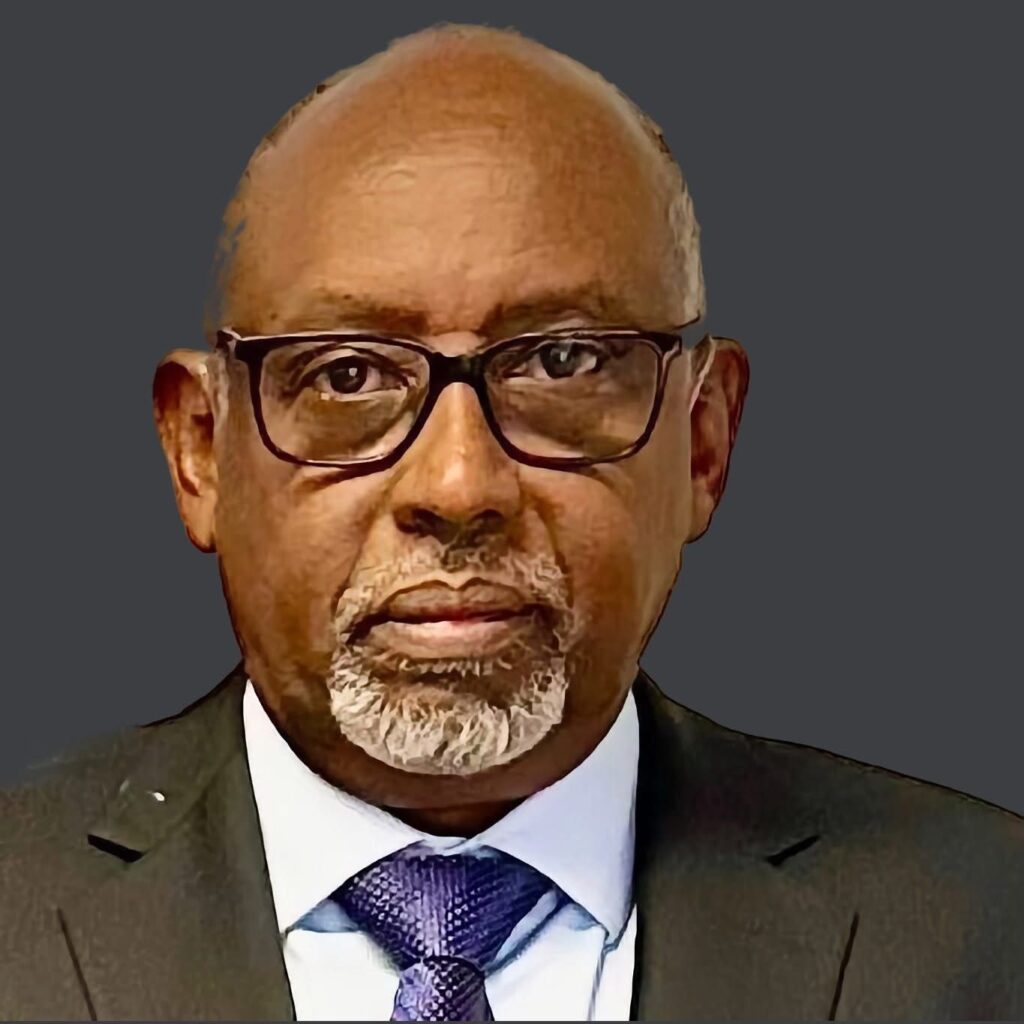
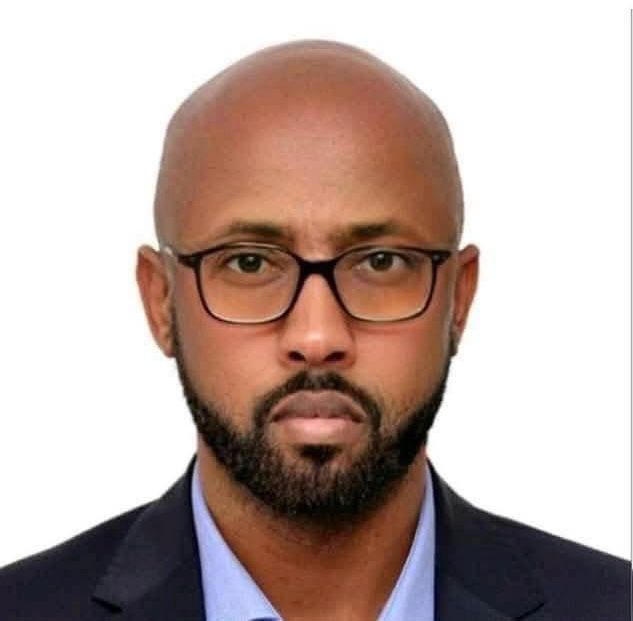
I argue that known opposition figures specifically, the ONLF Diaspora fanatics led by Abdirahman Mahdi and the online group Congress for Somali Cause led by Ahmed Hassan Baaje are using the cloak of anonymity to dress politically motivated attacks in the language of authenticity, objectivity, and independent corroboration.
The “Don’t Shoot the Messenger” Fallacy
The old maxim “don’t shoot the messenger” made sense when the messenger was a mere conduit for a known power blameless because everyone knew who sent the message. But today, both the source and the messenger can be completely hidden. Against this backdrop, the messenger’s identity becomes central to evaluating the message. Interrogating anonymous sources is thus no longer a violation of principle or privacy; it is essential for accountability, because confidentiality should not be allowed to devour credibility.
Six Examples of Weaponized Anonymity
1. The Fake Leaked Audio
A few months ago, a pro-TPLF YouTube channel aired a sensational story: the Somali Region’s president had allegedly warned that “any attempt by Addis Ababa to remove him will lead to secession.” The supposed leaked audio turned out to be a public speech from five years earlier, containing nothing remotely close to the headlines. In this context, the “leaked audio” served as the centerpiece of digital deception, exploiting our reflexive instinct to believe that a secret recording must reveal the unvarnished truth. The clips were clumsily stitched fabrications, released to give the public the voyeuristic thrill of eavesdropping on power. By mimicking the look of a whistleblower leak, the tactic was to bypasses critical thinking weaponizing confirmation bias before anyone asks who recorded it, when, who edited it, and why it surfaced at that exact political moment.
2. The Fake Investigative Journalist
Weeks after the audio stunt, an “investigative journalist” named Ismail Aliyu suddenly appeared writing anonymously, spreading tales of disturbing human rights abuses in the region’s prisons. Here again, to give a fictional story credibility, the anonymous writer adopts the persona of an independent, fearless journalist. Operating behind a faceless profile or an ad-hoc outlet, he claimed deep networks of confidential informants and “exclusive access” to power. This setup allows him to peddle unverified gossip under the banner of press freedom. Hiding behind journalistic privilege to protect nonexistent sources, he sidesteps core responsibilities of genuine journalism: rigorous fact-checking, verifiable data, and the right of reply. It is a clever but an immoral trick the writer acts as judge and jury, pretending to be a watchdog while functioning as a partisan hitman.
3. The Fake Ruling Party Insider
Nothing wounds an administration like the perception of an internal betrayal. Enter the “disillusioned ruling party insider.” A “high-ranking” anonymous member of the Somali Region’s Prosperity Party suddenly appeared on a Somali website, weaving lengthy tales of malfeasance and misconduct—again with no concrete evidence.
He writes with the casual familiarity of someone in high-level strategy meetings, predicting imminent political collapse and imaginary mutinies. Casting himself as an internal ally who has secretly defected out of conscience, the actor hopes to turn rumors of collapse into a self-fulfilling prophecy.
4. The Fake Government Official
Raising the stakes, in the same week on a different platform and for a different audience, the anonymous whisperer next impersonated a “senior government official” inside the regional offices. The claim: Somali Regional State leaders spent millions on media manipulation and image management to hide massive maladministration. The tactic here is to cloak lies in the dense, authoritative language of bureaucracy—making the public believe that the very institutions meant to serve them are secretly working against them, and against each other.
5. The Fake Political Analyst
When raw accusations need a scholarly look, the “neutral political analyst” steps in. Writing in a detached, academic tone, the energetic anonymous creator offers detailed breakdowns of the region’s political landscape, using lofty jargon to “analyze” the very scandals he fabricated under other aliases. He effectively cites himself, building an echo chamber of validation meant to sway educated readers, diaspora communities, and international observers who might dismiss vulgar social media attacks but are swayed by a polished, seemingly impartial critique that always reaches the same conclusion: the current leadership must go.
6. The Fake Election Candidate
Finally, to manipulate the democratic narrative, the creator needlessly invents the “suppressed election candidate the marginalized political outsider. Instead of publicly writing as a concerned citizen or an opposition politician, the anonymous character claims to be someone he is not, alleging that legitimate political ambitions were violently suppressed, constituents intimidated, and democratic rights crushed by the regional state machinery.
The accuracy of the claims or lack of it are not the issue here. Rather, the issue is how innocuous election time acrimony can be made to look as the desperate cries of affected political aspirants, too scared to even speak out. The same allegations are made in the streets of Jigjiga and on election debates by members of competing political parties daily, which makes the need for anonymity unnecessary, in this case.
By framing himself as a victim of systematic exclusion, the actor aims not only to delegitimize the entire electoral process in the eyes of citizens and international watchdogs, but also is trying to depict a climate of fear in the region that goes beyond election manipulation. It is a calculated move to turn personal political irrelevance into an idealized, anonymous struggle for freedom.
The very fact that known opposition members and political activists are using anonymity and are not ready to own their narratives is yet also a clear indication of a dereliction of duty and lack of ability to take responsibility for their political statements.
From Anonymity to Accountability
To uphold democratic discourse and institutional integrity, the media must maintain strict verification standards, more so in situations where allegations without evidences are tendered. Any credible media should not blindly protect unverified actors.
Opposition figures are public entities; they must also face the same scrutiny and accountability as the administration they criticize. In this regard, the accused must also get the opportunity to speculate on the identities of those they suspect as the sources of harmful anonymous reports. This could be a balancing act that gives the public the ability to hear both sides of an argument, as long as the accused on both sides are politicians and public figures.
In this post-truth era, anonymity has reached its operational limits. As artificial intelligence further blurs the line between truth and fiction, the media must establish new safeguards and higher standards for anonymous sources. Without them, the mask of anonymity will remain the character assassin’s favorite disguise.
Khadar M Leyli is a political commentator based in Jigjiga, Somali Regional State of Ethiopia. He can be reached at Khadarm@gmail.com.
———-
Editor’s Disclaimer:
The views and opinions expressed in articles published by Horn News Hub are those of the authors and do not necessarily reflect the official position or editorial stance of Horn News Hub. Publication does not imply endorsement.


