
Tigray Interim Administration Dismisses Circulating Troop Movement Ban Letter as Fabricated Amid Rising Political Tensions
Addis Ababa, Ethiopia — April 12, 2026 | Horn News Hub
The Tigray Interim Administration has rejected a widely circulated document claiming restrictions on troop movements, describing it as fabricated and designed to mislead the public amid an already fragile political environment in the region.
In a statement issued on Today, the administration said the letter attributed to its leadership was baseless and fraudulent, adding that the document did not originate from any official government structure. Authorities warned that the circulation of such information risks creating confusion, inflaming tensions, and undermining stability in Tigray.
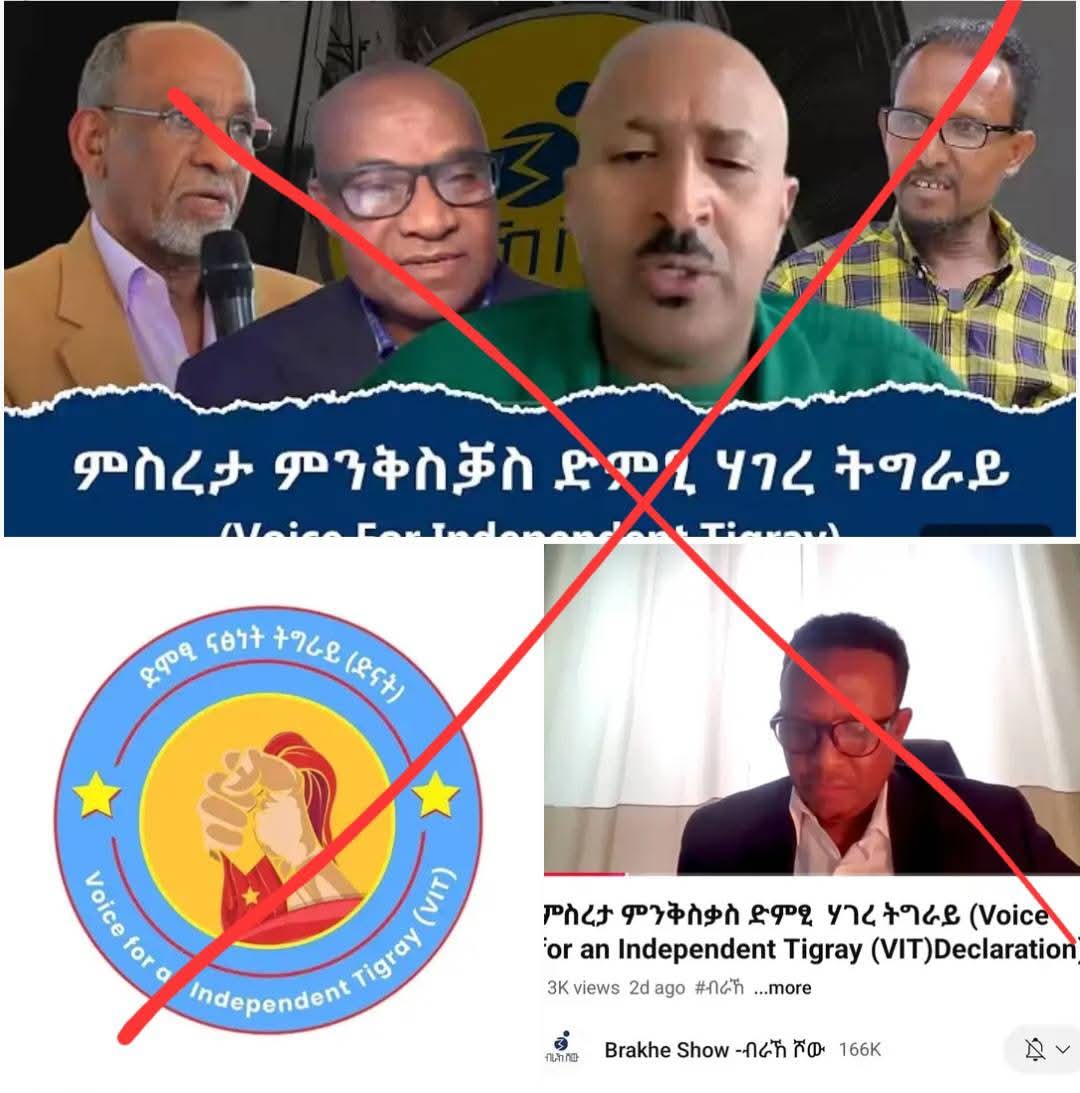
The denial came after a document began circulating across social media platforms alleging internal divisions within the Tigray leadership. The document claimed that authorities had issued orders restricting troop movements, citing fears of a potential coup attempt and alleged coordination between military figures and external actors.
According to excerpts from the circulating document, the alleged directive referenced organizational movements, foreign interference, and claims that some commanders from western and southern fronts were preparing coordinated actions involving neighboring countries. The document also suggested growing distrust within leadership structures and portrayed a deteriorating security environment.
However, in a separate clarification, the Tigray Bureau of Peace and Security dismissed the document as entirely fabricated and disconnected from reality. Officials stated that the circulation of such claims reflects deliberate misinformation intended to create instability and erode public confidence in the interim administration.
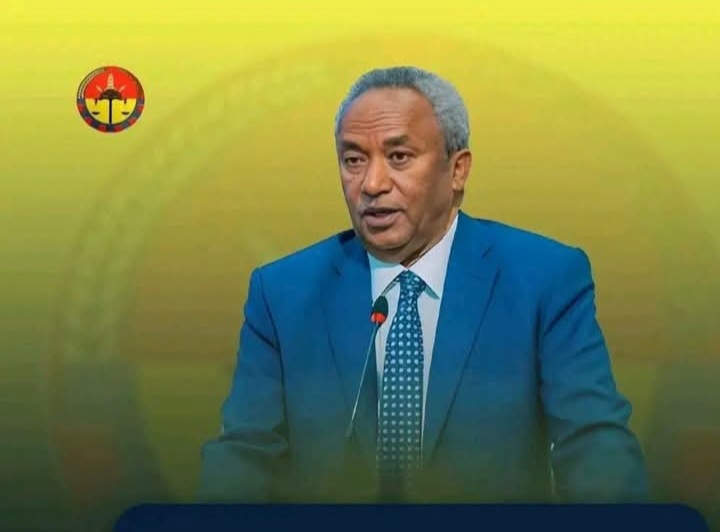
The incident comes at a time when political tensions remain high in Tigray following the establishment of the interim administration led by President General Tadese Werede. The administration has faced growing scrutiny from different political actors, including factions linked to the Tigray People’s Liberation Front leadership, as well as public concerns over governance, security, and institutional authority.
Some residents and observers say the spread of the alleged letter reflects deeper uncertainty about the balance of power in the region. Social media discussions following the circulation of the document included claims that the interim administration lacks full authority over armed forces and security structures. Others argued that the situation reflects competing centers of influence within Tigray’s political and military landscape.
Analysts note that misinformation often gains traction in environments where governance structures are still evolving and trust in institutions remains fragile. The emergence of fabricated documents, they say, may also reflect political competition and attempts by various actors to shape public perception.
At the same time, some commentators argue that the circulation of such narratives highlights broader public expectations for the interim administration to assert stronger control over security forces and reinforce state authority. Calls have emerged from sections of the public urging authorities to demonstrate clearer command structures and ensure the monopoly of force, which is widely considered a defining feature of effective governance.
Political observers also point to ongoing divisions within Tigray’s political landscape, including debates surrounding the future role of the TPLF leadership and differing views over the direction of the interim administration. Some supporters of former leadership figures have continued to call for reinstatement of previous structures, while others emphasize the need to support the current transitional arrangement.
The interim administration has repeatedly stressed the importance of stability and institutional rebuilding following years of conflict. However, the circulation of contested information and competing political narratives underscores the challenges facing the region as it attempts to consolidate governance and restore public confidence.
While officials have dismissed the document as fabricated, the broader debate triggered by its circulation reflects the complex political environment in Tigray, where questions of authority, security control, and political legitimacy remain central to the region’s ongoing transition.
Editor’s Disclaimer:
The views and opinions expressed in articles published by Horn News Hub are those of the authors and do not necessarily reflect the official position or editorial stance of Horn News Hub. Publication does not imply endorsement.