
Shadow Warfare in the Digital Space: Anonymous Intimidation and Political Blackmail in Tigrayan Discourse
Addis Ababa, Ethiopia — April 20, 2026 | Horn News Hub
A new strategic analysis by the Horn of Africa Geopolitical Review (HAGR) has raised concerns about what it describes as a systematic campaign of anonymous digital intimidation and political blackmail within Tigrayan and Ethiopian online discourse.
The report, authored by institutional policy researcher and post war security analyst Dr. Dawit Tesfay, examines the role of anonymous actors, their alleged links to former Tigray People’s Liberation Front (TPLF) structures, and the broader implications for political dialogue, governance, and post war stability.
The document is presented as a strategic assessment aimed at policymakers, media institutions, and civil society organizations.
Anonymous Digital Campaigns Under Scrutiny
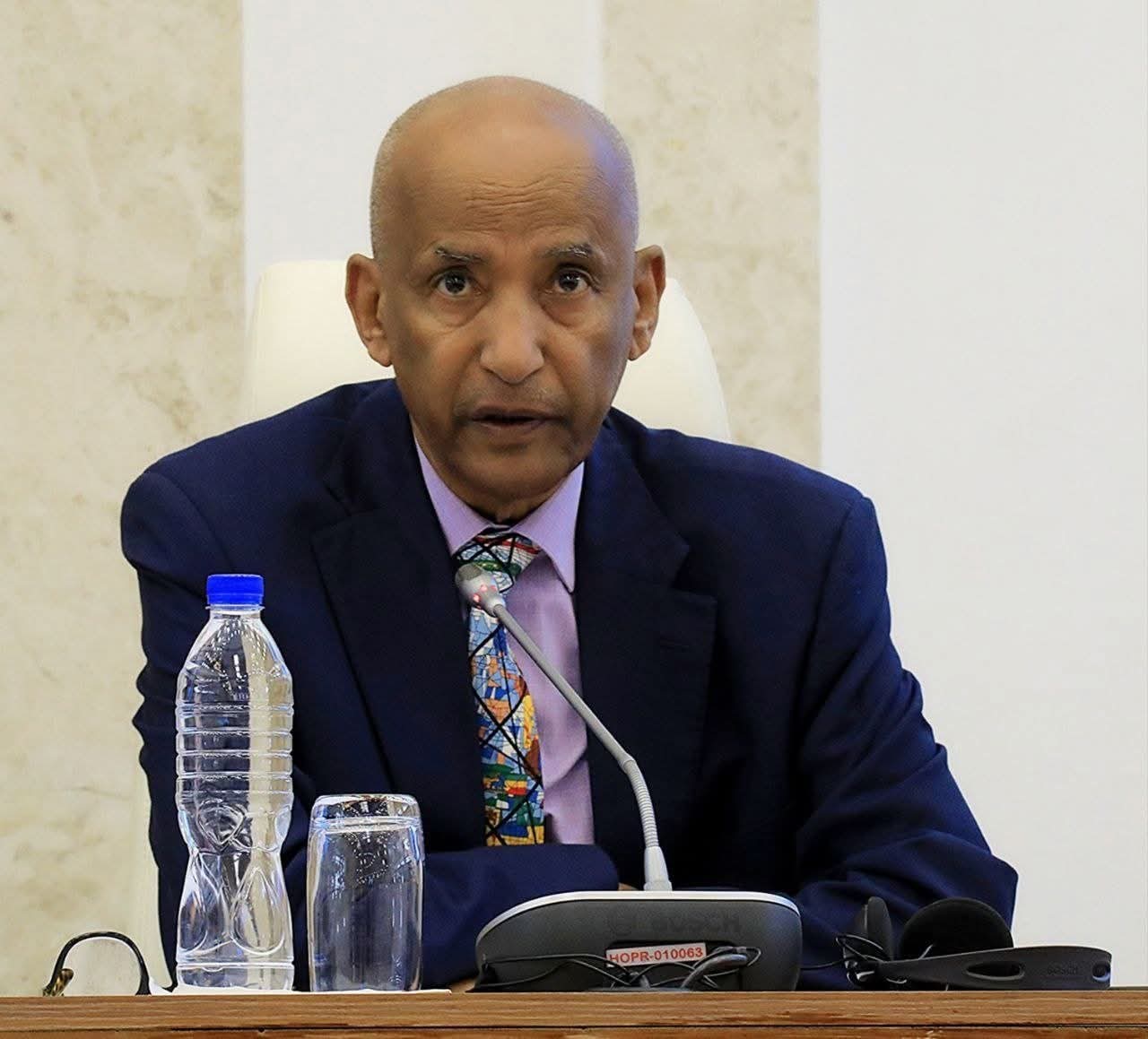
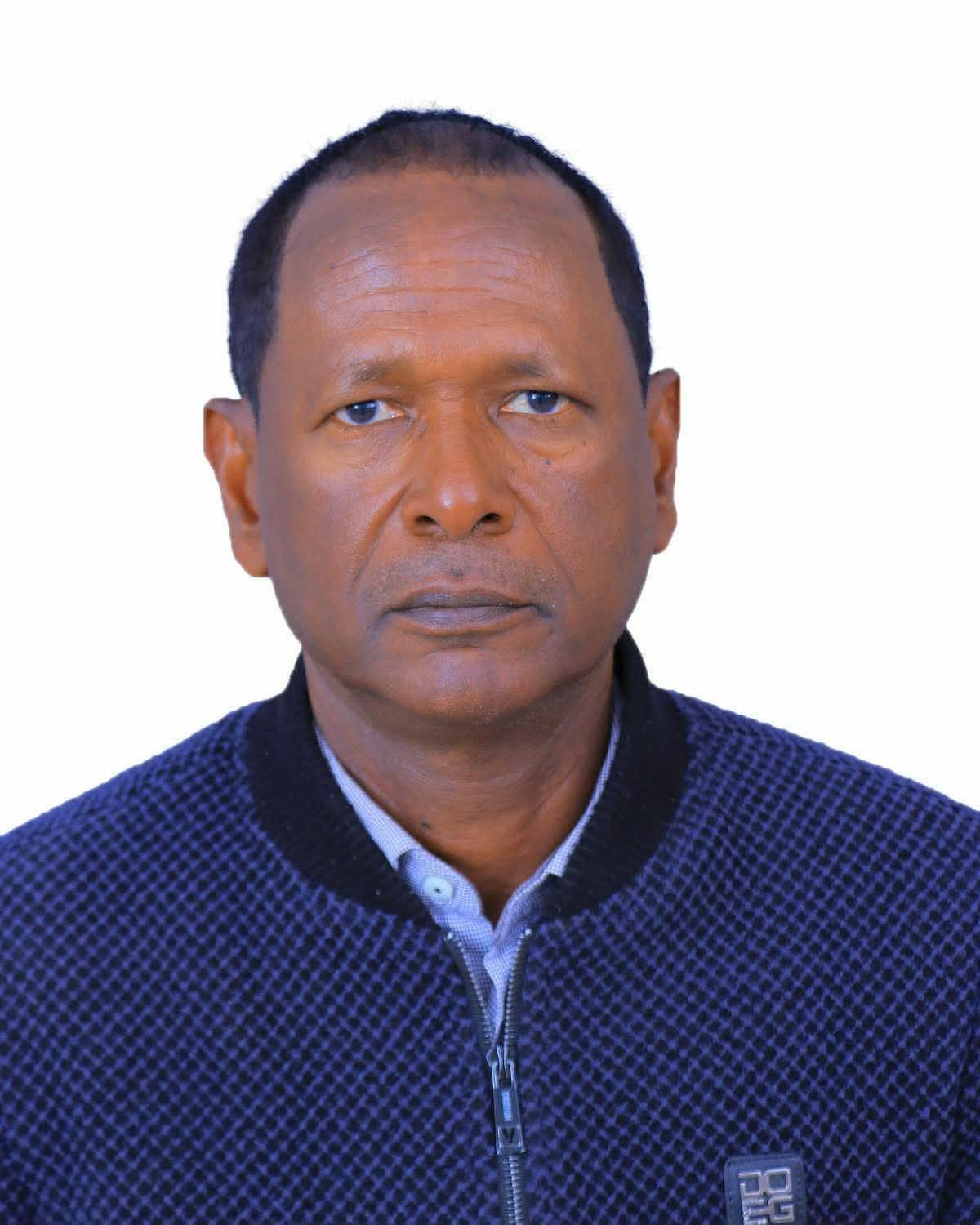
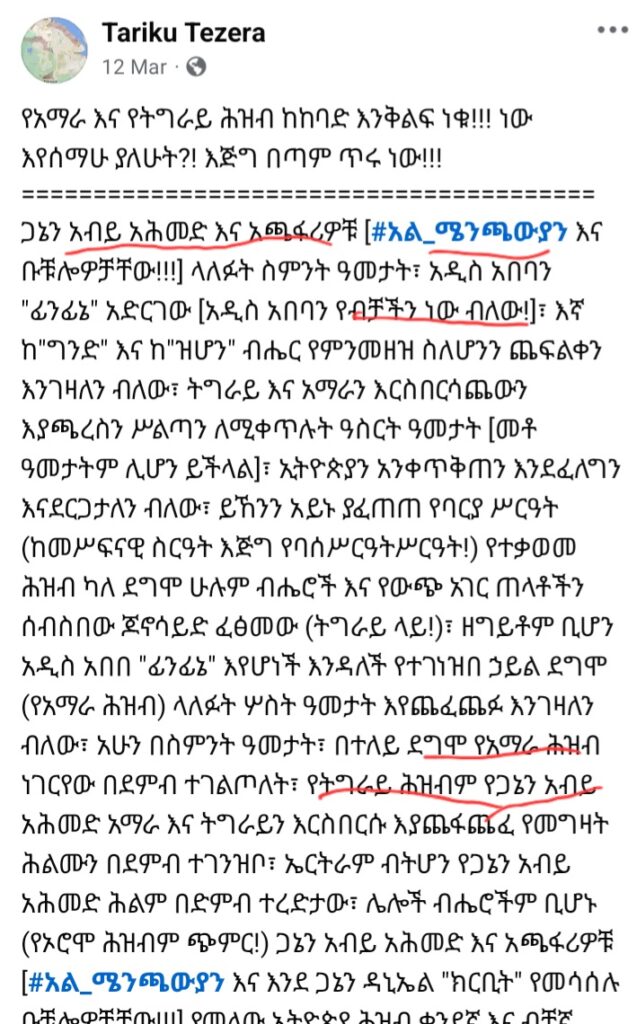
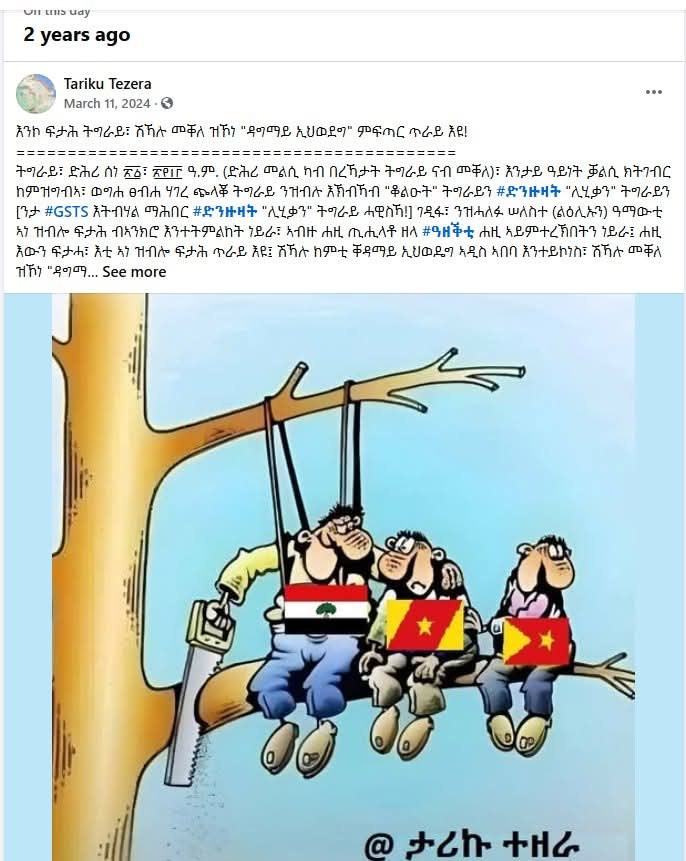
According to the analysis, the report focuses on an online figure operating under the pseudonym Tariku Tezera. The document identifies the individual as Debessay Teklemuuz, citing investigative and open source intelligence analysis.
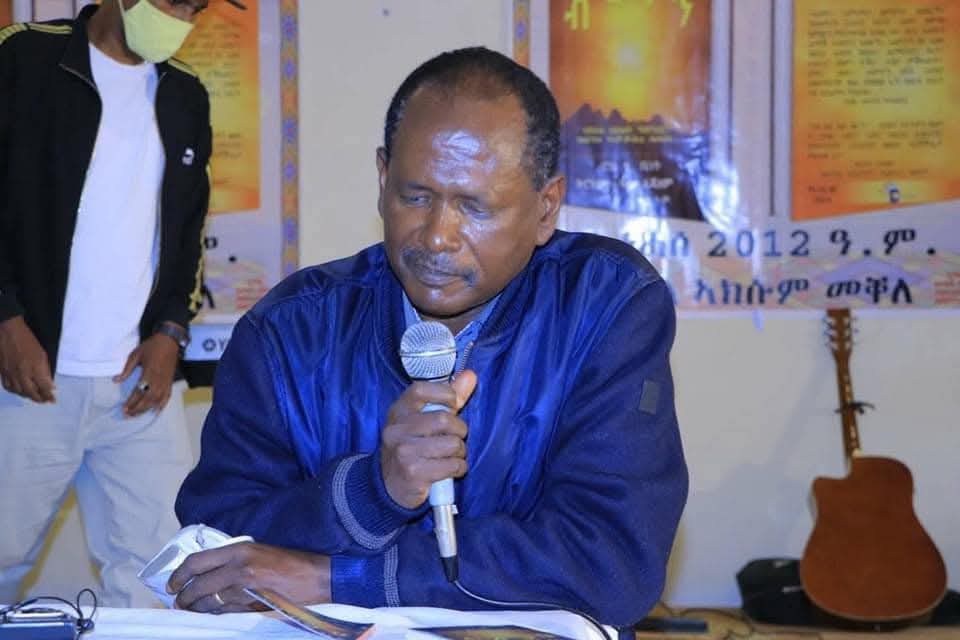
However, intelligence assessments referenced in the report indicate that the page operating under the name Tariku Tezera is not managed by a single individual. Instead, it is described as a coordinated platform primarily owned by Debessay Teklemuuz but supported by additional contributors operating within a small digital network.
The report states that these contributors allegedly coordinate messaging and political narratives, with a particular focus on influencing discourse related to Ethiopian national politics. According to the assessment, the group is accused of publishing content aimed at discrediting political actors and shaping public perception through coordinated messaging.
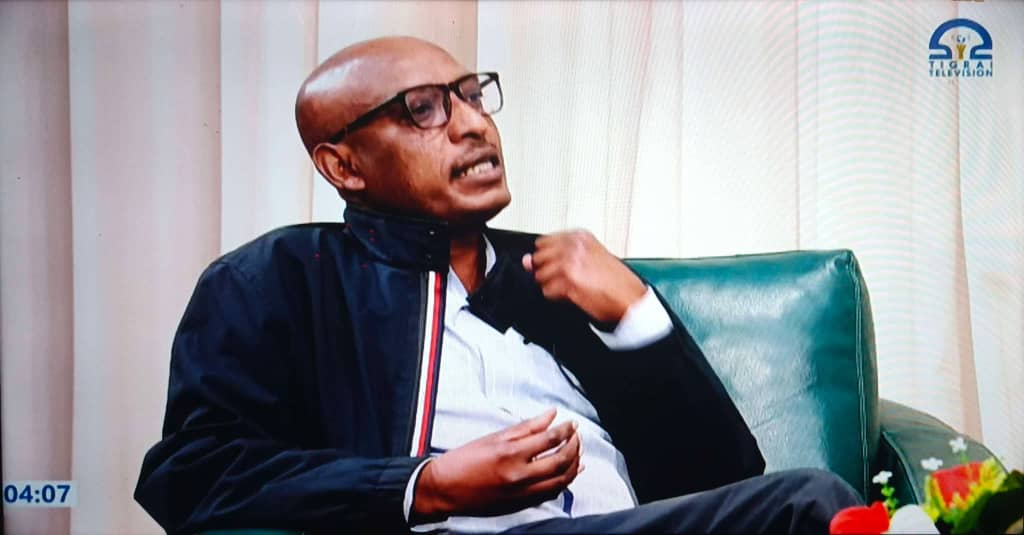
The intelligence assessment further indicates that one of the alleged contributors to the page is identified as Tsegazeab Kassa, who is described as a member of the group involved in producing political commentary and content targeting national leadership.
The report claims that a significant portion of the messaging produced by the group focuses on dehumanizing political narratives directed at Prime Minister Abiy Ahmed, alongside broader attempts to polarize Ethiopian political discourse.
The analysis argues that this multi actor operational model strengthens the page’s ability to sustain high volume posting and coordinated messaging over time.
Methodology and Scope
The study says it is based on a longitudinal review of more than 12,000 social media posts attributed to the Tariku Tezera account. Researchers also examined public identity disclosures, governance patterns within TPLF leadership structures, and post war strategic assessments related to the 2020 to 2022 Tigray conflict.
The report distinguishes between revealing and exposing information. It states that revealing refers to bringing hidden information into the public domain, while exposing refers to uncovering conduct considered discreditable or harmful.
Allegations of Digital Intimidation
The report claims that the posts attributed to the account between 2020 and the present show a consistent pattern of harassment and intimidation. These include personal attacks against individuals with opposing political views, character assassination targeting activists and public figures, and intimidation directed at individuals expressing independent political opinions.
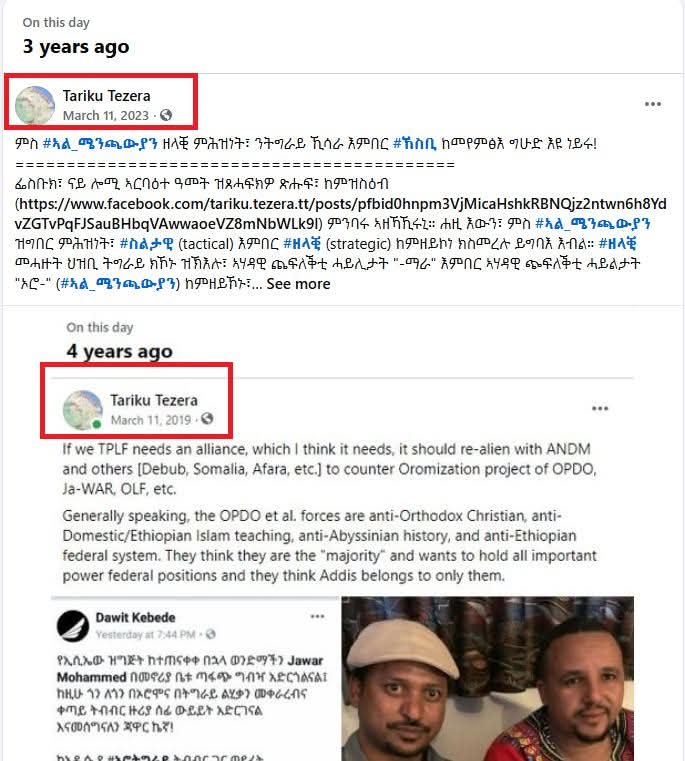
According to the analysis, the campaign appears designed to discourage dissent and suppress alternative viewpoints rather than engage in substantive political debate.
The report states that individuals expressing independent views were frequently targeted, creating what it describes as a climate of fear in online political discourse.
Alleged Network Links
The document claims that the alleged digital operative functions within a wider network connected to former TPLF intelligence structures. It mentions individuals including former intelligence chief Getachew Assefa and associates connected to the intelligence apparatus.
The report describes this network as operating through what it characterizes as nepotism, cronyism, and patronage. It argues that these practices shaped governance structures in Tigray during the 34 year period of TPLF dominance.
According to the report, nepotism involved favoring relatives in political appointments, while cronyism prioritized loyalty over competence. Patronage, the analysis states, was used to reward political supporters with positions and economic opportunities.
The document argues that these practices weakened merit based governance and contributed to public distrust.
Ideological Framework and Control Mechanisms
The analysis also examines the ideological foundations of the TPLF, describing them as evolving between revolutionary democracy, developmental state models, and Marxist Leninist frameworks.
However, the report argues that in practice ideology functioned as a mechanism of control rather than a coherent political philosophy.
The document describes a political culture characterized by intolerance for dissent, coercive internal accountability mechanisms, and the use of ethnicity as a political mobilization tool.
It also references the practice of gimgema, internal criticism sessions used within party structures, which the report says were used to enforce loyalty and punish dissent.
According to the analysis, digital harassment and blackmail are presented as extensions of these political practices into the online space.
Link to Strategic Failures During the War
The report further connects the alleged digital intimidation culture to broader strategic failures during the 2020 to 2022 war in Tigray.
It outlines several key decisions attributed to TPLF leadership, including the holding of regional elections deemed illegal by federal authorities, the November 2020 attack on the Northern Command, and the 2021 military advance toward Addis Ababa.
The report argues that these decisions contributed to prolonged conflict, humanitarian crises, and the expansion of war fronts involving Eritrea.
According to the analysis, the same decision making culture that discouraged internal criticism also contributed to strategic miscalculations.
Political Dynasties and Power Consolidation
The document also discusses what it describes as a family based power structure within TPLF leadership networks. It argues that marriage alliances, political appointments, and economic control were used to consolidate power across generations.

The report claims that such structures enabled continued protection of individuals even after public controversies or allegations.
It cites this as one of the reasons anonymous online actors allegedly continued operating despite identity disclosures.
Recommendations to Civil Society and Media
The report calls on civil society organizations and media institutions to document online harassment, archive digital evidence, and promote accountability.
It also encourages the publication of verified identities of anonymous actors once sufficient evidence is established.
The document emphasizes that independent political discussion requires protection from intimidation and harassment.
Closing Assessment
The Horn of Africa Geopolitical Review concludes that anonymous digital harassment has become a significant factor in Tigrayan political discourse and may influence broader governance and reconciliation efforts.
The report argues that addressing such practices is necessary to promote open political dialogue and prevent further polarization.
It states that the issue extends beyond individual actors and reflects deeper political and institutional dynamics.
The analysis concludes that accountability, transparency, and open debate will be essential for long term political stability in Tigray and Ethiopia.
The report has been submitted for public record and is intended for policymakers, media institutions, and civil society organizations.
Editor’s Disclaimer:
The views and opinions expressed in articles published by Horn News Hub are those of the authors and do not necessarily reflect the official position or editorial stance of Horn News Hub. Publication does not imply endorsement.