

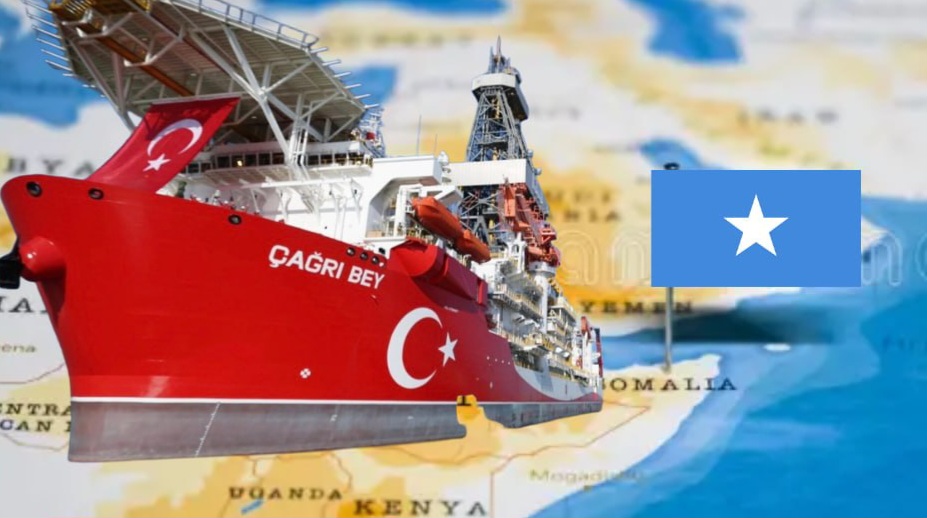
Turkey’s Deep Sea Drillship Arrives in Somalia as Oil Exploration Raises Regional Tensions
Turkey has launched its first offshore drilling operation outside its own maritime jurisdiction, marking a significant milestone in both energy exploration and regional geopolitics in the Horn of Africa.
The Turkish ultra deepwater drillship Çağrı Bey drillship has arrived in Somali waters to begin the country’s first offshore oil exploration campaign. The move, confirmed by Alparslan Bayraktar, signals growing cooperation between Turkey and Somalia and highlights Ankara’s expanding energy ambitions in Africa.
Speaking in the Turkish province of Trabzon on April 4, Bayraktar said the vessel is expected to begin drilling at the Curad 1 well later this month. The drillship departed from the southern Turkish port of Taşucu in February and has completed its journey to Somali waters.
Recommended News
Condemnation and Urgent Appeal Against the TPLF Splinter Group’s Illegal Actions Against IDPs in Tigray
Mekelle, February 12, 2025 (Tigray Herald) Condemnation and Urgent Appeal Against the TPLF Splinter Group’s Illegal Actions Against IDPs in…
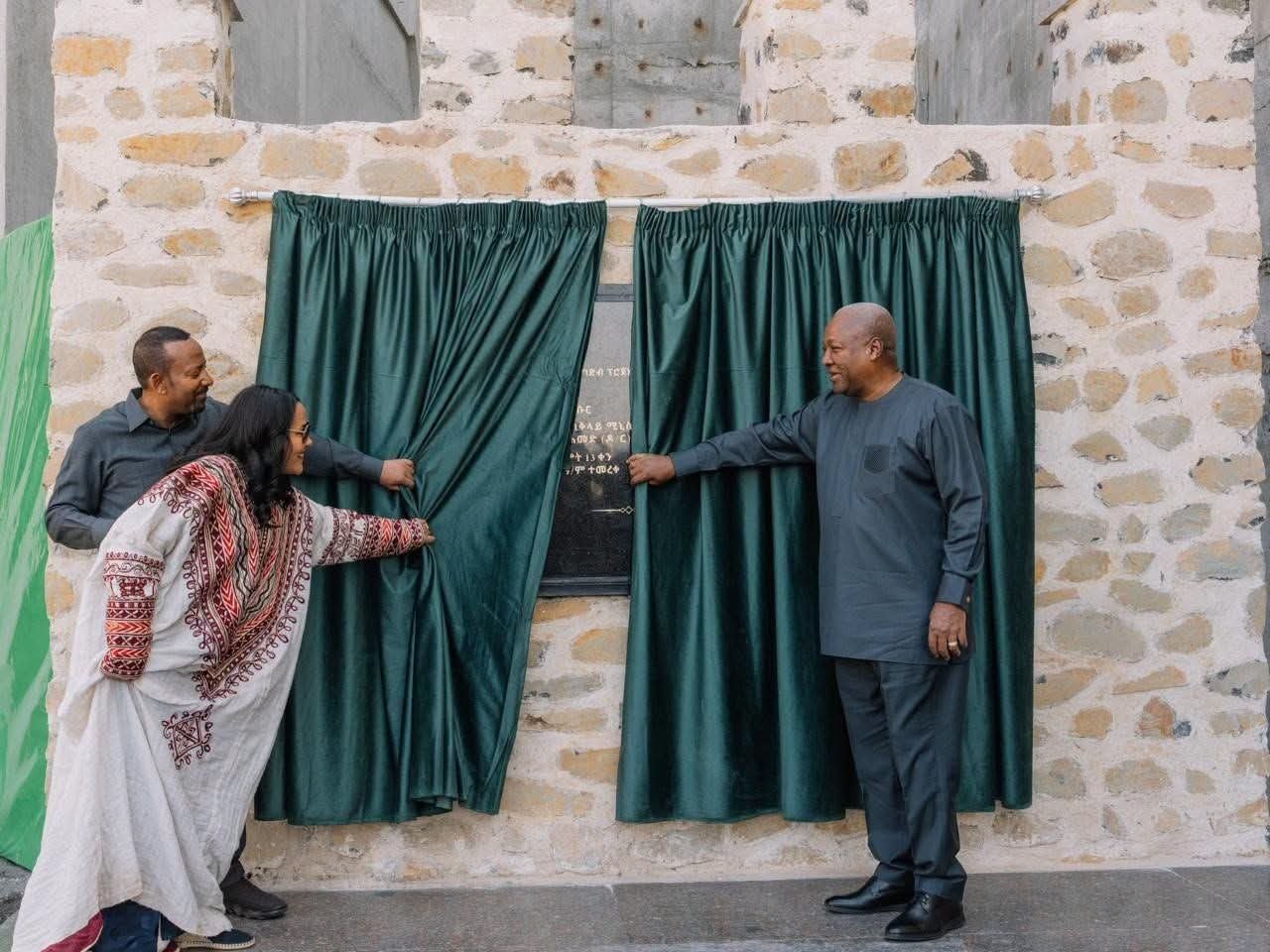
Ethiopia Inaugurates Megech Irrigation Dam, Boosting Agricultural Development and Regional Prosperity
Addis Ababa፡Horn News Hub-October 23, 2026 Prime Minister Dr. Abiy Ahmed has officially inaugurated the Megech Irrigation Dam Project, marking…
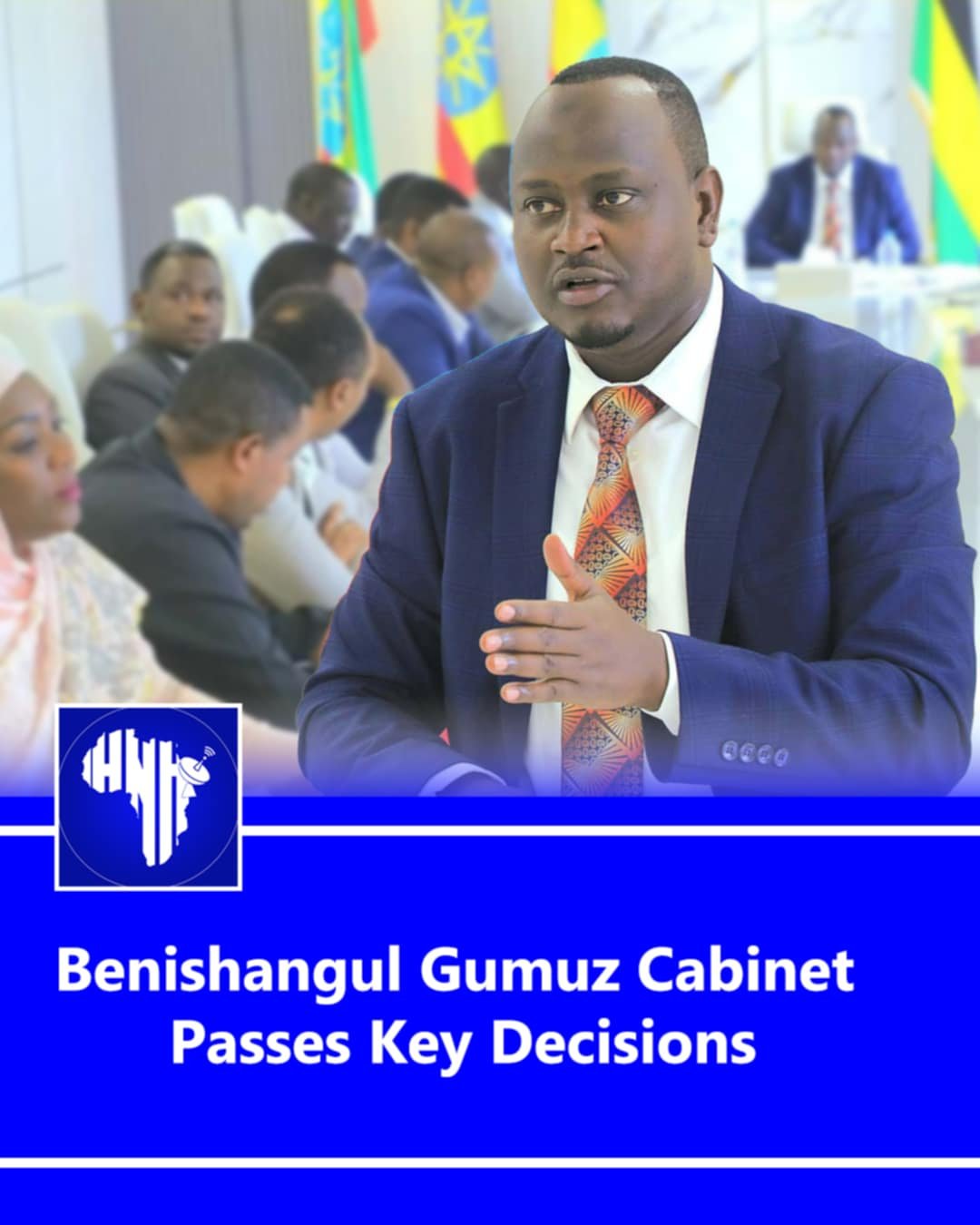
Benishangul Gumuz Regional Cabinet Passes Several Decisions at Regular Meeting
Assosa: Horn News Hub | October 23, 2026፡ The Benishangul Gumuz Regional State Cabinet held its regular meeting today, discussed…

PFDJ Eritrea Leadership Under Unprecedented Pressure: Internal Panic Amid Ethiopia’s Military and Diplomatic Ascendancy
Prepared by: HORN OF AFRICA GEOPOLITICAL REVIEW (HAGR) STRATEGIC MEDIA MONITORING REPORT EXECUTIVE SUMMARY Reports from across the Horn of…
“The oil we discover there could make a major contribution to Somalia, East Africa and hopefully our country as well,” Bayraktar said.
The seventh generation drillship is capable of drilling up to 12,000 meters and can host about 200 personnel. Built in South Korea and acquired by the Turkish Petroleum Corporation in 2021, the vessel is equipped with advanced dynamic positioning systems designed for deep sea exploration under high pressure conditions.
Somalia’s Untapped Offshore Potential
The exploration follows a 2024 energy agreement between Turkey and Somalia covering both onshore and offshore oil and gas exploration. Prior to the drilling phase, the Turkish seismic vessel Oruç Reis seismic vessel conducted surveys across three offshore blocks, mapping roughly 5,000 square kilometers of ocean floor.
Researchers estimate Somalia may hold up to 30 billion barrels of recoverable oil and gas reserves, with around 11 billion barrels believed to lie offshore along the Indian Ocean.
Ali Omar described the project as both economically and geopolitically significant, saying a successful discovery could strengthen Somalia’s development prospects and deepen Ankara’s role as a long term partner.
The development also comes at a time when fuel supply concerns are rising globally due to tensions in the Middle East, particularly disruptions affecting oil flows through the Strait of Hormuz. Analysts say any new production in the Horn of Africa could help diversify supply and reduce vulnerability to external shocks.
While commercial production could take years, the exploration is already viewed as a potentially important opportunity for East Africa and the wider Horn of Africa region, where many countries face fuel shortages and rising import costs.
Maritime Disputes and Political Sensitivity
Turkey’s drilling campaign also comes amid unresolved maritime tensions between Somalia and Kenya in the Indian Ocean.
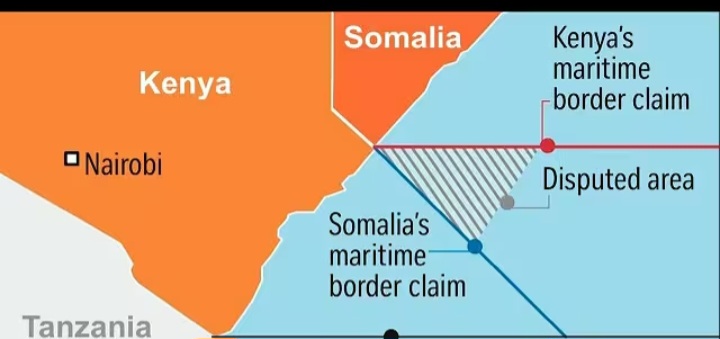
The offshore area where Somalia has allowed Turkey to begin drilling overlaps with waters that were previously disputed between the two countries. The long running dispute involved a triangular stretch of ocean believed to hold significant oil and gas reserves.
Kenya argued the maritime boundary should extend eastward along a latitude line, while Somalia maintained that the boundary should run southeast following a diagonal line based on international maritime law.
The dispute was eventually taken to the International Court of Justice, which issued its ruling in October 2021. The court largely sided with Somalia and awarded it a significant portion of the contested waters.
However, Kenya rejected the ruling, calling it unfair and refusing to recognize the decision. As a result, the maritime boundary remains politically sensitive, even as Somalia has moved forward with exploration and licensing.
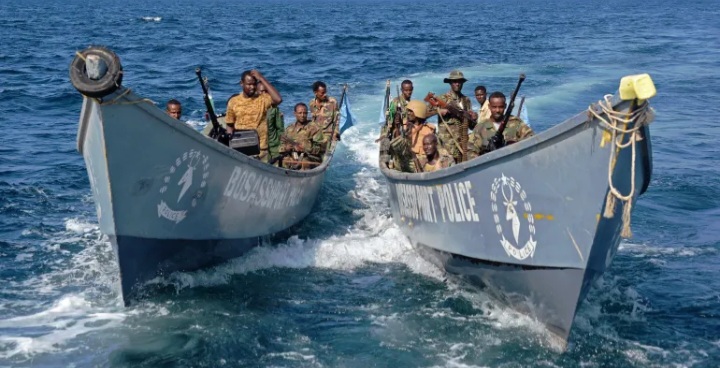
This makes Turkey’s offshore drilling particularly significant for several reasons. The drilling takes place in waters previously contested by Kenya. It signals Somalia’s effort to exercise control over the area awarded by the ICJ. It also introduces a major regional power, Turkey, into a geopolitically sensitive zone in the Indian Ocean.
Diplomatic Tensions and Somaliland Factor
Relations between Somalia and Kenya have deteriorated over the past decade. Tensions escalated in 2019 when Somalia criticized Kenya for deporting Somali officials arriving at Jomo Kenyatta International Airport.
Further disagreements followed, including Somalia’s suspension of khat imports from Kenya, security accusations involving the border town of Mandera, and diplomatic fallout in 2020 when Somalia cut ties with Kenya, accusing Nairobi of interfering in its internal affairs.
The dispute deepened when former Kenyan President Uhuru Kenyatta hosted Musa Bihi Abdi in Nairobi. Somalia viewed the move as undermining its sovereignty over Somaliland.
Following the diplomatic fallout, Kenya later allowed Somaliland to open a diplomatic mission in Nairobi.

Somalia strongly objected, insisting that Somaliland remains one of Somalia’s regional administrations rather than an independent state. Mogadishu described the move as a violation of its sovereignty and warned it could further strain relations.
A Fragile Region Faces New Uncertainty
The Horn of Africa has long faced political instability, border disputes, and security challenges. The introduction of major offshore oil exploration adds another strategic layer to an already complex regional environment.While energy discoveries could bring economic transformation and help address fuel shortages, analysts warn they may also intensify geopolitical competition, particularly in contested maritime areas.
The development also comes at a time when Ethiopia is actively pursuing expanded maritime access to the Red Sea and the Indian Ocean. As a landlocked country and one of Africa’s fastest growing economies, Ethiopia has increasingly emphasized the strategic importance of diversified sea access for trade, energy security, and long term economic growth.
Turkey’s offshore exploration in Somalia could indirectly influence this broader regional dynamic. If significant oil reserves are discovered and developed, Somalia could emerge as a new energy hub in the Horn of Africa, potentially reshaping logistics, infrastructure development, and regional partnerships.Such developments may accelerate discussions on port access, energy corridors, and economic cooperation involving Ethiopia and coastal neighbors. At the same time, competition over maritime resources and strategic positioning could also heighten geopolitical sensitivities in an already fragile region.
For Somalia, the drilling marks a historic step toward resource driven growth. For Turkey, it represents expanding influence and energy diplomacy in Africa.

For Ethiopia and the wider Horn of Africa, the development adds another layer to the evolving debate over sea access, regional stability, and the future balance of power along the Red Sea and Indian Ocean corridors.
Whether the project becomes a catalyst for cooperation or another source of instability remains uncertain. However, Turkey’s offshore drilling in Somali waters has already signaled a new geopolitical chapter in the Horn of Africa and the wider Indian Ocean region.
Editor’s Disclaimer:
The views and opinions expressed in articles published by Horn News Hub are those of the authors and do not necessarily reflect the official position or editorial stance of Horn News Hub. Publication does not imply endorsement.


