
Urna in Raya: Seasonal Migration, Cultural Identity, and Indigenous Resilience
In the agro-pastoral landscapes of Raya, southern Tigray, a long-standing tradition known as Urna continues to shape livelihoods, identity, and social organization. More than a seasonal movement, Urna represents an indigenous system of pastoral mobility developed over generations to adapt to changing environmental conditions.
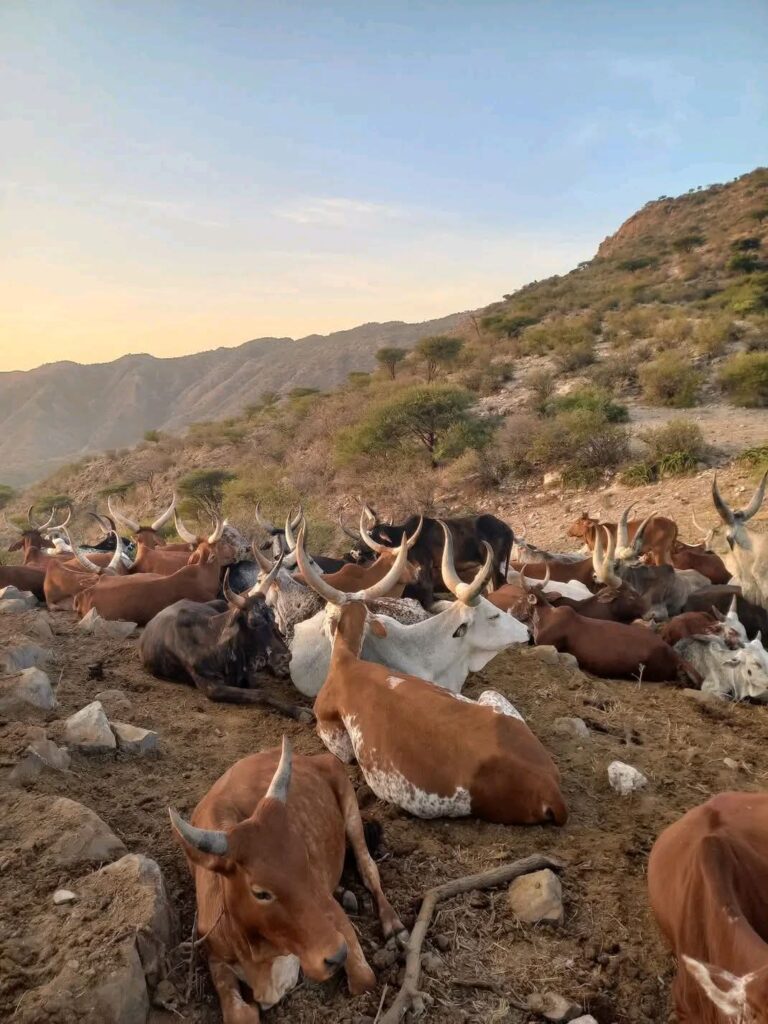
Urna refers to the practice in which herders, primarily young men, move with their livestock to distant grazing areas during the dry season. As cultivated farmland expands in winter grazing zones, Raya shepherds travel to remote grasslands for more than two months, seeking pasture and water for cattle and sheep. This seasonal migration reflects both necessity and inherited knowledge of land use and climate patterns.
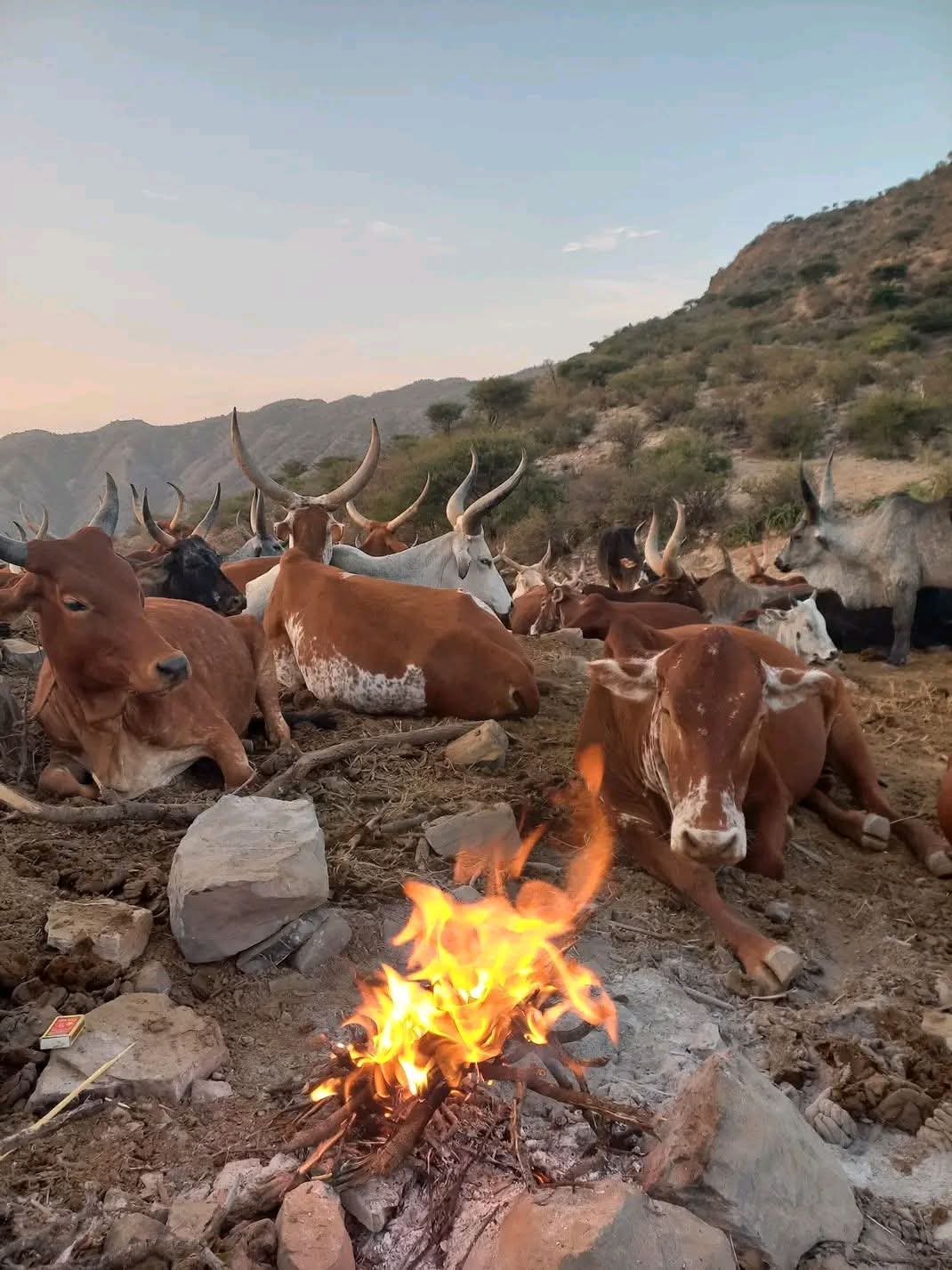
The journey itself is carefully organized. Herders prepare by carrying provisions, including flour, cooking equipment, traditional ovens, and mangales. During their stay, they bake traditional bread known as Burkuta, rely heavily on milk, and occasionally hunt wild animals. Life in Urna camps is simple but structured, shaped by cooperation, shared responsibilities, and survival in harsh environments.
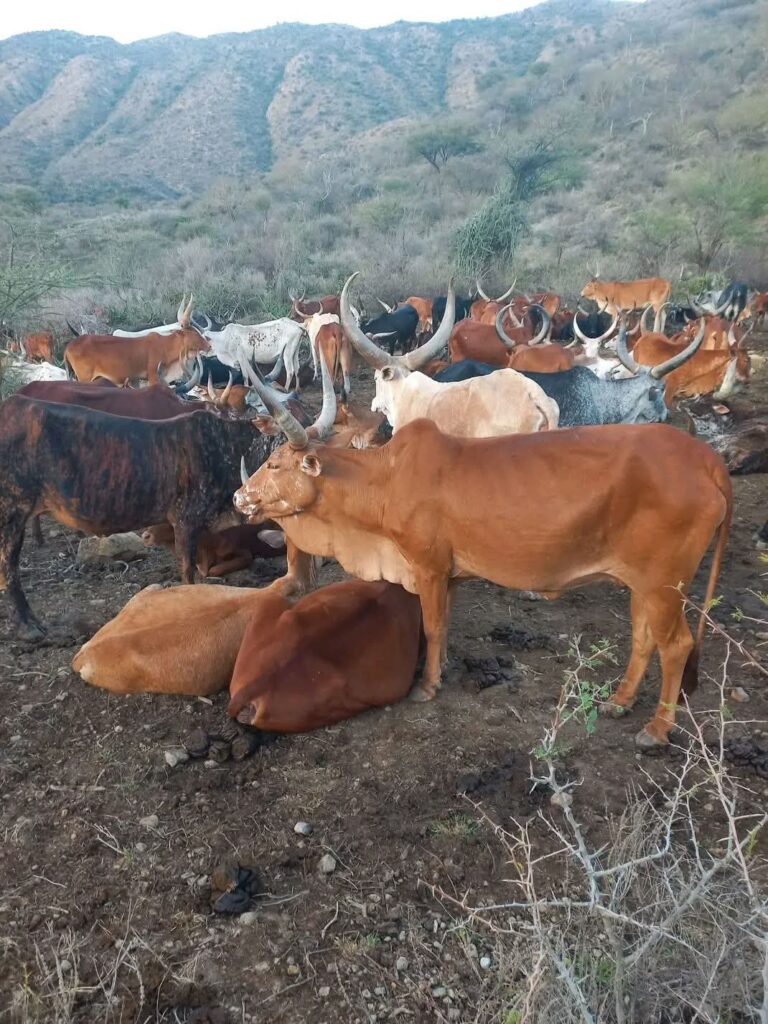
Far from being spontaneous, Urna is governed by indigenous systems such as Sera, which regulate access to grazing lands, coordinate group movements, and maintain order among participants. These traditional governance mechanisms reflect a deep culture of cooperation, risk-sharing, and environmental stewardship that has sustained pastoral communities across generations.
Urna also serves as a formative social institution. For many young herders, the seasonal migration functions as a rite of passage. Living in remote landscapes demands endurance, leadership, and decision-making under uncertainty. Through this experience, young participants gain maturity while strengthening their connection to community values and traditions.
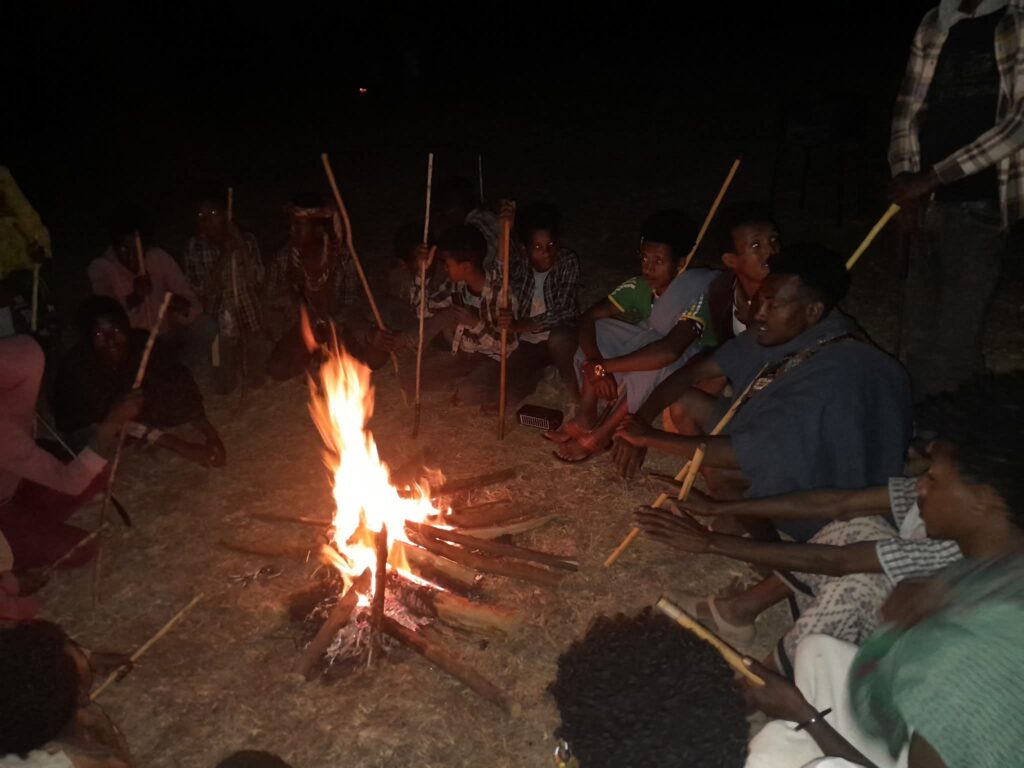
Beyond its economic and social functions, Urna plays an important role in preserving intangible cultural heritage. The grazing landscapes become spaces of cultural expression where herders compose songs, share oral poetry, and pass down stories. These traditions capture memory, identity, and ecological knowledge, helping maintain continuity across generations.
Recognizing the cultural significance of this tradition, G & N Creative Art Production organized a vibrant camping event on January 8–9, 2017 (Geez calendar) at the mountain of Daba-Maichew. The gathering brought together elders, youth, and cultural enthusiasts to celebrate Urna and highlight its role in sustaining Raya’s heritage.
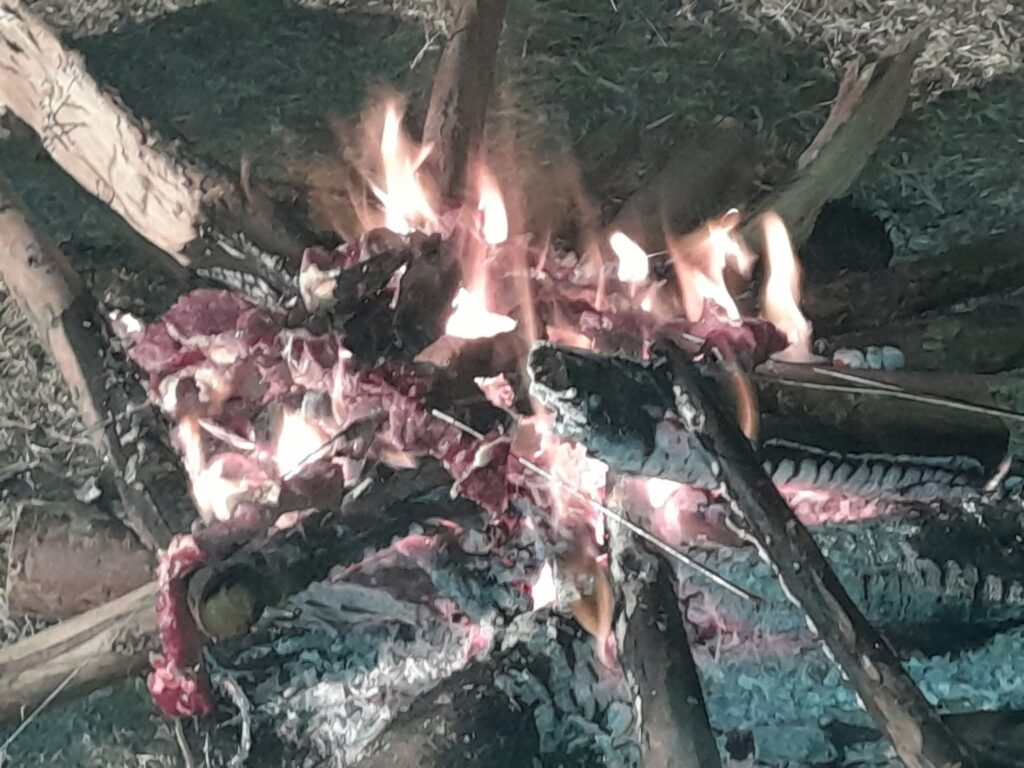
In essence, Urna illustrates a dynamic relationship between people, environment, and culture. It stands as a living example of indigenous adaptation and resilience, offering lessons in sustainable land use, community cooperation, and cultural continuity. As modern pressures reshape pastoral landscapes, documenting and preserving traditions like Urna becomes increasingly important for both cultural heritage and sustainable development.
Written by Abreha Kiros, Lecturer and Researcher at Axum University.
Editor’s Disclaimer:
The views and opinions expressed in articles published by Horn News Hub are those of the authors and do not necessarily reflect the official position or editorial stance of Horn News Hub. Publication does not imply endorsement.