

Mekelle/Tel Aviv/Nairobi/Pretoria/London
Beautifying Sheger: Addis Ababa’s Riverside Transformation and the Politics of Urban Renewal| Long Form Analysis
By Dr. Ameha B. Amare
Addis Ababa’s transformation along its historic river corridors marks one of the most ambitious urban renewal efforts in contemporary Africa. Known as the Riverside Development Project or Beautifying Sheger, the initiative has reshaped how the Ethiopian capital presents itself to citizens, investors, and international partners. More than an environmental or beautification project, it reflects a broader shift in governance priorities, urban planning philosophy, and economic strategy.
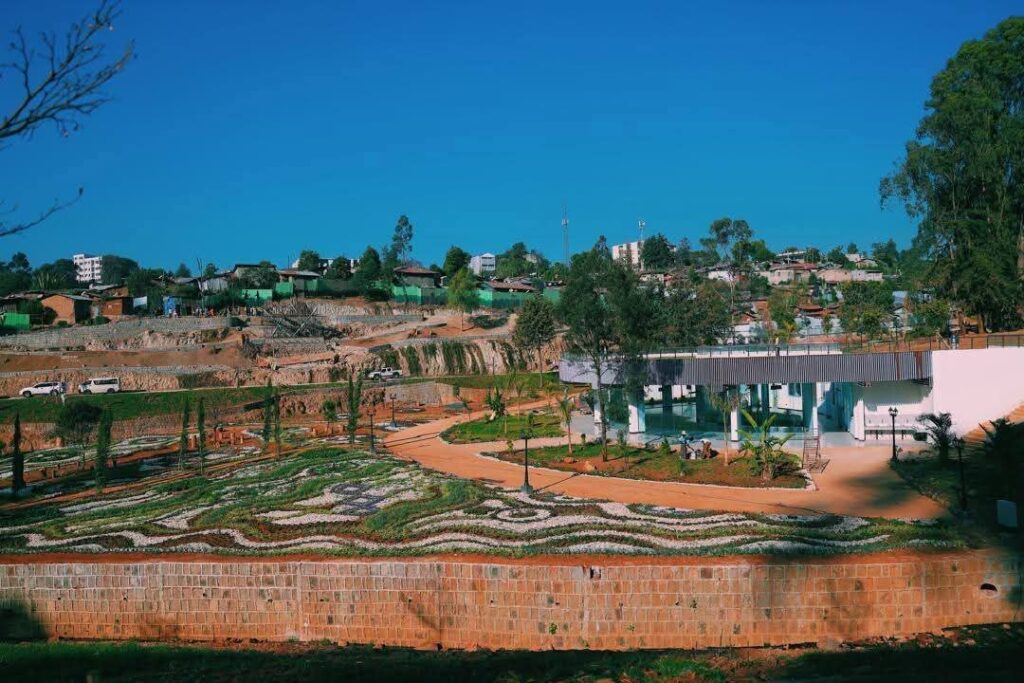
Launched in 2019, the project targets decades of neglect surrounding the city’s rivers, particularly the Kebena and Sheger waterways. These rivers once symbolized environmental degradation, informal settlement pressure, recurrent flooding, and public health risks. Today, they are being repositioned as central civic assets within a rapidly modernizing capital.
Urban Renewal as a Signal of State Capacity
Capital cities often function as mirrors of national ambition. The condition of public space, infrastructure quality, and service delivery offers early signals of institutional capacity long before official policy statements are read. In this context, Addis Ababa’s riverside transformation operates as a visible assertion of governance confidence and planning capability.

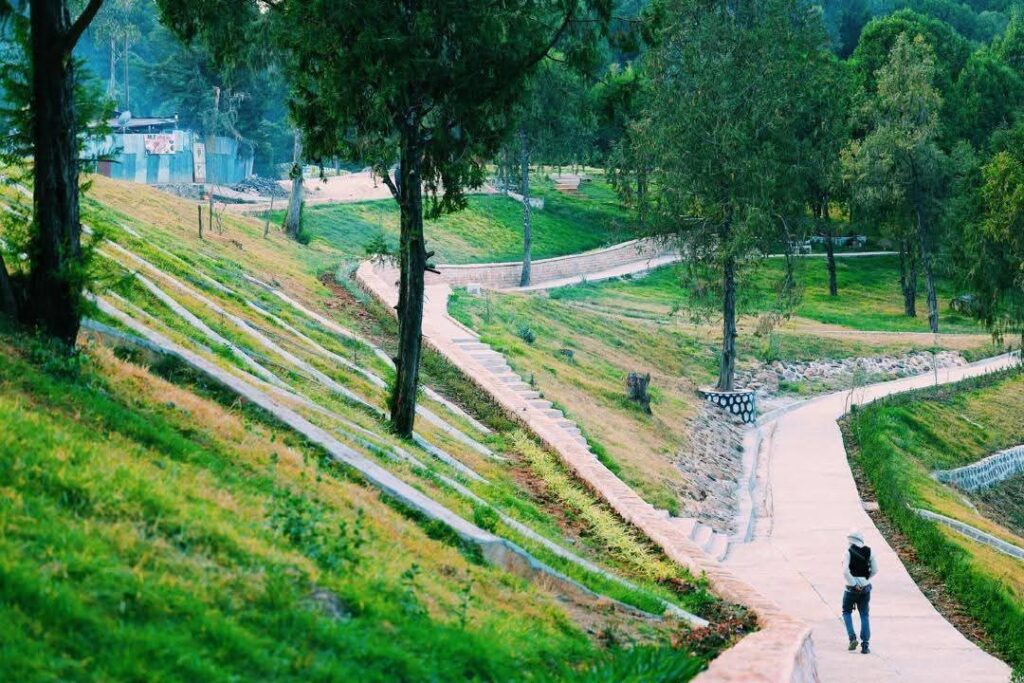
Stretching roughly 56 kilometers from the Entoto highlands to the Akaki wastewater treatment zone, the project integrates green spaces, pedestrian corridors, public libraries, playgrounds, bridges, and flood control systems into formerly marginalized areas. The aim is not only aesthetic improvement but structural reorganization of the urban core.
By reclaiming natural waterways and reconnecting fragmented neighborhoods, the city is shifting away from reactive urban management toward a more planned and resilient development model. Public space is treated as infrastructure, not as a luxury.
Governance and Leadership: The Executive Drive Behind Delivery
The scale and pace of the transformation have brought the role of city leadership into sharp focus. Under Mayor Adanech Abiebie, the first woman to lead the Addis Ababa City Administration, the project has been framed as a non-negotiable pillar of long-term urban policy.
Observers point to several distinct aspects of the governance approach under Mayor Adanech. There is a pronounced emphasis on exercising executive authority to accelerate project delivery, often associated with a “strong mayor” model. This has involved direct oversight to navigate bureaucratic hurdles and an integrated anti-corruption drive framed as essential to infrastructure delivery, not separate from it.
“The leadership has framed this as a test of institutional capability,” says a diplomat from a European Union mission, speaking on background. “There is a clear intent to demonstrate that the city administration can plan, finance, and execute a complex, multi-year project with visible results. This builds credibility.”
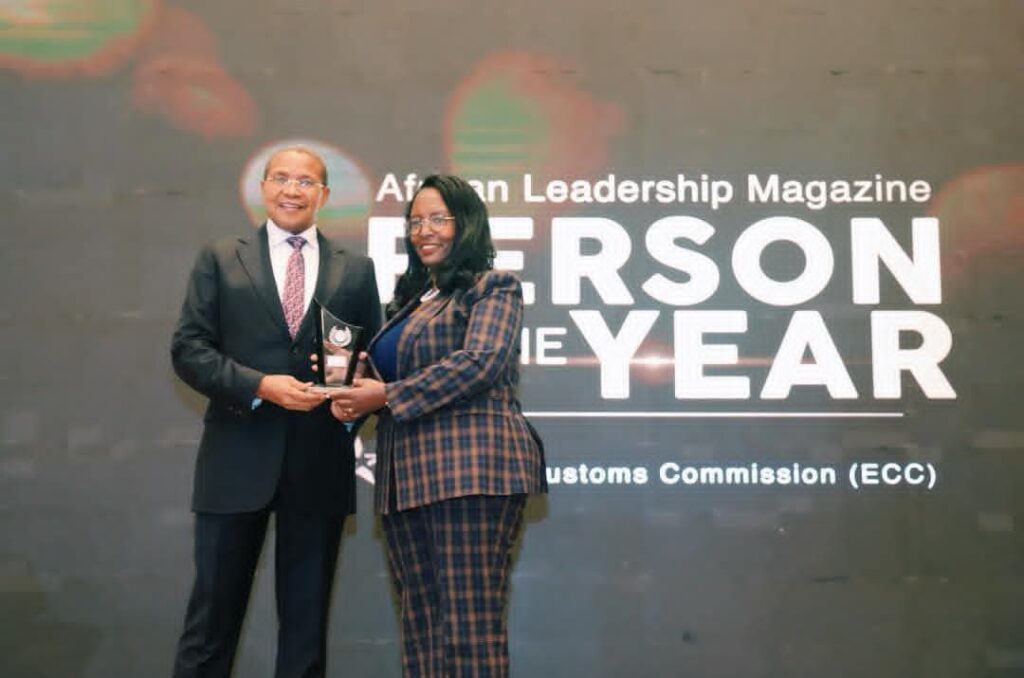
The mayor’s profile has also drawn international attention, resulting in accolades such as the African Leadership Magazine Person of the Year (2024) and the Seoul Smart City Prize for Best Leadership (2024). Supporters argue these recognitions validate a performance-based governance model.
Her administration has framed the project as a long term urban investment rather than a short term political showcase. Institutional reforms, including anti corruption measures and restructuring of municipal offices, have been positioned as prerequisites for large scale infrastructure delivery. The city government has also emphasized service digitalization, planning coordination, and stronger regulatory enforcement.
International recognition received by the mayor and the city administration reflects growing attention to Addis Ababa’s urban governance experiment. While awards alone do not measure impact, they underscore how the project has entered regional and global urban policy discussions.
Engineering Livability and Environmental Recovery
One of the most prominent features of the riverside project is Sheger Park and its associated man made ponds and landscaped public areas. These spaces serve multiple functions beyond recreation.
They play a role in flood mitigation by regulating water flow and reducing runoff during the rainy season. They contribute to microclimate moderation in dense urban areas. They also provide accessible public spaces in a city where such areas have historically been limited.
From a planning perspective, the project demonstrates how engineered environmental solutions can coexist with high density urban growth. For African capitals facing climate stress and population pressure, this model carries broader relevance.
Economic Impact and Urban Growth
Urban renewal at this scale inevitably reshapes economic dynamics. The riverside development has stimulated real estate demand along revitalized corridors and attracted private investment in hospitality, services, and tourism related businesses. Construction activities have generated employment, while improved public space has increased the commercial value of surrounding neighborhoods.
The city administration argues that the project will expand the municipal tax base over time and enhance Addis Ababa’s position as a regional conference and diplomatic hub. For foreign investors and development partners, the visible execution of complex infrastructure projects reduces perceived risk and signals administrative capacity.
Diplomatically, the project strengthens Addis Ababa’s image as a capital capable of hosting global institutions while actively modernizing its urban fabric. This matters in a city that hosts the African Union and numerous international organizations.
Social Transformation and Urban Inclusion
Beyond infrastructure, the riverside initiative has altered social geography. Areas once associated with crime, pollution, and exclusion are being transformed into shared civic spaces. Improved lighting, pedestrian access, and community policing have contributed to increased public use and perceived safety.
However, the transformation is not without challenges. Displacement risks, housing affordability pressures, and questions about long term maintenance remain central concerns. Sustainable success will depend on continued community engagement, equitable housing policies, and consistent environmental management beyond the construction phase.
Urban renewal projects often carry social tension, and acknowledging these risks is essential for credibility and long term legitimacy.
A Broader Urban Governance Lesson
The Addis Ababa Riverside Development Project illustrates how urban planning, governance reform, and economic strategy intersect. It shows that urban renewal is not merely cosmetic. It is political, economic, and institutional.
By repositioning its rivers from symbols of neglect to anchors of civic life, Addis Ababa is redefining how African capitals can approach modernization. The project highlights the role of strong municipal leadership, coordinated planning, and public space investment in shaping urban destiny.
While challenges persist, the transformation signals a shift in how the city governs itself and presents itself to the world. Addis Ababa is moving from managing urban crisis to designing long term urban futures, offering a reference point for other rapidly growing cities across the continent.
Editor’s Disclaimer:
The views and opinions expressed in articles published by Horn News Hub are those of the authors and do not necessarily reflect the official position or editorial stance of Horn News Hub. Publication does not imply endorsement.