

The conflict that erupted in northern Ethiopia in November 2020 remains one of the country’s most consequential crises, with its origins, conduct, and aftermath continuing to shape political and security debates. While competing narratives persist, recent public statements by former TPLF officials have renewed discussion over the events that preceded the outbreak of the war.
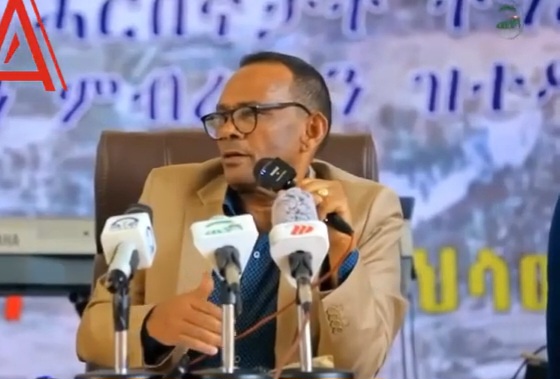
According to statements attributed to former TPLF spokesperson Sekoture Getachew, the Northern Command of the Ethiopian National Defense Force was neutralized within a short period during the opening phase of the conflict. More recently, Measho Beyene, identified as a commander of the Northeastern Command, reportedly stated that striking the Northern Command before it could act was considered unavoidable and that regional special forces and militia carried out the operation. These remarks have been cited by supporters of the federal government’s position as confirmation that the attack was planned in advance by the TPLF.
The attack on the Northern Command marked the beginning of a war that inflicted devastating humanitarian, economic, and social consequences across northern Ethiopia. Millions of civilians were affected through displacement, destruction of infrastructure, disruption of essential services, and loss of livelihoods. Independent investigations by international organizations have documented serious human rights violations committed by multiple parties during the conflict.
The people of Tigray endured much of the conflict’s humanitarian impact, with communities experiencing prolonged insecurity, economic hardship, and the destruction of public infrastructure. Critics of the TPLF argue that the organization’s political and military decisions drew the region into a war that resulted in widespread suffering for civilians.
Security concerns have continued beyond the cessation of major hostilities. Critics accuse the TPLF of maintaining relationships with foreign actors whose interests conflict with those of Ethiopia, including Egypt and Eritrea. These allegations remain politically disputed and have not been independently verified.
Analysts warning about renewed instability argue that escalating tensions could extend beyond Ethiopia and affect the wider Horn of Africa and Red Sea region, where existing geopolitical rivalries have heightened regional security concerns.
Additional allegations have emerged claiming that young people from Tigray are being recruited or transferred to participate in Sudan’s ongoing civil war. If substantiated, such claims would raise significant concerns regarding the exploitation of vulnerable youth and the regionalization of armed conflict. These allegations, however, remain unverified through independent international investigations.