

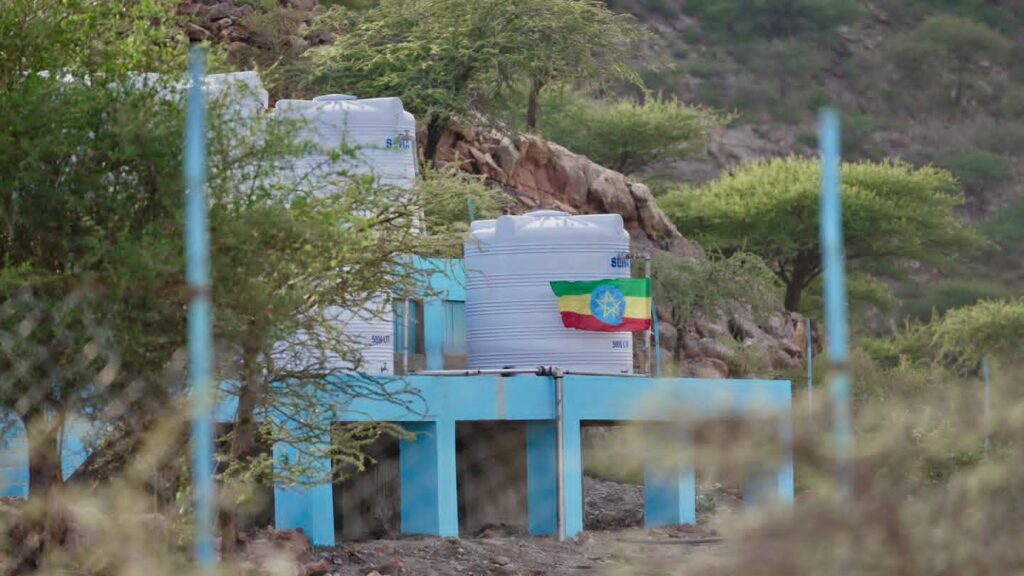
DIRE DAWA, Ethiopia — The inauguration of major clean drinking water and irrigation infrastructure in Dire Dawa marks a significant development in Ethiopia’s efforts to strengthen climate resilience, improve rural livelihoods, and expand food production in water-stressed regions.
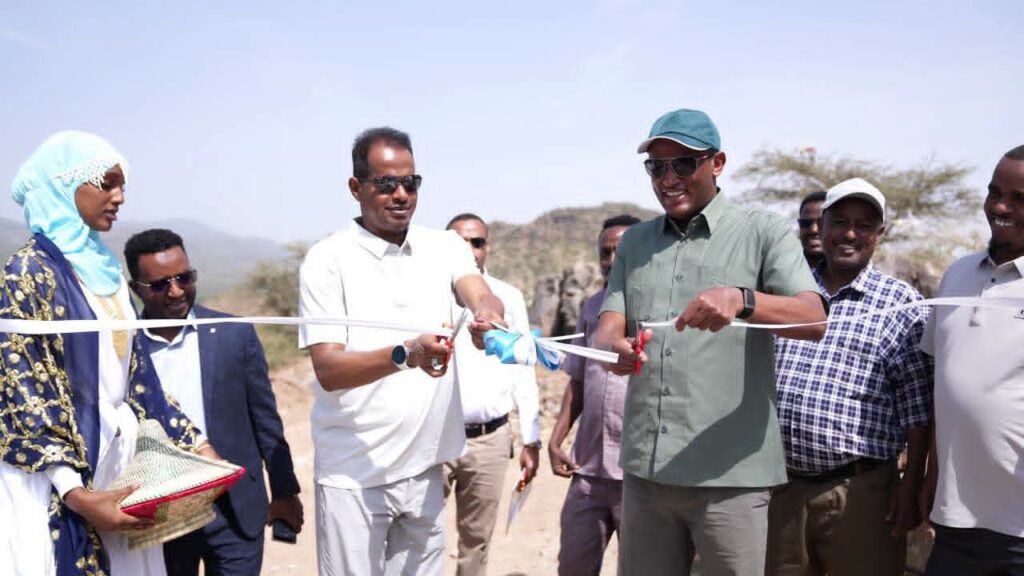
The projects, commissioned by Minister of Irrigation and Lowlands H.E. Dr. Abraham Belay and Dire Dawa City Administration Mayor H.E. Kedir Juhar, were implemented under the Lowland Livelihood Resilience Project (LLRP). By utilizing deep groundwater resources, the initiative seeks to address chronic water shortages while supporting agricultural transformation across vulnerable lowland communities.
The newly completed infrastructure integrates four rural districts and 38 kebeles into the second phase of the Lowland Livelihood Resilience Project (LLRP-II). For many residents, access to reliable drinking water has long been a pressing challenge, while dependence on seasonal rainfall has constrained agricultural productivity and household incomes.
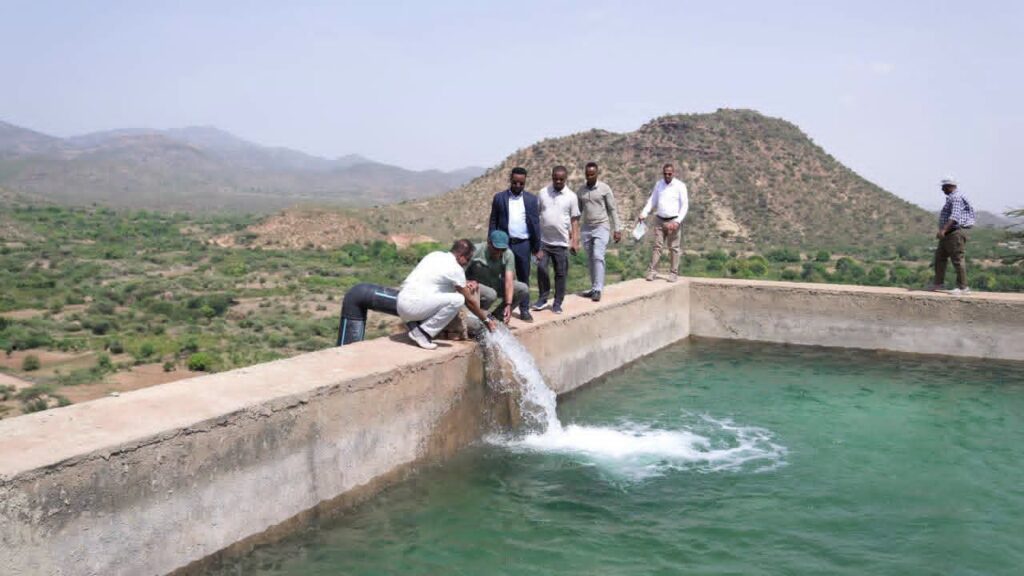
Development experts note that the project reflects a broader policy shift in Ethiopia toward combining water security, agricultural modernization, and climate adaptation within a single development framework. Such integrated approaches have increasingly gained attention across drought-prone regions of Africa as governments seek long-term solutions to recurring climate shocks.
Strategic Importance Beyond Local Impact
The significance of the Dire Dawa projects extends beyond immediate improvements in water access. Analysts view the initiative as part of Ethiopia’s wider effort to strengthen food sovereignty and reduce vulnerability to climate-related disruptions.
The irrigation systems are expected to support year-round agricultural production by reducing dependence on unpredictable rainfall patterns. This transition may help smallholder farmers diversify crops, increase yields, and generate surplus production for local and regional markets.
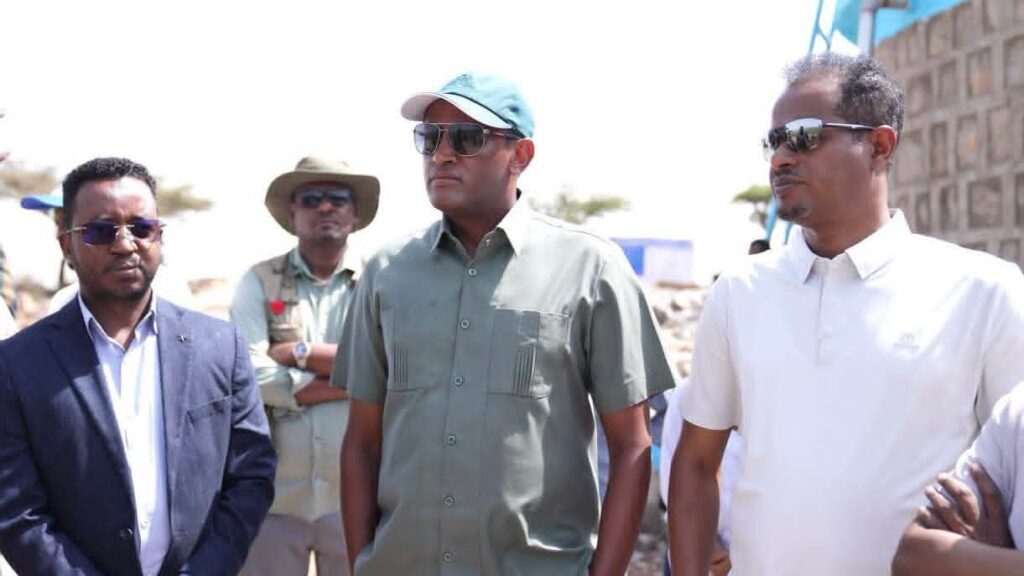
In addition, the development aligns with national objectives aimed at enhancing domestic food production and improving resilience against drought. As climate variability continues to affect agricultural systems across the Horn of Africa, groundwater-based irrigation is increasingly being viewed as a strategic adaptation measure.
Economists note that reliable irrigation infrastructure can generate multiplier effects beyond agriculture, including increased employment opportunities, stronger local supply chains, and improved household purchasing power. The long-term impact, however, will depend on sustainable groundwater management, effective maintenance systems, and continued community participation.
Leadership and Project Delivery
Observers have also highlighted the role of institutional leadership in the project’s implementation.
Under Dr. Abraham Belay’s tenure as Minister of Irrigation and Lowlands, the ministry has emphasized accelerated project execution, closer monitoring of implementation timelines, and stronger coordination between federal, regional, and local stakeholders.
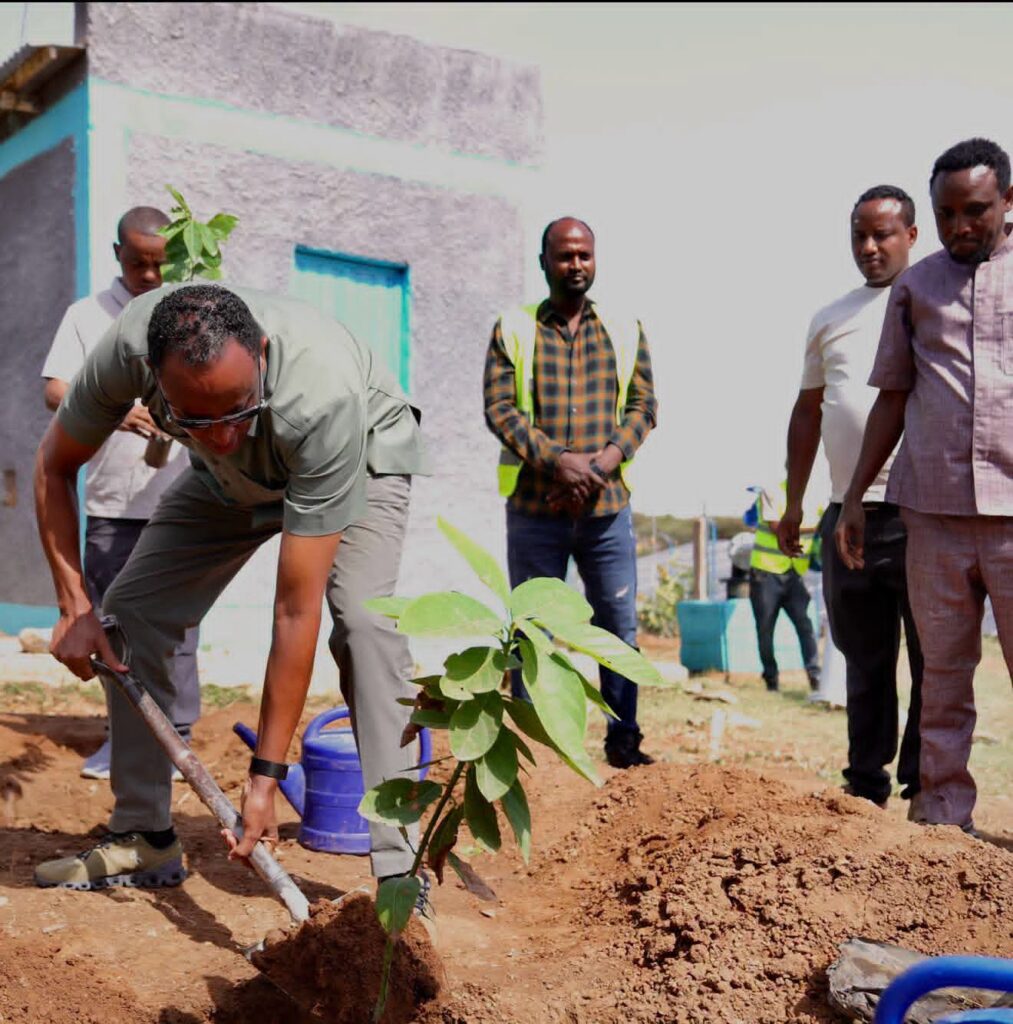
Public infrastructure projects in Ethiopia have historically faced challenges including procurement delays, budget constraints, administrative bottlenecks, and extended completion schedules. Against this backdrop, supporters of the ministry’s recent initiatives point to the relatively rapid integration of nearly 40 rural administrative units into LLRP-II and the completion of critical infrastructure as evidence of improved project management practices.
Several factors are cited by development practitioners as contributing to project efficiency under the current leadership. These include clearer accountability mechanisms, enhanced field-level supervision, data-driven monitoring systems, and a stronger focus on measurable outcomes. The ministry has also increasingly emphasized implementation performance alongside policy formulation, a shift that observers say can improve delivery of large-scale public investments.
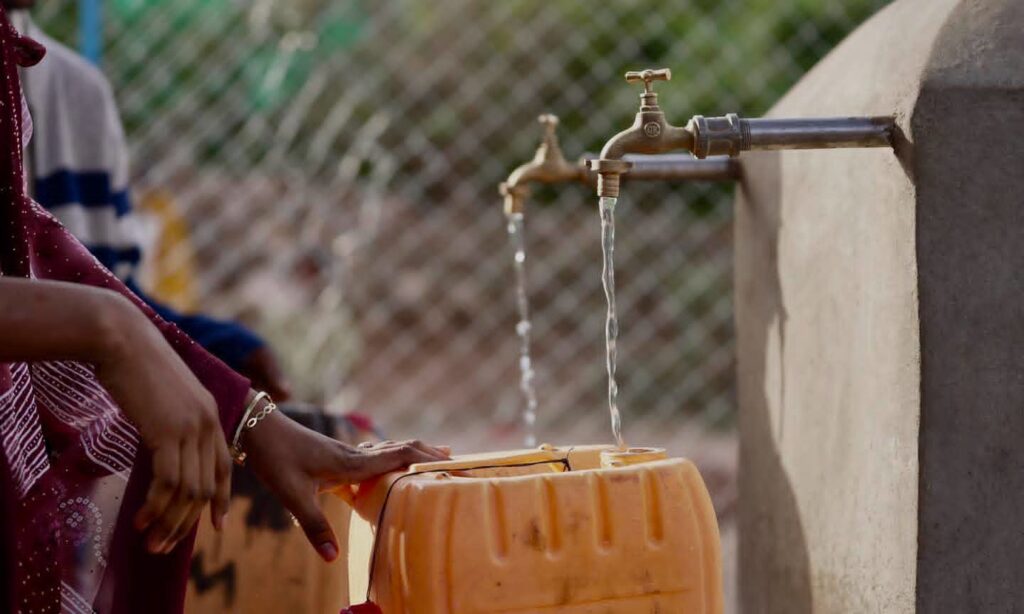
While the long-term effectiveness of the projects will ultimately be measured by outcomes on the ground, the Dire Dawa initiative is already being examined by policymakers as a potential model for future water and irrigation programs in other lowland regions.
Community Expectations
Local communities have welcomed the projects, viewing them as a response to longstanding demands for improved water services and agricultural support.
During the inauguration, Dr. Abraham Belay expressed satisfaction with the completion of the infrastructure and emphasized its importance for improving livelihoods in Dire Dawa. He also noted the area’s reputation for social cohesion and cultural diversity, describing the projects as investments intended to support sustainable and inclusive development.
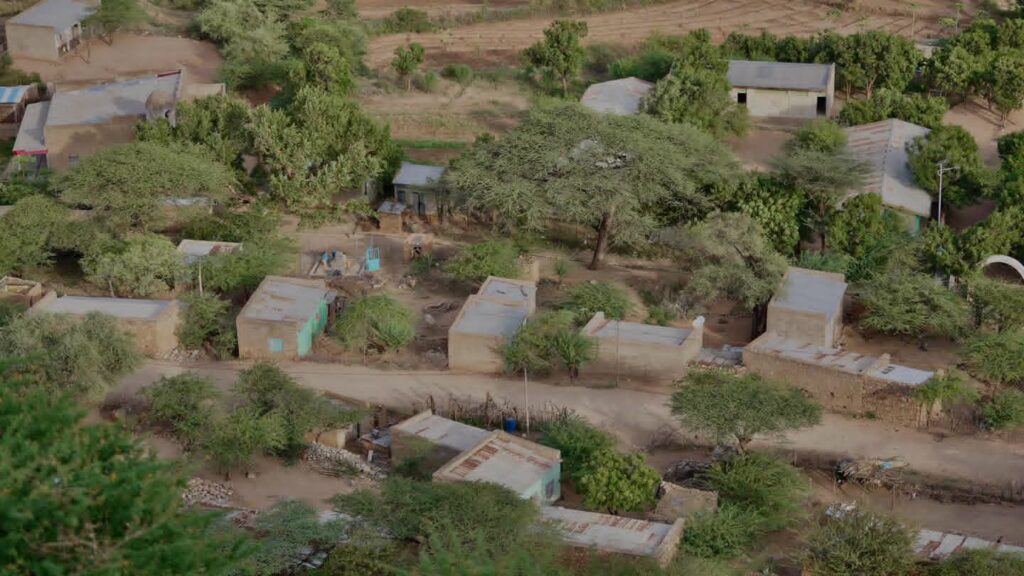
Residents and local officials alike have expressed expectations that the infrastructure will contribute to improved living conditions, increased agricultural productivity, and greater economic opportunities for rural households.
Looking Ahead
The successful rollout of LLRP-II infrastructure in Dire Dawa comes at a time when Ethiopia is intensifying efforts to address the interconnected challenges of climate change, food security, and rural development.
Although questions remain regarding long-term maintenance, groundwater sustainability, and scaling capacity, the projects provide an important case study in how targeted water investments can serve both humanitarian and economic objectives.
For policymakers, the initiative offers lessons on the value of coordinated implementation and timely project execution. For communities, it represents access to resources that many have sought for decades. And for Ethiopia’s broader development agenda, it signals a growing emphasis on infrastructure that not only addresses present needs but also strengthens resilience against future climate and economic pressures.