
A Critical Analysis of Opposition Politics, Transitional Governance, and Post War Reconstruction in Tigray
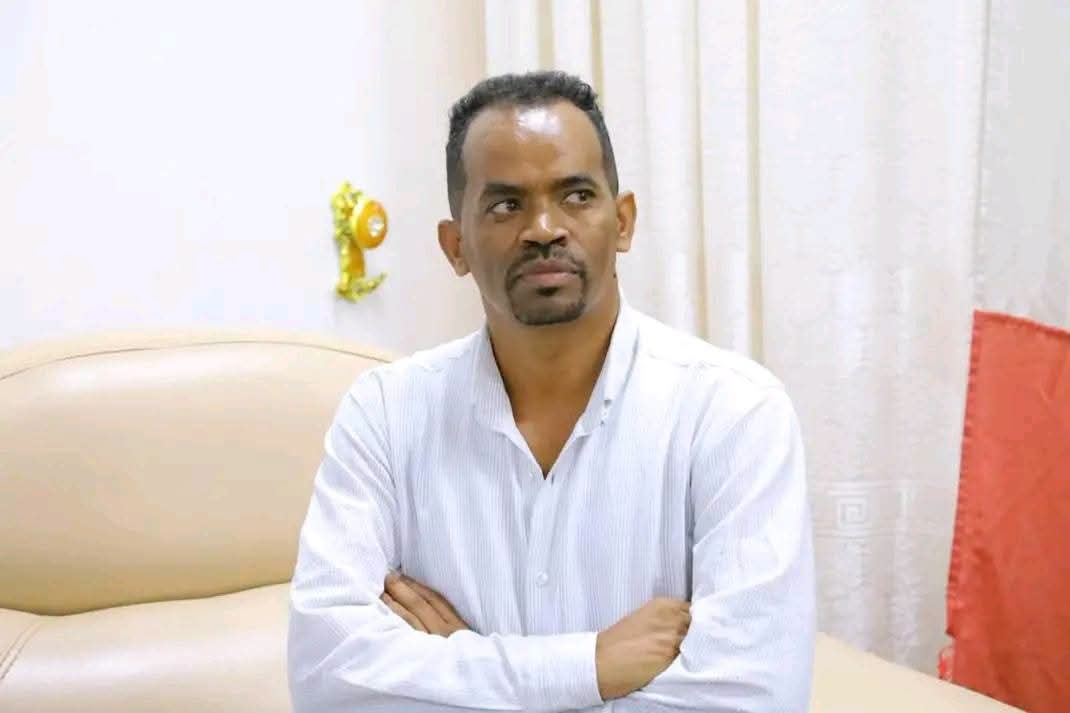
By Dr. Dawit Tesfay
Addis Ababa, Ethiopia — May 21, 2026 | Horn News Hub
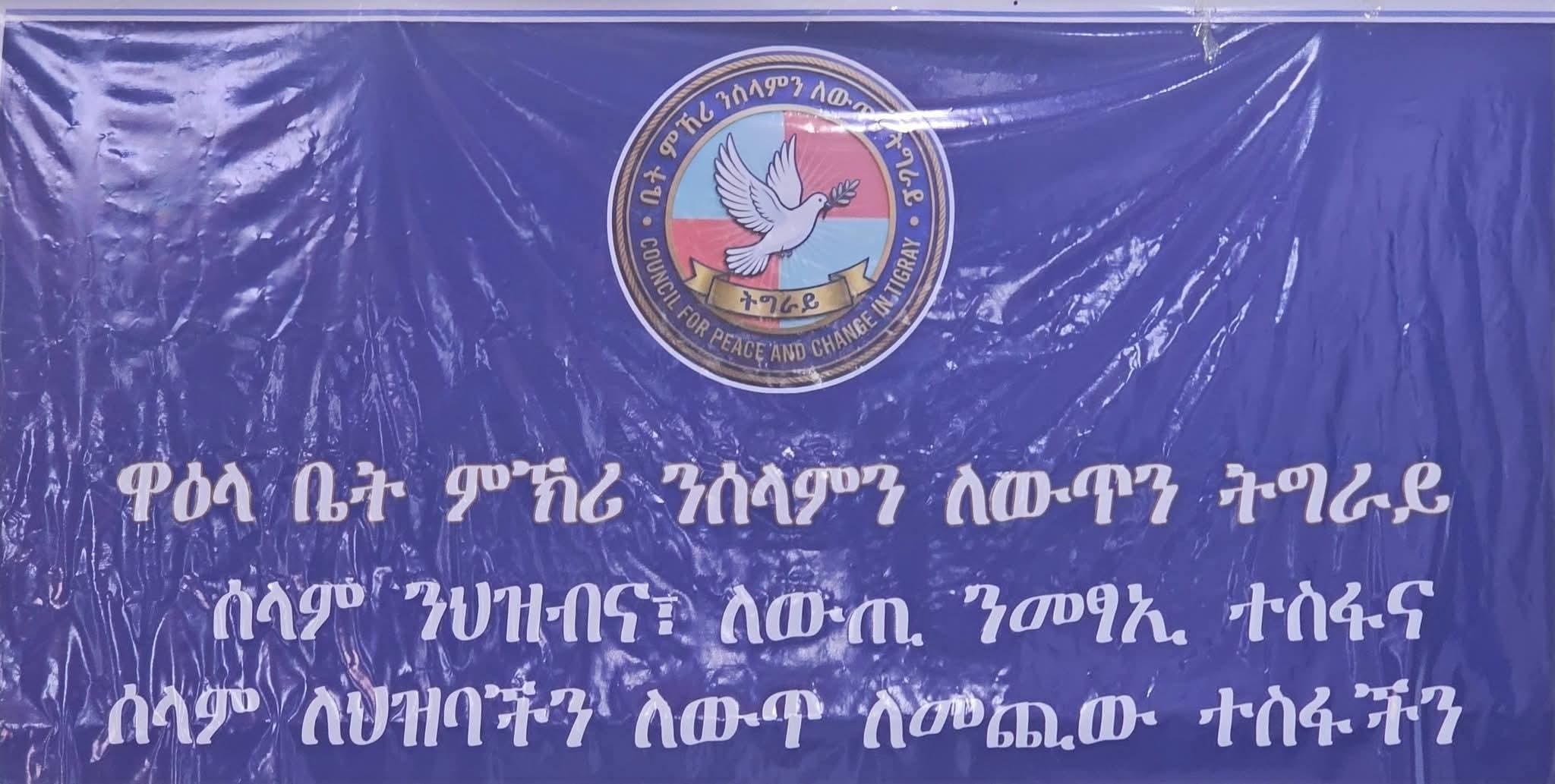
A growing political debate is unfolding around the political manifesto and transitional roadmap proposed by the Council for Peace and Change in Tigray (CPCT), exposing deeper tensions over governance, legitimacy, and the future direction of post war recovery in Tigray.
The CPCT document, presented as a structured framework for peacebuilding, institutional reform, transitional justice, and democratic reconstruction, has attracted both support and criticism from political actors within and outside the region. While supporters describe it as one of the few detailed political proposals currently available for Tigray’s post conflict transition, critics have raised objections regarding its legitimacy, political representation, and long term implications.
At the center of the debate is not only the content of the roadmap itself, but also a broader question that continues to shape post war politics across conflict affected societies: what responsibilities do opposition actors carry when rejecting transitional frameworks during periods of political fragility?
In a lengthy political analysis released by Dr. Dawit Tesfay argues that much of the current opposition directed toward the CPCT roadmap lacks a documented alternative vision capable of addressing the region’s governance vacuum, institutional collapse, and social trauma following the devastating war in northern Ethiopia.
The analysis presents the debate as a defining political moment for Tigray, arguing that criticism without concrete alternatives risks deepening instability rather than strengthening democratic discourse.
According to the document, the CPCT framework attempts to address several major post war challenges simultaneously, including transitional justice mechanisms, civilian centered governance reform, economic reconstruction, institutional accountability, and security sector restructuring. The analysis argues that regardless of whether the roadmap is considered perfect, it remains one of the few publicly articulated political blueprints currently available for structured transition in the region.
The document sharply distinguishes between what it describes as “constructive opposition” and “reactionary dissent.” It argues that democratic systems require competing visions supported by policy proposals rather than opposition grounded primarily in rejection.
“The central issue is not whether criticism exists,” the analysis states. “The issue is whether critics are prepared to present governing alternatives capable of replacing what they oppose.”
The report further argues that many critics of the CPCT simultaneously identify themselves as opponents of the authoritarian legacy associated with the Tigray People’s Liberation Front (TPLF), while also rejecting emerging transitional proposals intended to replace centralized political structures with more participatory governance systems.
According to Dr. Tesfay, this creates what he describes as a “foundational political contradiction.”
“If actors reject both the previous authoritarian model and the only documented democratic alternative currently presented, then the question naturally becomes what political structure they actually support,” the report argues.
The analysis draws heavily on political theory and comparative historical examples, including the 1995 leadership crisis involving former British Prime Minister John Major. The document references Major’s famous “put up or shut up” challenge to internal critics as an example of how democratic systems ultimately require opposition groups to move beyond criticism and present actionable alternatives.
Dr. Tesfay’s analysis also frames the debate within the broader realities of post conflict governance. It argues that societies emerging from war often face narrow windows for institutional stabilization and that prolonged political paralysis can undermine reconstruction efforts, deepen public distrust, and increase the risk of renewed instability.
The report warns that unresolved factional politics in Tigray could delay urgent priorities including the return of displaced populations, accountability for wartime abuses, restoration of destroyed infrastructure, economic recovery, and rebuilding public institutions weakened by years of conflict.
At the same time, the analysis acknowledges that no transitional framework should be treated as beyond criticism. It argues that democratic legitimacy depends on public scrutiny, policy debate, and revision through participatory political processes. However, it insists that opposition movements also carry a responsibility to articulate feasible alternatives if they seek political credibility.
Political analysts familiar with post conflict transitions note that similar debates have emerged in multiple societies recovering from civil wars and state crises. In countries ranging from South Africa to Rwanda, Liberia, and Bosnia, transitional political frameworks often faced criticism from competing factions, particularly over questions of representation, justice, and institutional legitimacy.
In many cases, the tension centered on whether political actors prioritized ideological positioning or practical governance during fragile recovery periods.
The debate surrounding the CPCT roadmap appears to reflect many of those same dynamics.
For supporters of the framework, the roadmap represents an attempt to move political discussion from rhetoric toward institutional planning. For critics, questions remain regarding inclusiveness, political ownership, and whether the process sufficiently reflects broader public participation.
What remains clear is that the political future of Tigray continues to be shaped not only by the legacy of war, but also by the ability of political actors to transition from resistance politics toward governance centered reconstruction.
The analysis concludes with a direct challenge to opposition groups, arguing that the future stability of Tigray will depend less on political rhetoric and more on the ability of competing actors to present practical, accountable, and implementable visions for recovery.
“History ultimately distinguishes between those who merely oppose and those who build,” the report states. “Post war societies cannot survive indefinitely on rejection alone.”
Editor’s Disclaimer:
The views and opinions expressed in articles published by Horn News Hub are those of the authors and do not necessarily reflect the official position or editorial stance of Horn News Hub. Publication does not imply endorsement.