
Mekelle/Tel Aviv/Nairobi/Pretoria/London
Tigray Interim Administration Launches National Fundraising Drive Amid Budget Shortfall
By Chekole Alemu
The Tigray Interim Administration has launched a national fundraising platform aimed at mobilizing between 6 and 10 billion birr to support war victims, facilitate the return of displaced communities, and accelerate economic recovery, according to members of the resource mobilization committee.
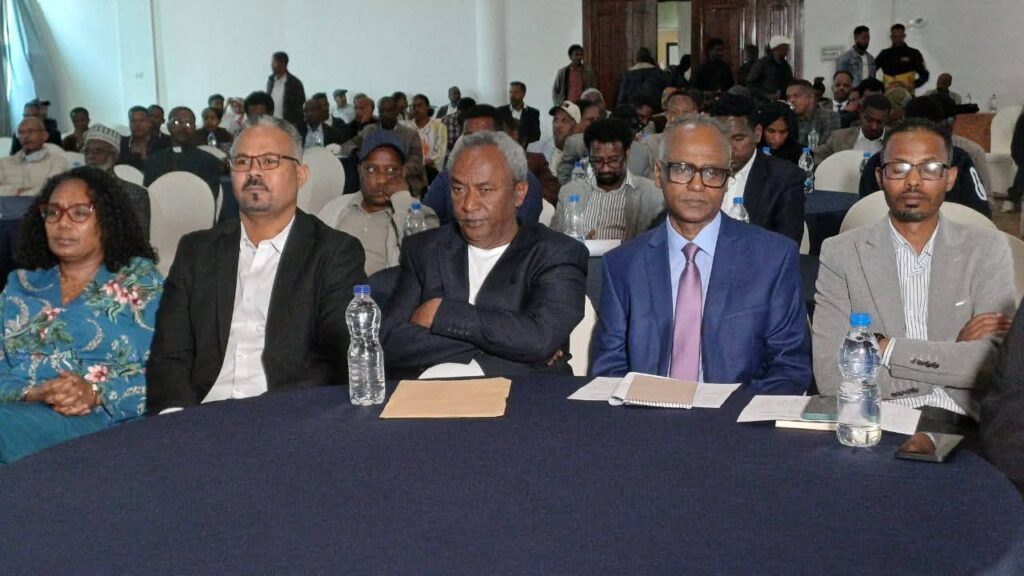
The initiative was officially launched in the presence of Interim Administration President Lt. Gen. Tadesse Werede, senior federal and regional officials, and zonal administrators from across Tigray. The participation of zonal leaders was presented as a signal of coordinated regional ownership of the fundraising effort and its intended outcomes.

Authorities said the campaign is designed to address persistent humanitarian and reconstruction needs that remain unresolved more than a year after the Pretoria peace agreement. Despite the formal end of large scale fighting, officials acknowledge that recovery on the ground has been slow, largely due to financial constraints.
Abraham Tekeste, head of the Resource Mobilization Committee, said no substantial rehabilitation work has been carried out since the signing of the peace deal. He attributed this to a severe budget gap, noting that since October Tigray has received only about one third of its allocated federal budget.
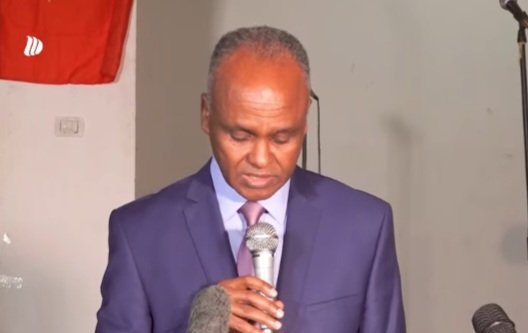
Tekeste said the shortage of funds has had serious consequences, particularly for war injured fighters. He said many wounded veterans are living in extremely difficult conditions, adding that delaying assistance is no longer an option.
In addition to raising revenue, officials said the fundraising initiative is also intended to draw idle cash back into the formal financial system. With banks and ATM machines across the region experiencing acute cash shortages, authorities say a significant amount of money is believed to be concentrated in the hands of a limited number of individuals. The administration views the fundraising drive and associated payment mechanisms as a way to ease liquidity constraints while channeling resources toward public needs.
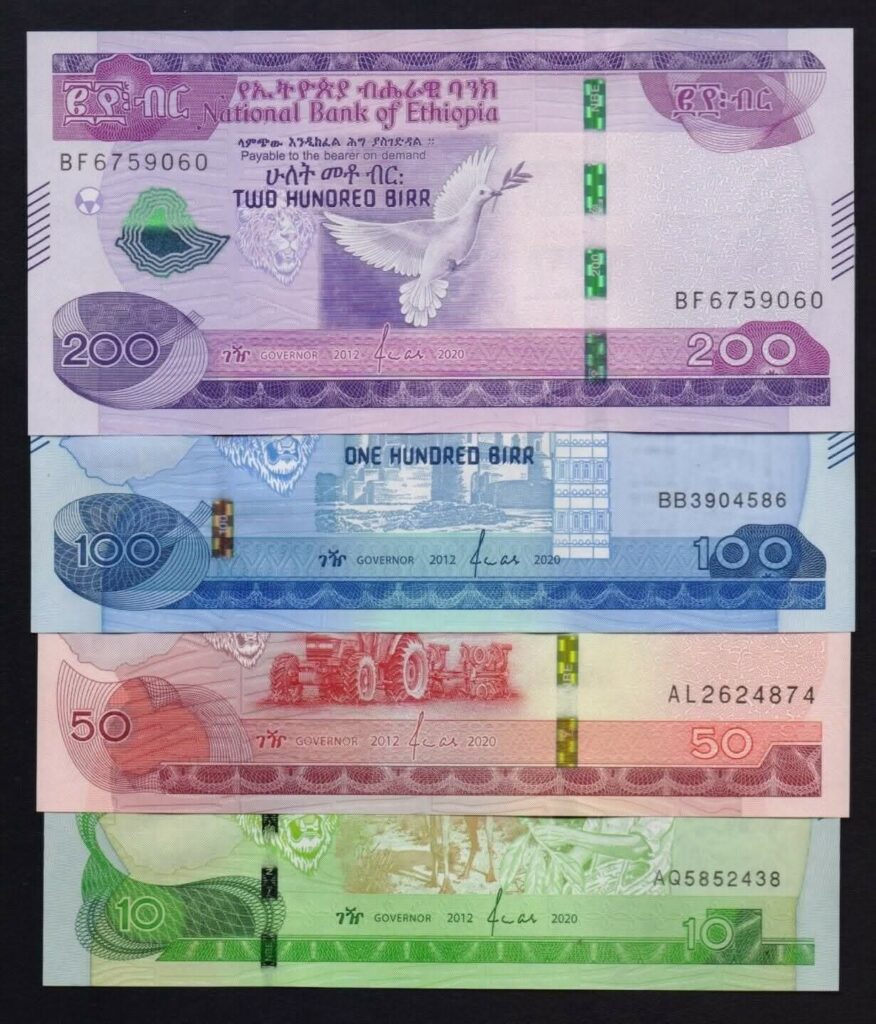
As part of broader domestic resource mobilization efforts, the Interim Administration has also approved a regulation introducing price increases on selected goods. The regulation was endorsed during a meeting held on January 9, according to local media reports.
Under the new measures, prices will increase on beer, wine, soft drinks, bottled water, and cement. Beer prices will rise by three birr per bottle, wine by 20 birr, bottled water by 12 birr per dozen and 20 birr per 20 liter container. Soft drinks, including Ambo water, will increase by one birr per bottle.

Mihret Beyene, head of the Tigray Finance and Resource Mobilization Bureau and deputy chair of the Grand Resource Mobilization Committee, said funds raised through various mechanisms will be disclosed periodically. She added that requests to open special fundraising accounts were submitted to 17 banks, with responses received from 13 banks so far.
President Tadesse Werede reiterated the administration’s commitment to prioritizing support for wounded members of the Tigray Defense Forces and civilians affected by the war. He said caring for injured fighters is both a moral obligation and a foundation for long term stability. He also stressed that economic recovery remains a central pillar of the interim administration’s mandate.
Observers note that the fundraising drive and price adjustments reflect the administration’s attempt to respond to urgent humanitarian needs amid limited fiscal space and liquidity constraints. While the measures may add pressure on households already facing rising living costs, officials argue that domestic resource mobilization has become unavoidable given delays in budget disbursement and the scale of reconstruction required.

The Interim Administration has framed the initiative as a temporary but necessary step to stabilize the region, support displaced communities returning home, and lay the groundwork for Tigray’s broader economic recovery.
———-
Editor’s Disclaimer:
The views and opinions expressed in articles published by Horn News Hub are those of the authors and do not necessarily reflect the official position or editorial stance of Horn News Hub. Publication does not imply endorsement.