

Mekelle/Tel Aviv/Nairobi/Pretoria/Londonorg
Tigray Advocacy Group Raises Alarm Over Reported Arbitrary Arrests and Abductions
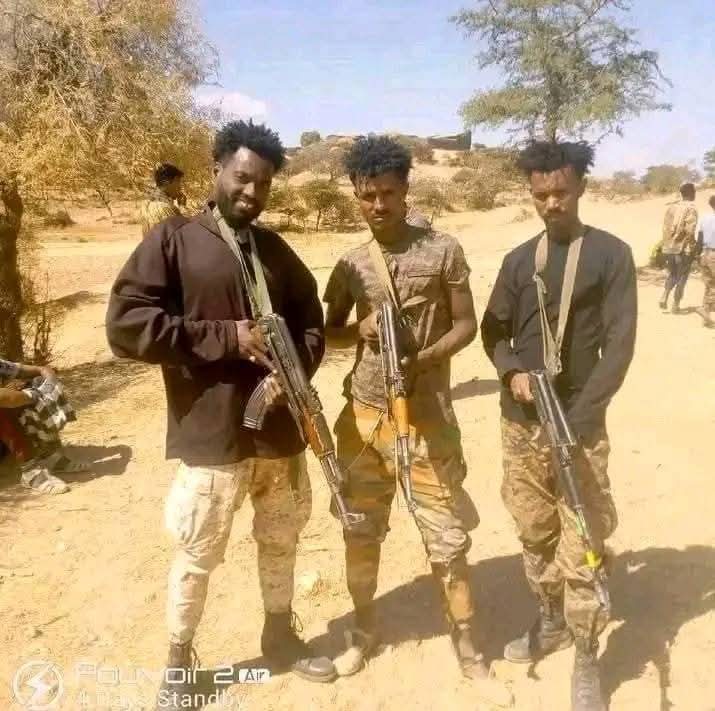
A Europe-based Tigrayan human rights organization has issued an urgent appeal to the international community, alleging a pattern of arbitrary arrests, kidnappings, and intimidation of civilians across Tigray. The group attributes the actions to what it describes as an “outlawed faction” of TPLF leaders commonly referred to as the “Above-the-Core” group, a dissident wing accused by critics of operating outside formal political and legal authority.

The statement, released by Tigrayan Advocacy for Human Rights and Justice – Europe, claims there has been a recent escalation in detentions targeting civic activists, youth leaders, and educated professionals who have voiced opposition to renewed political and military mobilization in the region. According to the group, the arrests have been reported in multiple cities and districts, affecting individuals associated with independent civic initiatives and online activism.
Human rights monitors have not yet independently verified the claims, but the organization says the reported operations follow a broader pattern of intimidation aimed at suppressing political dissent. Analysts note that Tigray remains in a fragile post-war environment, where rival political structures, fragmented security arrangements, and deep community grievances continue to create conditions for abuses by armed actors.
Allegations of Targeted Crackdowns
The advocacy group says young and educated residents from the Southern Tigray (Raya), Enderta, and Tembien zones appear to be disproportionately affected. These areas have become hubs for emerging civic movements promoting accountability and internal political reforms, making them potential flashpoints in a contested political landscape.
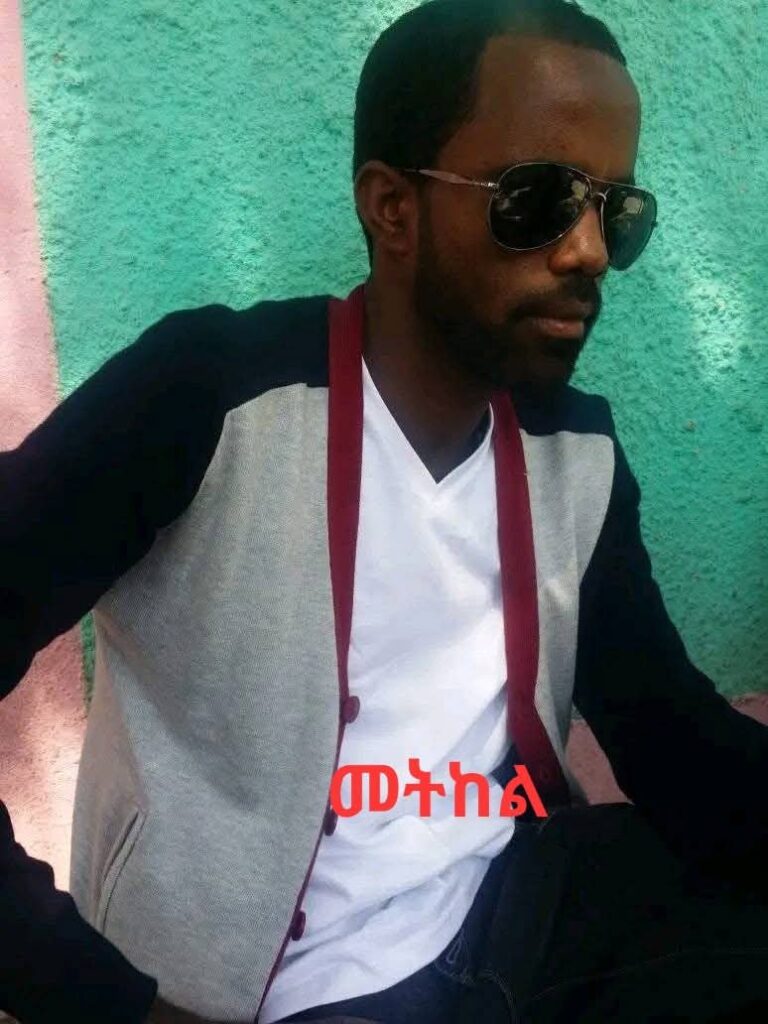
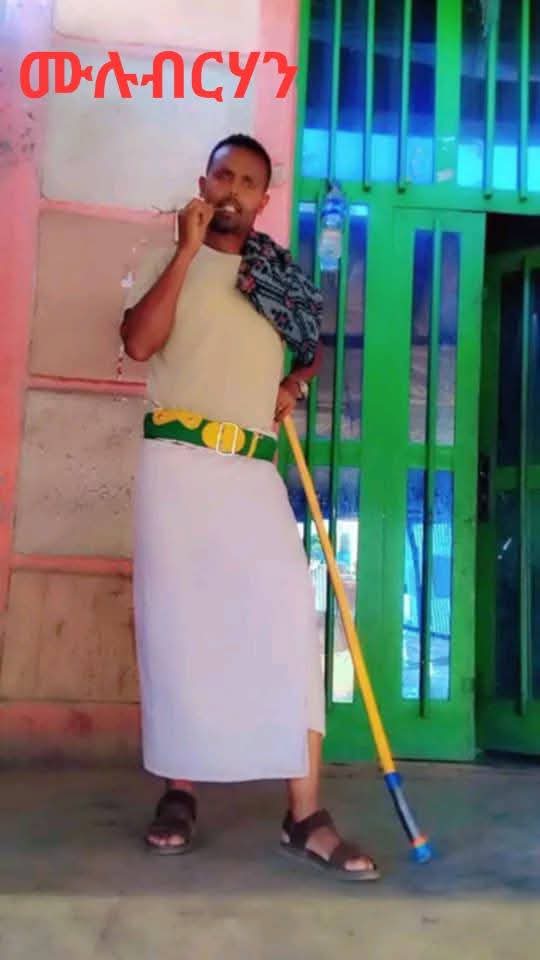
Among those named as recently detained or forcibly disappeared are:
Abera Desta, a civic activist and civil servant
Muluberehane Sheferawe, a youth leader involved in local civic organizing
Mekele Segaye, a professional accountant and government employee
The statement describes the individuals as non-violent actors known for advocating transparency, human rights, and democratic governance.
Claims of Rights Violations
The advocacy organization argues that the alleged actions violate key international human rights instruments, including the Universal Declaration of Human Rights, the International Covenant on Civil and Political Rights, and the African Charter on Human and Peoples’ Rights. These documents protect freedoms of expression, association, and personal security, and prohibit arbitrary detention.
Legal experts note that any armed or political group exercising de facto control over territory also carries obligations to uphold basic rights under international humanitarian norms, even if not formally recognized as a governing authority.
Calls for International Action
The group is urging major international bodies—including the UN Human Rights Council, the Office of the UN High Commissioner for Human Rights, the EU’s diplomatic service, Amnesty International, Human Rights Watch, and other international partners—to issue public condemnations and press for the immediate release of detainees.
It is also calling for the deployment of independent monitoring missions to document ongoing abuses and establish accountability mechanisms. Human rights organizations typically rely on verified testimonies, physical evidence, and access to detention sites to substantiate such claims—access that has historically been limited in Tigray due to security constraints.
Broader Context of Political Uncertainty
Tigray’s internal political dynamics have remained unsettled since the end of large-scale conflict, with displaced communities still returning, political factions competing for influence, and unresolved questions over security governance. Rights groups have repeatedly warned that without transparent institutions and credible accountability mechanisms, abuses by various armed actors can persist.
The advocacy organization argues that suppressing civic participation undermines prospects for lasting peace and fuels fears of renewed instability. Independent analysts say sustained monitoring, open political engagement, and strengthened rule-of-law structures are essential to prevent further deterioration.
Looking Ahead
As the allegations circulate, pressure is likely to grow on regional authorities and armed groups to address mounting concerns about detentions and civil liberties. The immediate impact will depend on whether international institutions respond with formal statements or initiate investigations.
For now, the fate of the named individuals remains unclear, and human rights advocates continue to call for their release and for broader protections for civilians in Tigray.