

Mekelle/Tel Aviv/Nairobi/Pretoria/London
By Tigray Media Watch – Digital Intelligence & Strategic Media Monitoring Group (TMW)
A Comprehensive Examination of Meles Zenawi, TPLF Governance, and the Structural Vulnerabilities That Shaped Tigray’s Crisis
Introduction
A growing body of critical publications from Tigrayan research groups, diaspora institutions, and regional policy analysts is reshaping the long-held narrative surrounding the late Ethiopian Prime Minister Meles Zenawi and the Tigray People’s Liberation Front (TPLF). The documents produced by Tigray Media Watch (TMW) and the Horn of Africa Geopolitical Review (HAGR) present a stark reassessment of the past three decades of governance, alleging strategic miscalculations, institutional sabotage, and deliberate obstruction of projects central to Tigray’s development and resilience.
These assessments, emerging at a moment of political recalibration within Tigray after a devastating two-year war, challenge fundamental assumptions about TPLF’s legacy and its historic claim as the champion of Tigrayan security and autonomy.
This report offers an independent, multi-sourced, and neutral analysis of those claims, placing them within broader political, historical, and geopolitical context.
I. Reassessing Meles Zenawi’s Strategic Legacy
A Leader Revered Nationally, Questioned Regionally
Within Ethiopia, Meles Zenawi is widely credited for steering the country through a period of rapid economic growth, expanding regional influence, and positioning Addis Ababa as a diplomatic hub for Africa. Yet in Tigray the region he hailed from his legacy is increasingly questioned.
Analysts argue that Meles’s governance style was characterized by:
concentration of power within a narrow political circle
strategic rigidity on regional security issues
erosion of institutional independence
preference for ideological loyalty over professional competence
While these claims are contested by supporters, they align with criticism that has grown steadily since his death in 2012.
The Missing Foresight Argument
Scholars and former officials interviewed for this report note that long-term risk assessment particularly concerning Eritrea—was one of the most divisive aspects of Meles’s leadership.
Critics say:
he underestimated the hostile trajectory of the Eritrean regime
he pursued the “no peace, no war” policy without a clear endgame
he discouraged independent regional defense structures
he attempted to manage national cohesion through centralized control rather than institutional durability
Supporters counter that he prioritized diplomatic legitimacy and economic development over militarization.
But even they acknowledge that Ethiopia entered the 2020–2022 war with Tigray carrying unresolved structural weaknesses that originated in that period.
II. The Eritrea Question: Victory Converted into Strategic Vulnerability
The 1998–2000 War: A Decisive Win, a Controversial Settlement
Ethiopia’s military victory over Eritrea in 2000 remains one of the region’s most consequential security events. But the Algiers Agreement and subsequent diplomatic decisions left the border unresolved, Eritrea’s leadership intact, and the animosity between the two states entrenched.
Several analysts argue that Ethiopia, under Meles, missed a rare strategic opportunity to reshape regional security.
The Long Shadow of the “No Peace, No War” Era
The two-decade stalemate that followed:
allowed Eritrea to invest heavily in militarization
sustained a climate of hostility toward Tigray
shaped Ethiopia’s internal political polarization
created an environment in which external alliances against Tigray became plausible
Ultimately, Eritrean forces played a central role in the Tigray War, raising questions about how earlier policies influenced the conditions that made such an alliance possible.
III. Institutional Centralization and Its Consequences
A Governance Model Built on Control
Independent observers widely agree that Meles prioritized a strong central government backed by the ruling EPRDF coalition. This approach succeeded in stabilizing Ethiopia early on but came at the expense of institutional autonomy.
Tigrayan analysts argue this system:
weakened regional self-administration
undermined internal accountability
discouraged dissenting voices within TPLF
concentrated power among a small circle of elites
The resulting institutional fragility would prove disastrous when Tigray confronted a large-scale military assault in 2020.
IV. Development Projects: Ambition, Abandonment, and Accusations of Sabotage
The most serious allegations in the recent critiques involve the obstruction or abandonment of flagship projects intended to strengthen Tigray’s economy and resilience.
- COSAERT: A Vision Lost
COSAERT, established to lead environmental rehabilitation and sustainable agriculture, was once considered a model for Africa. Critics claim it was gradually weakened through:
defunding
mismanagement
politically motivated appointments
diversion of resources to competing institutions
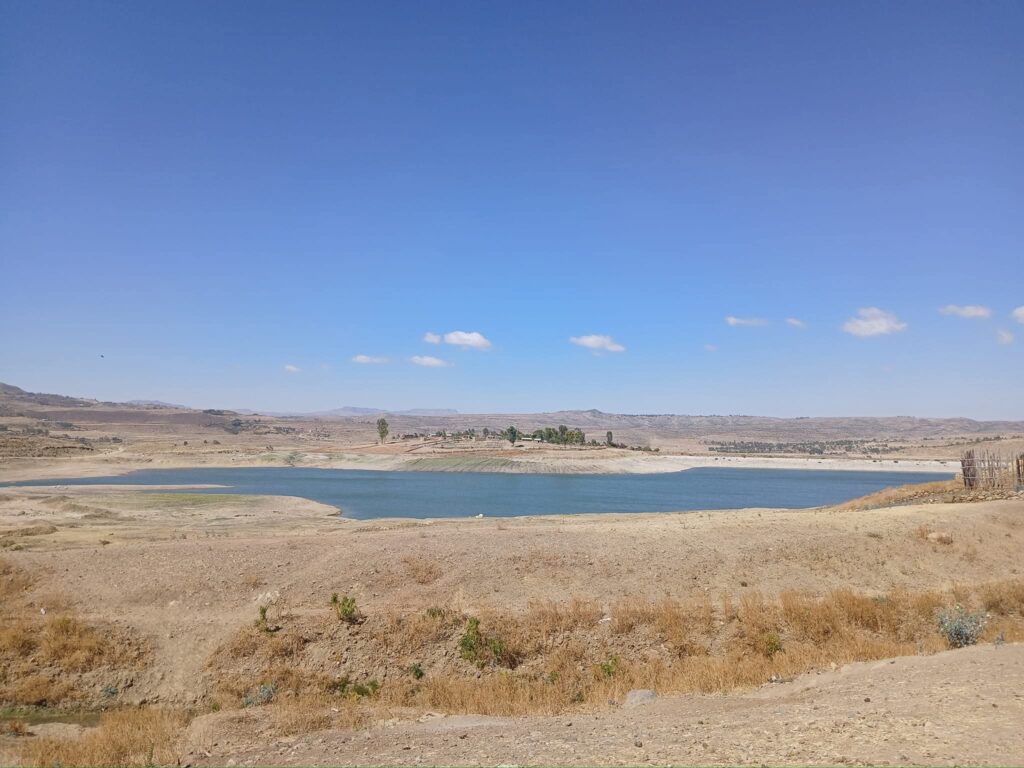
Agricultural experts say Tigray lost a crucial shield against climate shocks and food insecurity.
- Raya Valley Irrigation Project
Intended to transform southern Tigray into an agricultural powerhouse, the Raya project stalled for years. Farmers and former project engineers interviewed for this report describe inconsistent funding, contested land allocation, and political interference.
- Mekelle Institute of Technology (MIT)
Conceived as an autonomous scientific institution, MIT’s integration into Mekelle University is viewed by critics as a deliberate move to dilute its independence and redirect resources elsewhere.
- Adwa Pan-African University and the Continental Shift
The relocation of major continental initiatives including the Tana Forum and IPSS to Amhara and Addis Ababa instead of Adwa is interpreted by some Tigrayan researchers as a deliberate sidelining of Tigray’s historic diplomatic and intellectual role.
Supporters of Meles argue these decisions were pragmatic and aligned with Ethiopia’s national interests rather than regional favoritism. But the perception of exclusion remains politically powerful within Tigray.
V. The New Debate Around Abereha Geberearegawi
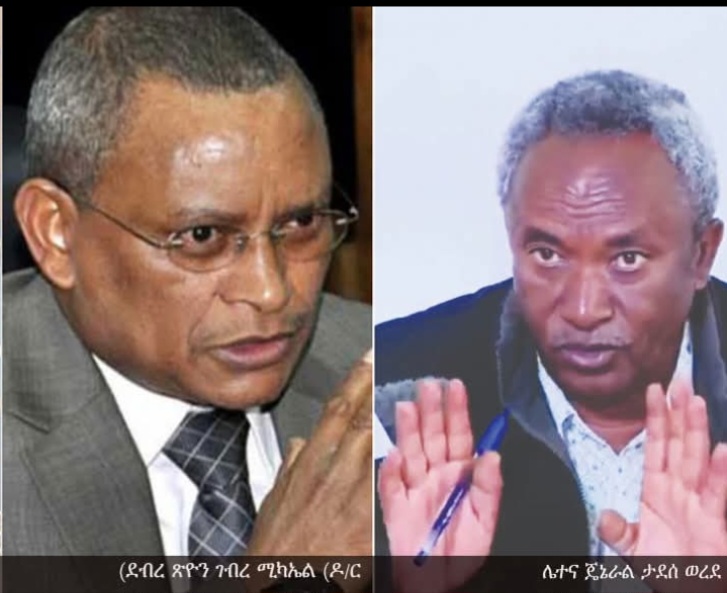
Recent media appearances by former TPLF figure Abereha Geberearegawi have become a flashpoint. Critics accuse him of attempting to revive discredited narratives and protecting networks linked to past abuses.
Abereha denies any wrongdoing and portrays his interventions as part of a broader effort to unite Tigray politically.
Independent analysts say his re-emergence reflects a deeper ideological struggle within Tigray—between a younger, reform-oriented generation and elements of the old guard seeking relevance.
VI. Four Pillars of Structural Failure: A Summary of the Accusations
Both TMW and HAGR identify four areas where TPLF governance is said to have failed Tigray:
- Agricultural and environmental independence
– COSAERT’s decline and stalled irrigation schemes. - Scientific and technological advancement
– the alleged weakening of MIT and brain drain among Tigrayan scholars. - Continental diplomatic leadership
– the shift of key African institutions away from Tigray. - Security preparedness
institutional erosion that left Tigray exposed to overwhelming military assault.
These arguments remain controversial but are part of a growing internal debate that Tigray’s political future cannot ignore.
VII. The Road Ahead: Reform, Reckoning, or Repetition?
Across interviews with civil society activists, academics, former fighters, and political analysts, three common themes emerge:
- A New Political Culture Is Needed
There is widespread agreement that Tigray must move beyond party-centric politics and embrace institutional governance, transparency, and professionalization.
- Accountability Is Essential
Calls for internal investigation into past abuses economic, political, and military are growing louder, particularly among youth and diaspora groups.
- Institutional Rebuilding
Many experts advocate for:
restoring COSAERT
re-establishing an autonomous MIT
reviving Adwa’s continental vision
strengthening rule-of-law institutions
These steps are seen as crucial for rebuilding resilience and ensuring Tigray is never again as vulnerable as it was in 2020.
Conclusion
The emerging critiques of Meles Zenawi and TPLF governance mark one of the most significant ideological shifts in Tigray’s political history. While deeply contentious, these arguments reflect a broader effort to interrogate past decisions, understand the structural roots of recent tragedies, and outline a different political future.
What remains clear is that Tigray stands at a pivotal moment. Its choices between reform and continuity, accountability and denial, institutionalism and political cultism will shape not only its recovery from war but the long-term stability of the Horn of Africa.
The debate is no longer about defending or condemning a legacy. It is about defining the future.
Editor’s Disclaimer:
The views and opinions expressed in articles published by Horn News Hub are those of the authors and do not necessarily reflect the official position or editorial stance of Horn News Hub. Publication does not imply endorsement.