
Mekelle/Tel Aviv/Nairobi/Pretoria/London፡
The Illusion of Diplomacy: How the TPLF’s Ambassadorial Culture Distorts Reality and Deepens Tigray’s Isolation
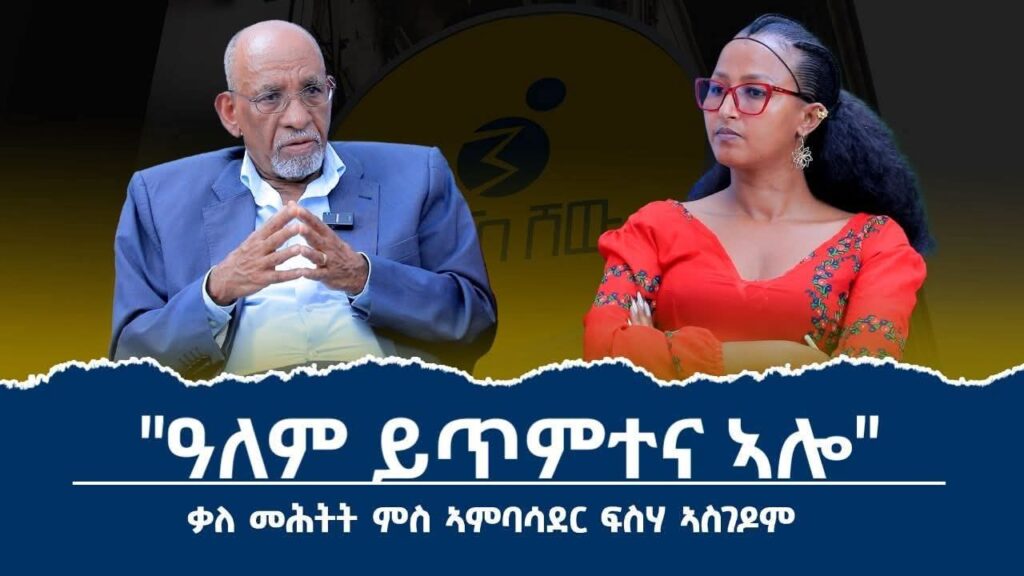
A recent media appearance by one of the Tigray People’s Liberation Front’s long serving political envoys has reignited debate over the nature of TPLF diplomacy and its impact on Tigray’s standing in the international arena. Marketed as a reflective diplomatic intervention, the appearance instead revealed a deeper problem: a political culture built on distortion, deflection, and denial, rather than accountability and reform.
What was presented to the public as a diplomatic assessment offered little insight into the lived reality of Tigray or the region’s deteriorating international position. Instead, it exposed the intellectual and moral erosion within the TPLF’s politico military establishment. The performance was carefully staged, projecting confidence while avoiding the substantive failures that have pushed Tigray further into diplomatic isolation.
At the center of the controversy is the nature of representation itself. The individual in question is not a career diplomat shaped by professional training, institutional discipline, or merit based advancement. He is a political appointee, elevated through loyalty to the party rather than expertise. This form of appointment has long been embedded in the TPLF system, where ambassadorial roles function as rewards within a closed patronage network rather than as instruments of serious foreign policy engagement.
Such practices have predictable outcomes. Individuals with limited understanding of international diplomacy, foreign policy norms, or contemporary geopolitical dynamics are tasked with representing a region facing one of the most complex post conflict recoveries in the Horn of Africa. Instead of building trust and credibility, they reinforce skepticism and fatigue among international partners.
Diplomacy as Performance, Not Practice
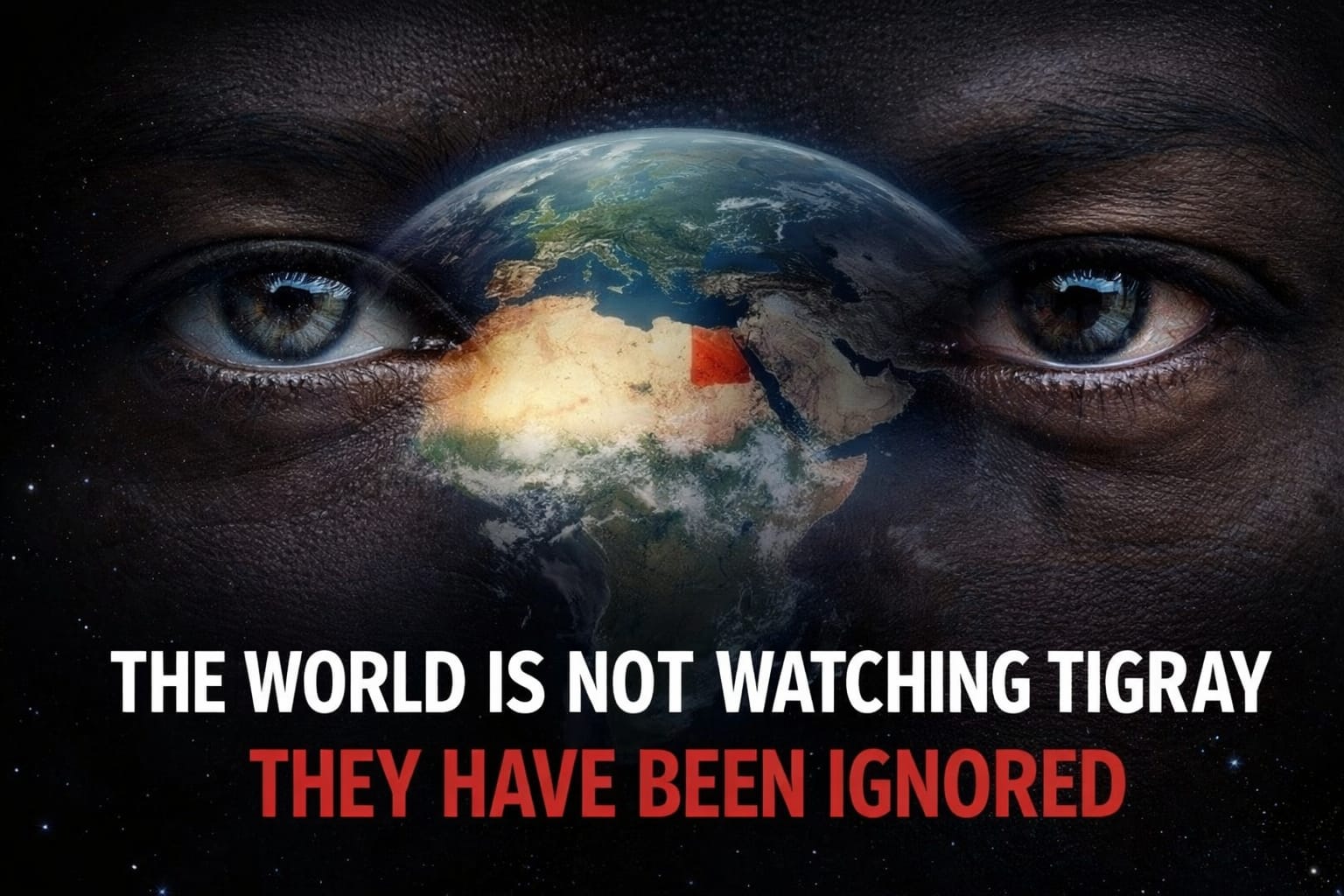
During the interview, the ambassador declared that “the world is watching us,” a claim framed as evidence of Tigray’s continued relevance on the global stage. Analysts and observers argue that this assertion is not simply inaccurate, but actively misleading.
International attention toward Tigray has declined sharply. What remains of global scrutiny is increasingly focused not on humanitarian recovery or legitimate political aspirations, but on the destabilizing activities of armed groups operating under the political shadow of the TPLF. Concerns over continued militarization, internal repression, and criminal networks have made diplomatic engagement costly and unattractive for many international actors.
Rather than confronting this reality, the ambassador’s remarks redirected attention toward a comforting narrative of global concern and moral centrality. Critics describe this as a classic political illusion, drawing public focus to symbolic reassurance while concealing the extent of diplomatic disengagement.
The reality is more sobering. Tigray is not being closely watched by the international community. It is being avoided. Diplomatic exhaustion, mistrust, and disengagement now define external perceptions of the region. This shift is not accidental, but the result of years of unaddressed political behavior and repeated failures to reform.
A System Designed to Be Out of Touch
Observers argue that the ambassador’s detachment from reality is not a personal failing but a structural feature of the TPLF system. Over five decades, the organization cultivated a political lifestyle that insulated its leaders, advisers, and external representatives from the daily experiences of ordinary citizens.
Protected by patronage and surrounded by ideological echo chambers, senior figures came to mistake internal narratives for public sentiment. Party messaging replaced public accountability. Propaganda became confused with legitimacy.
This insulation is evident in the language and assumptions reflected in the interview. While millions of Tigrayans face ongoing insecurity, economic collapse, displacement, and political uncertainty, senior representatives continue to rely on symbolism and slogans. Accountability, reform, and institutional change are absent from their discourse.
Analysts stress that this is not ignorance, but willful blindness. It is the product of a system that punishes dissent and rewards conformity.
A Political Organization in Terminal Decline
After 51 years of existence, the TPLF increasingly resembles what critics describe as a political dynasty in decline. Its defining characteristics remain unchanged: extreme centralization of power, intolerance of internal opposition, militarized politics, and a patrimonial approach that treats public institutions as extensions of party authority.
Attempts at rebranding, reshuffling leadership, or adjusting rhetoric have failed to alter this structure. The ambassador’s media performance is cited as evidence of stagnation rather than renewal. It demonstrated an inability to engage in genuine self reflection, a condition that often precedes political collapse.
History suggests that political movements rarely fall solely because of external pressure. They collapse when they lose the capacity to question themselves. Many observers argue that the TPLF crossed that threshold years ago.
From Liberation Front to Authoritarian Enterprise
What once presented itself as a liberation movement has evolved into an authoritarian political enterprise. Its governing ideology now prioritizes control, coercion, and survival over inclusion, pluralism, or reform. Opposition voices are suppressed, internal debate is constrained, and individual lives are subordinated to the interests of a shrinking elite.
The ambassador embodies this transformation. Longevity within the system has not produced humility or wisdom. Instead, it has produced a leadership class that equates endurance with legitimacy and rigidity with principle.
This mindset, analysts warn, is deeply incompatible with the demands of post conflict recovery and democratic transition.
The Cost of Political Illusion
The greatest danger posed by such diplomatic performances lies not in their dishonesty, but in their persistence. As long as illusion replaces reform, Tigray’s diplomatic isolation will deepen and its political crisis will harden.
The international community is not watching Tigray in the manner claimed by its representatives. It is observing the consequences of a political order that refuses to evolve, resists accountability, and clings to power despite widespread social and political exhaustion.
History offers little mercy to movements that choose illusion over change.
Prepared by
Horn of Africa Geopolitical Review
Independent regional and international geostrategy, security, military, and political reflection and analysis
———-
Editor’s Disclaimer:
The views and opinions expressed in articles published by Horn News Hub are those of the authors and do not necessarily reflect the official position or editorial stance of Horn News Hub. Publication does not imply endorsement.