
Mekelle/Tel Aviv/Nairobi/Pretoria/London
The Hand of Betrayal: One Year After the Self Inflicted Collapse of Tigray’s State
By Chekole Alemu with collaboration the Horn of Africa Geopolitical Review (HAGR)
One year after the political and military rupture that reshaped Tigray’s post war trajectory, the region remains trapped in the consequences of a collapse that many observers describe as internally driven rather than externally imposed. What unfolded in January last year was not the result of a decisive battlefield defeat or an unavoidable foreign takeover. It was the outcome of deliberate decisions made within Tigray’s own political and military leadership structures, decisions that dismantled civilian authority, weakened institutional control, and left a deeply scarred society exposed to prolonged instability.
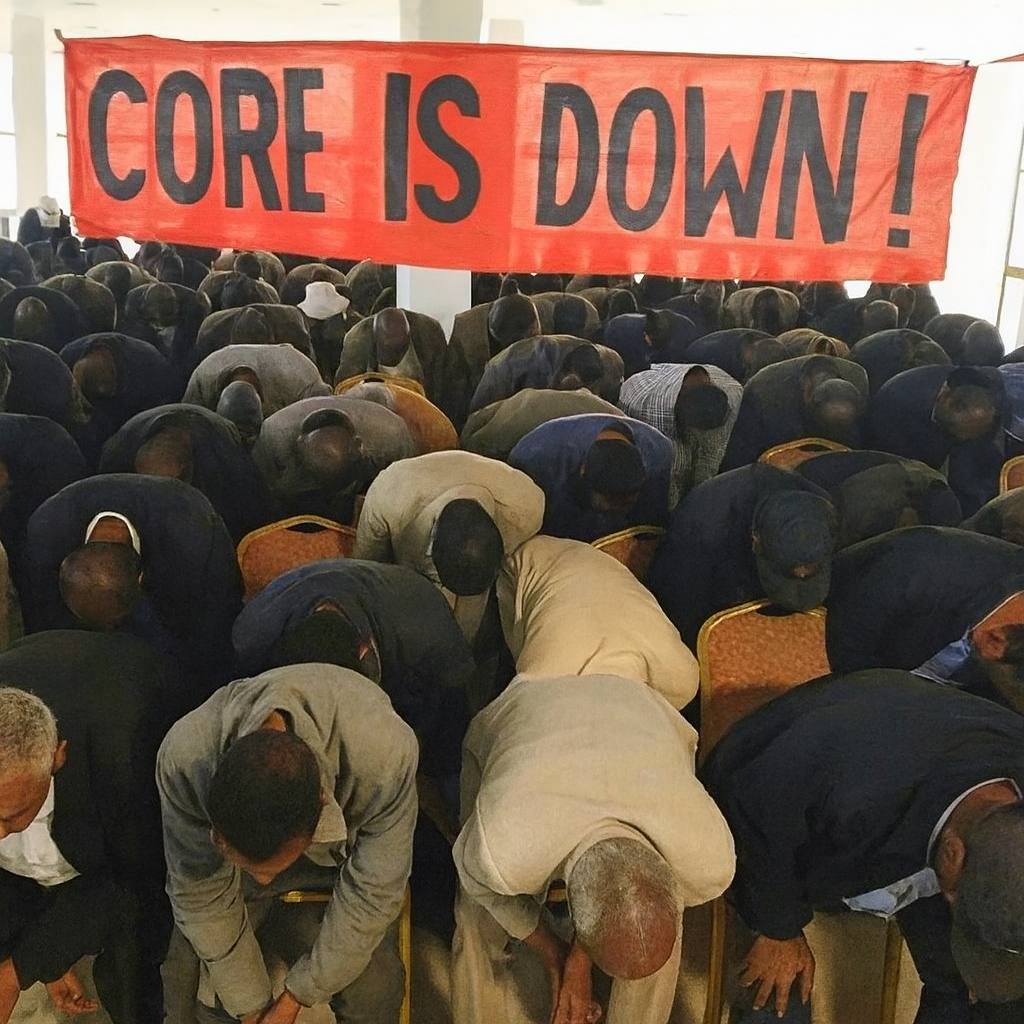
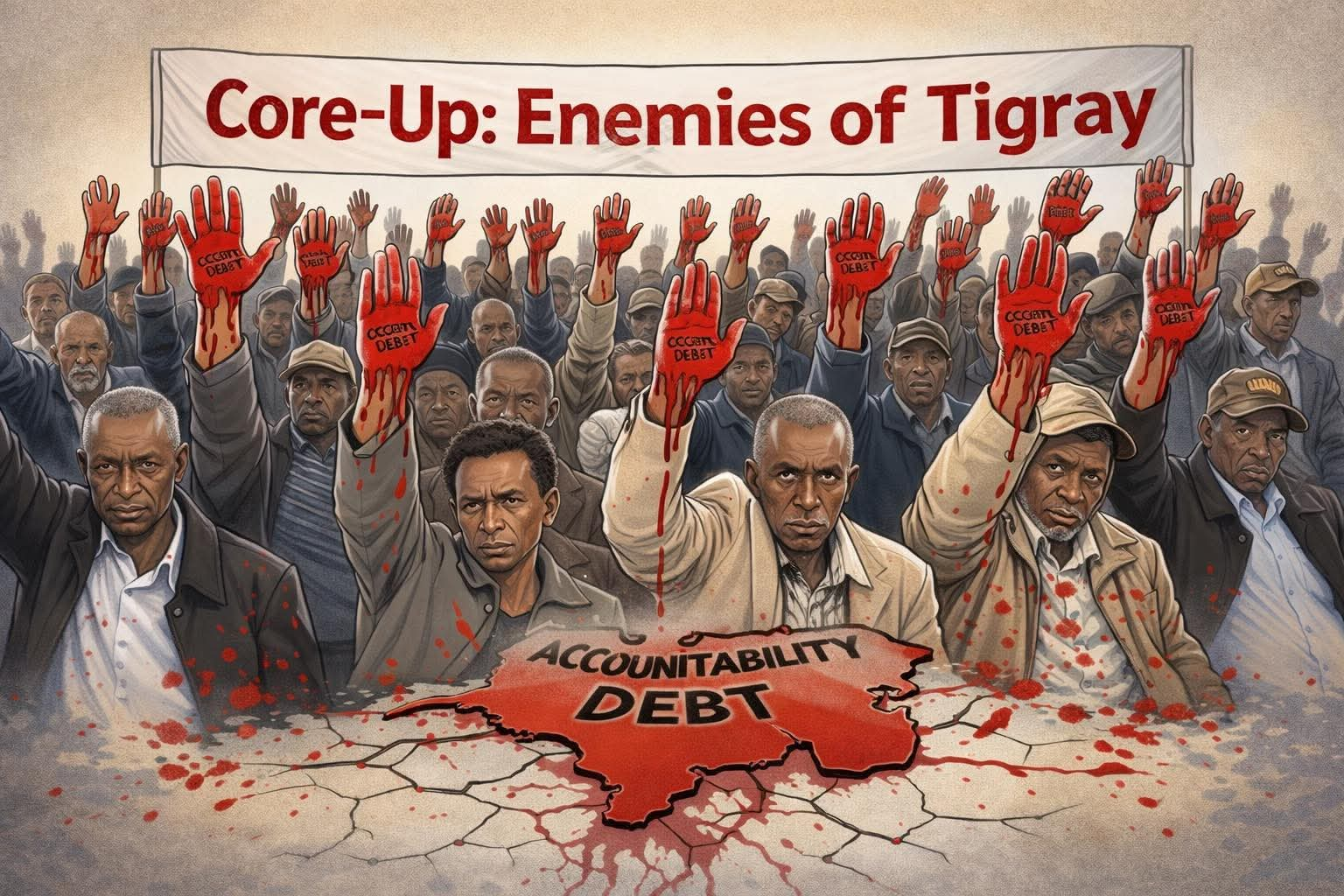
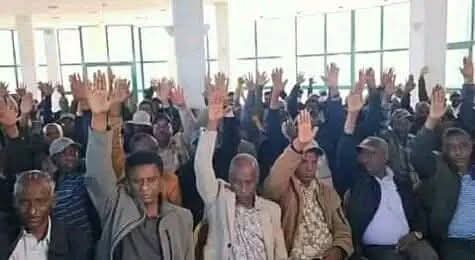
At the center of this rupture stands an image that has come to define the moment. Hands raised, not in unity, prayer, or collective resolve, but in surrender to factional interests. For many Tigrayans and independent analysts, those hands symbolize the actions of senior figures within the Tigray People’s Liberation Front, often referred to as the “Core” and “Above the Core” leadership circles, whose choices accelerated state collapse rather than preventing it.
An Internal Rupture, Not an External Defeat
Historically, Tigray’s major crises were shaped by external pressure, invasion, or overwhelming force. This episode was different. Authority was relinquished from within. Instead of safeguarding civilian institutions during a fragile transition, power shifted toward an opaque political military network operating with minimal accountability. The interim civilian administration was sidelined, and the professional command structure of the Tigray Defense Forces was steadily hollowed out.
Security analysts note that Tigray did not lose control because it was militarily defeated. Control eroded because lawful authority was voluntarily dismantled without mechanisms to protect governance, public order, or civilian oversight. The immediate result was an institutional vacuum. The long term effect has been systemic disorder.
Symbolism and Power: The Meaning of Raised Hands
In political narratives emerging from the past year, the raised hands have taken on deeper symbolic meaning. They are increasingly described not as a tactical gesture but as an endorsement of a political culture rooted in impunity. Observers argue that senior TPLF figures chose factional survival over public accountability, prolonging an authoritarian system that had already lost legitimacy among much of the population.
Rather than facilitating reform and reconciliation after the war, these actors entrenched internal rivalries and suppressed alternative voices. In this framing, betrayal is not treated as rhetorical exaggeration but as the outer structure within which widespread civilian suffering unfolded. Analysts draw parallels to a global pattern in which former liberation movements, once detached from popular oversight, transform into closed systems of coercion.
The Anatomy of Institutional Breakdown
The breakdown manifested through a series of interconnected actions. Central among them was the political confrontation with the Tigray Interim Administration under President Getachew Reda. Instead of consolidating civilian authority, rival power centers worked to undermine it, creating parallel command structures and eroding administrative coherence.
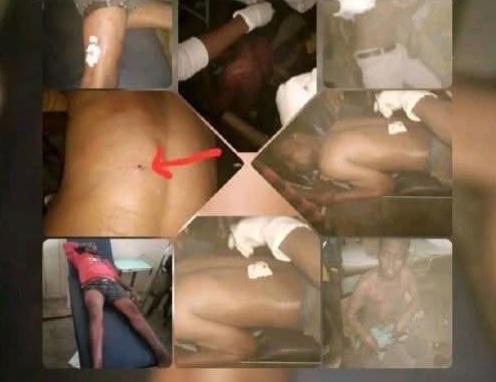
The restructuring of the Tigray Defense Forces further deepened the crisis. What had emerged during the war as a disciplined force rooted in collective sacrifice fragmented along factional lines. Informal armed groups loyal to individual commanders gained influence, operating outside any clear legal framework. Critics associate these networks with kidnappings, enforced disappearances, targeted killings, and the forced exile of political and civic figures.
Women and girls were among those most severely affected. Human rights assessments indicate that sexual violence, already widespread during the conflict, persisted in localized forms, used as a tool of intimidation and control rather than addressed through transparent accountability mechanisms.
From Governance to Coercion
In the year since the collapse, civilian life across Tigray has deteriorated steadily. Arbitrary arrests, political persecution, and prolonged detentions without due process have been widely reported. Reform oriented figures, youth activists, and independent thinkers have been particularly vulnerable.
These developments are not viewed as isolated abuses. Analysts describe them as symptoms of a collapsed state order in which armed authority replaced legal authority. The erosion of military professionalism blurred the line between security provision and political repression, leaving communities exposed to fear and uncertainty.
Denial, Displacement, and Social Fragmentation
Beyond physical insecurity, the crisis has manifested in systematic denial of basic rights. Families have reported restrictions on burial practices and prolonged displacement without credible return mechanisms. In several cases, humanitarian assistance has been politicized, with access to food, water, and medical care influenced by factional loyalty rather than need.
Administrative structures in parts of southern and southeastern Tigray were dismantled and replaced with appointed authorities lacking community legitimacy. Self organizing local administrations were labeled hostile, drawing comparisons to repression models used by neighboring authoritarian regimes. The result has been deepened polarization and the erosion of social trust.
Economic Exploitation in the Power Vacuum
Parallel to the governance crisis has been the rapid expansion of illegal economic activity, particularly unregulated mining. In the absence of effective oversight, gold and other mineral resources have reportedly been extracted and smuggled out of Tigray through illicit networks. Toxic chemicals have been used without environmental safeguards, posing long term risks to land and water systems.
Investigative sources describe partnerships between local armed actors and external business interests operating beyond public scrutiny. Rather than contributing to recovery, these activities have reinforced perceptions of post war plunder. Some analysts point to converging interests between internal factional actors and external regional powers, developments seen as undermining Tigray’s sovereignty and future stability.
The Disappearance of General Guesh Gebre
The kidnapping and continued disappearance of General Guesh Gebre has become emblematic of the broader institutional collapse. Described by multiple sources as a senior figure seeking to prevent further disintegration, his abduction without due process or transparency highlighted the breakdown of military ethics and state authority.
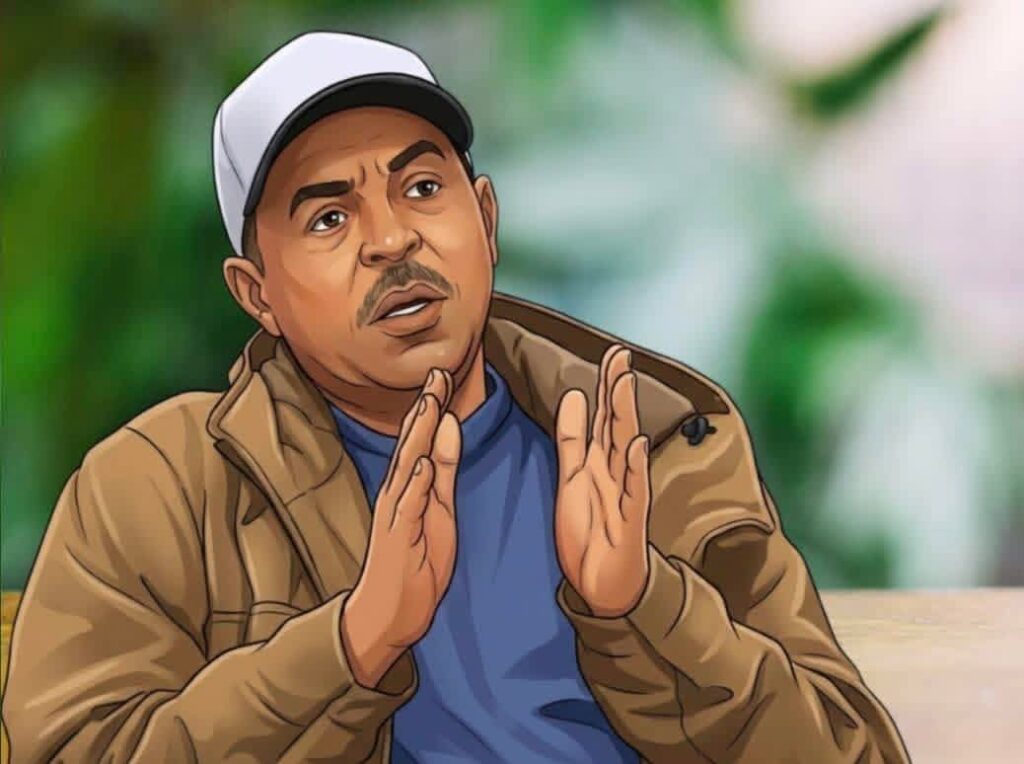
Security experts note that when senior commanders are detained by their own system outside any legal framework, it reflects institutional failure rather than strength. The unresolved nature of the case continues to erode public trust.
Internal Threats and the Question of Isolation
A growing body of analysis now identifies Tigray’s most immediate threat as internal rather than external. The continued influence of entrenched political military networks is increasingly viewed as incompatible with reconciliation and reconstruction.
Calls have emerged for political isolation of these networks, including the removal of their authority and legitimacy in shaping Tigray’s future. Social accountability is also emphasized, urging public recognition of wrongdoing and rejection of factional dominance. Economically, analysts argue for dismantling illicit financial networks linked to illegal mining and land appropriation, with confiscated assets redirected toward reconstruction and public services.
Accountability and the Future of Legitimacy
One year on, the central question facing Tigray is legitimacy. Observers stress that political authority cannot rest indefinitely on coercion, historical credentials, or armed power. It must be grounded in civilian consent, transparency, and the rule of law.
The events of last January are increasingly viewed as a decisive turning point requiring honest public reckoning. Without accountability for internal collapse and sustained efforts to restore civilian governance, prospects for durable peace remain limited.
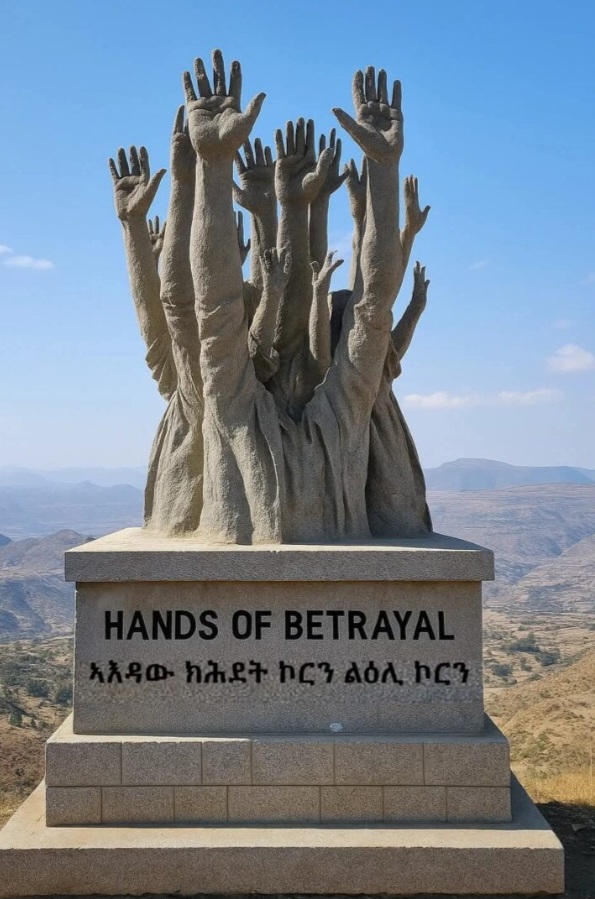
As Tigray enters another fragile year, the lesson emerging from this experience is stark. Governance that abandons accountability in the name of survival ultimately undermines both. The future of the region depends on truth, institutional reform, and the rejection of warlordism disguised as liberation. Anything less risks repeating the same betrayal under a different name.
———-
Editor’s Disclaimer:
The views and opinions expressed in articles published by Horn News Hub are those of the authors and do not necessarily reflect the official position or editorial stance of Horn News Hub. Publication does not imply endorsement.