
The Father of the GERD: Assessing Sheikh Mohammed Al-Amoudi’s Decisive Role in Ethiopia’s Defining Project
By Chekole Alemu
When Ethiopia announced the construction of the Grand Ethiopian Renaissance Dam in 2011, the stakes were unusually high. The project was not only Africa’s largest hydroelectric undertaking. It was also a test of national will.
The government made a strategic decision to finance the dam largely through domestic resources. International lenders were hesitant, partly because of downstream tensions over the Nile. As a result, the state turned to citizens, public institutions, and the diaspora to purchase bonds and contribute directly. This approach transformed GERD from a state infrastructure project into a national mobilization campaign.
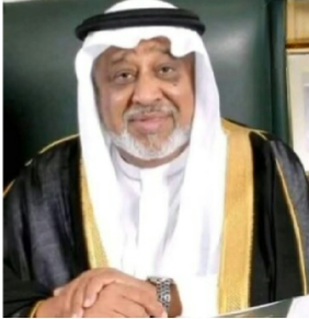
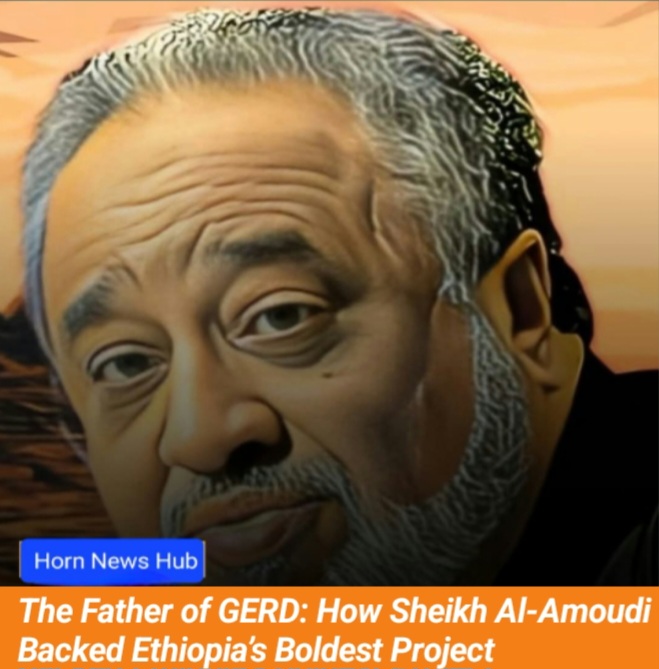
In that early and uncertain phase, Shiek Mohammed Hussein Ali Al-Amoudi emerged as a pivotal figure. During the Millennium Telethon organized to raise funds, he pledged 1.5 billion Birr, then estimated at approximately 88 million dollars. Crucially, he advanced the money before the bond mechanisms were fully finalized, allowing construction activities to begin without delay.
From a financial perspective, the contribution represented a significant injection of liquidity at a moment when momentum mattered. Large infrastructure projects often struggle not because of long term viability but because of early cash flow constraints. By closing that initial gap, Al-Amoudi reduced uncertainty and sent a powerful signal to other investors and ordinary citizens.
The telethon itself became a turning point. In a single day, more than 1 billion Birr was raised. That figure reflected broad-based participation, but it also reflected confidence. Analysts at the time noted that high profile commitments from prominent business leaders helped legitimize the campaign and encouraged smaller contributors to follow.
Al-Amoudi later stated that his total GERD bond purchases exceeded 10 billion Birr. If accurate, that level of sustained support placed him among the largest individual financiers of the dam. In economic terms, his role went beyond philanthropy. It was an investment aligned with Ethiopia’s long term structural needs. Chronic electricity shortages had constrained industrial growth and limited export competitiveness. A functioning GERD promised not only energy security but also regional power exports.
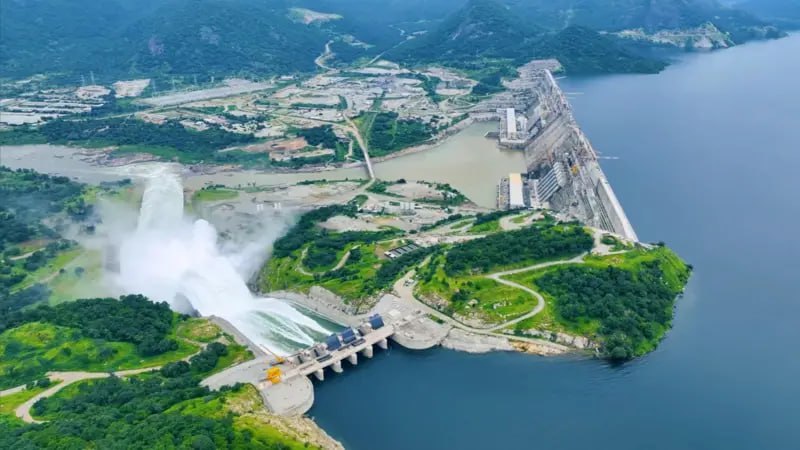
The political symbolism is equally significant. GERD has been framed by Ethiopian officials as a sovereign development right. It became a rallying point during periods of diplomatic tension with downstream countries. In that context, early private sector backing strengthened the government’s argument that the dam reflected collective national ownership rather than external financing influence.
The inauguration of the dam during the Ethiopian New Year carried continental overtones. Leaders from Kenya, Somalia, Djibouti, Barbados, and South Sudan were invited, reinforcing Addis Ababa’s message that GERD represents African self determination. For many observers, the event marked not only the completion of turbines and transmission lines but also the culmination of a decade-long assertion of economic independence.
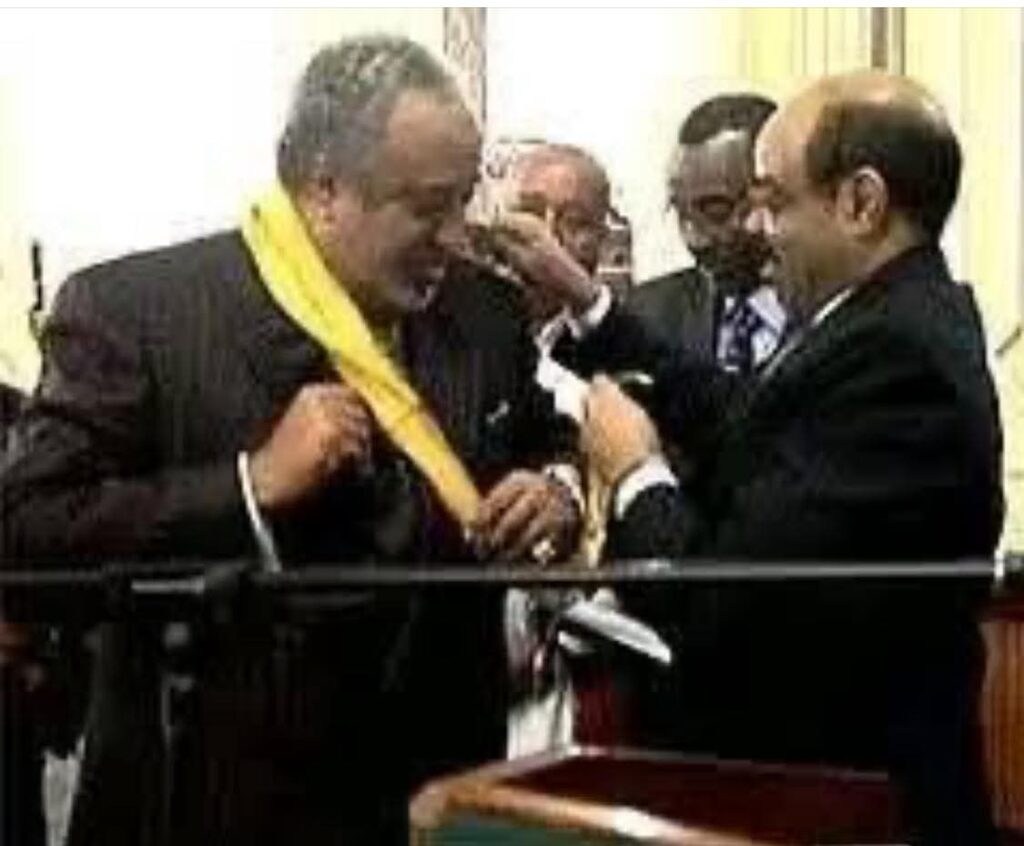
Describing Al-Amoudi as “the father of the GERD” reflects how many Ethiopians interpret his early intervention. Strictly speaking, the dam is the product of state planning, engineering expertise, public bond purchases, and years of labor. Yet history often assigns symbolic titles to individuals whose actions altered the trajectory of events. In this case, his 1.5 billion Birr pledge at the project’s most fragile moment helped shift GERD from ambition to execution.
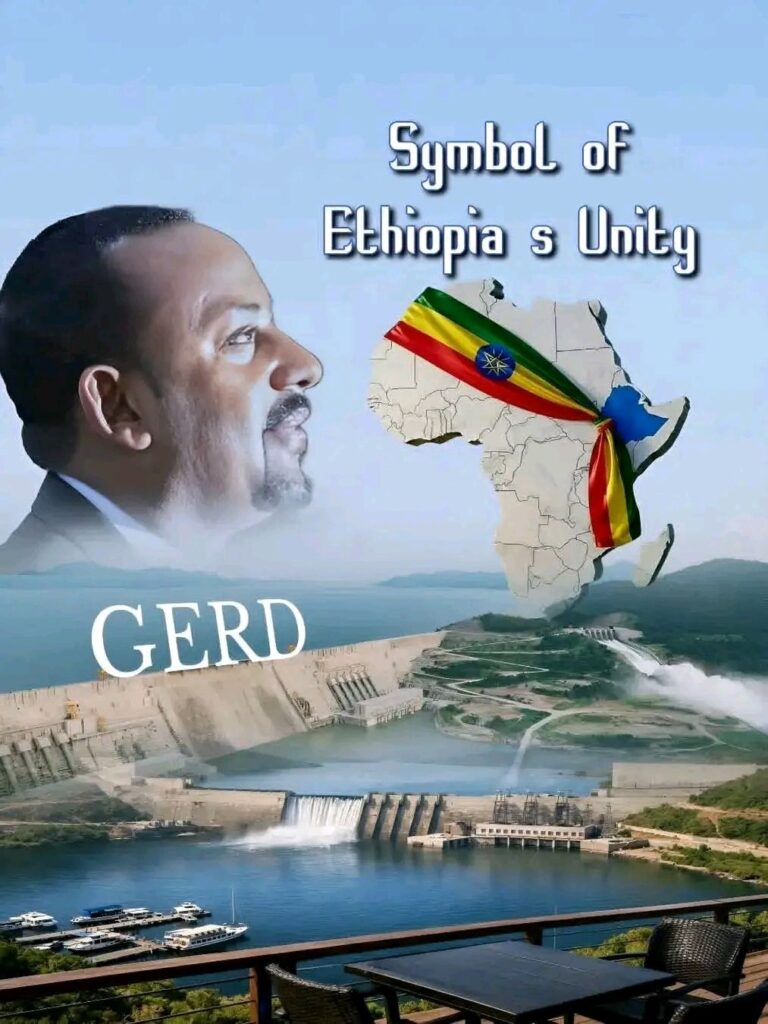
Whether viewed through an economic, political, or symbolic lens, his contribution occupies a distinct place in the narrative of Ethiopia’s largest infrastructure project. GERD today stands as a source of national pride and a pillar of the country’s development strategy. The debate over who shaped it most will continue, but few dispute that when the project needed immediate backing, Al-Amoudi stepped forward.
Editor’s Disclaimer:
The views and opinions expressed in articles published by Horn News Hub are those of the authors and do not necessarily reflect the official position or editorial stance of Horn News Hub. Publication does not imply endorsement.