

By Chekole Alemu
Frelekatit Dam Rehabilitation Signals Science-Driven Reconstruction in Eastern Tigray
In the rugged highlands of Eastern Tigray, the rehabilitation of the Frelekatit Dam in Hawzen Woreda is emerging as one of the most technically significant and symbolically important reconstruction projects in post-war Tigray. Beyond restoring irrigation infrastructure, the project reflects a broader shift toward science-based rebuilding, institutional reform, and engineering-led resilience in a region still recovering from conflict.
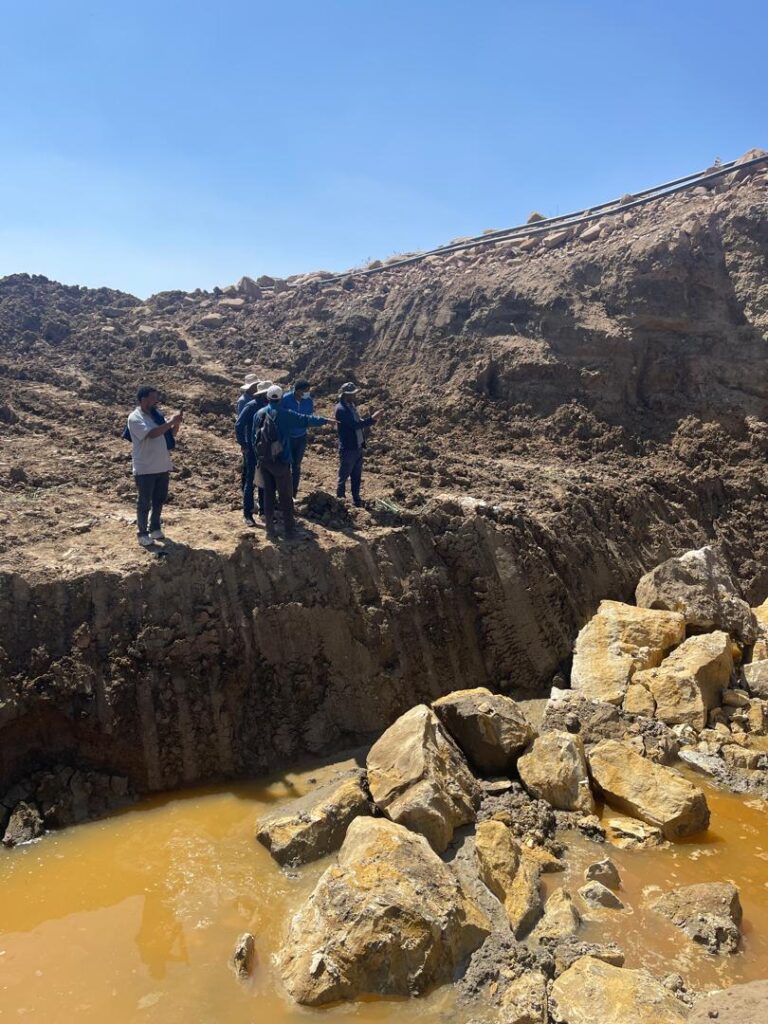
Originally designed in 2006 and constructed in 2013, the Frelekatit Dam has served as a lifeline for surrounding communities for more than a decade. With a reservoir capacity of 4.5 million cubic meters, an average base flow of 200 liters per second, and irrigation coverage of approximately 400 hectares, the dam has supported agricultural livelihoods in one of Tigray’s drought-prone areas.
However, after 15 years of operation, the dam developed serious structural challenges. Engineers identified foundation incompetency and piping through the foundation, technical failures that pose significant risks to dam safety. Left unresolved, such issues could lead to structural instability, seepage-induced erosion, or even catastrophic failure.
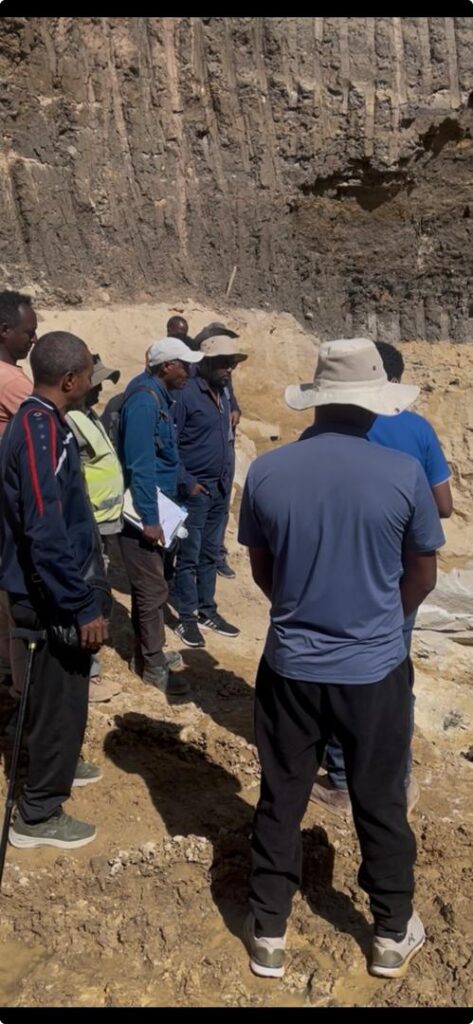
Rather than pursuing short-term fixes, engineers opted for a bold and technically demanding solution: controlled dam breaching and full reconstruction.
A Rare Engineering Decision in a Resource-Constrained Region
The rehabilitation project involves breaching a 22-meter-high embankment dam along an axis stretching approximately 560 meters, an undertaking rarely attempted in resource-limited, post-conflict environments.
Instead of blasting, which could damage the structure and surrounding geology, engineers are using low-vibration mechanical excavation techniques to cut through Adigrat white sandstone. The approach includes controlled drilling, mechanical cutting, and chemical rock splitting. These methods minimize vibration, reduce the risk of cracks and settlement, and preserve structural integrity.
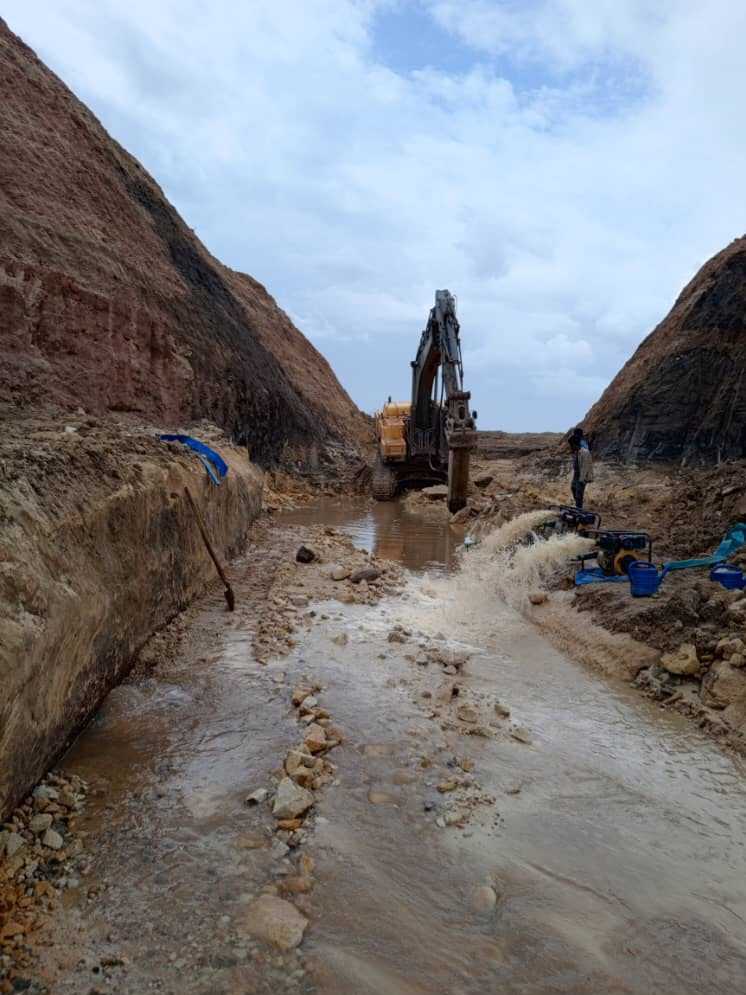
This level of technical precision highlights an evolving engineering culture in Tigray, where long-term sustainability is increasingly prioritized over rapid but risky interventions.
The rehabilitation program, now underway with a budget exceeding 120 million Ethiopian birr, represents one of the most technically sophisticated infrastructure recovery efforts in the region since the end of active conflict.
Reconstruction Under Constraints
The Frelekatit Dam rehabilitation is taking place under particularly difficult conditions. Tigray continues to face logistical challenges, limited access to materials, and constrained financial resources. Yet the project’s progress demonstrates how engineering innovation can overcome operational barriers.
Technical teams working on site are excavating massive sandstone formations without destructive blasting. This method not only protects the embankment but also ensures the new structure will be more resilient to future hydrological and geological stresses.
The project therefore goes beyond repair. It represents a redesign and modernization effort that incorporates lessons learned from past performance and evolving climate variability.
Leadership from the Interim Administration
The rehabilitation also reflects broader governance shifts under the leadership of Lieutenant General Tadesse Worede. His administration has increasingly emphasized infrastructure restoration and institutional capacity building as foundations for long-term recovery.
Two initiatives illustrate this direction:
- Establishment of the Tigray Water and Energy Research Institute
- Strengthening and advancing the Tigray irrigation sector into an independent bureau
These institutional reforms aim to transform water management in Tigray from reactive crisis response to strategic planning and research-driven development.
For engineers and scholars involved in the Frelekatit Dam rehabilitation, this leadership approach is already visible on the ground. According to Dr. Mehari Gebreyohannes Hiben, the interim president has gained growing respect among technical professionals for promoting science-based development.
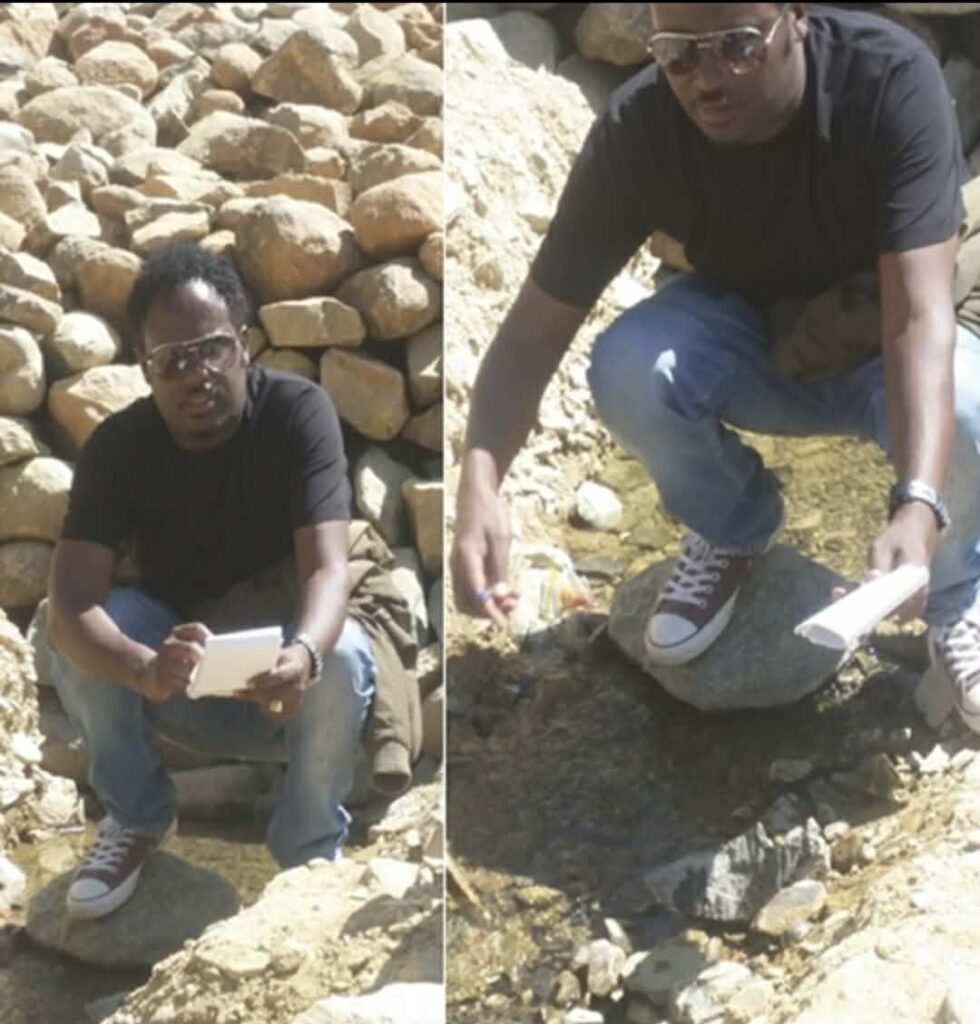
“This is General Tadesse Werede embraced by the true love and appreciation of real scholars,” Dr. Mehari noted, describing a leadership model that places engineering expertise and research at the center of policy decisions.
He further described the president as a symbol of promoting the Water-Energy-Food-Ecosystem nexus, an integrated development approach that links irrigation, energy production, food security, and environmental sustainability. In Tigray, where water scarcity, climate variability, and post-war recovery challenges intersect, such integrated planning is particularly critical.
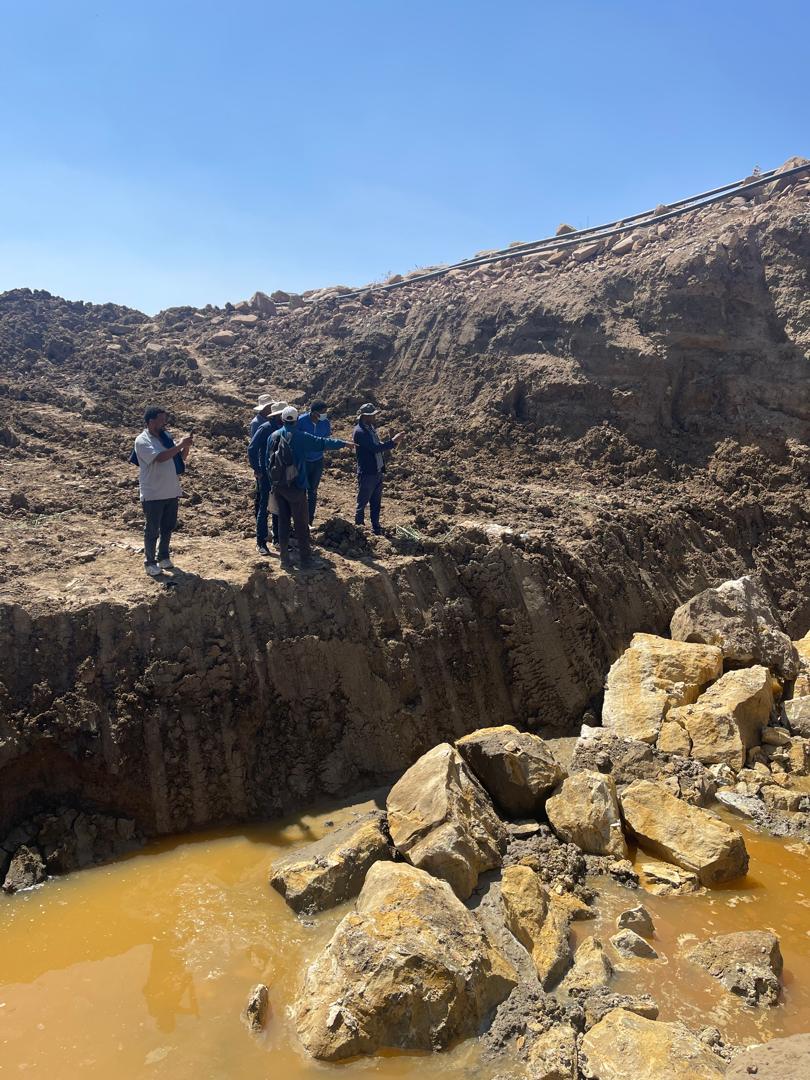
The Frelekatit Dam rehabilitation illustrates this philosophy in practice. By restoring irrigation capacity, strengthening watershed management, and improving long-term water storage, the project contributes simultaneously to food production, ecosystem protection, and economic recovery.
Notably, the one-year performance of Lieutenant General Tadesse Worede was also praised during a recent Tuesday meeting with Abiy Ahmed, where reconstruction and institutional rebuilding efforts in Tigray were highlighted as among the administration’s top achievements.
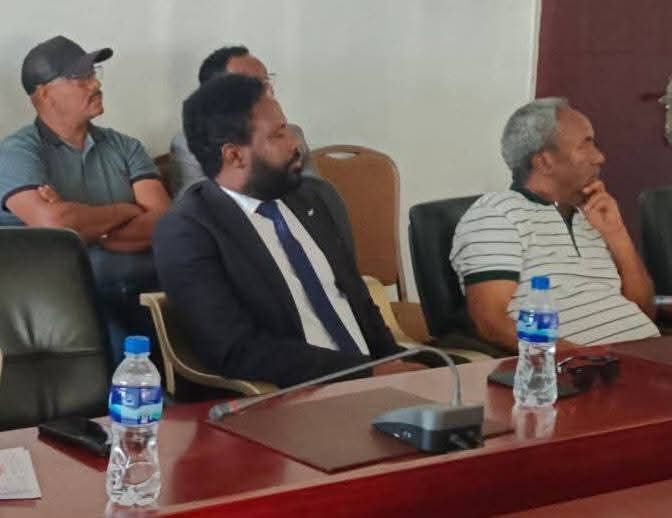
The recognition underscored the growing importance of infrastructure recovery, water management, and technical institutional development as central pillars of Tigray’s stabilization and long-term recovery.
Technical Leadership Driving the Project
At the center of the rehabilitation effort is Dr. Mehari Gebreyohannes Hiben, Chief Executive Officer of the Tigray Water Works Study, Design and Supervision Enterprise. A dam and geotechnical engineering specialist with more than 15 years of experience, Dr. Mehari has played a leading role in selecting the controlled breaching and reconstruction approach.
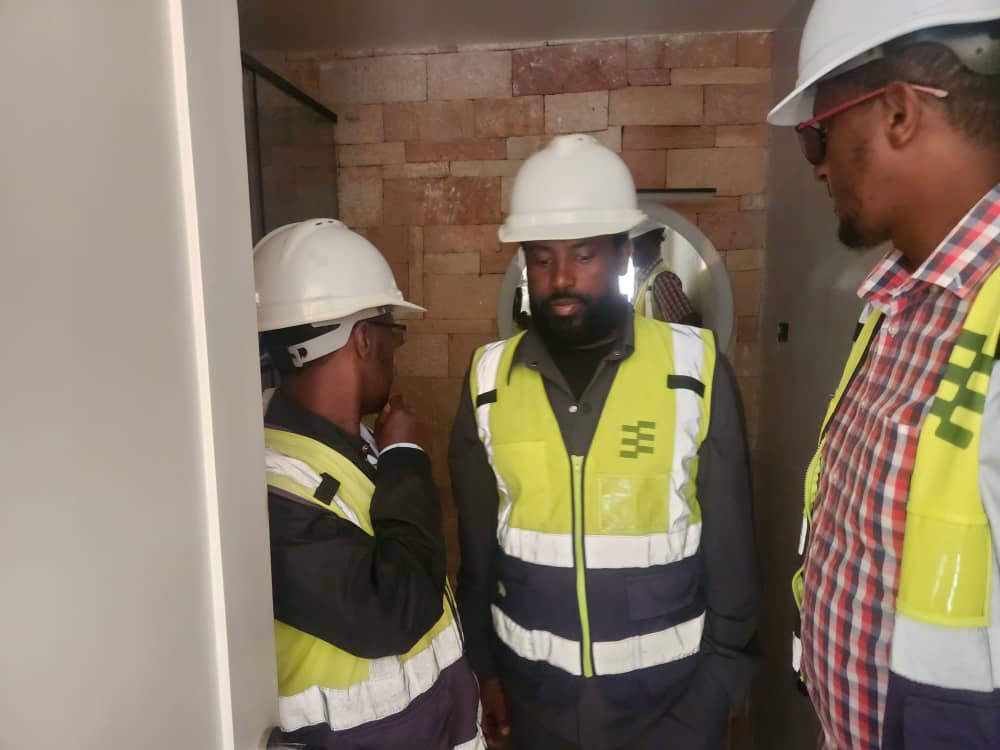
His background in hydraulic engineering, hydroinformatics, and dam engineering has shaped the project’s technical direction. With academic training from Addis Ababa Institute of Technology and UNESCO-IHE in the Netherlands, along with extensive consulting experience across infrastructure sectors, Dr. Mehari represents a new generation of engineering leadership in Tigray.
Under his technical leadership, the TWWSDSE team conducted detailed assessments and evaluated multiple rehabilitation alternatives. The final decision to breach and reconstruct the dam was based on engineering modeling, safety analysis, and long-term sustainability considerations.
This science-based decision-making reflects a shift away from politically driven infrastructure toward technically grounded solutions.
A Model for Post-War Reconstruction
The Frelekatit Dam rehabilitation offers a model for rebuilding in post-conflict regions. Instead of focusing solely on restoring what existed before the war, the project emphasizes improved design, structural safety, and climate resilience.
Water infrastructure plays a critical role in Tigray’s recovery. Irrigation systems support agricultural production, stabilize rural livelihoods, and reduce vulnerability to drought. As climate variability intensifies, resilient water systems will become even more essential.
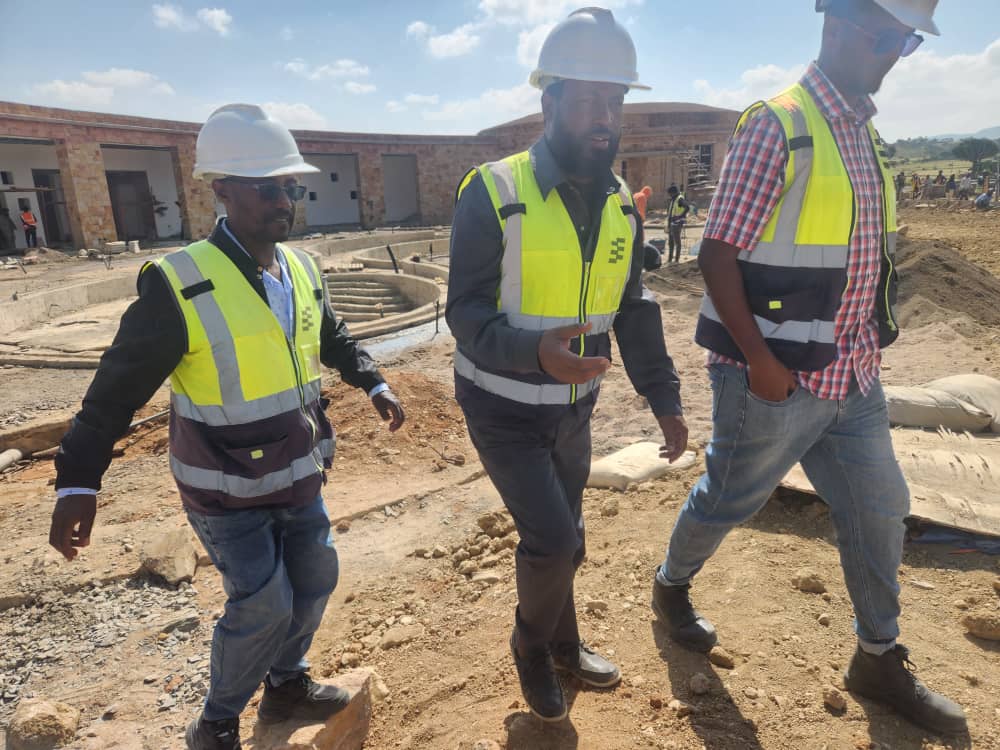
The Frelekatit Dam therefore stands as an example of reconstruction through engineering, science, and institutional reform.
In a region that endured years of conflict and infrastructure destruction, the controlled breaching of a 22-meter-high dam may seem counterintuitive. But in engineering terms, it represents confidence, the confidence to rebuild stronger, safer, and more sustainably.
The ongoing work in Hawzen Woreda demonstrates that even under blockade-like conditions and limited resources, technical expertise and leadership can drive meaningful recovery.
As reconstruction efforts continue across Tigray, the Frelekatit Dam may well be remembered not just as an irrigation project, but as a turning point, where science-driven engineering and leadership began shaping the region’s post-war future.
Editor’s Disclaimer:
The views and opinions expressed in articles published by Horn News Hub are those of the authors and do not necessarily reflect the official position or editorial stance of Horn News Hub. Publication does not imply endorsement.