
Mekelle/Tel Aviv/Nairobi/Pretoria/London
Somaliland’s Strategic Success in State-Building: Key Lessons for Tigray
By Horn African Geopolitical Review
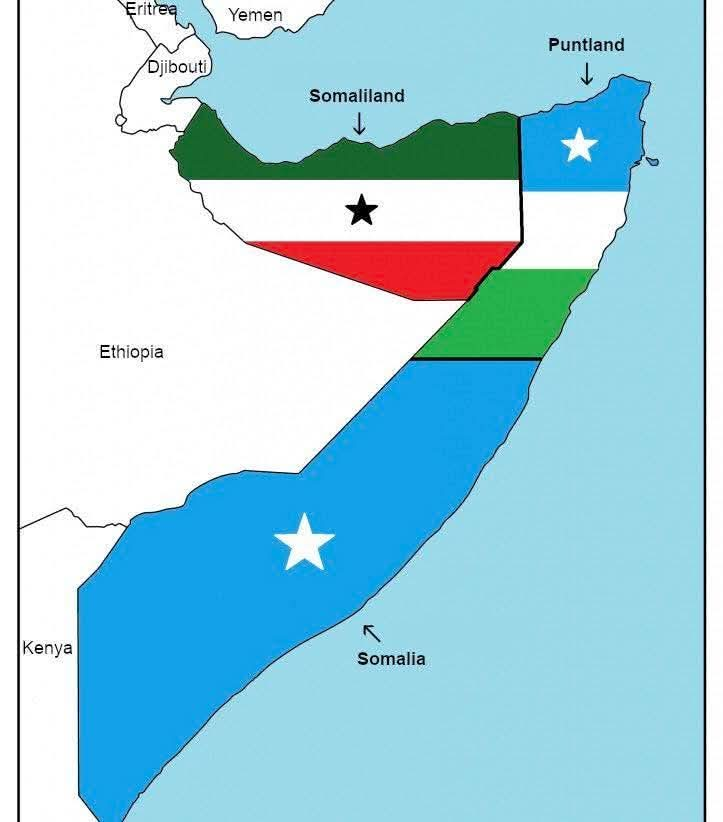
Somaliland’s trajectory towards self-declared independence, which it has maintained since 1991, offers valuable lessons for other regions navigating state-building amidst complex political, social, and military dynamics. Unlike Somalia, whose central state remains fractured, Somaliland’s path to stability was marked by careful institutional development, strategic restraint, and the domestication of local structures.
I. Somaliland’s Core Strategic Success Factors
- Sovereignty Practiced Before Recognition
Somaliland’s success was not a product of external validation, but of local governance. Long before formal recognition, Somaliland established key state functions, including security forces, courts, taxation, and foreign relations. Recognition, for Somaliland, was an eventual outcome rather than a prerequisite for governance.
Strategic Rule: States are recognized because they function, not because they ask.
- Locally-Owned Peacebuilding
Somaliland’s peace-building process was largely indigenous, rejecting externally imposed models. Peace conferences, held from 1991 to 1997, were clan-led, locally funded, and enforced by social sanction rather than foreign military intervention. The institutionalization of elders (Guurti) into the state structure ensured compliance without coercion, a feat Somalia has struggled to replicate.
- Hybrid Governance: Combining Tradition with Modernity
Rather than dismantling clan structures, Somaliland integrated them into modern political institutions. The bicameral legislature—a House of Representatives for electoral legitimacy and a House of Elders (Guurti) for social legitimacy—blended traditional authority with democratic processes. The country also implemented a limited three-party system to prevent clan fragmentation.
Critical Lesson: Modern democracy thrives in fragile societies when it adapts to, rather than resists, existing social realities.
- Elite Pact: “No Victor, No Vanquished”
Following the victory of the SNM (Somali National Movement), Somaliland’s elites avoided the winner-takes-all mentality that has led to factionalism in many post-conflict states. There was no revenge against former adversaries, no militarization of politics, and no permanent dominance by any one group. This allowed for a political environment where the security sector was not captured by party interests, avoiding the pitfalls that ensnared many other post-liberation states.
- Fiscal and Institutional Self-Reliance
Somaliland’s isolation both diplomatically and economically created a strong sense of discipline. With no dependency on international aid, the region developed a sustainable fiscal system through customs revenue, remittances from the diaspora, and mobile money platforms like Zaad. The absence of foreign interference led to the growth of robust and independent institutions.
- Strategic Geography as Leverage, Not Dependency
Somaliland waited decades before fully leveraging its strategic geographical position. Its location along the Gulf of Aden and the Bab al-Mandeb Strait, combined with the importance of the Berbera Port, has made it valuable for international security and trade. However, Somaliland only began to capitalize on this geography after it had established credible institutions, ensuring that it would not be taken advantage of by external powers.
II. How Somaliland Built Independent State Institutions
The state-building process in Somaliland is notable not for its immediate drive for recognition, but for the careful sequencing of key steps:
A. Correct Sequencing
Somaliland’s strategic development followed a clear order:
- Security before everything else, with local legitimacy and demobilization.
- Reconciliation before constitution-building.
- Institutions were built before recognition.
- Elections followed elite consensus.
- Foreign partnerships came only after internal stability was achieved.
This sequence contrasts sharply with the approach taken by Somalia, where the reverse order led to institutional collapse.
B. Institutions Built From Below
Somaliland’s institutions were not imported from the outside. Courts integrated traditional Xeer law, while police forces were recruited locally. Taxation was negotiated with the public, rather than imposed. The constitution was ratified through a referendum after peace was established, not before.
C. Politics Without Militarized Parties
Somaliland deliberately avoided the entrenchment of military-backed political parties. No political party in Somaliland has ever controlled an army, nor has any faction relied on military might to secure political dominance. This approach prevented the kind of militarized politics that has plagued other regions, including Tigray under the TPLF (Tigray People’s Liberation Front).
III. Strategic Lessons for Tigray
Somaliland’s approach offers several lessons and warnings for Tigray, especially as it navigates the aftermath of the TPLF’s dominant role in the region.
- Liberation Movements Must Exit Power to Allow State-Building
The key to Somaliland’s success was the dismantling of the SNM as a ruling force. Tigray, on the other hand, has seen the TPLF persist as a dominant political and military actor. The lesson here is clear: independent state institutions cannot flourish if a liberation movement continues to hold power, control the economy, and monopolize security.
- Political Neutrality of the Military is Essential
Somaliland’s army did not fragment into political factions, nor did it become a political kingmaker. In contrast, Tigray’s military has been deeply involved in political affairs, exacerbating the region’s instability.
- Clan and Community Structures Must Be Institutionalized, Not Weaponized
While Somaliland integrated clan structures into governance, Tigray has often struggled with using clan identity for political gain. Somaliland institutionalized its clan elders in the constitutional framework, while Tigray under the TPLF suppressed independent civic authority. The key takeaway for Tigray is that societal structures must be integrated into the state framework to ensure their survival.
- Recognition is Earned, Not Demanded
Somaliland waited 30 years for recognition. Tigray must first focus on building strong institutions credible elections, impartial courts, a neutral security sector before seeking external recognition. Premature demands for recognition without institutional credibility can backfire.
- Geography as Leverage Depends on Clean Institutions
Somaliland’s success in negotiating with regional and international actors stemmed from its credible institutions and stable internal order. Tigray, despite its mineral wealth and geostrategic importance, cannot leverage its position if its governance is marred by corruption, military fragmentation, or politicized security forces.
IV. What Tigray Should Avoid from Somaliland’s Experience
Tigray should be cautious not to romanticize clan politics or delay institutional reforms under the guise of unity. Political loyalty should not be merged with clan affiliation, and geography should never replace governance. State-building requires transparent institutions and disciplined leadership.
V. Strategic Bottom Line
Somaliland succeeded because it prioritized institutional stability, elite restraint, and political neutrality. It did not romanticize power or militarize politics. Tigray, by contrast, has fallen into the trap of making power sacred and politics permanent, contributing to its current instability.
Final Strategic Takeaway for Tigray: Building a state is not about winning wars or issuing declarations. It’s about restraining power, neutralizing armed factions, and allowing institutions to outlive individual leaders. Without these principles, Tigray may repeat the mistakes of failed states rather than establishing a lasting, independent state.
Editor’s Disclaimer:
The views and opinions expressed in articles published by Horn News Hub are those of the authors and do not necessarily reflect the official position or editorial stance of Horn News Hub. Publication does not imply endorsement.