
Rights Group Condemns Arrest of Professor Shewit Wudassie in Mekelle
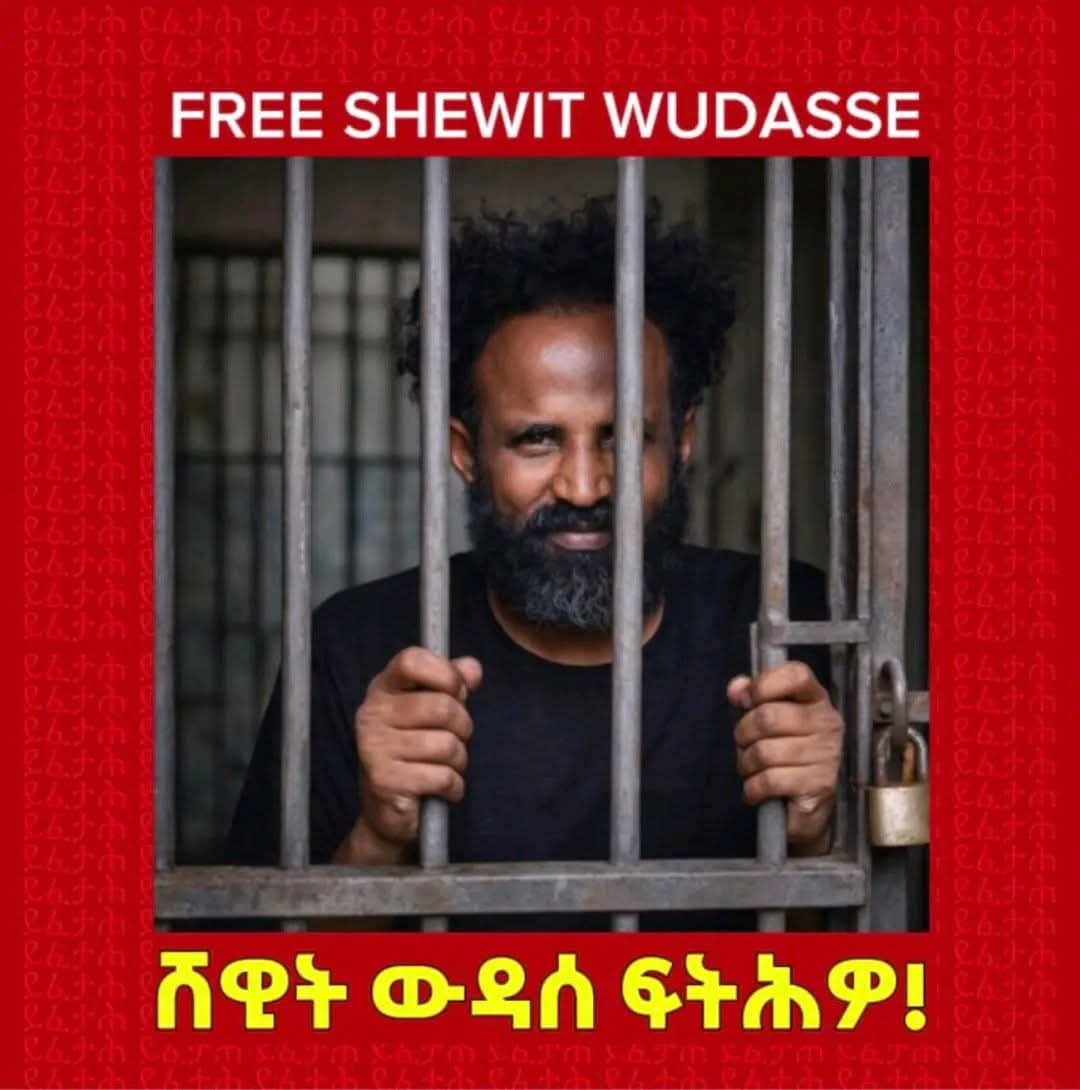
A Europe based advocacy group has strongly condemned the arrest of Professor Shewit Gebreegziabher, widely known as Shewit Wudassie, describing the incident as an unlawful detention and a sign of shrinking political space in Tigray.
In a statement released this week, the organization said security personnel allegedly linked to the TPLF led political and military administration in Tigray detained the professor in Mekelle without presenting a court warrant or legal justification.
Professor Shewit is an academic and independent commentator who recently founded an online media platform called Romanat Online. The platform was created to encourage public discussion and independent analysis on political and social developments in the region.
According to the group, individuals involved in the arrest were reportedly dressed in civilian clothing. The statement said the circumstances surrounding the detention raise serious concerns about due process and adherence to legal standards.
The advocacy organization argued that the arrest reflects a broader pattern of pressure against intellectuals, journalists, and independent voices in Tigray. It warned that actions targeting scholars and media initiatives could weaken public trust and limit open debate at a time when the region is navigating a fragile political and security environment.
Romanat Online, the statement noted, takes its name from Romanat Square in Mekelle, a place historically associated with public gatherings and civic engagement. The group said the media initiative aimed to create space for dialogue rather than political confrontation.
The organization called for the immediate and unconditional release of Professor Shewit and urged authorities to respect legal procedures and international human rights standards.
It also appealed to international human rights organizations, media freedom groups, academic institutions, and diplomatic partners to monitor the situation closely and advocate for the protection of freedom of expression and academic independence.
The advocacy group said the long term stability of Tigray depends on protecting open debate, independent scholarship, and a diverse media environment rather than restricting critical voices.
As of now, regional authorities in Tigray have not publicly commented on the arrest.
Editor’s Disclaimer:
The views and opinions expressed in articles published by Horn News Hub are those of the authors and do not necessarily reflect the official position or editorial stance of Horn News Hub. Publication does not imply endorsement.