
Mekelle/Tel Aviv/Nairobi/Pretoria/London
Tigray Interim Administration President Calls for Support to Displaced People in Christmas Message
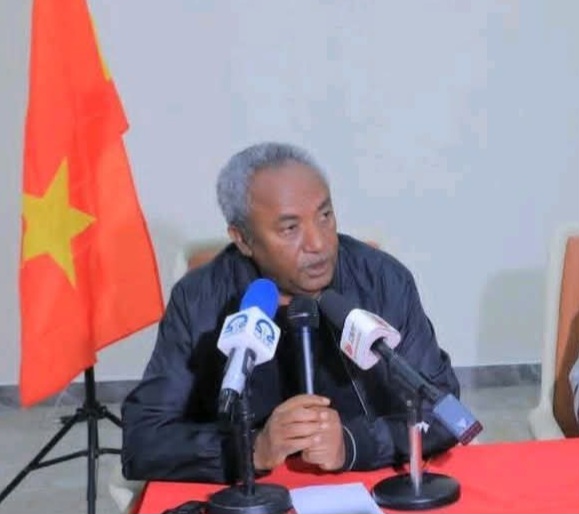
Mekelle— The President of the Tigray Interim Administration, Lt. Gen. Tadesse Worede, has called on government bodies, humanitarian actors, and the public to intensify efforts to ensure the sustainable return of internally displaced people to their homes.
In a Christmas message delivered on the occasion of the Ethiopian Orthodox celebration of the birth of Jesus Christ, Lt. Gen. Tadesse acknowledged the continued hardship facing large numbers of displaced people in Tigray, many of whom have spent several years living in temporary shelters following the conflict.
He said the holiday was being marked under difficult conditions characterized by widespread food shortages, illness, and economic hardship, particularly among displaced communities. According to the president, the situation of displaced people has exposed the depth of the humanitarian crisis in the region and drawn attention from both domestic and international actors.

Lt. Gen. Tadesse expressed appreciation for the assistance provided by individuals, institutions, and humanitarian organizations, noting that their support has been critical in helping displaced families endure prolonged hardship. He emphasized that special attention should continue to be given to vulnerable groups, including children, across displacement sites.
The president stressed that humanitarian aid alone is not a long term solution, arguing that the root response lies in enabling displaced citizens to return to their places of origin and rebuild their lives in a sustainable manner. He urged all stakeholders to coordinate efforts toward facilitating safe return, recovery, and reintegration.
Lt. Gen. Tadesse also extended his Christmas greetings to families of those killed during the conflict, people with disabilities, former fighters, and members of the regional security forces, recognizing their role in maintaining peace and stability.
The message comes as humanitarian agencies continue to warn about persistent displacement, food insecurity, and limited services in parts of Tigray, despite the cessation of large scale hostilities.
He concluded the message by paying tribute to those who lost their lives during the conflict, calling for lasting peace and collective responsibility in addressing the needs of displaced communities.
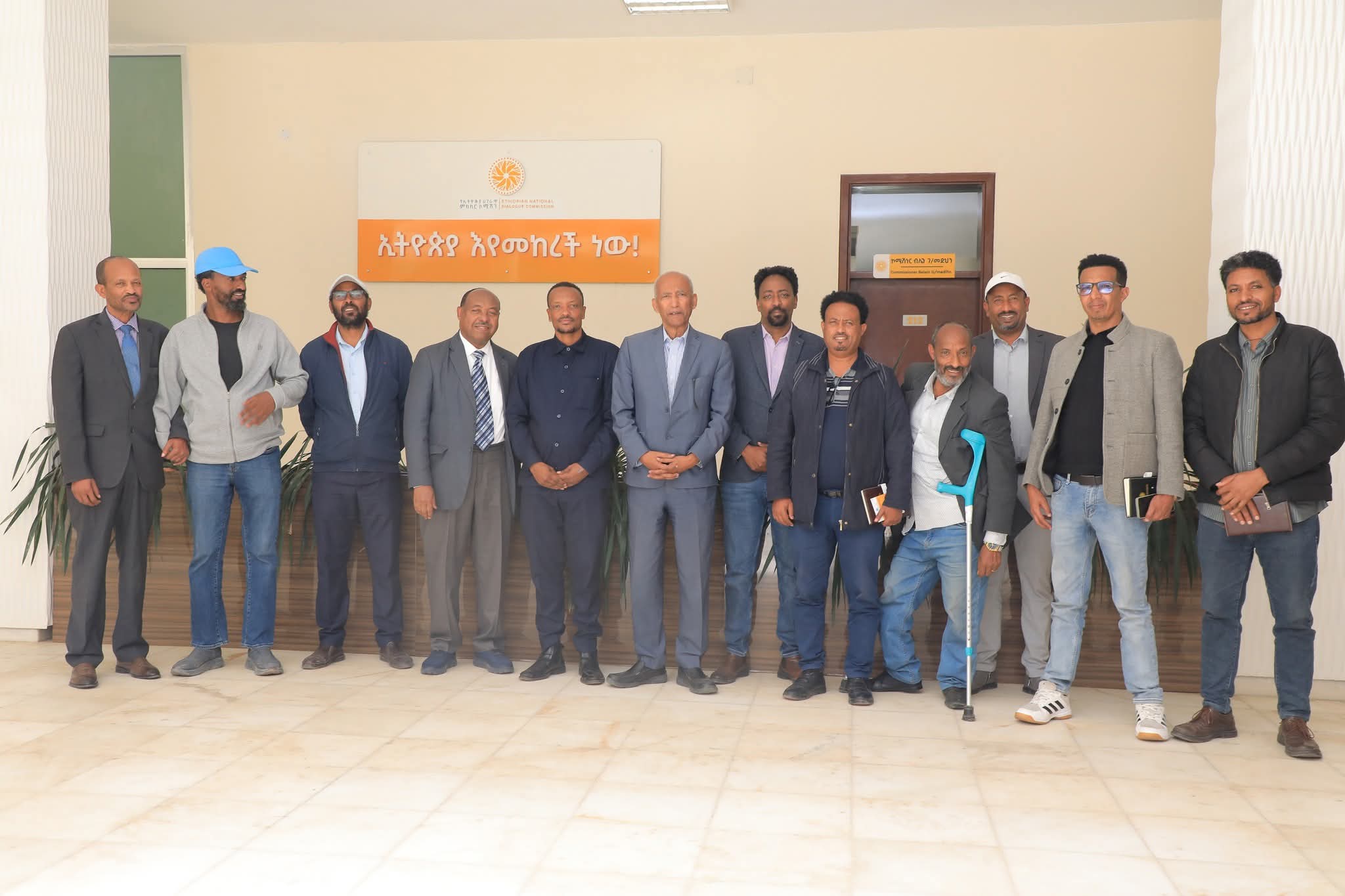
Tigray National Dialogue Initiative Emerges as Test of Post Conflict Political Transition
Mekelle — The Tigray National Dialogue Initiative launched under the leadership of President Tadesse Werede is increasingly being viewed as a critical step in the region’s transition from conflict toward political normalization, according to analysts and civic observers.
Introduced as a civilian led political process, the initiative aims to address unresolved political grievances, rebuild public trust, and create a platform for inclusive governance following years of war and institutional breakdown. While the move has been broadly welcomed as timely, its credibility and long term impact are expected to depend on how inclusive, transparent, and representative the process ultimately becomes.
Inclusivity as a Core Determinant
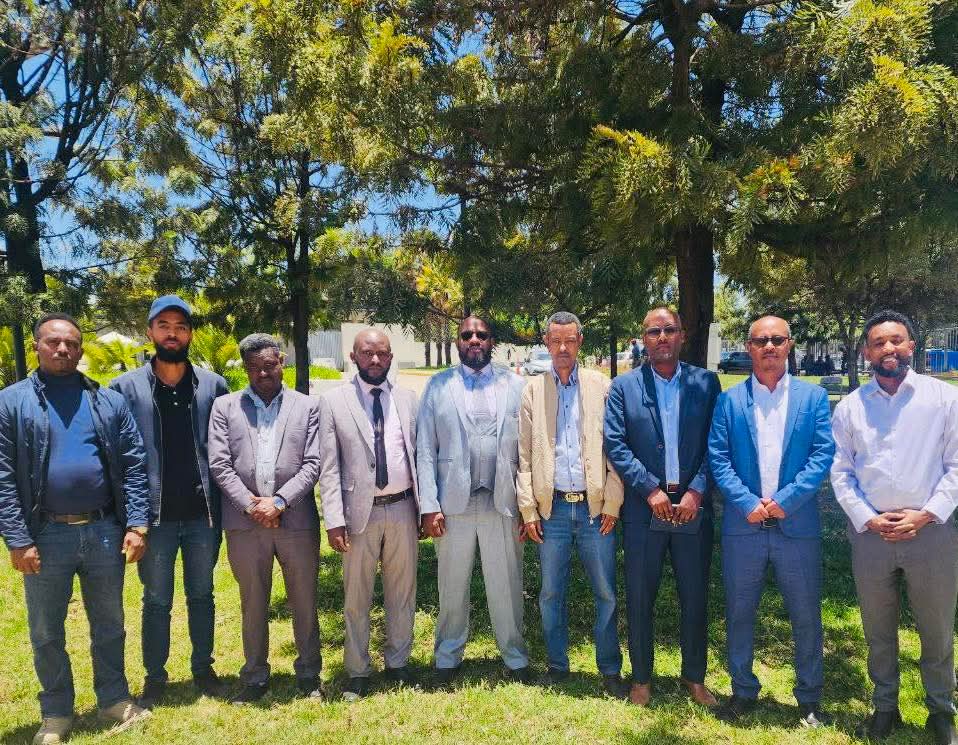
Political and legal experts note that national dialogues derive legitimacy from participation rather than authority. In post conflict settings, broad inclusion of opposition political actors, independent civil society, women and youth groups, religious institutions, traditional authorities, and the business community is widely regarded as essential to ensuring public ownership of outcomes.
Observers caution that without such inclusion, dialogue risks being perceived as procedural rather than transformative. By contrast, a genuinely representative process could help renegotiate the post war social contract and produce agreements capable of broad societal acceptance.
Role of Media in Shaping Public Understanding
Media engagement is emerging as a key factor in the success of the initiative. Horn News Hub has publicly welcomed the national dialogue and expressed readiness to provide strategic communication support, citing the importance of public awareness and accurate information during sensitive political transitions.
The outlet emphasized the need for credible national and international visibility for the dialogue process and for framing it as a civilian led political reset rather than a factional or elite driven exercise. According to media analysts, such framing could strengthen public confidence and encourage wider participation.
Horn News Hub also highlighted the importance of explaining the dialogue’s objectives, scope, mechanisms, and safeguards in order to reduce confusion and prevent misinterpretation among the public.
Disinformation Risks in a Fragile Environment
Analysts warn that disinformation and delegitimizing narratives pose a serious risk in post conflict political environments. Competing interpretations of the dialogue, if left unaddressed, could undermine trust and deepen polarization.
In this context, independent media coverage that prioritizes accuracy, balance, and context is seen as a stabilizing force. By countering false claims and providing factual reporting, media institutions can help protect the integrity of the dialogue process.
Support from Domestic and Diaspora Constituencies
There are indications that a credible and inclusive dialogue could strengthen support for the regional administration among political elites, professionals, and civic leaders both inside Tigray and in the diaspora. Many members of the diaspora are viewed as critical stakeholders in reconstruction, institutional reform, and international engagement.
Observers note that diaspora support is closely linked to perceptions of openness and fairness. Transparent dialogue processes are more likely to mobilize expertise, resources, and advocacy from abroad.
International Perceptions and Political Credibility
International partners are closely monitoring the initiative as part of broader assessments of political stability and governance in Tigray. Inclusive political processes and transparent communication are commonly cited by donors and diplomatic actors as prerequisites for sustained post conflict engagement.
Analysts argue that a well structured and openly communicated national dialogue could enhance the region’s credibility and reduce skepticism among external stakeholders.
A Defining Phase for Political Normalization
The Tigray National Dialogue Initiative is unfolding at a sensitive moment in the region’s recovery. While it has been welcomed as a constructive step, observers stress that its ultimate significance will be determined by implementation rather than intent.
If inclusivity, transparency, and public engagement are realized in practice, the dialogue could become a central mechanism for restoring political trust and transitioning toward civilian consensus. If not, analysts warn, it risks becoming a missed opportunity in a fragile post conflict landscape.
Editor’s Disclaimer:
The views and opinions expressed in articles published by Horn News Hub are those of the authors and do not necessarily reflect the official position or editorial stance of Horn News Hub. Publication does not imply endorsement.