

Mekelle/Tel Aviv/Nairobi/Pretoria/London
From a Single Aircraft to Africa’s Aviation Hub
By captain Tewodros Solomon
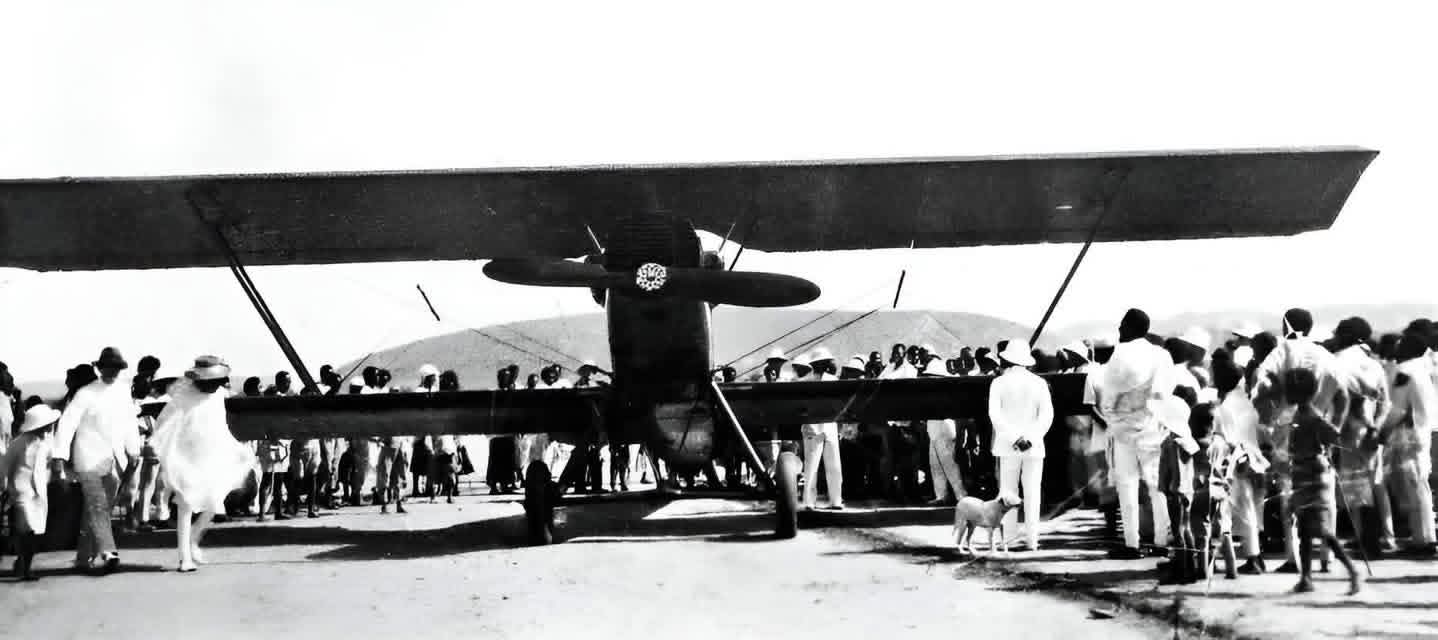
Ethiopia’s aviation story did not end with that first landing at Jan Meda. In many ways, it was only the opening chapter of a much larger continental transformation, one that would eventually position Ethiopia as the home of Africa’s first and most enduring air carrier.
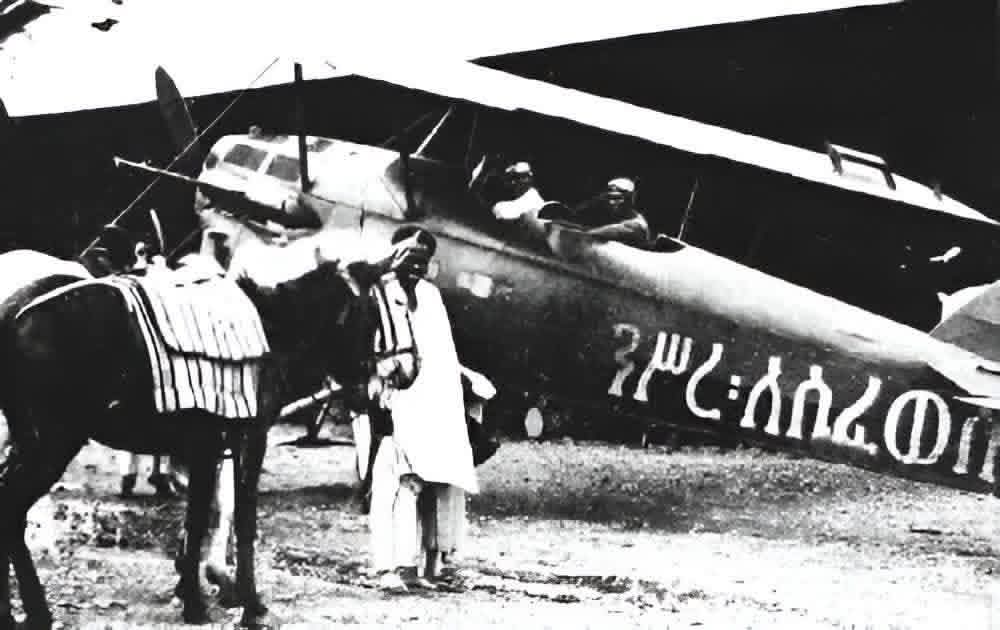
The 18 August 1929 flight of the POTEZ 25 “Nessre Tafari” was more than a technical milestone. It reflected Emperor Haile Selassie’s broader vision of modernization, sovereignty, and strategic independence. At a time when aviation was still a novelty even in Europe, Ethiopia was deliberately investing in air power not as spectacle, but as statecraft. The decision to acquire aircraft, establish an aviation department, and train Ethiopians locally signaled an understanding that control of the skies would soon shape diplomacy, defense, and development.
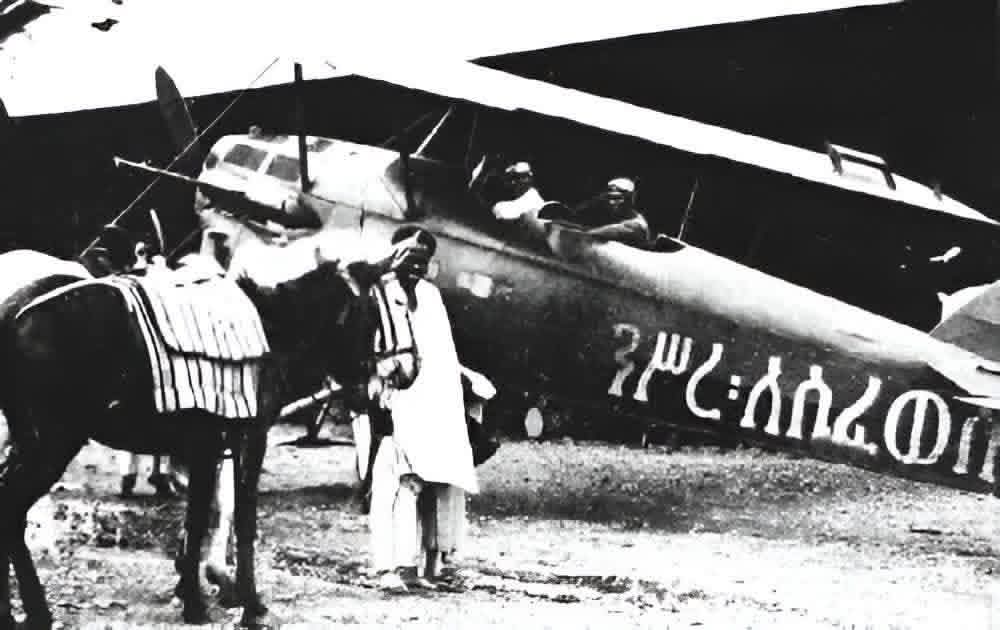
This early foundation mattered. Unlike many African states whose aviation sectors emerged after independence under external management, Ethiopia’s aviation institutions were rooted in a pre-colonial state project. The Ethiopian Air Force, formally institutionalized in the 1930s, became one of the earliest organized air forces on the continent. Its formation laid technical, human, and administrative groundwork that would later prove decisive in civilian aviation.
The disruption caused by the Italian invasion in 1935 temporarily halted this progress, but it did not erase it. When Ethiopia regained sovereignty in 1941, aviation once again became central to national reconstruction. The post-war period coincided with the global expansion of commercial aviation, and Ethiopia moved quickly to re-enter the skies, this time with a civilian focus.
In 1945, Ethiopian Airlines was founded, making it the first national airline in Africa. Crucially, it was not established as a symbolic flag carrier alone, but as a professionally run institution. Early partnerships, particularly with Trans World Airlines (TWA), were structured to transfer skills rather than permanent control. Ethiopian pilots, engineers, and managers were trained systematically, echoing the earlier aviation philosophy of the 1920s and 1930s: external expertise as a bridge, not a crutch.

This continuity of vision explains Ethiopian Airlines’ exceptional trajectory. While many African airlines struggled with political interference, weak technical capacity, and chronic financial instability, Ethiopian Airlines invested heavily in training, maintenance, and fleet modernization. The airline built Africa’s first aviation academy, maintenance and overhaul facilities, and later cargo and logistics hubs. Each step reinforced institutional self-reliance, the same principle embodied by “Nessre Tafari” decades earlier.
Ethiopia’s geographic position also played a strategic role, but geography alone does not create success. Addis Ababa became a continental hub because policy choices aligned with long-term planning. Aviation was treated as national infrastructure, not merely a commercial venture. This approach allowed Ethiopian Airlines to survive political transitions, regional conflicts, and global shocks that grounded many competitors.

Seen in this light, the 1929 flight from France is not an isolated historical curiosity. It represents the birth of an aviation mindset: forward-looking, state-driven, and skills-focused. The Ethiopian Air Force’s early development nurtured technical competence and organizational culture. Ethiopian Airlines later translated that competence into civilian excellence, turning Ethiopia into Africa’s aviation anchor.
Ninety years after the Air Force’s founding, Ethiopia’s position as the home of Africa’s first airline is not accidental. It is the result of deliberate choices made across generations, beginning with a single aircraft landing at Jan Meda. That moment symbolized more than arrival. It marked Ethiopia’s decision to claim the skies on its own terms, a decision that continues to shape African aviation today.
———-
Editor’s Disclaimer:
The views and opinions expressed in articles published by Horn News Hub are those of the authors and do not necessarily reflect the official position or editorial stance of Horn News Hub. Publication does not imply endorsement.